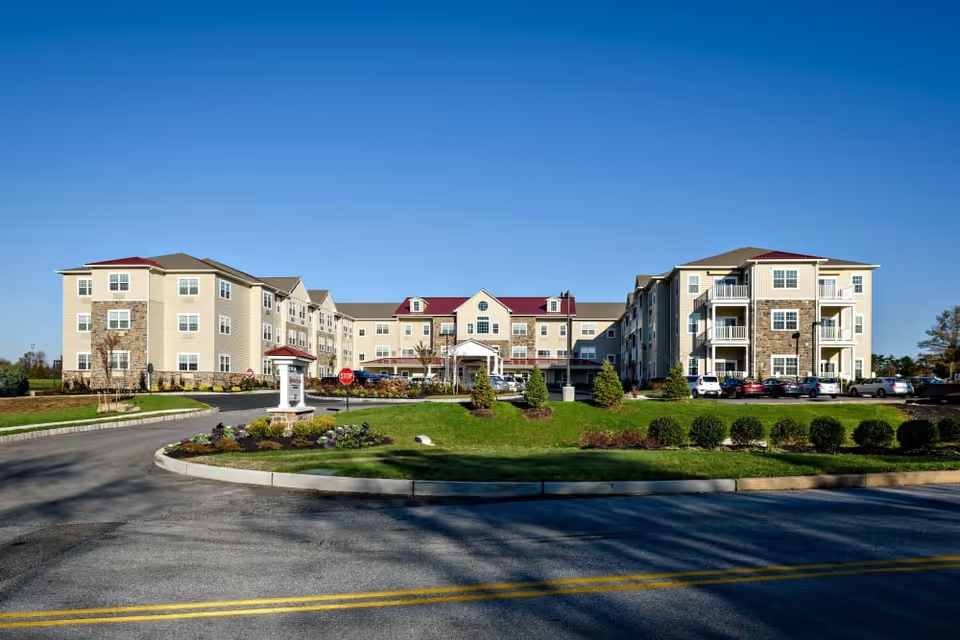
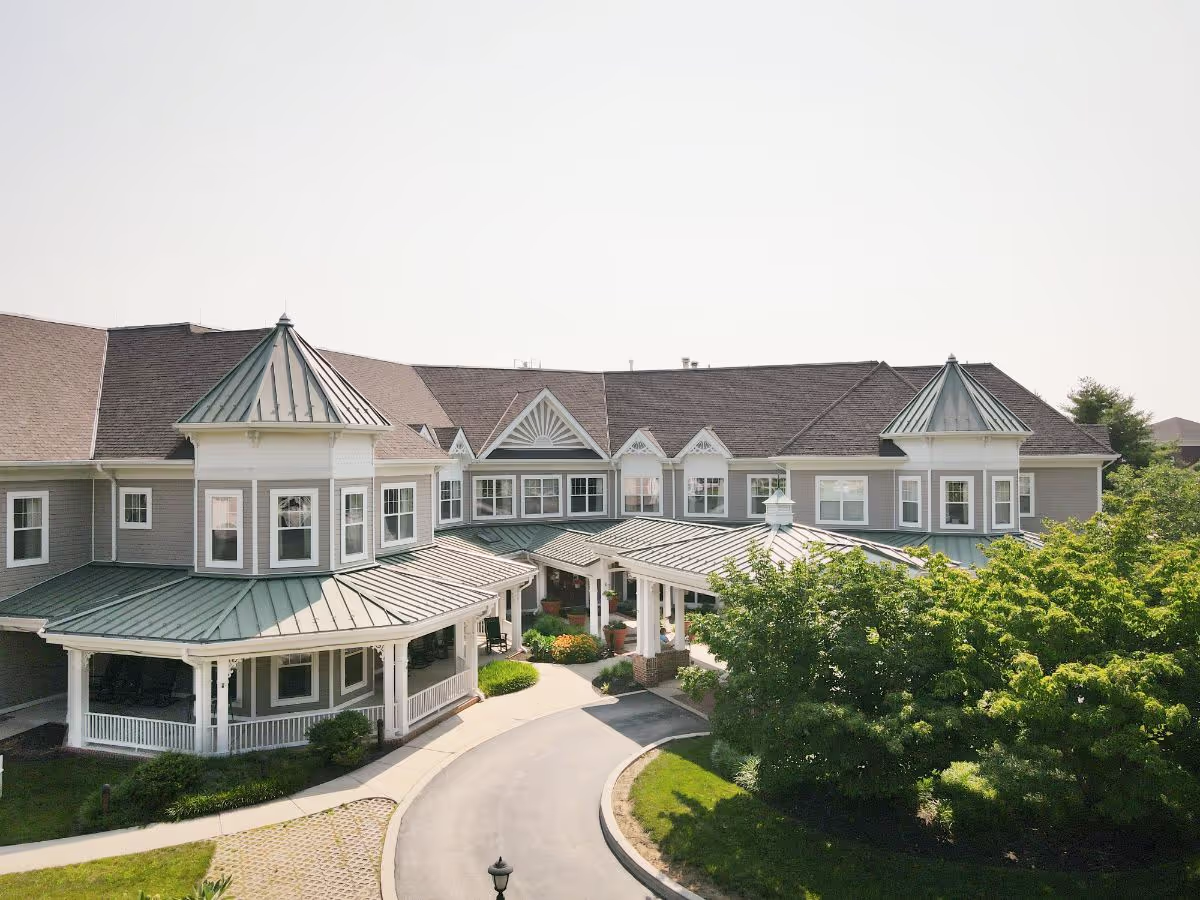
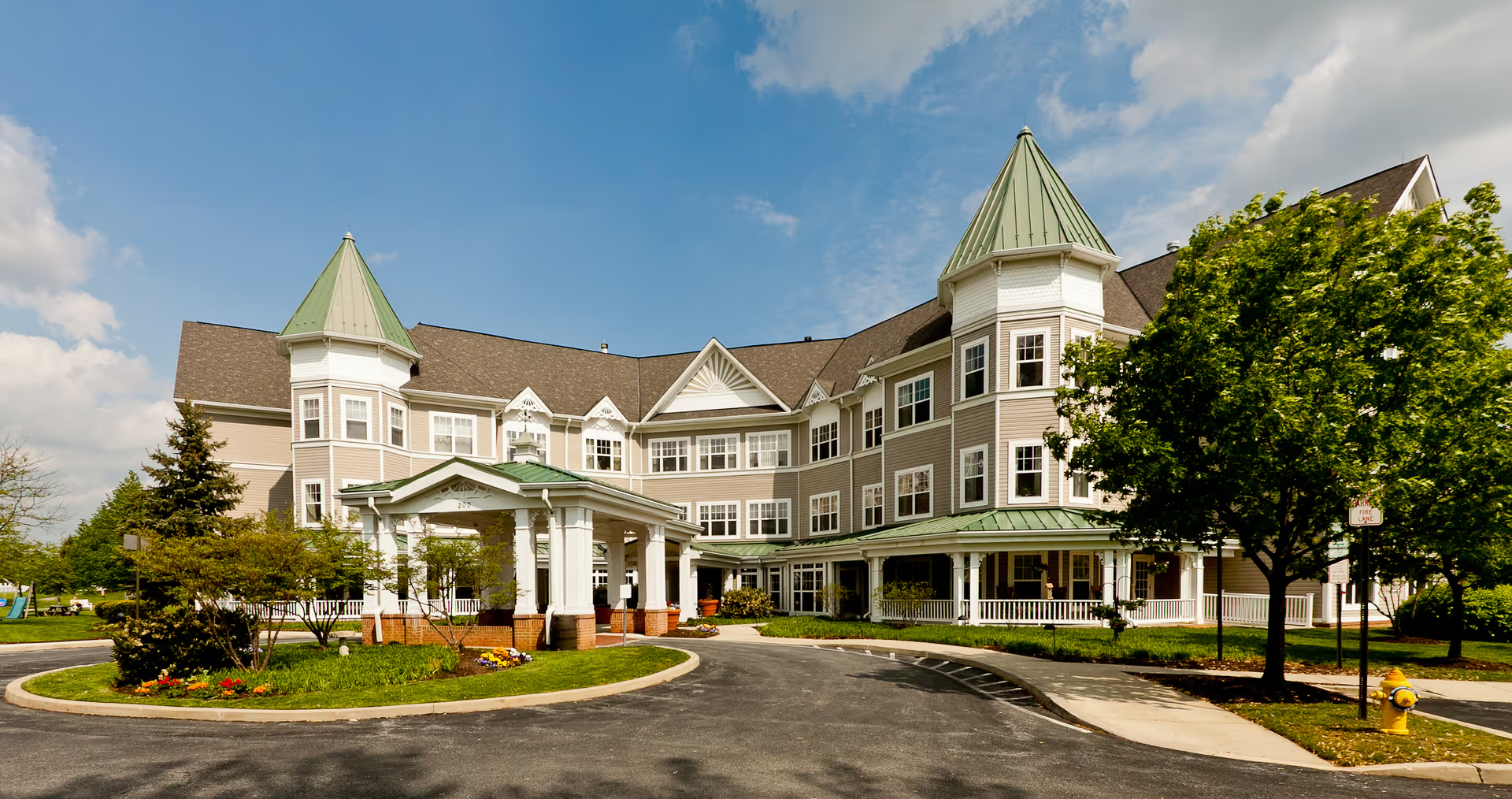
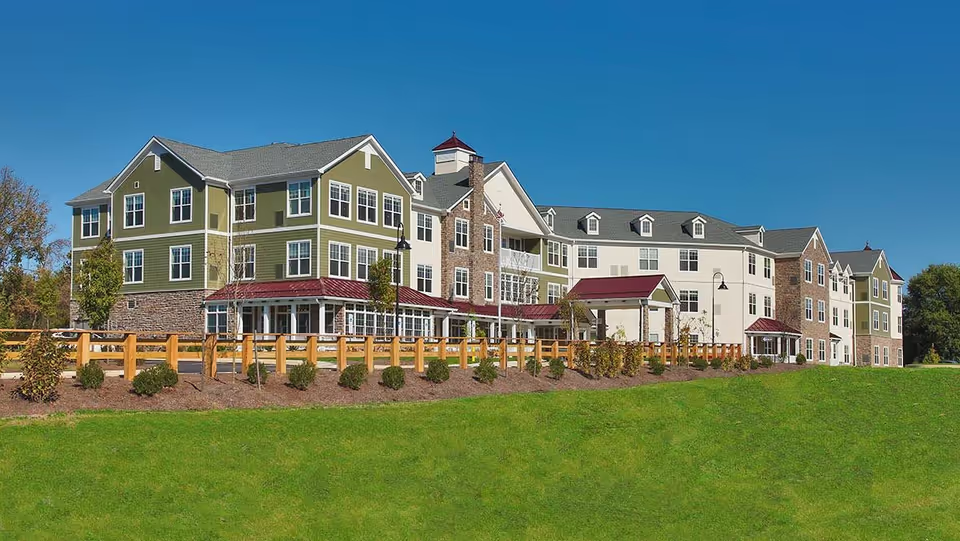
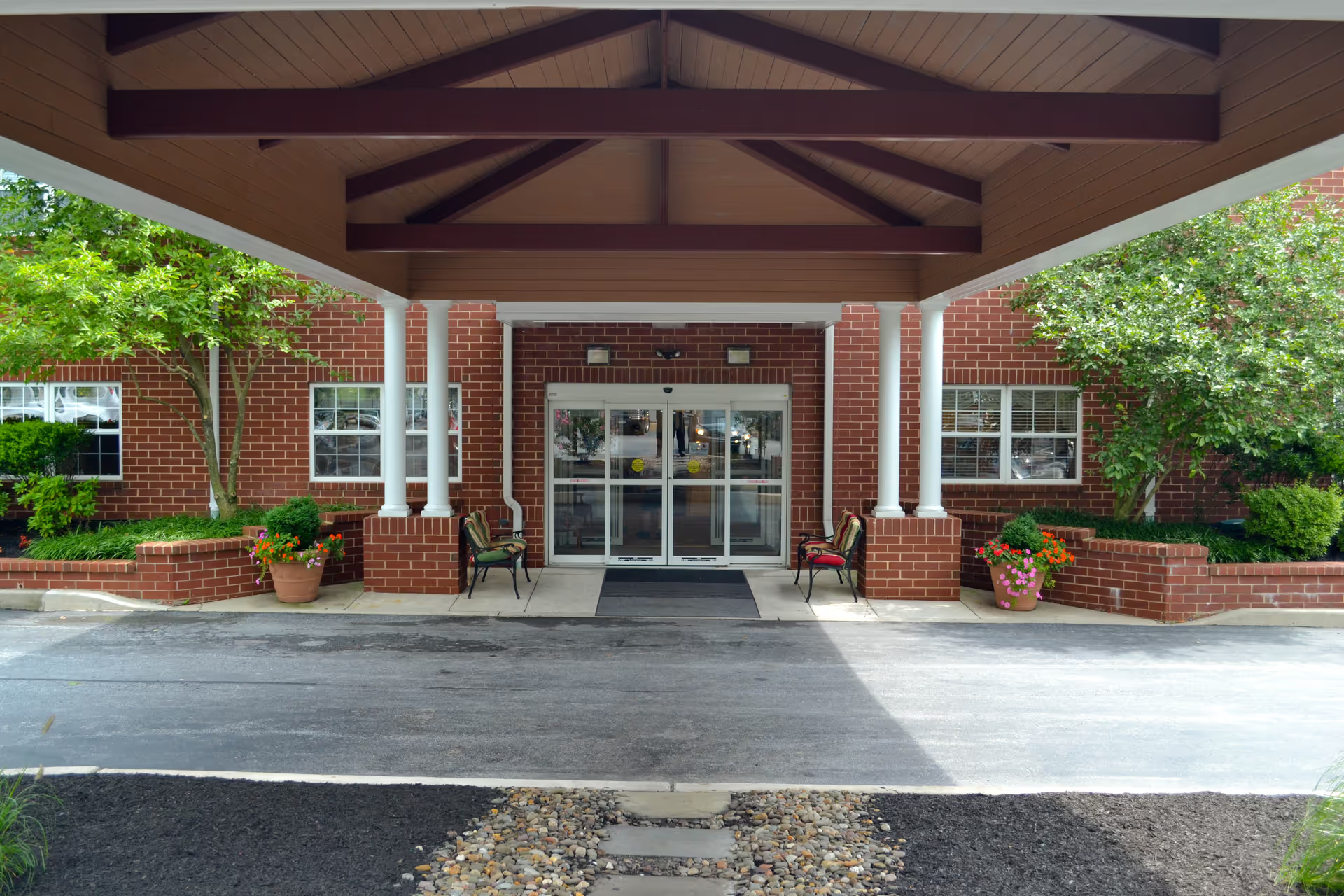
The Hickman is described by many families as a community with a warm, home-like atmosphere and numerous social amenities. Strengths most frequently mentioned include compassionate and engaged direct-care staff, a responsive admissions team that coordinates move-ins, and a newer wing that is perceived as clean and well-maintained. Apartment-style living with bright units, kitchenettes, on-site laundry and housekeeping, and communal spaces such as libraries, game rooms, communal kitchens, and patios contribute to a residential feel. On-site services commonly cited as beneficial are nursing oversight, physical and occupational therapy, an on-site salon, and a dedicated short-term/rehab wing. The program offers daily activities — exercise classes, clubs, book groups, and organized trips — and many reviewers praised the social life and chef-prepared meals with staff interaction in the dining program.
Care quality is a mixed picture. Numerous comments highlight attentive, personalized caregiving, helpful nurses and aides, and staff who know residents well; these elements are credited with improving residents’ quality of life. At the same time, reviewers describe operational weaknesses that can affect clinical continuity: inconsistent staffing levels and turnover, gaps in medication management and clinical communication, and limitations in accommodating higher-acuity care needs. Families should note variability in dementia and memory-care experiences; some caregivers and families describe strong, respectful programming while others point to uneven specialized-care practices.
Dining and activities are generally viewed as strengths, with three meals plus snacks included for many residents, chef engagement, and a wide slate of social and cultural activities. However, several reviewers mentioned variability in food quality and described rigid meal schedules or limited alternative options at times. The activity program is broad and includes exercise groups, outings, and in-house clubs, and community-oriented programming (including Montessori-informed approaches) was specifically praised where implemented.
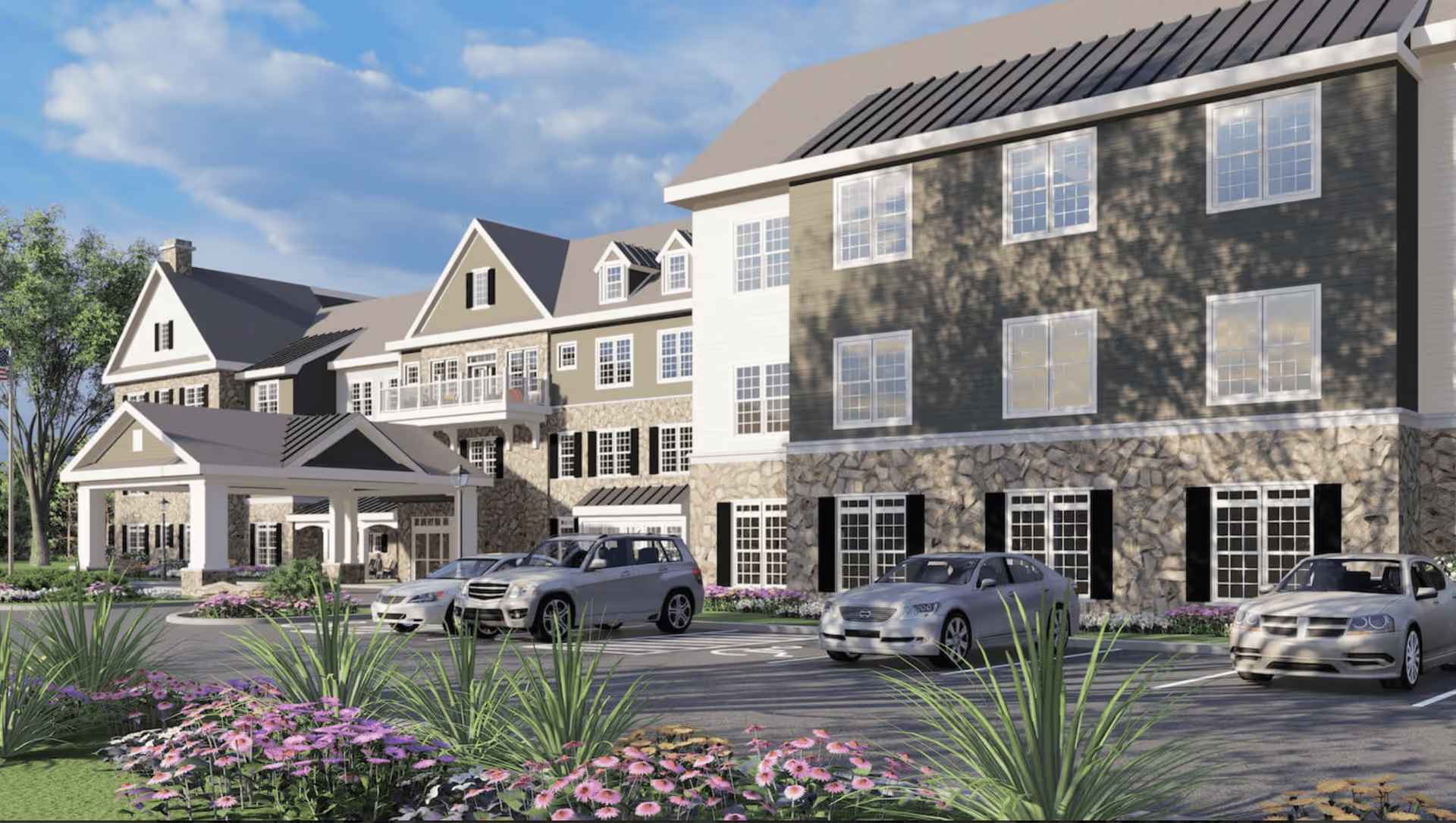
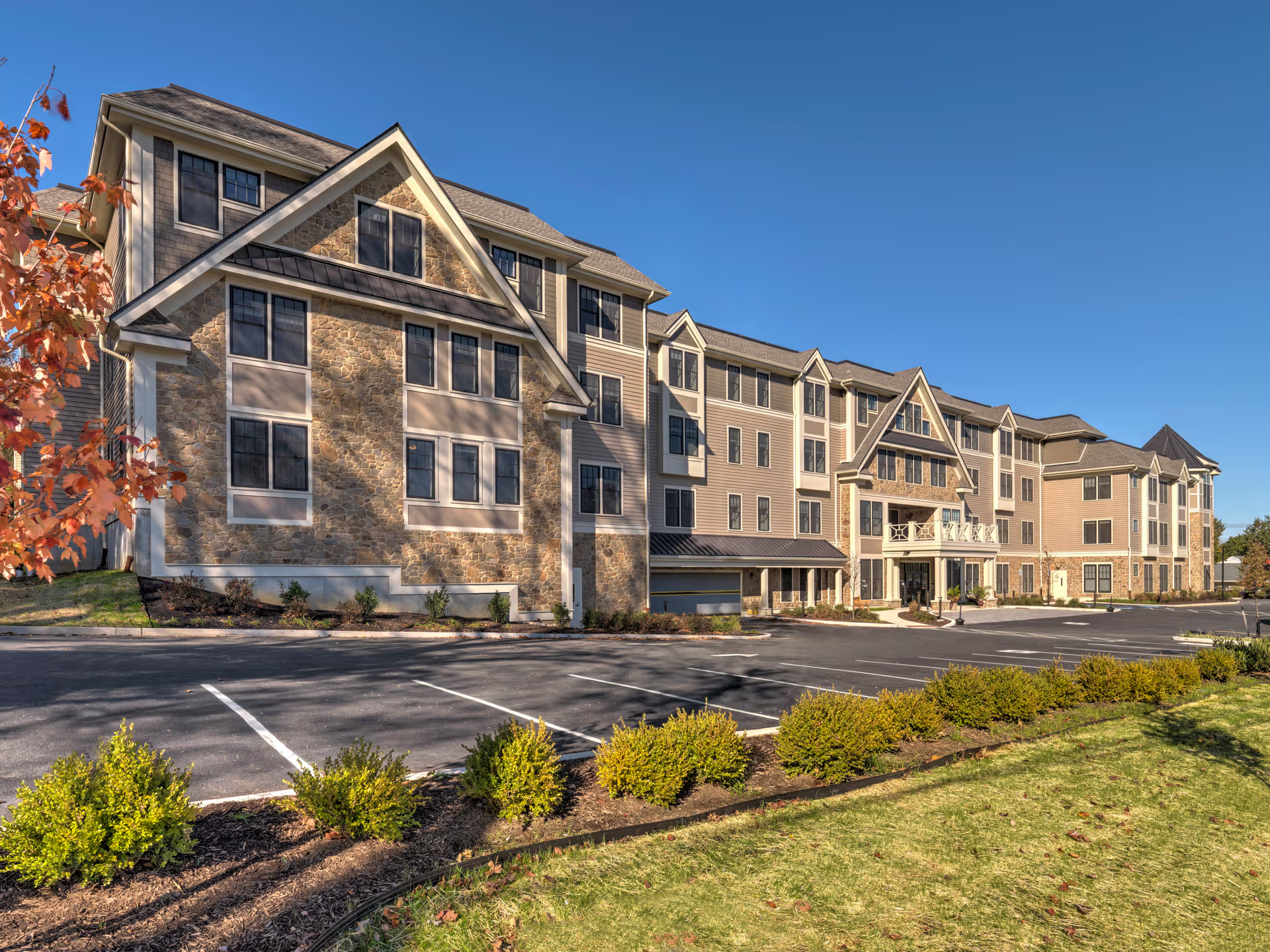
Facility condition and management present contrasts between the newer and older areas. The newer section receives consistent praise for cleanliness and modern finishes; by contrast, the older independent-living and skilled-nursing units are described as having smaller rooms and fewer updates, and some families noted periodic maintenance and sanitation inconsistencies in those areas. External factors cited include occasional contractor or neighborhood noise and variable landscaping/grounds upkeep after expansion. Operationally, reviewers identified recurring communication gaps with staff and family, inconsistent follow-up on clinical issues (including wound and assistive-device maintenance), and occasional questions about billing transparency and extra-fee practices.
For prospective residents and families: a tour should include visits to both newer and older units, observation of mealtime service, and conversations with nursing leadership about staffing patterns, medication and clinical communication protocols, and dementia-care programming. Clarify billing for additional aides or services and ask for current staffing ratios on units of interest. The Hickman presents strong social programming, on-site therapy, and many staff who are praised for compassion and engagement; those seeking higher-acuity clinical support or uniformly updated facilities should assess how well specific care needs align with the facility’s demonstrated operational capabilities.