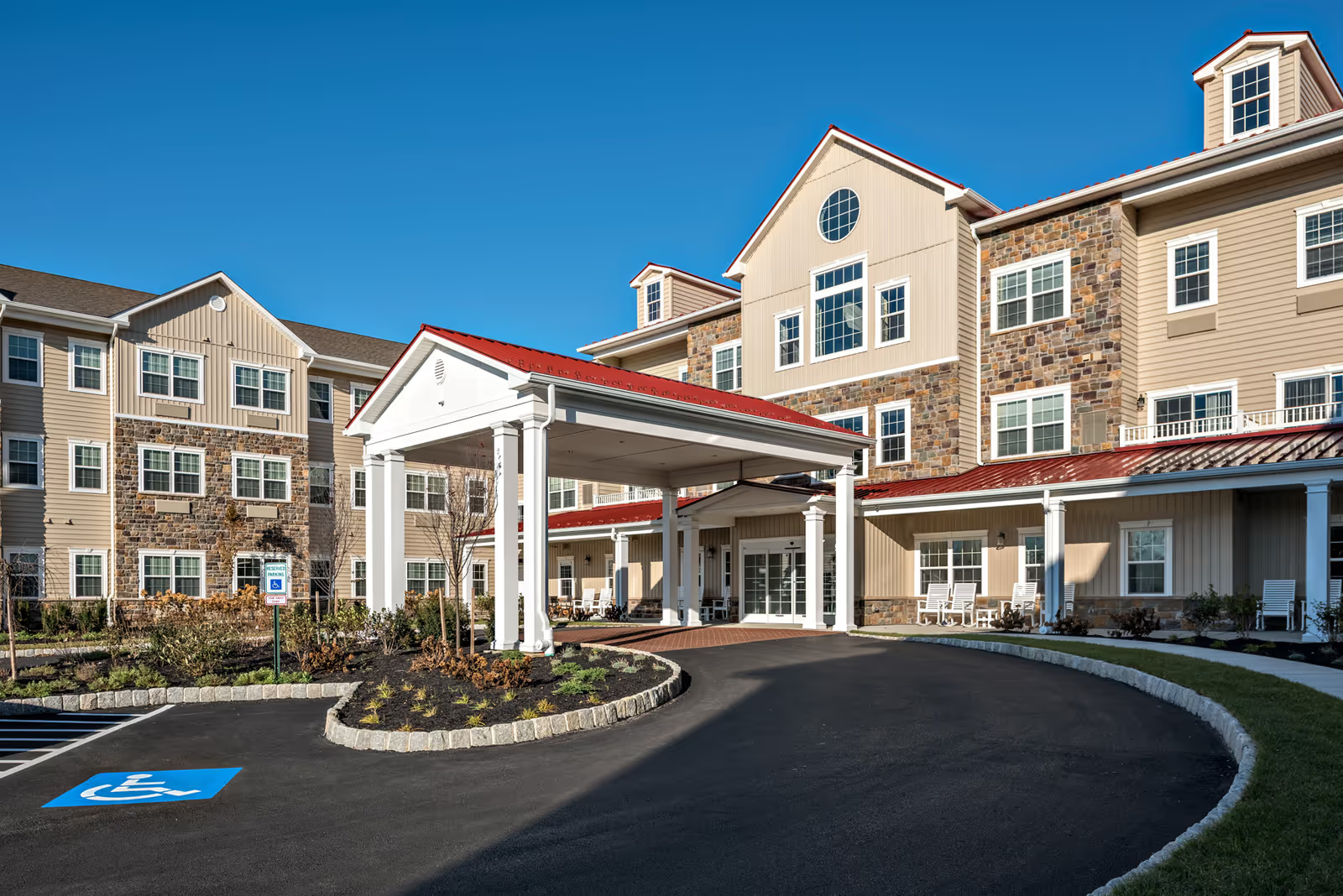
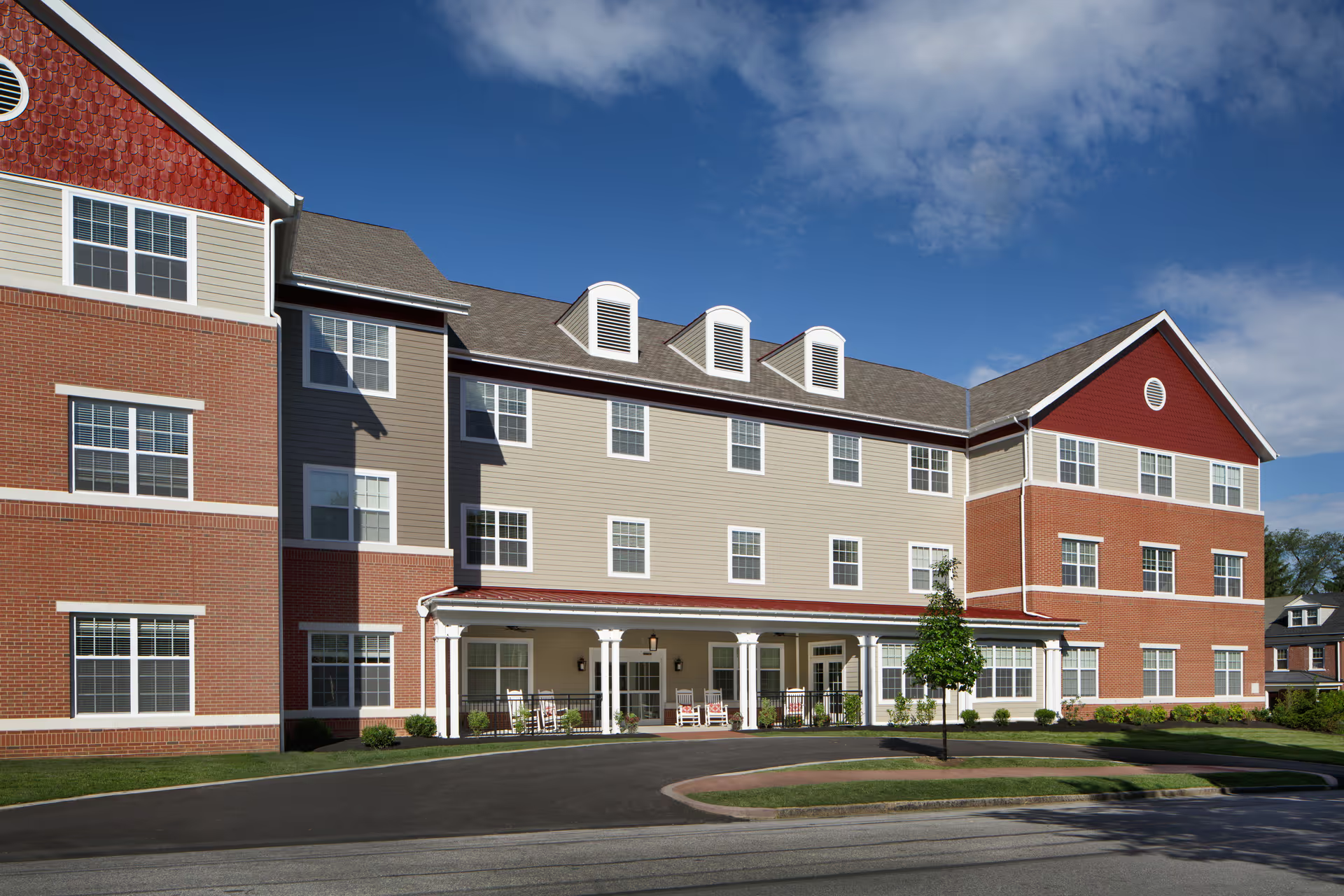
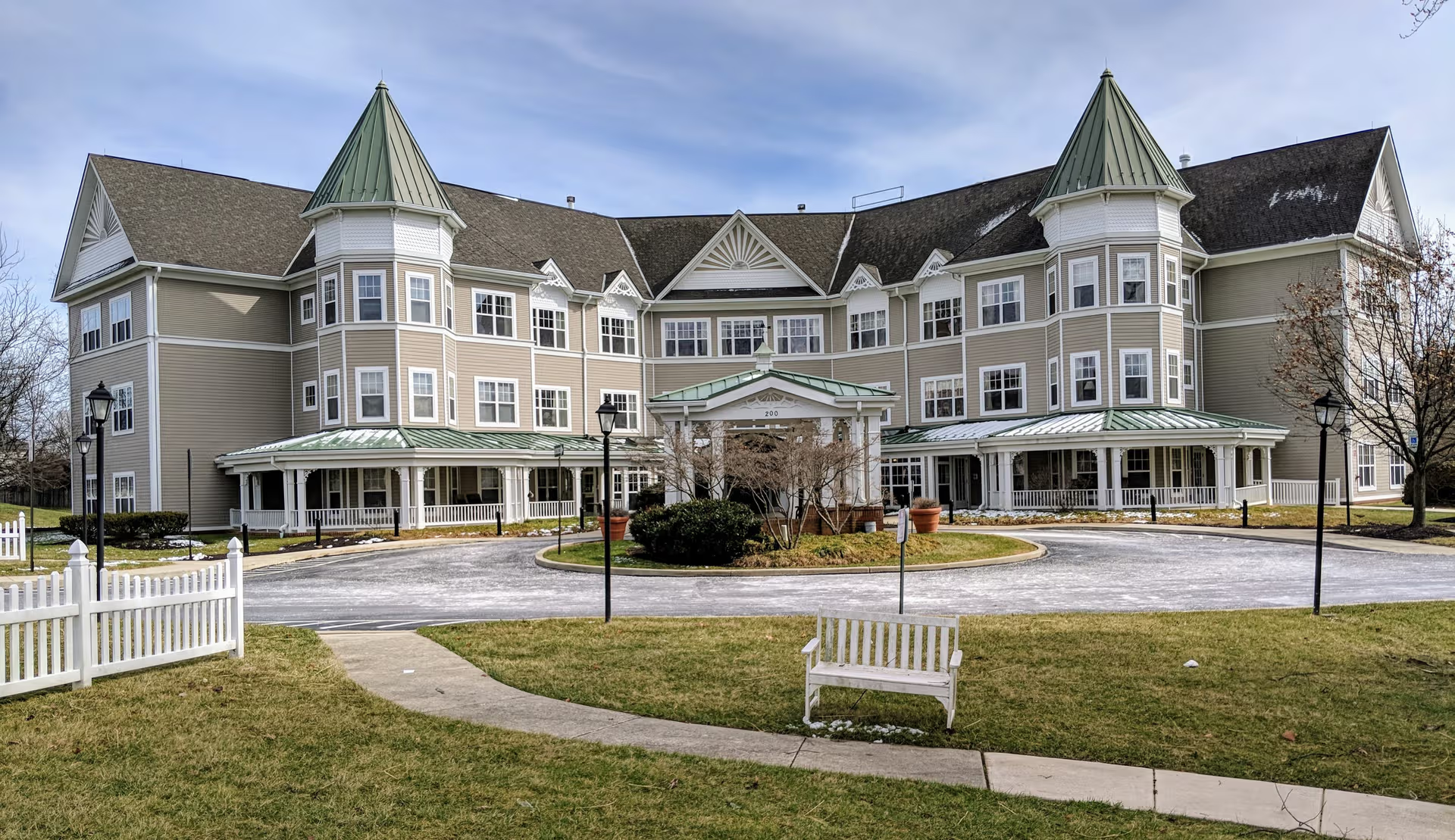
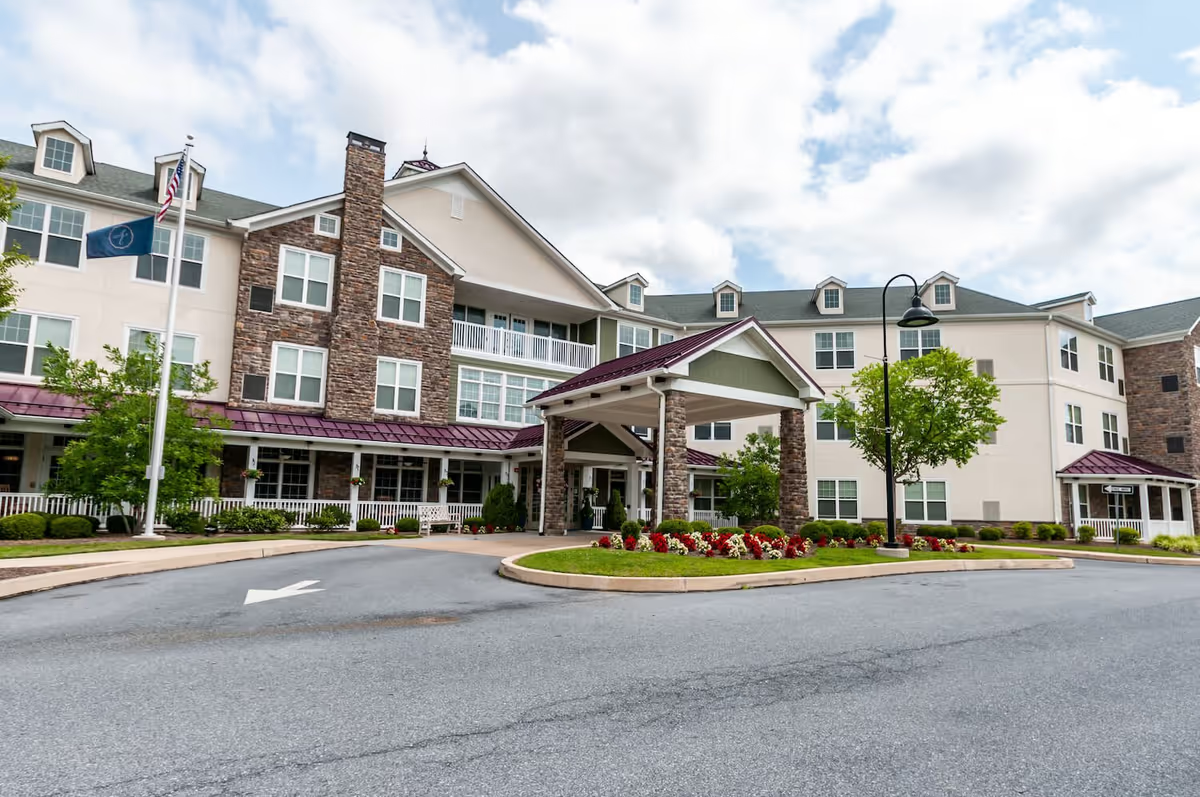
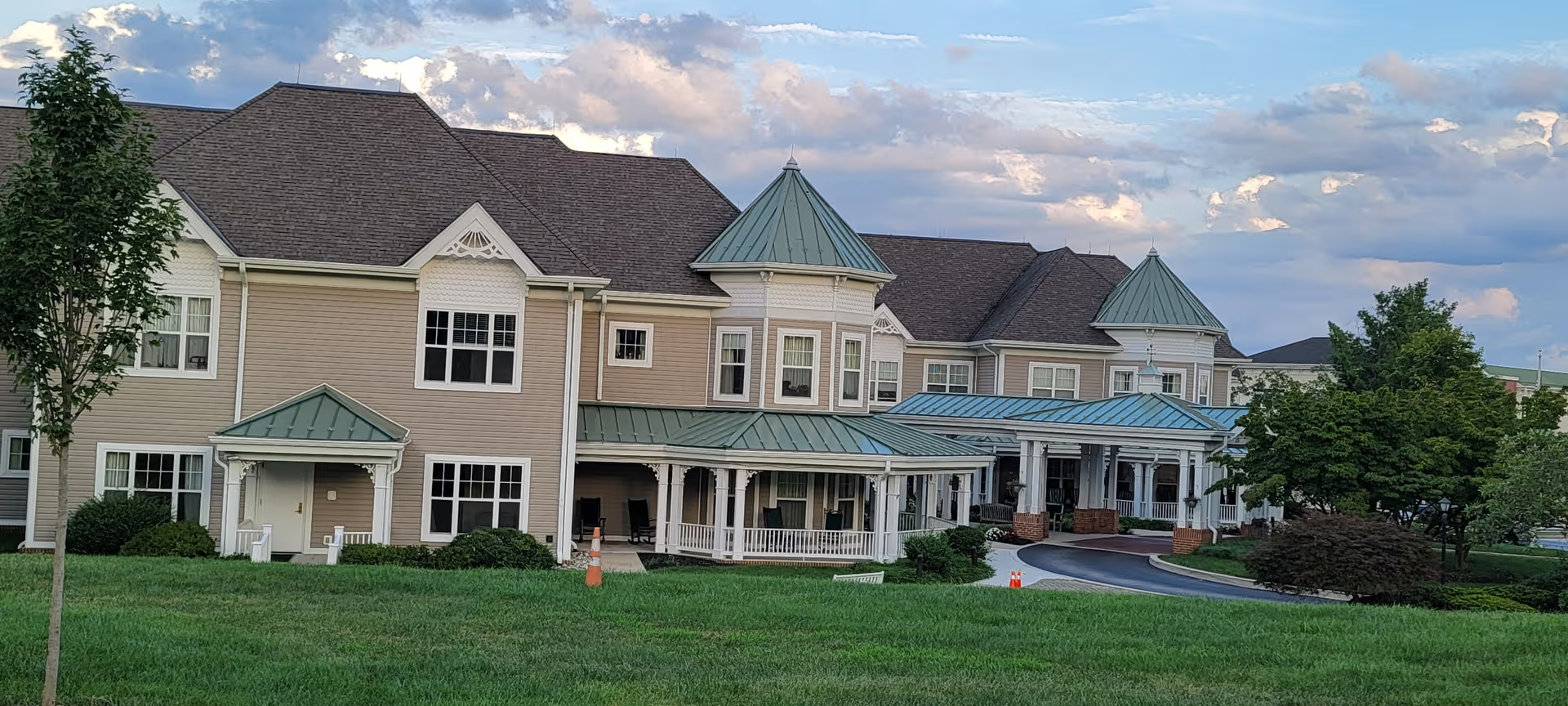
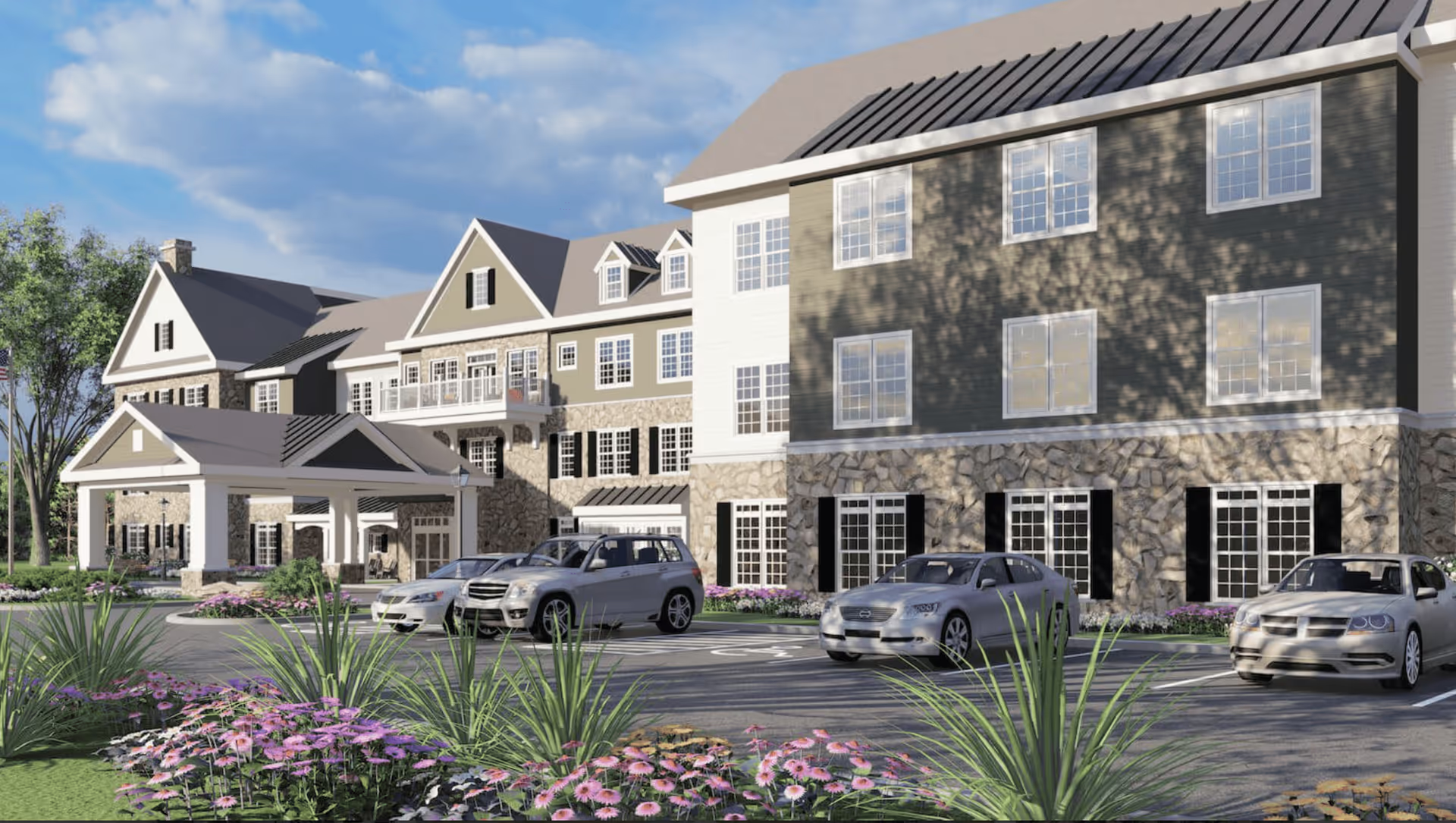
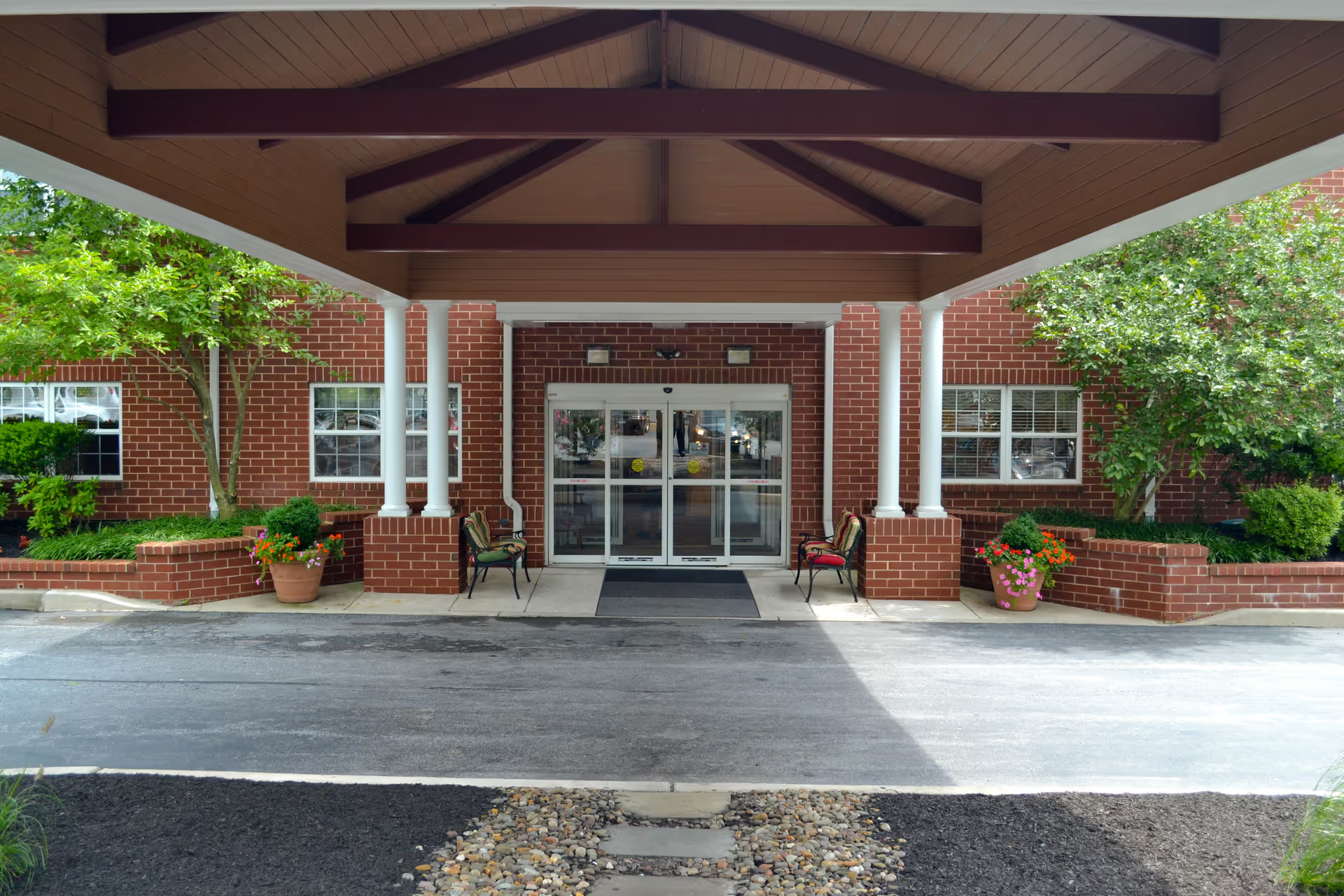
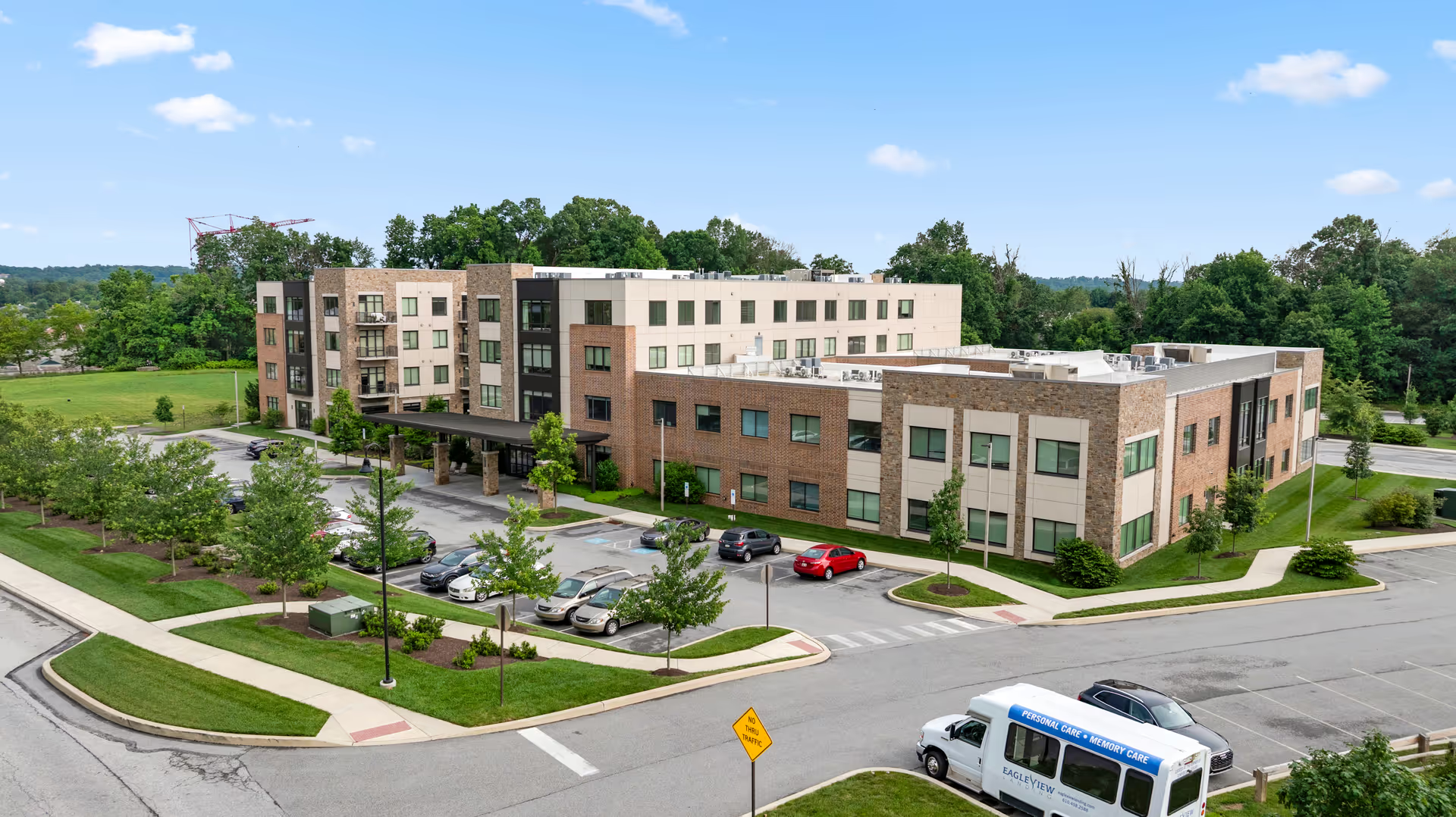
Wellington at Hershey's Mill presents a mix of strong physical amenities and an active social program alongside recurring operational concerns. The campus is frequently described as attractive, recently renovated in parts, and well maintained: large, bright apartments (often two-bedroom) with full kitchens, in-unit laundry, patios or balconies, and underground heated garage parking are highlighted strengths. Common spaces, indoor pool, fitness center, salon, Bistro and restaurant-style dining, private storage lockers, and on-site medical hours contribute to a campus that supports independence and convenience. The pricing structure (no large buy-in, month-to-month options, utilities included, optional 20-meal plan) is a financial model that appeals to many prospective residents and families.
Care and staff quality evoke mixed but specific patterns. Many families and residents praise individual caregivers, nurses, concierge and leadership for being kind, attentive, and responsive; several accounts describe helpful front-desk staff, engaged directors, and staff who facilitate transitions in level of care. At the same time, there are consistent operational themes of understaffing and turnover that affect service continuity. Clinical responsiveness and timeliness of assistance were cited as variable: while some families report excellent nursing oversight, others raised concerns about delayed assistance, missed clinical cues, and broader reliability of nursing coverage. There are also serious individual allegations relating to privacy violations and theft; these claims are significant and warrant direct inquiry during visits and contract review.
Dining and housekeeping show clear polarization. The dining program is a point of pride for many residents—chef-prepared meals, a bistro with takeaway options, and memorable dining experiences are frequently noted. Conversely, other accounts describe degraded dining service linked to staffing shortages: long lines, reduced portions or menu choices, diminished food quality, and inconsistent service levels. Housekeeping is generally included on a biweekly basis, yet some families describe lapses in cleaning frequency or standards over time. These inconsistencies suggest that meal-service and housekeeping quality may be sensitive to staffing levels and management focus.
Activities and social life are major strengths. Reviewers regularly cite a robust, varied calendar — classes, Bingo, lectures, movie nights, exercise programs, regular outings, and an engaged volunteer culture — and a strong social environment that helps many residents quickly form friendships and stay active. Memory-care programming and dementia engagement appear less consistent: while the memory-care unit receives praise for compassionate, well-run care in some accounts, other families say that dementia-specific engagement within parts of the community could be more substantial and structured.
Management, policies, and financial administration show important variability. Some current or recent directors and leadership teams are described as proactive, accessible, and effective; other comments describe declines in service quality and morale following ownership or management transitions, billing inefficiencies, unexplained fee increases, and occasional failures to return security deposits. These patterns suggest that operational performance is sensitive to corporate/managerial changes; prospective residents should confirm current leadership, staffing ratios, and recent operational metrics.
What this collection of feedback indicates is a facility with strong infrastructure and many programmatic assets, paired with operational fragility in areas that rely heavily on stable staffing and management attention (dining, clinical responsiveness, housekeeping, and administrative follow-through). Prospective residents and families would benefit from targeted due diligence: tour during meal and activity times, ask about current staffing levels and turnover, review recent financial and billing practices, request current menus and sample housekeeping schedules, inquire about dementia-specific programming, and seek documentation about incident resolution and security/deposit policies. These steps will help clarify whether the current operational reality matches the facility’s otherwise substantial physical and programmatic strengths.