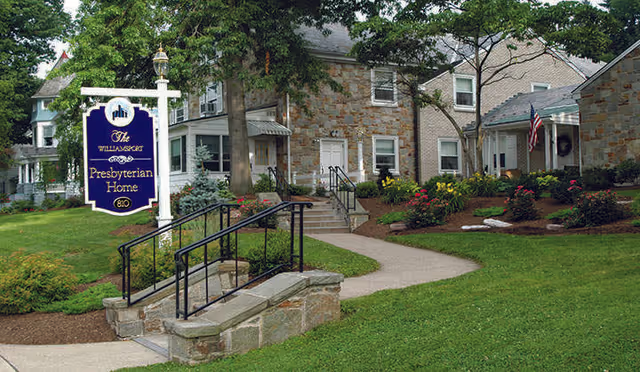
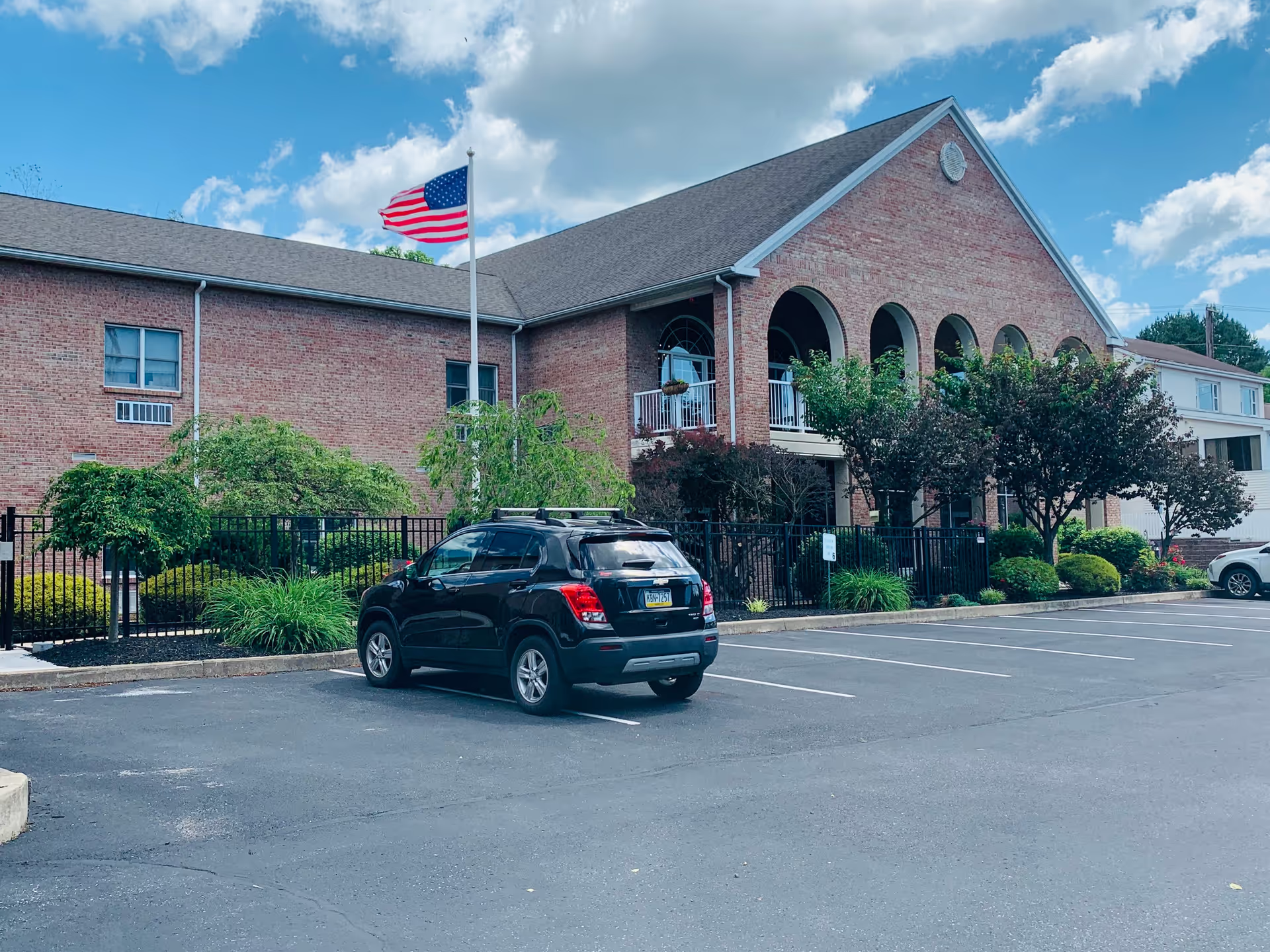
The reviews present a polarized but actionable portrait of Rose View Nursing and Rehabilitation Center. Many families and visitors highlight strong interpersonal strengths: nursing and aide staff are frequently described as compassionate, attentive, and personally invested in residents. Administrative and admissions staff receive specific praise for responsiveness and reassurance, and volunteers and faith-based programming contribute to a warm, family-like atmosphere. The facility offers a visible activity program (holiday events, dance demonstrations, organized games) and has on-site medical-office access, which reviewers cited as conveniences that support resident engagement and access to routine care.
At the same time, a recurring pattern of clinical and operational variability emerges. Several accounts indicate gaps in medication administration and in the timeliness of clinical interventions for acute issues, which families perceived as contributing to clinical decline in individual cases. These concerns cluster as inconsistent clinical-care processes rather than single isolated procedural errors. Relatedly, reviewers described uneven staff conduct and responsiveness across shifts and floors: some units and individuals were singled out for excellent bedside manner, while others were described as brusque or slow to respond.
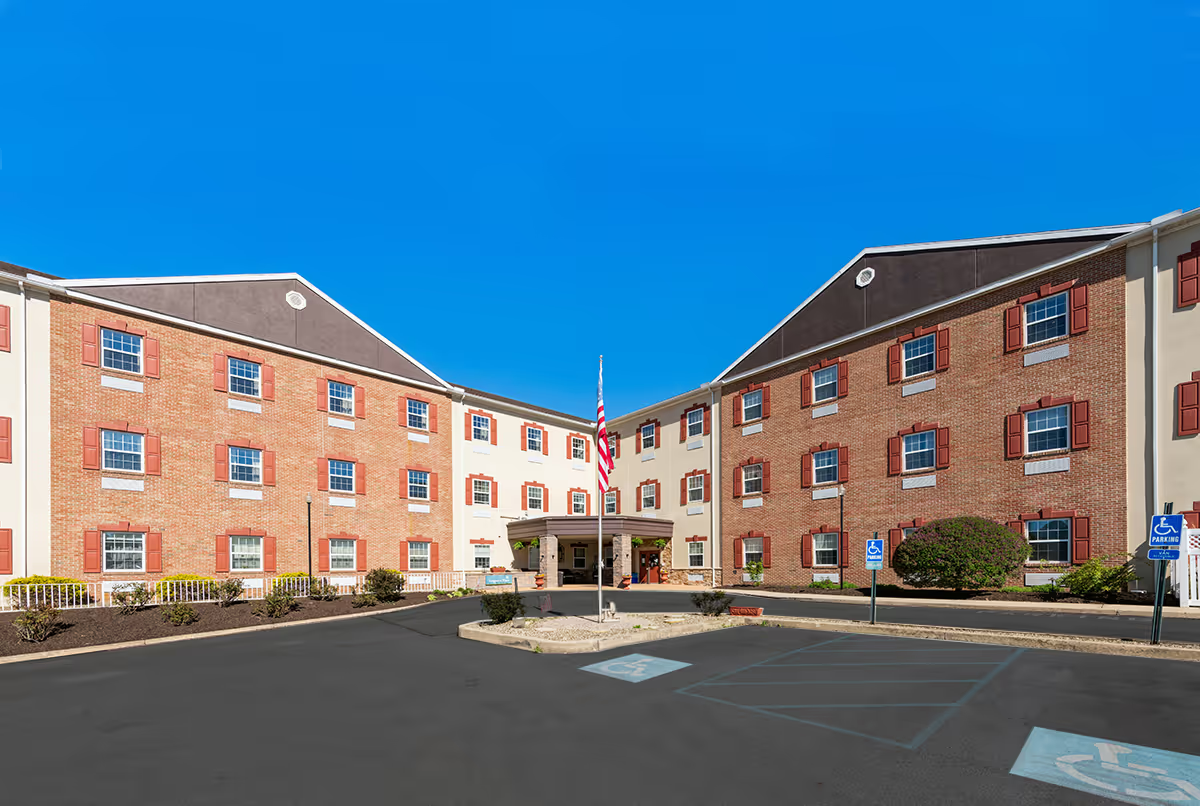
Facility services and environment receive mixed assessments. Many reviewers praised bright common areas, prompt maintenance, and housekeeping when present; others described sanitation and cleanliness variability at the room level. Dining service is similarly mixed—staff are often described as cheerful, and some meals are well received, but reviewers also noted small lunch portions and inconsistent food quality. Activity programming and social events are a clear positive, with examples of well-run events that support resident morale and socialization.
Operational communication and property-management issues were also noted. Several families described gaps in communication about care changes and outcomes, and there are mentions of misplacement of personal belongings and delays in replacing supplies. Infection-control events and consequent visitation restrictions were referenced; these periods contributed to family stress and raised questions about visitation-policy flexibility during outbreaks.
Overall, the facility demonstrates meaningful strengths in compassion, engagement, and certain operational areas (activities, volunteers, on-site services), but the pattern of variability—across clinical responsiveness, room-level cleanliness, dining consistency, and communication—suggests that prospective residents and families should ask targeted questions during tours. Recommended areas to probe include medication-administration protocols and escalation pathways for acute changes, housekeeping schedules and room cleanliness checks, dining menus and portion policies, and the facility's communication practices for families (including how visitation is handled during infection-control events). These lines of inquiry will help families weigh the strong relational culture against documented operational inconsistencies.