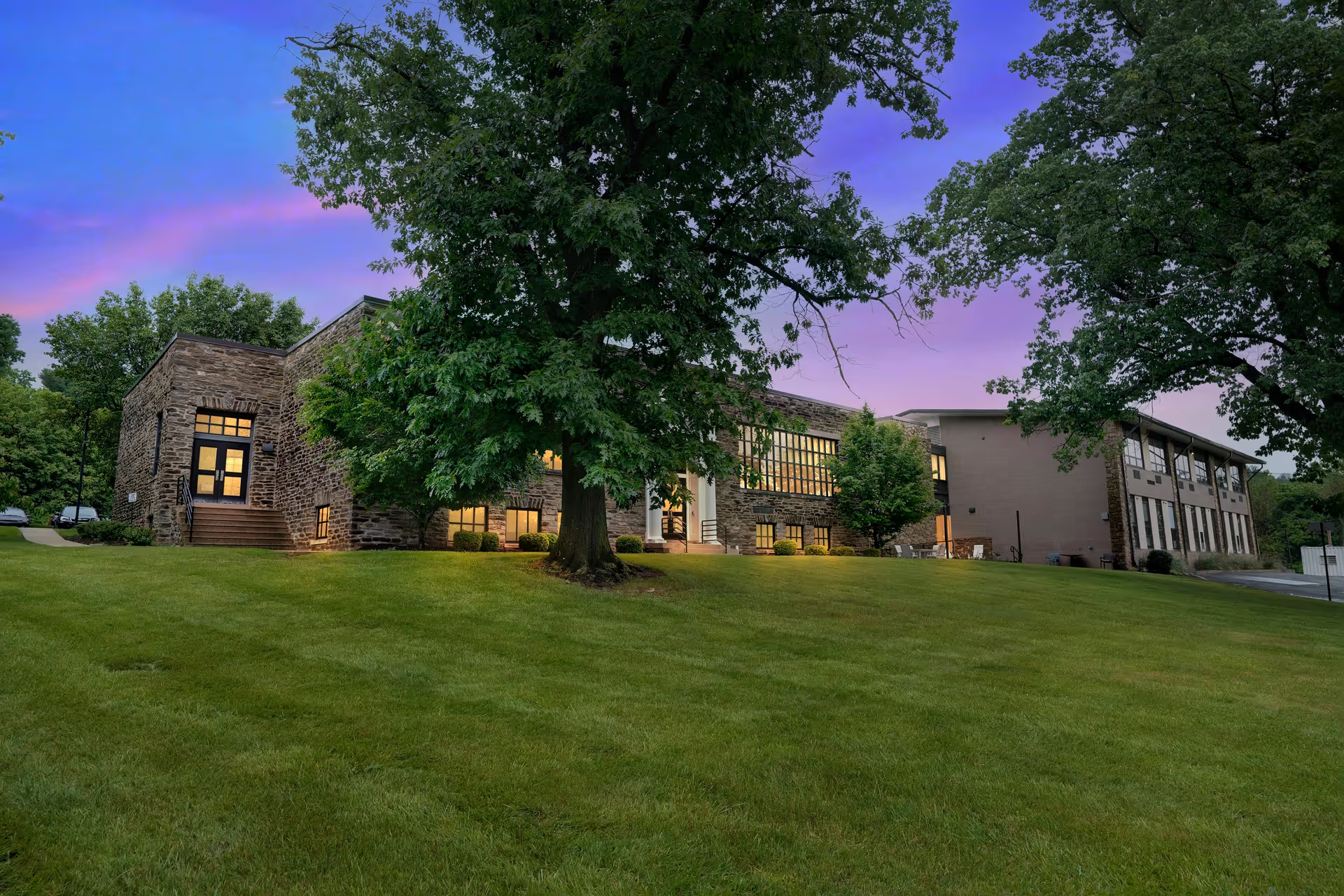
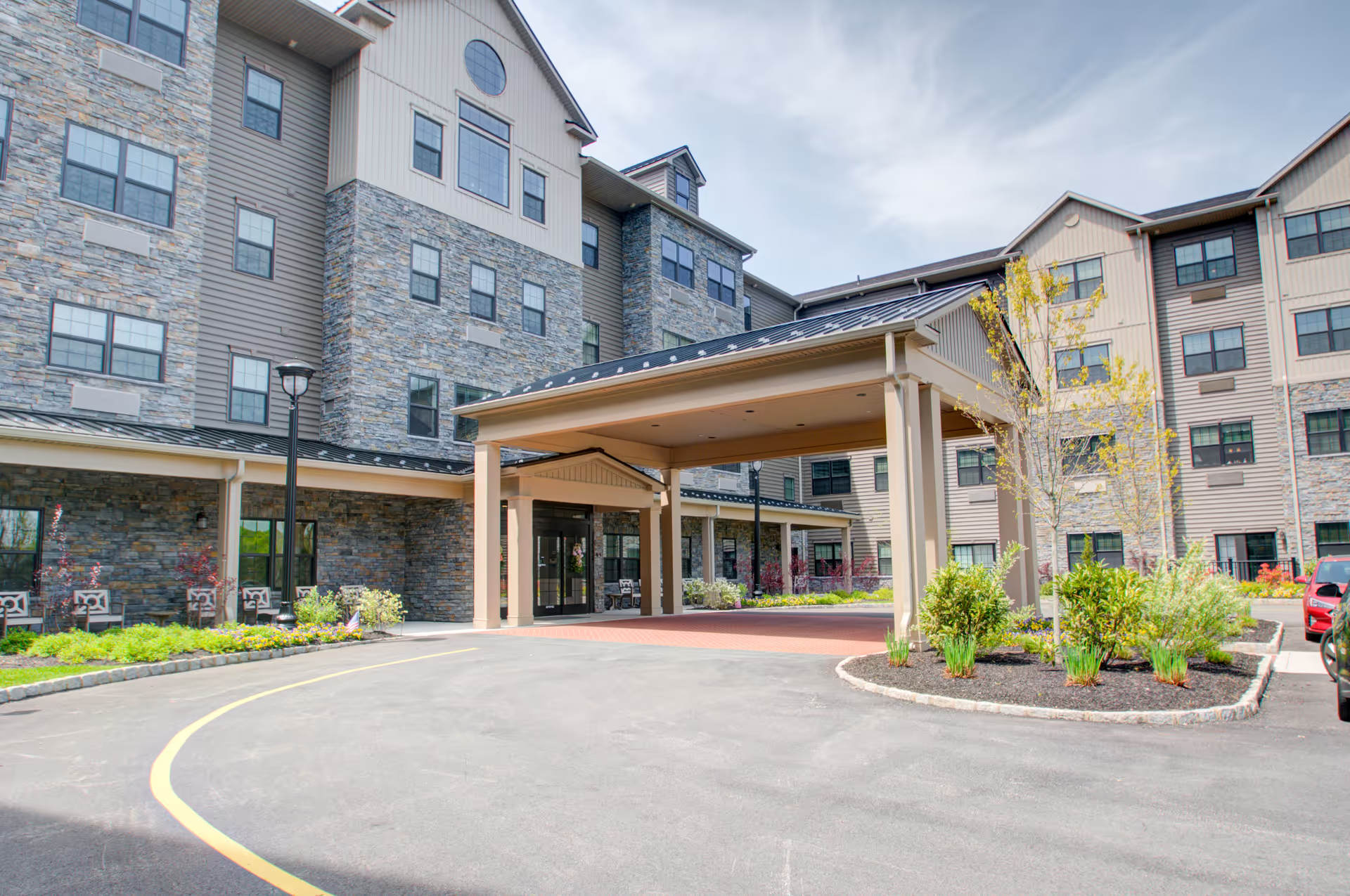
Wyncote Place is repeatedly described as a memory-care–focused community with many operational strengths alongside some recurring operational weaknesses. The facility is consistently praised for its dementia/Alzheimer’s specialization, licensed nursing presence, coordination with outside providers (physicians, therapists, podiatrists, dental and vision care), and a family-centered approach to safety and well-being. Many families highlight compassionate caregivers, enrichment coordinators, and long-tenured staff who form authentic relationships with residents. The community’s scale—often characterized as small and intimate—along with features such as private rooms with en-suite baths, secure outdoor gardens, and a historic, well-maintained setting, contribute to a home-like atmosphere for people with memory impairment.
Care quality and staffing are central strengths but also the source of variability. Numerous accounts describe skilled, attentive nurses and aides who honour resident dignity, provide 24-hour availability, and go beyond basic duties to support emotional needs. At the same time, reviewers identified operational gaps: inconsistent medication administration and laboratory follow-up, pressure-injury prevention and incontinence-care concerns, and uneven responsiveness during some shifts. There are also isolated allegations of theft and financial misconduct raised by families; combined with documented billing errors and delayed refunds in other accounts, these items suggest families should carefully review financial policies and billing practices before committing.
Dining and activity programming are generally viewed positively. Meals are often described as enjoyable and accommodating of special diets, though quality perceptions vary (including concerns about pureed meal presentation). The activity calendar is a notable strength: music, instrument playing, gardening, choral groups, worship services, exercise, crafts, entertainers, and hands-on programming tailored to memory issues are frequently cited as engaging and resident-centered. That said, several reviewers reported repetitive programming or a decline in outings and activities after departures in activity staff, indicating program continuity can be sensitive to personnel changes.
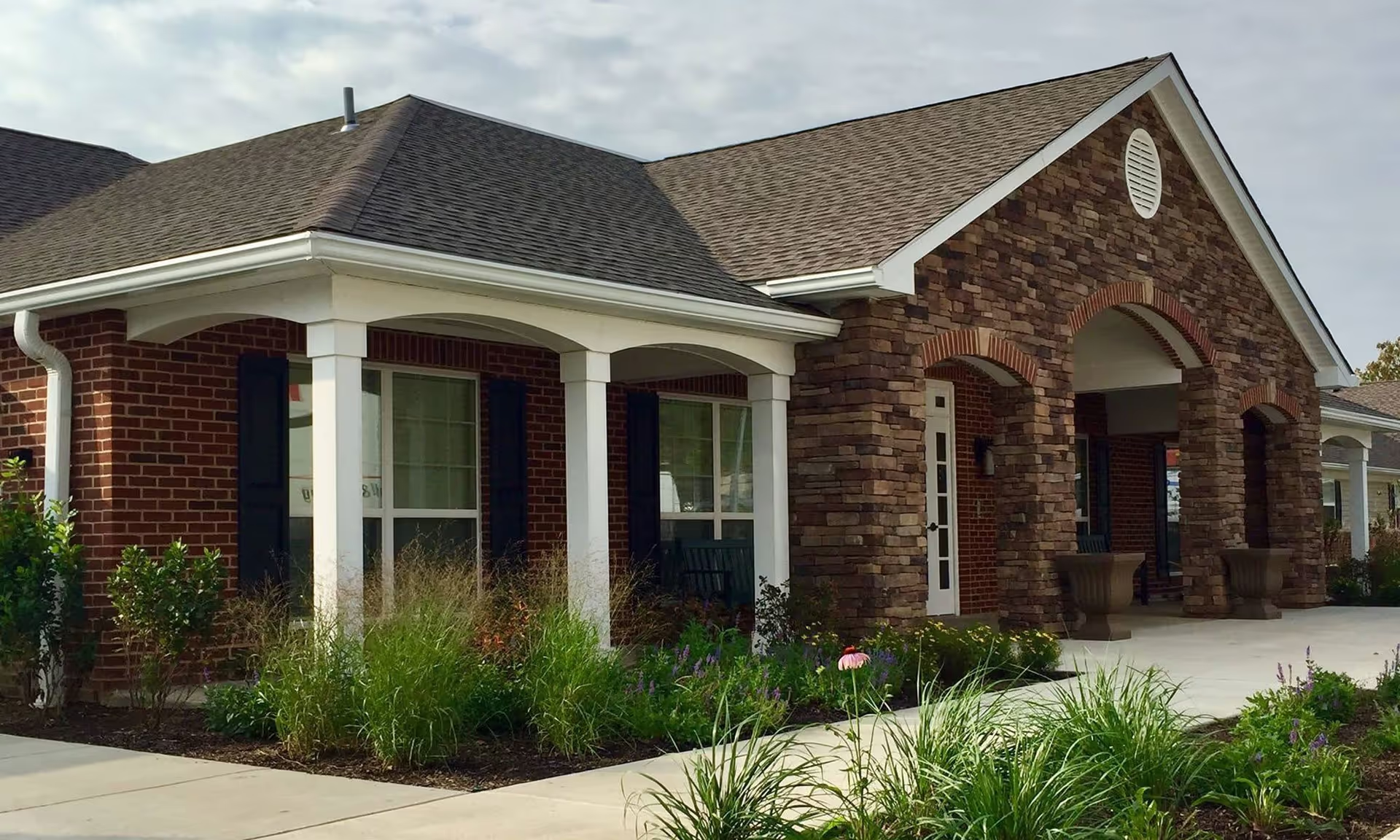
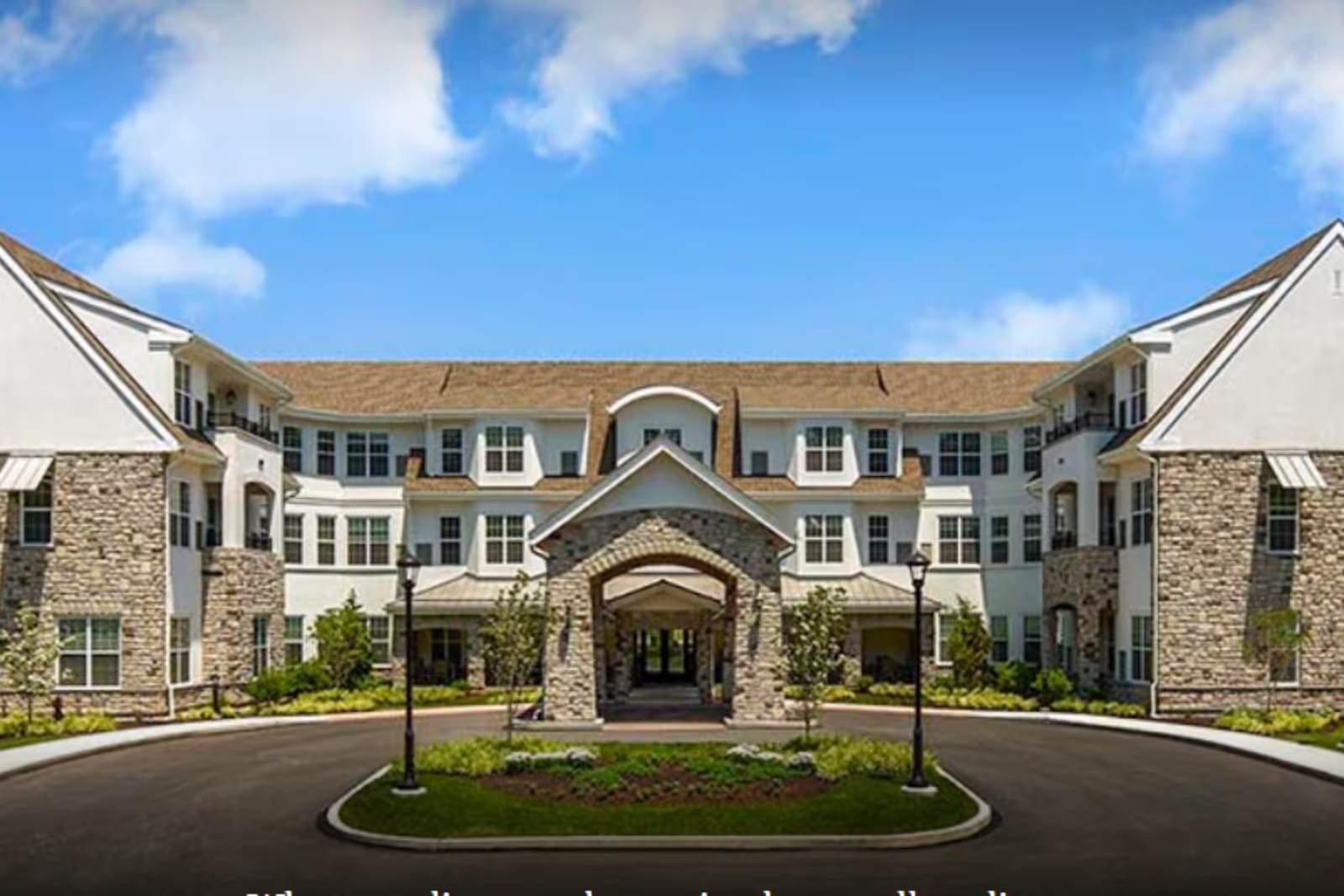
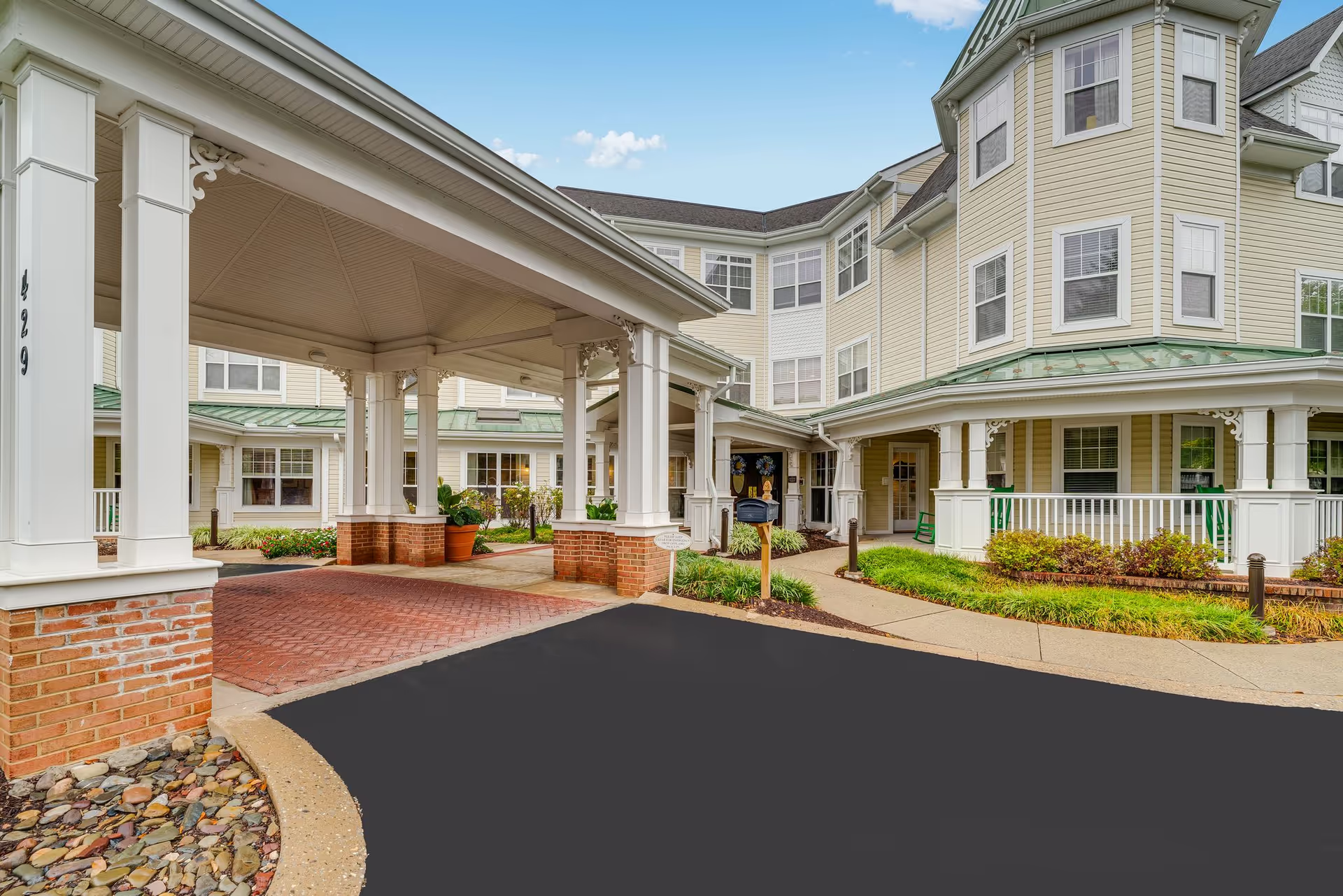
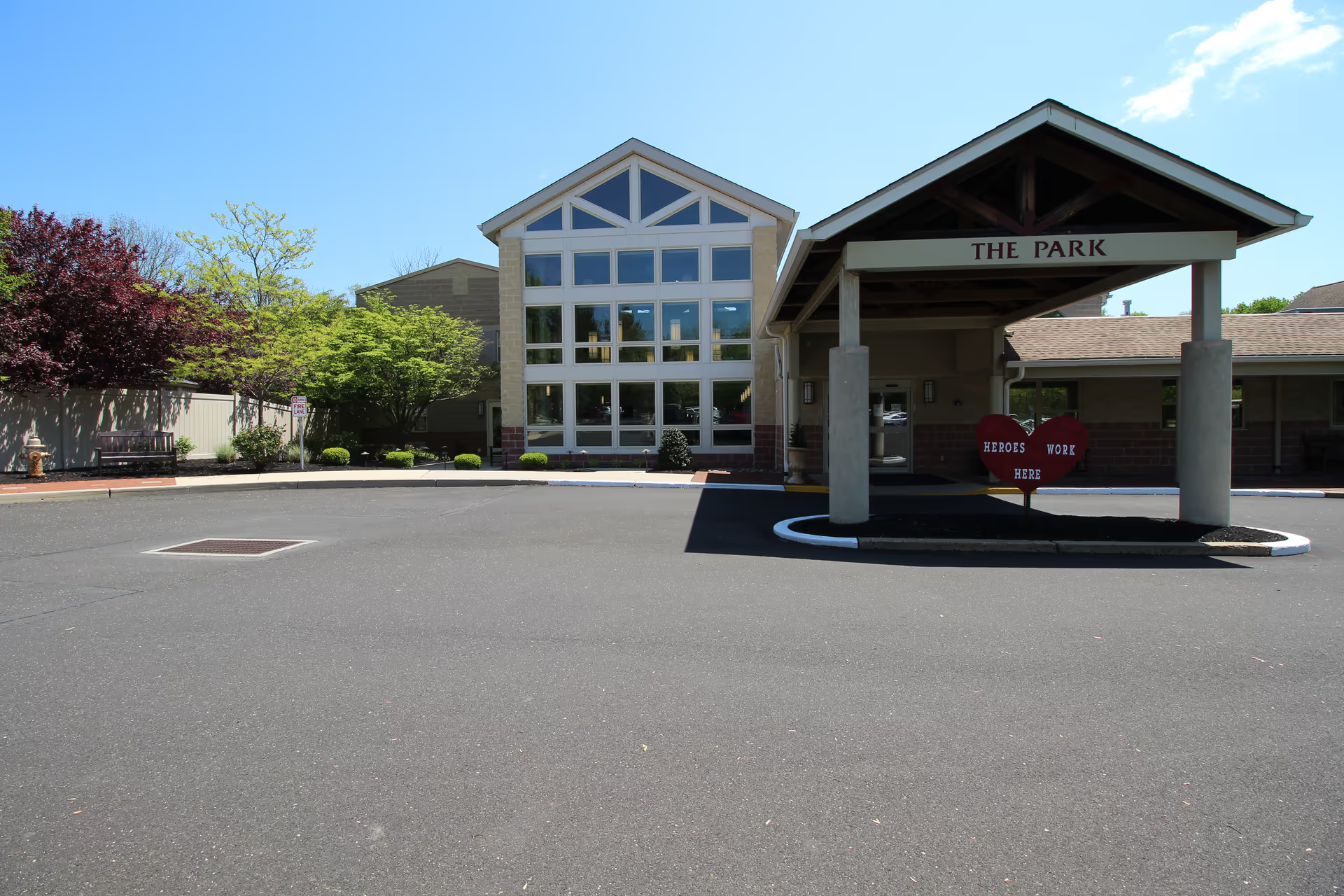
Facility and maintenance observations are mixed. The building’s historic character, private outdoor spaces, secure porches, and well-kept common areas receive consistent praise. However, reviewers also noted aging-building issues such as uneven floors, dated areas, occasional musty odors, and variable room-level cleanliness. A small number of comments referenced pest-control concerns in specific areas. Maintenance and housekeeping staff are otherwise described as helpful and responsive, but families may wish to inspect individual rooms and ask about recent pest-control and housekeeping protocols.
Management and operations show both advantages and risks. Wyncote’s all-inclusive pricing and a comprehensive memory-care focus are viewed as good value by many families. Contrastingly, management turnover, inconsistent administrative availability, limited visiting-hour flexibility, and instances of understaffing were raised as operational vulnerabilities. A few reviewers described poor communication and delays in clinical escalation (including hospice responsiveness) in critical situations. Prospective families should ask direct questions about staffing ratios, on-call clinical protocols, medication administration and documentation practices, financial refund policies, visiting rules, and recent turnover in leadership or activity staff.
Overall, Wyncote Place offers many attributes attractive to families seeking specialized memory care—professional, compassionate staff; structured, tailored activities; physical security; and a community-oriented environment. However, recurring patterns around clinical consistency, administrative reliability, and operational continuity are important considerations. Visitors are advised to tour multiple times, review staffing and clinical protocols in writing, verify financial and billing procedures, and speak with current family members when possible to assess how the facility’s strengths are sustained day to day.