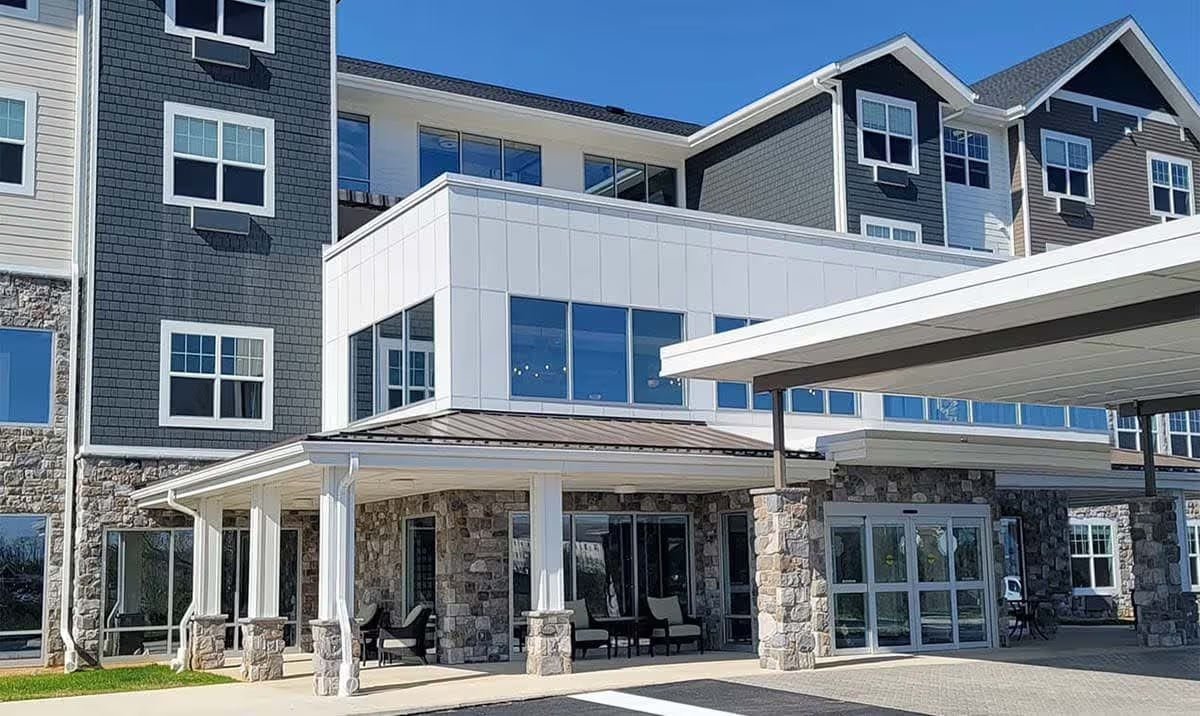
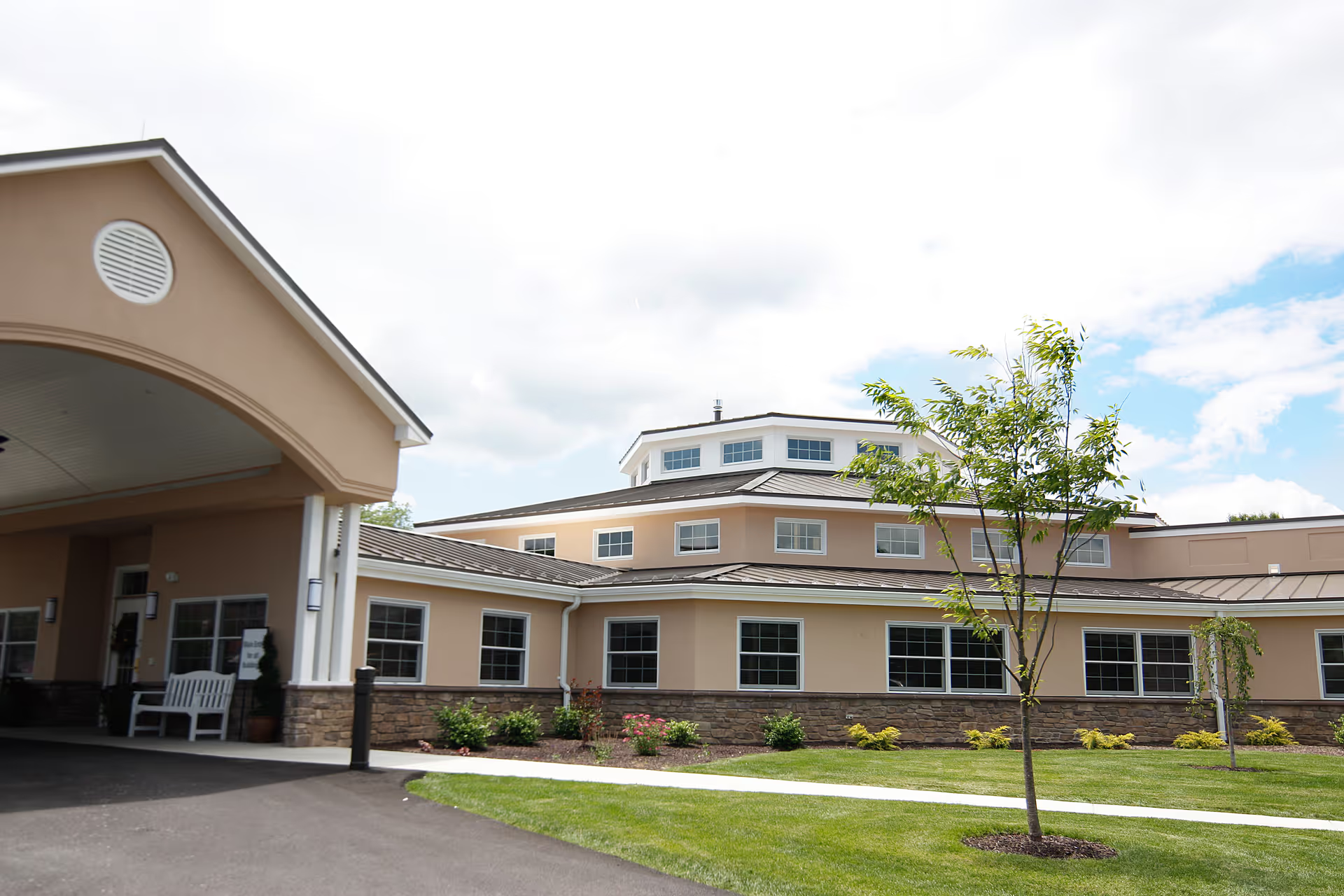
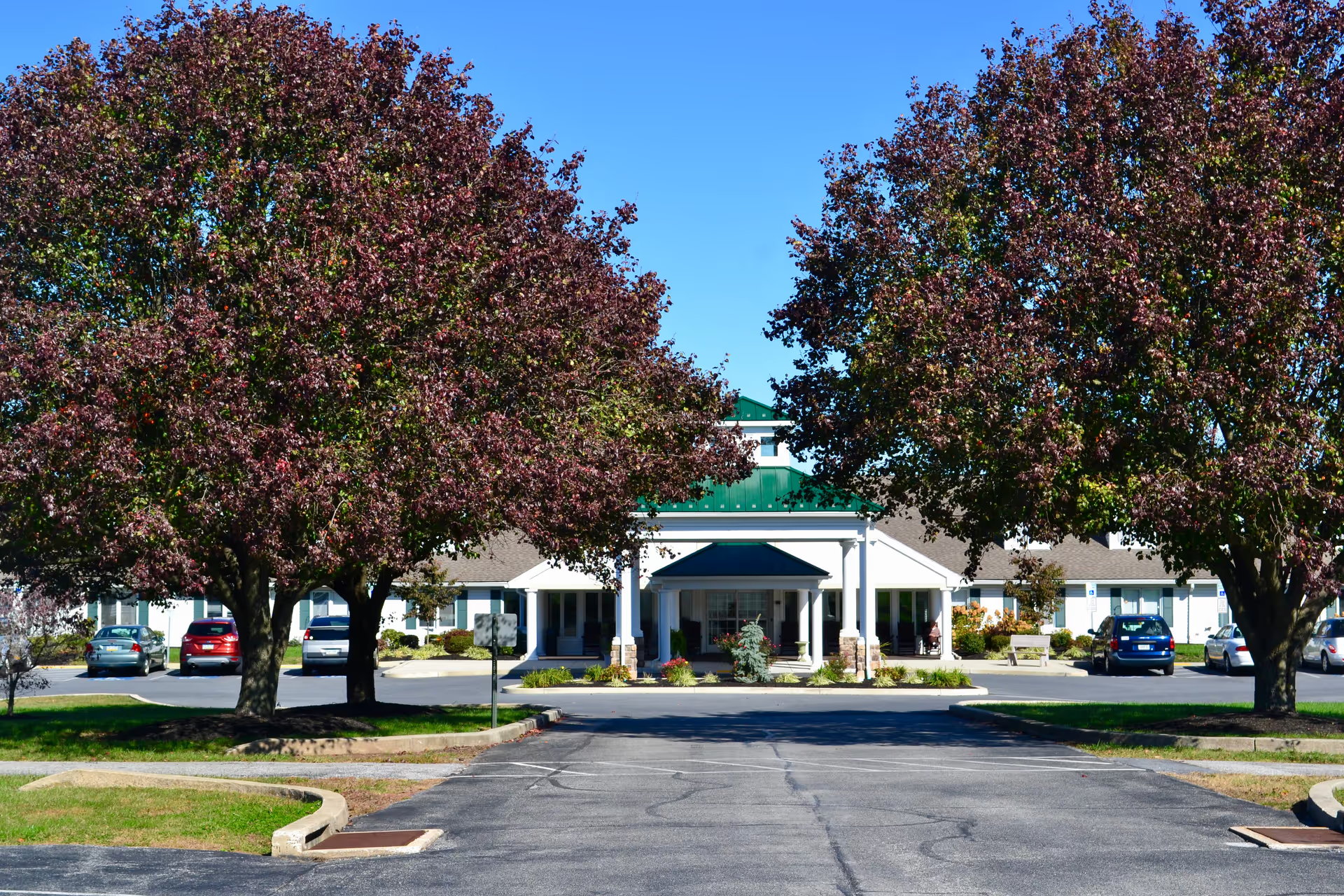
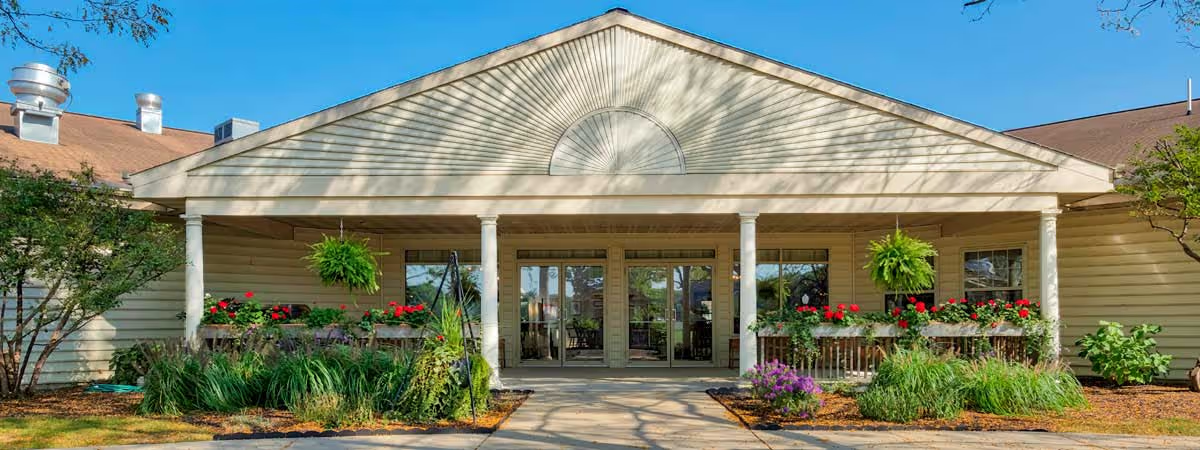
Seaton Springwood presents a mixed but instructive picture for prospective residents and families. Many reviewers highlight the facility’s strengths: a bright, modern building with clean, well‑maintained common areas; a restaurant‑style dining room with chef‑prepared meals; and a broad activities program that includes live music, themed events, bus trips and fitness offerings. Families frequently praise the caregiving staff as compassionate and attentive, noting staff who know residents by name and who provide regular housekeeping, social engagement, and rehabilitation services. Safety features such as Wanderguard/GPS are cited positively, and several accounts describe successful admissions experiences supported by placement partners and a helpful sales team.
At the same time, recurring operational weaknesses appear in the reviews and merit attention. Staffing levels are described as inconsistent, with short‑staffing linked to delayed responses to calls, missed routine care tasks, and constrained weekend programming. Several reviews describe medication delays and lapses in clinical incident response; these items together suggest gaps in medication‑management processes and emergency escalation protocols. Family communication is another frequent concern: reviewers report delayed or absent notifications for medication changes, hospital transfers, and other care transitions, and some describe frustration with how level‑of‑care changes are handled between assisted living and memory care.
Dining and activities are generally strengths but with variability. Many residents enjoy the food, the dining atmosphere, and special meals; however, some accounts describe inconsistent food quality, limited condiment/meal personalization at times, and an occasional reliance on pre‑prepared items. The activities program is broad and well‑staffed in the assisted‑living areas, with frequent outings and themed events, but memory‑care programming and weekend activity levels are described as more limited in some units.
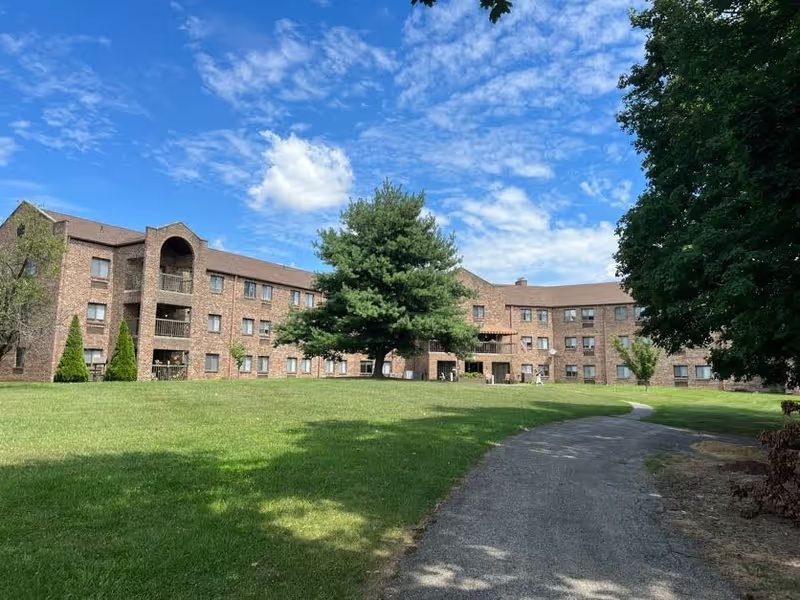
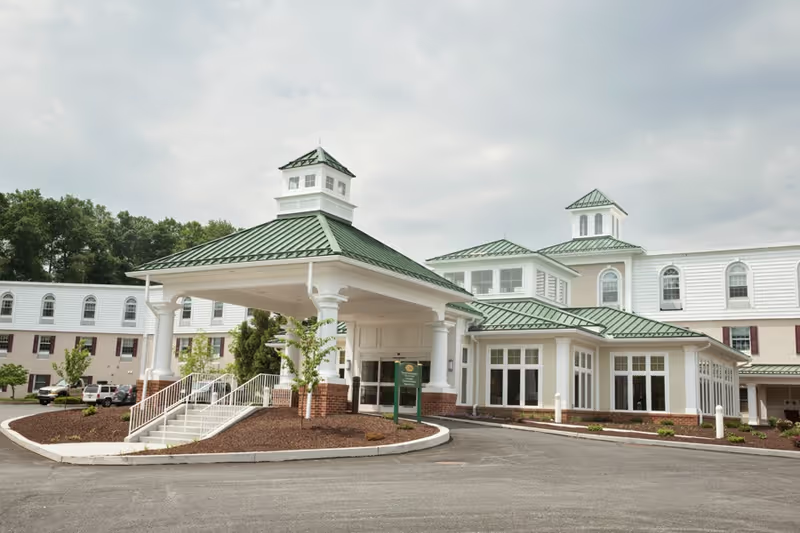
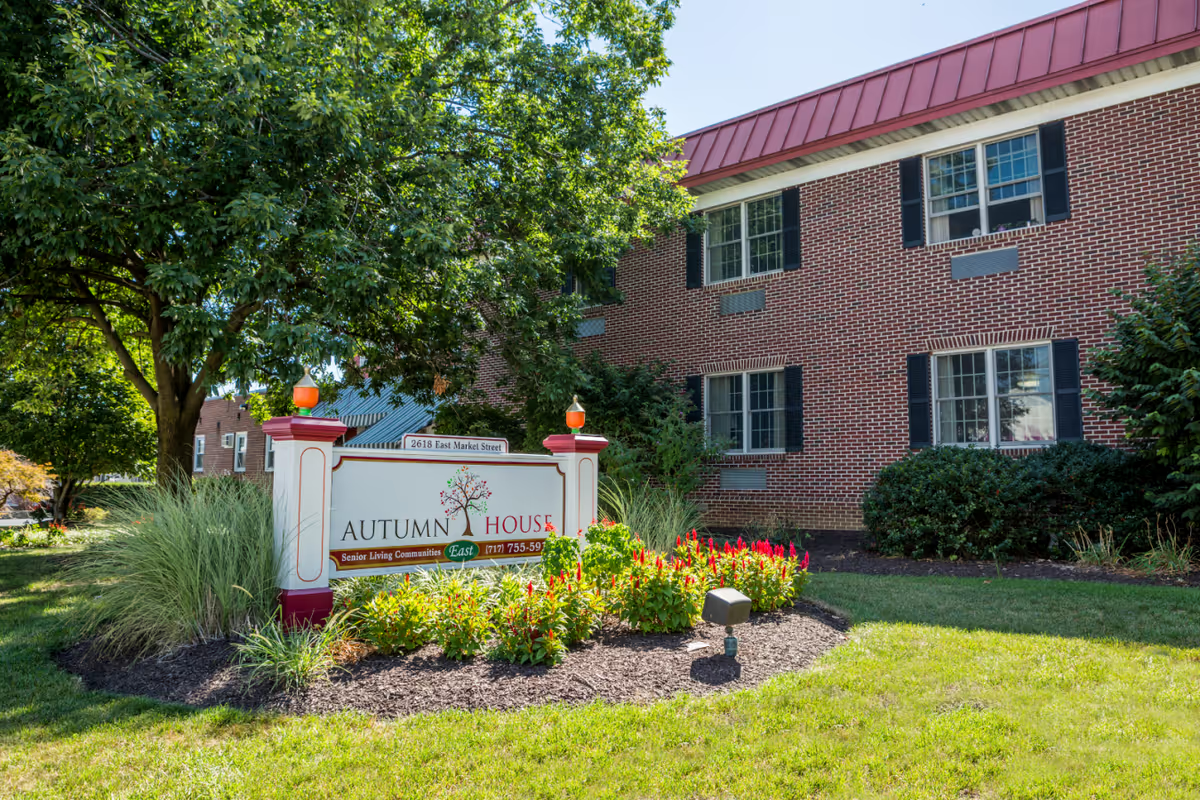
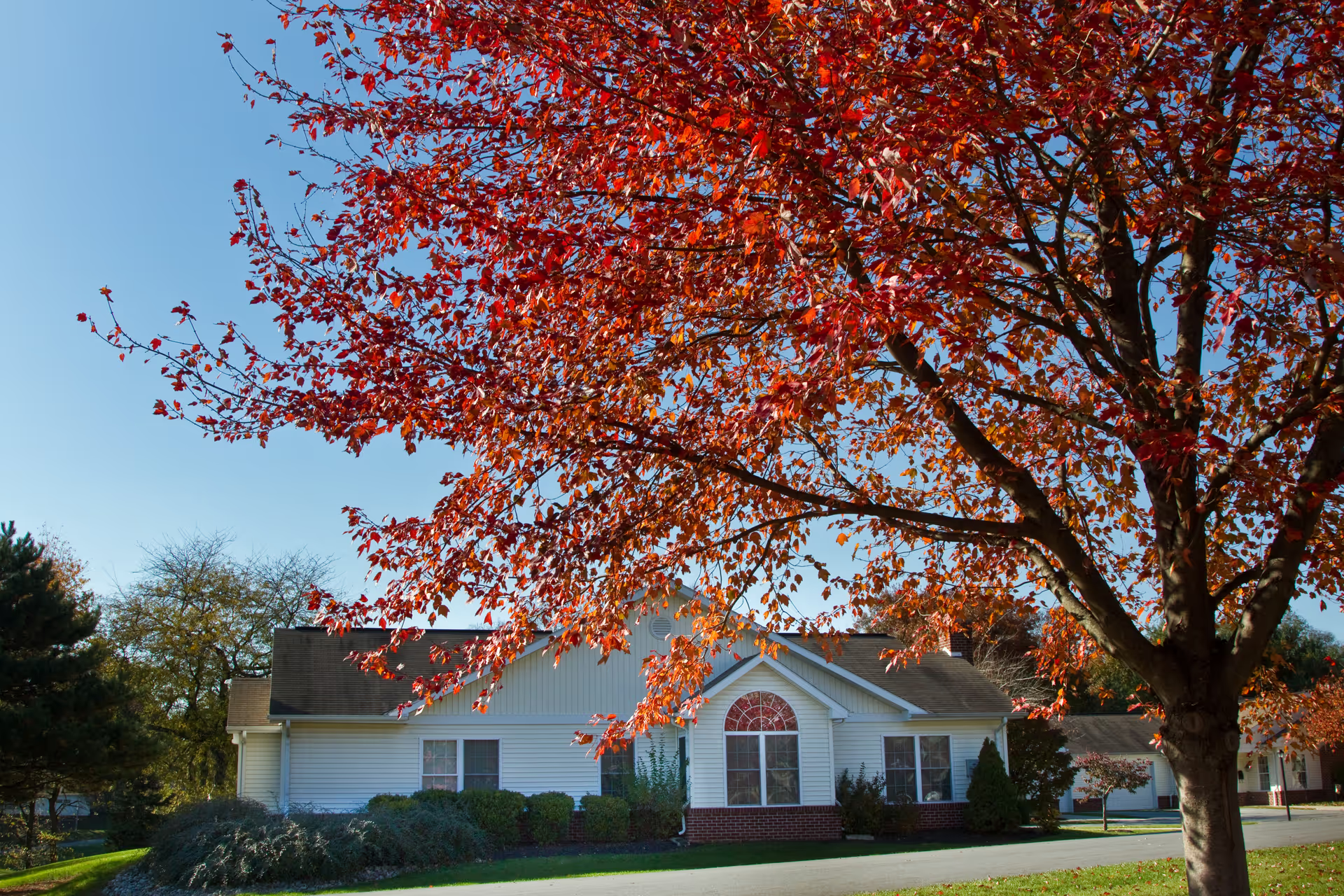
Facility design and maintenance attract praise for airy, hotel‑like public spaces and large bathrooms in many apartments. Conversely, a subset of reviews note confusing layouts, inconsistent seating in common areas, and unit‑level maintenance lapses. Memory‑care unit design and staffing are called out repeatedly as a weaker area: reviewers cite smaller, darker spaces and fewer visible activities compared with the broader community.
Management and administrative practice are areas of polarized feedback. Several families commend individual leaders and frontline teams for responsiveness and personal attention; others describe delayed callbacks, disputed billing, unclear contract or fee communication, and at least one allegation of theft and financial misconduct. Admission processes are sometimes described as high‑pressure or insufficiently rigorous around care‑level screening, which has led to subsequent transfers or short stays for some residents. A few reviews also raised concerns about end‑of‑life care coordination and timely clinical responses in hospice situations.
Overall, Seaton Springwood may be a strong fit for individuals seeking an active, social community with robust dining and visible caregiving staff, provided families confirm operational details up front. Prospective families should prioritize on‑site checks of current staffing levels, medication‑administration protocols, weekend and memory‑care activity schedules, and written billing/fee policies. Visiting the memory‑care unit during activity hours and asking for recent quality or inspection summaries can help assess whether clinical coordination and leadership responsiveness meet a specific resident’s needs.