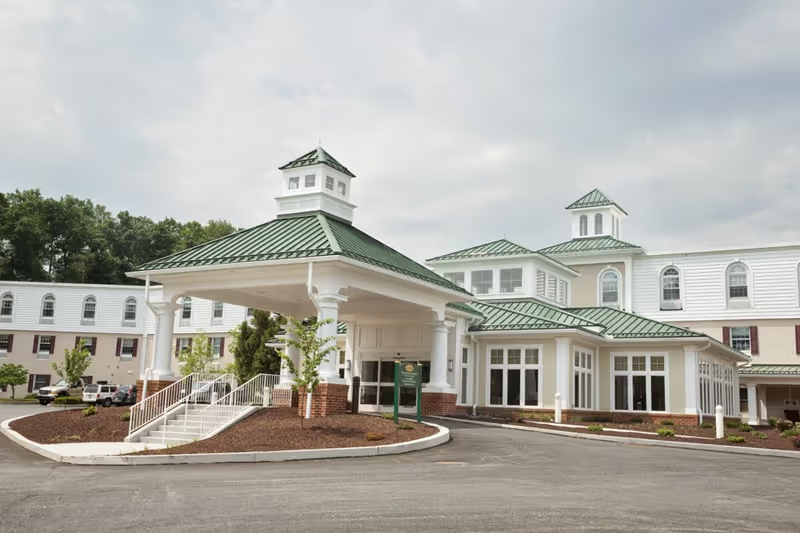
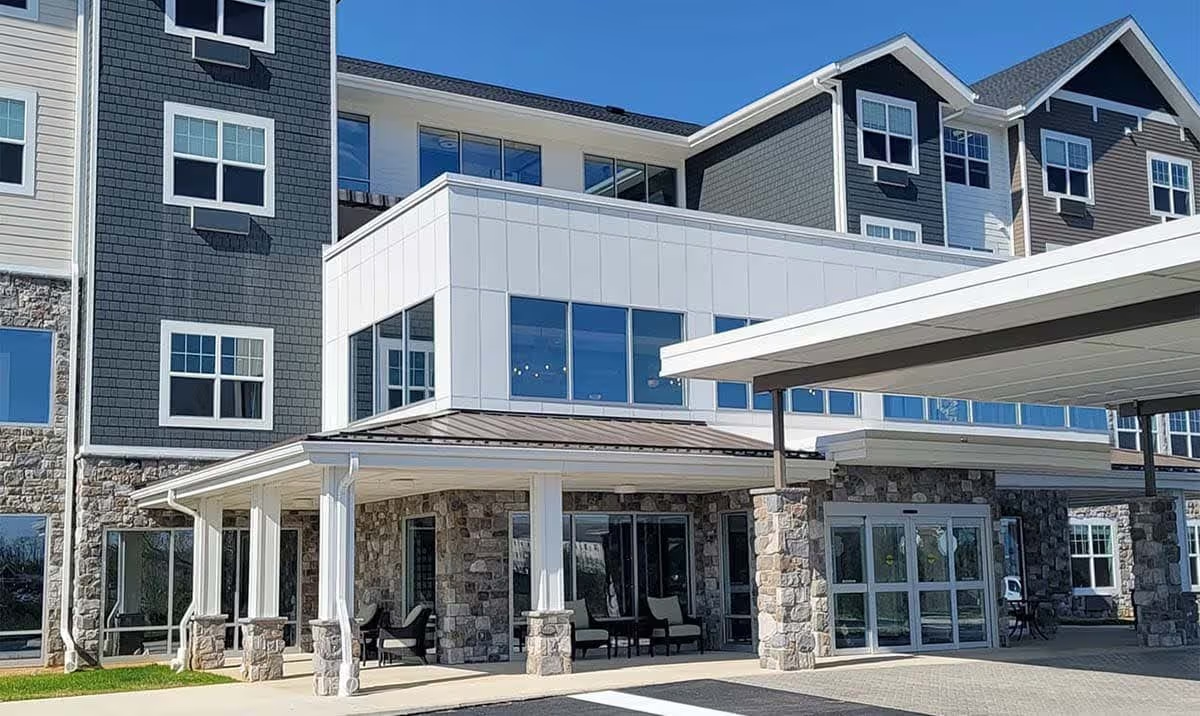
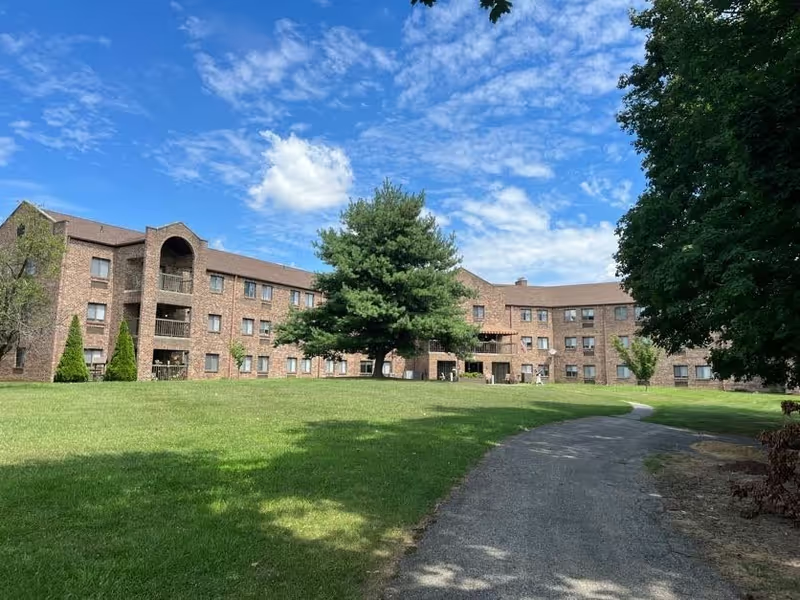
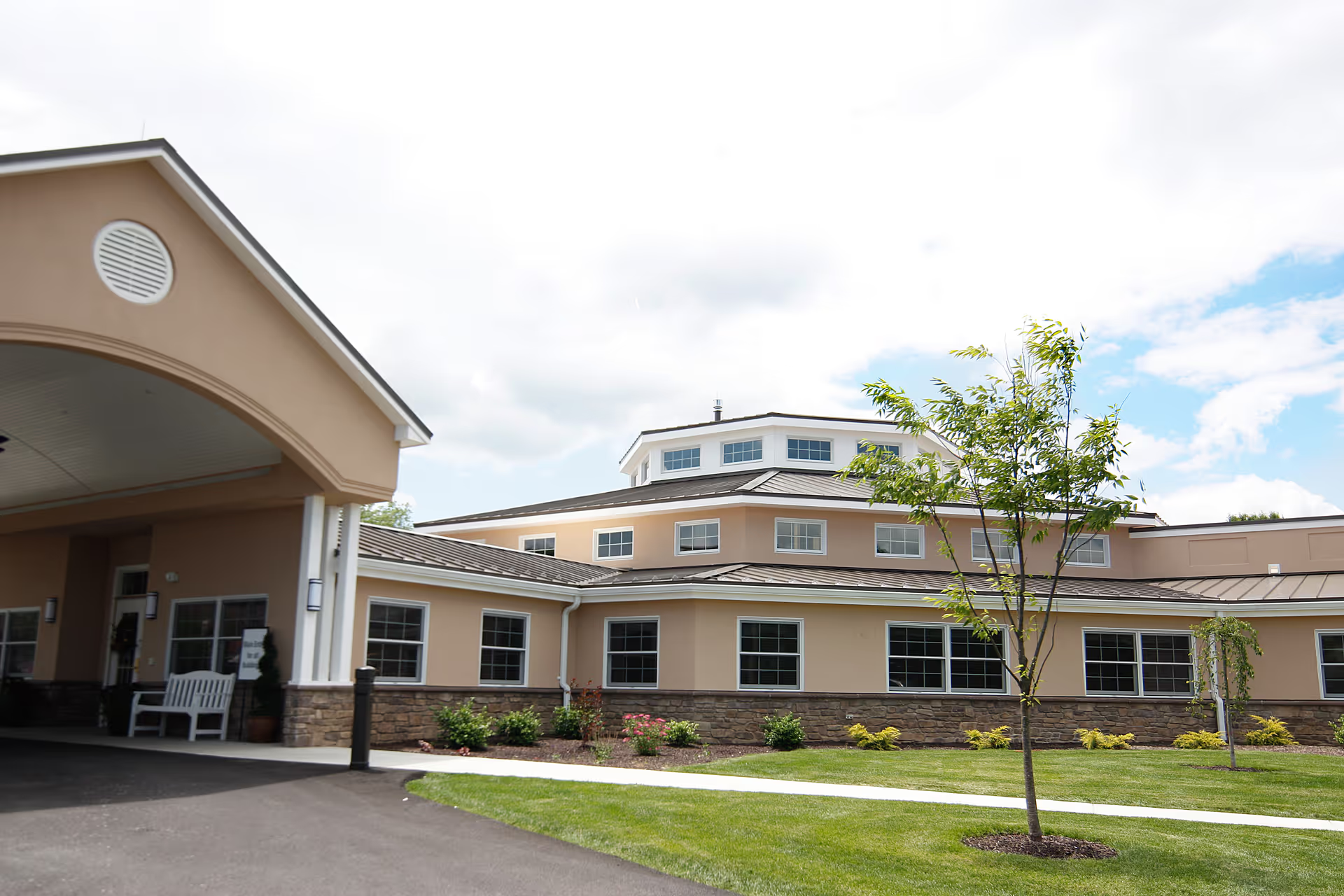
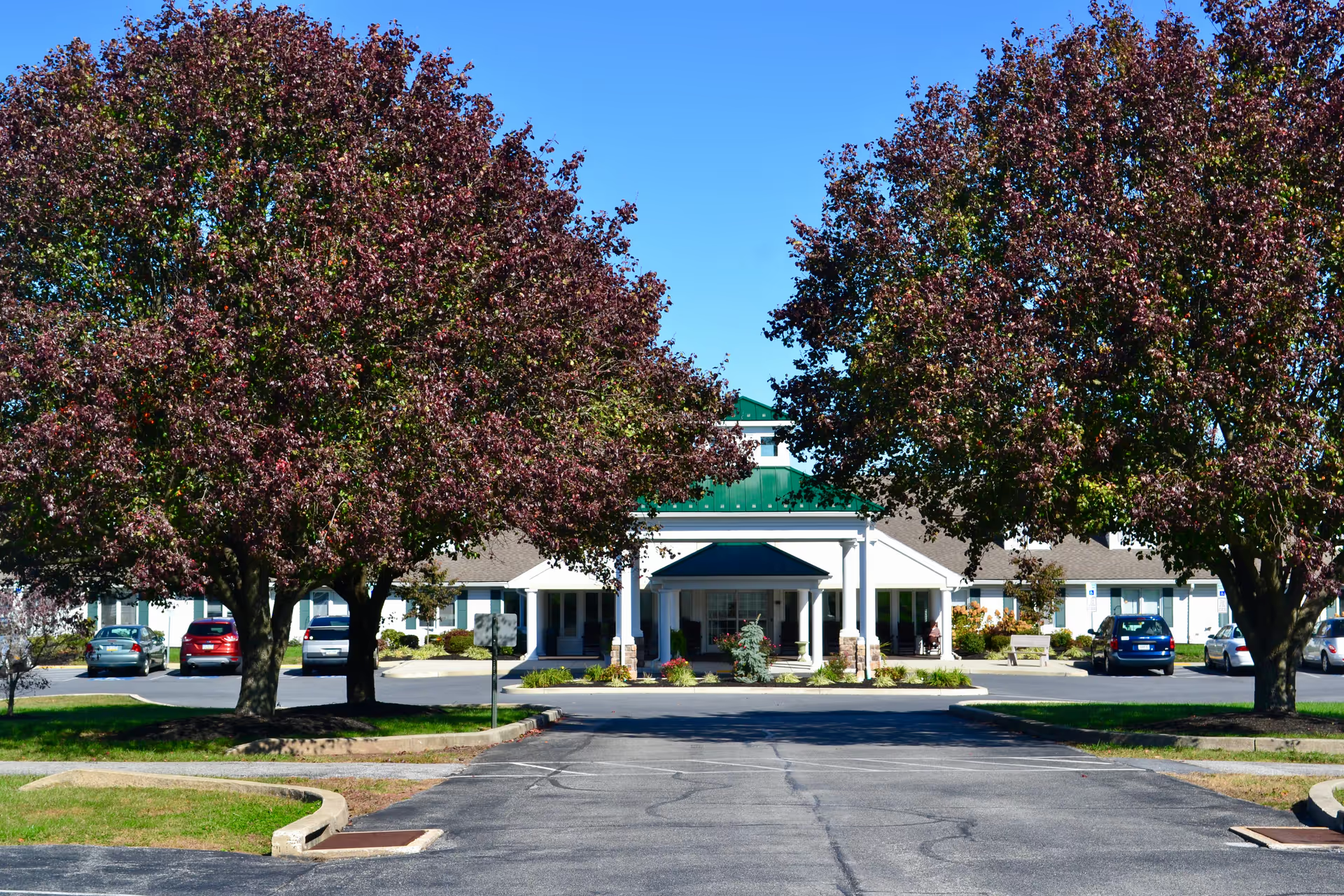
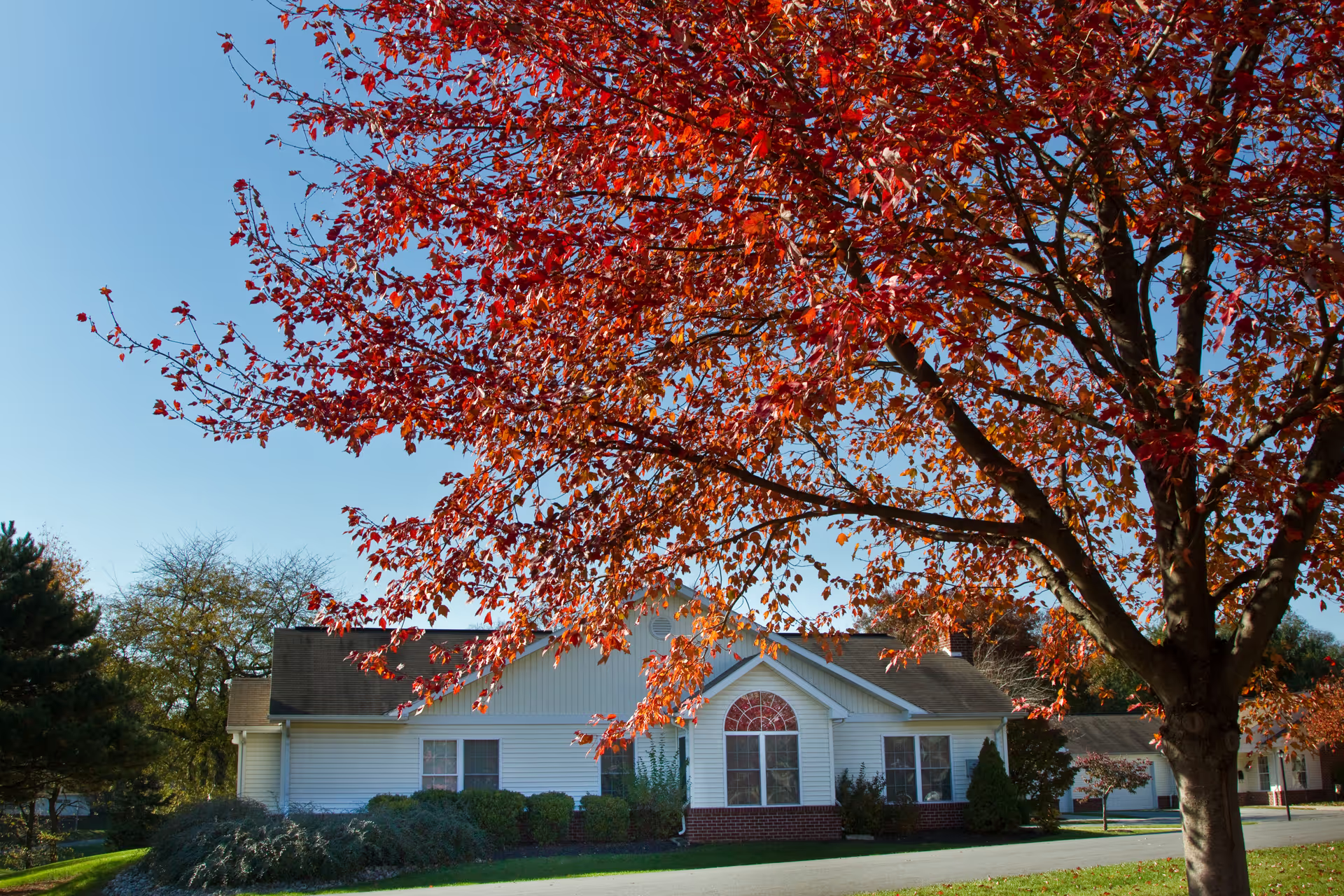
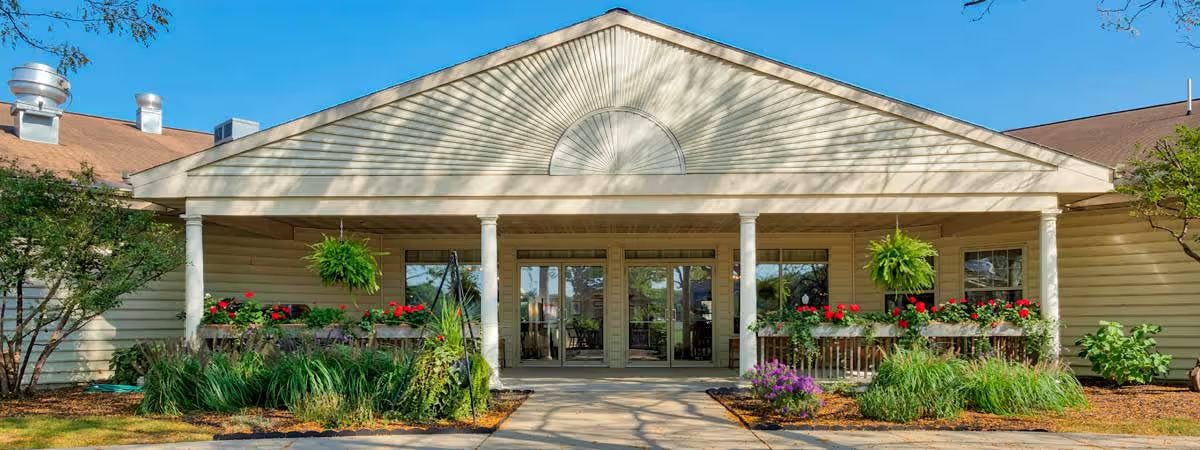
Senior Commons at Powder Mill is frequently described as a warm, well-maintained community with many strengths for independent-living and lower-assistance residents. Consistent positive points across descriptions include compassionate, resident-centered staff; a broad and active programming calendar (bingo, music, exercise, outings, therapy animals); multiple dining venues with attentive service; and a variety of apartment types including kitchenettes and in-unit laundry options. The physical plant is repeatedly characterized as clean and welcoming with a single-floor layout that many residents and families find easy to navigate, along with convenient on-site amenities such as a salon, visiting clinicians, and transportation services.
Staff are the most commonly cited strength: reviewers note staff who form close, supportive relationships with residents, greet people by name, and provide personalized onboarding and move-in assistance. Several accounts describe strong end-of-life and hospice support, proactive care coordination, and an activities team that fosters social engagement and camaraderie. Families also appreciate the community’s location near medical providers and shopping, the pet-friendly policy, and the presence of in-house therapy and rehabilitation options.
At the same time, there are recurring operational concerns that prospective families should evaluate. Clinical oversight and medication management are the most frequently mentioned weaknesses: reviewers describe medication-administration inconsistencies, delays in obtaining or administering orders, and processes that rely on medication technicians rather than nurse supervision. After-hours clinical coverage and overnight staffing are sometimes described as limited, and several reviews describe slow responses to call-buttons and gaps in timely assistance. These issues translate into an uneven care experience for residents who require higher levels of clinical support.
Memory care emerges as a notable area of concern in multiple accounts. Reviewers report gaps in dementia-specific training, supervision, and behavioral management; some families advised caution when considering memory-care placement without confirming robust 24/7 clinical staffing and supervision. A few serious incidents in the memory-care unit prompted regulatory attention, and families should ask the community directly about current staffing ratios, clinical leadership, incident response protocols, and any corrective actions taken.
Housekeeping and personal-care consistency are mixed. While many describe the facility as very clean and well-maintained, other accounts point to variable housekeeping, missed linen or towel exchanges, delayed bathing schedules, and occasional odor concerns in specific areas. Laundry handling and the tracking of residents’ personal belongings are also cited as operational pain points. Dining quality is generally highlighted as a strength (with attentive kitchen and dining staff and balanced menus), but food quality and consistency are reported to have declined for some after the pandemic; several families mention issues with seasoning or variability across meals.
Management experience varies by reviewer. Some families describe responsive, hands-on administrators who resolve move-in issues quickly and maintain open communication; others report frequent leadership turnover, billing or deposit-processing disputes, marketing pressure during the admission process, and uneven responsiveness to complaints. Staffing shortages and turnover are recurrent themes that intersect with the clinical and housekeeping concerns noted above.
Bottom line: Senior Commons at Powder Mill offers a strong social environment, well-regarded staff relationships, varied amenities, and a robust activities and dining program — features that align well with independent living and residents who need modest assistance. Families considering higher levels of care, particularly memory care or residents with complex medication needs, should perform focused due diligence: review current staffing ratios and nurse supervision, inspect medication-management protocols, request documentation of any regulatory actions and corrective plans, and confirm how the community handles after-hours coverage, housekeeping standards, and personal-belonging safeguards. This will help determine whether the community’s strengths align with a particular resident’s clinical and safety needs.