The reviews present a mixed but distinct pattern: many families and clinicians praise PruittHealth - Aiken for its rehabilitation outcomes, engaged therapy teams, and a number of compassionate front-line caregivers, while others describe operational weaknesses that have direct effects on resident experience and clinical reliability.
Care quality is polarized. Positive accounts highlight effective short-term rehab (PT/OT/Speech), attentive nursing during certain shifts, reliable pain and mobility management, and outcomes that allowed residents to return home. Conversely, several narratives describe lapses in clinical follow-up: delayed antibiotic administration, inconsistent PICC-line and wound-dressing attention, missed laboratory orders, and medication-administration gaps. These items point to systemic issues in clinical workflow and escalation rather than isolated bedside technique alone.
Staffing and staff conduct form a central theme. Multiple reviews commend individual CNAs, therapists, maintenance personnel, and some nurses for compassion, continuity, and hands-on leadership. At the same time, pervasive comments about understaffing, slow bell responses, and staff fatigue suggest staffing levels and scheduling may not consistently meet resident needs. Reports of variable interpersonal communication — from warm, transparent interactions to curt or unprofessional phone manners — indicate uneven training or oversight in resident/family communication.
Dining and activities are generally strengths but inconsistent. Many families note nutritious, attractive meals and a diverse activity calendar (music, bingo, dance, supervised outdoor access). Other reviews cite late or cold meal service and unchanged menus in some units. Activity programming appears robust overall, contributing positively to resident engagement, though implementation may vary by unit or shift.
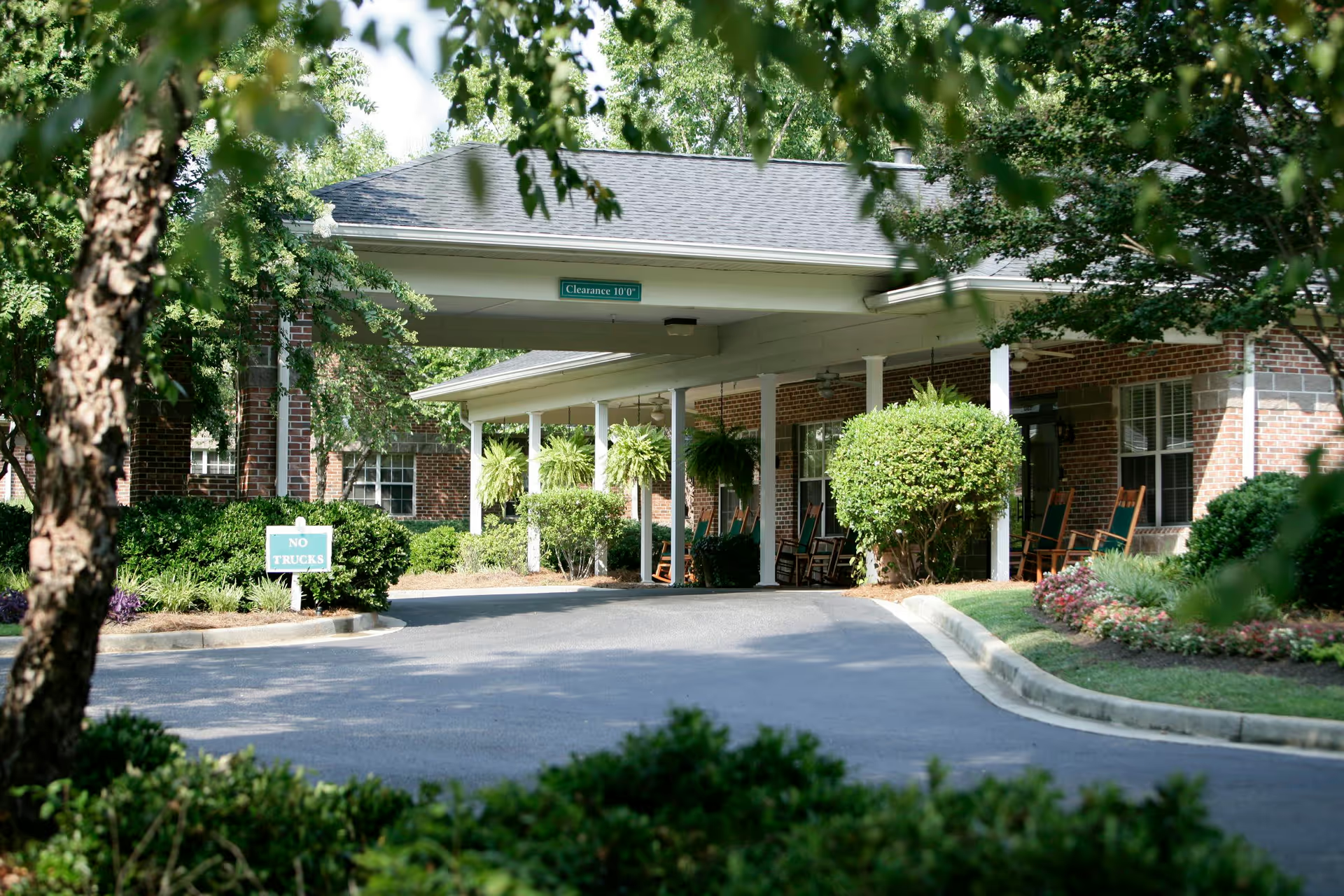
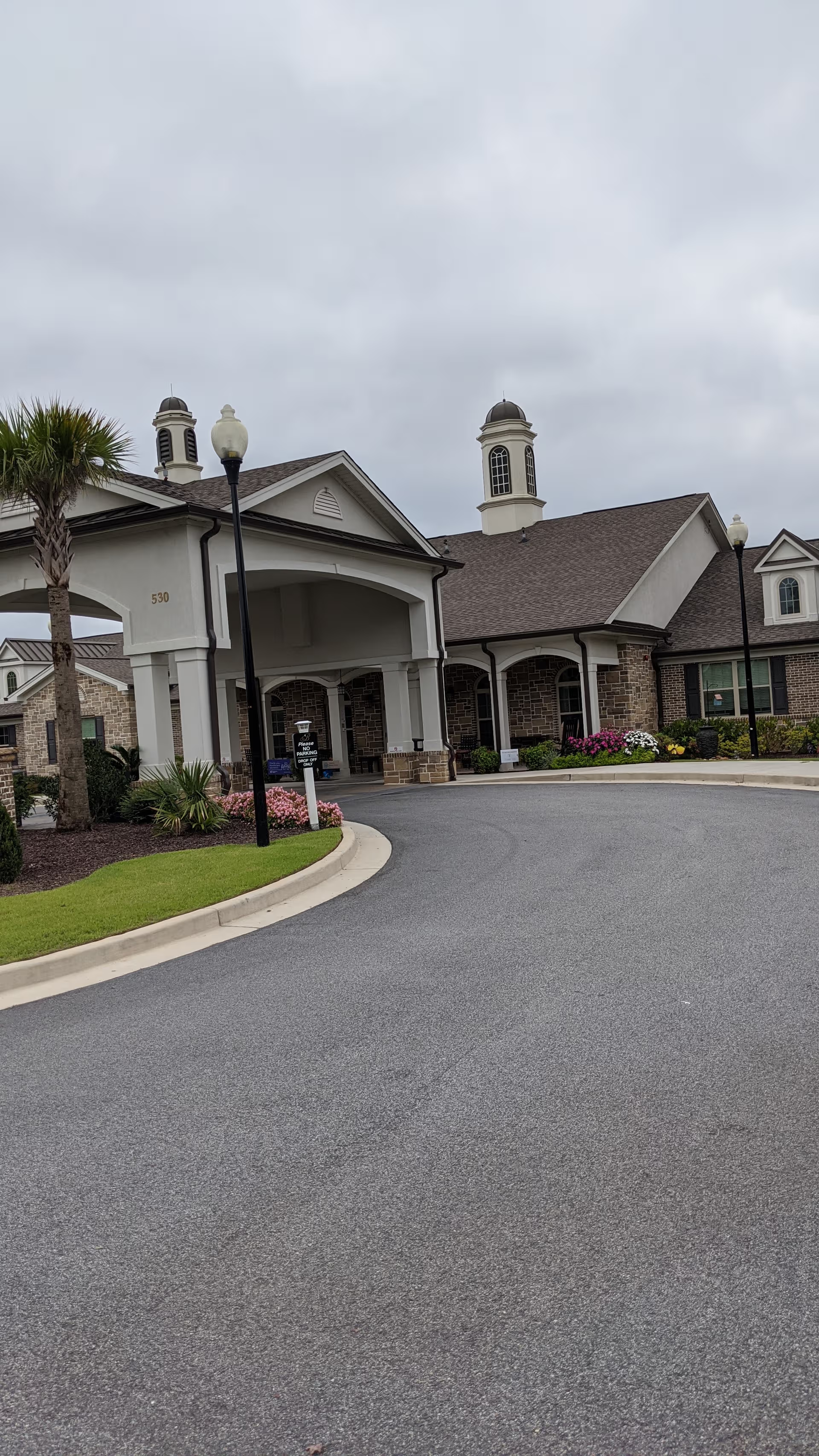
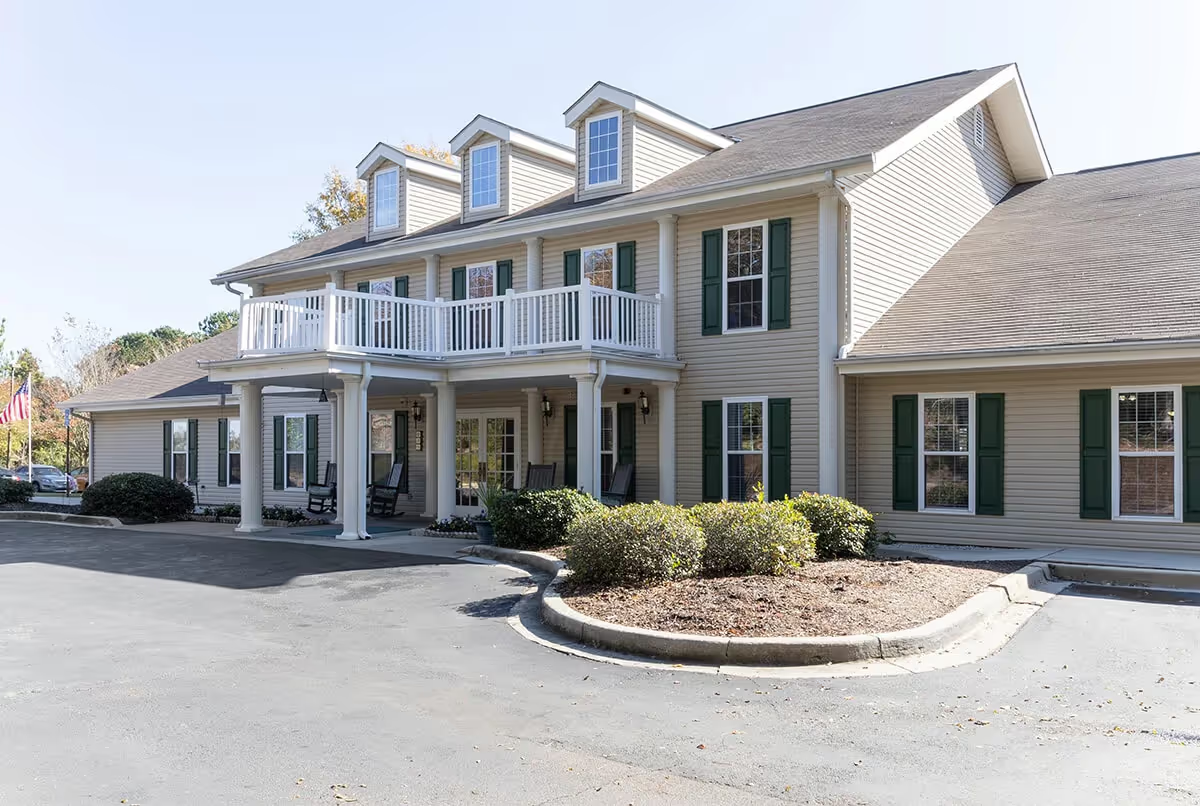
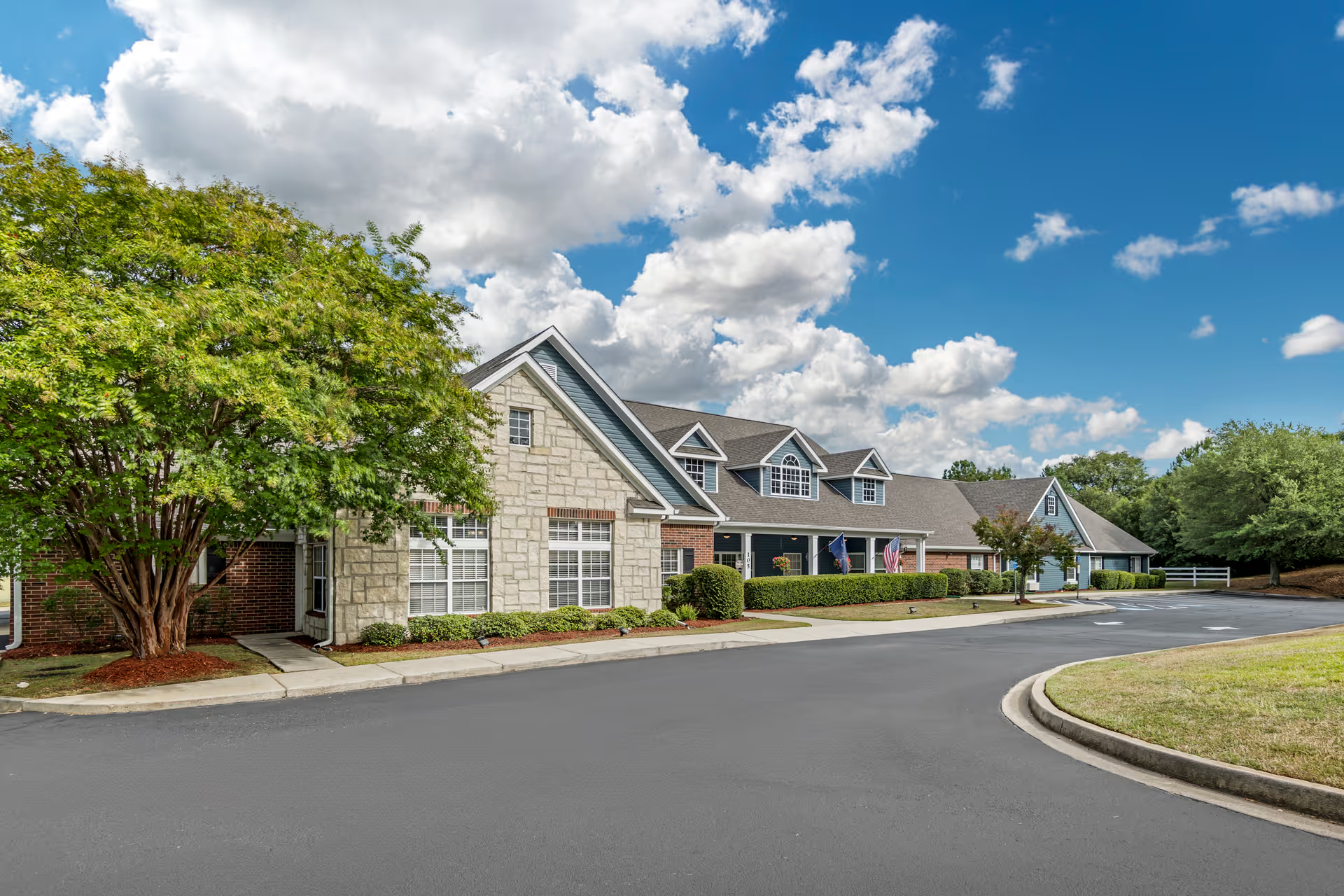
Facility condition comments are mixed. Numerous reviews describe clean, recently renovated interiors, attentive maintenance, and pleasant common spaces. Opposing accounts point to sanitation concerns and odor-control failures in particular areas, malfunctioning doors or maintenance items, and pest-control or cleanliness lapses that require attention. Laundry and property-management problems — missing clothing, delayed laundering, and instances described as unauthorized disposal of items — also recur and suggest weaknesses in inventory and chain-of-custody processes.
Management and operations show variability. Several reviews praise active, involved leadership and responsive administrators; others describe limited administrator availability, inconsistent policy enforcement, and calls for a professionally experienced operational manager. Communication and transparency around clinical incidents, billing, and medical-record access have been identified as areas needing improvement. There are also mentions of serious individual claims (including allegations of unauthorized disposal of belongings and medication irregularities) that families expect the provider and regulators to address through formal processes.
Overall pattern: experiences at this facility are highly variable across shifts, units, and individual staff. Strengths include strong rehabilitation services, dedicated front-line caregivers, engaging activities, and some well-run operational areas. Primary risks for prospective residents and families are inconsistent staffing, lapses in medication and clinical escalation processes, sanitation and property-management gaps, and uneven communication from management. Those considering placement should weigh the facility’s rehabilitation and activity strengths against these operational concerns, ask detailed questions about staffing ratios, medication and escalation protocols, property/laundry controls, infection-prevention procedures, and observe care during multiple shifts if possible.