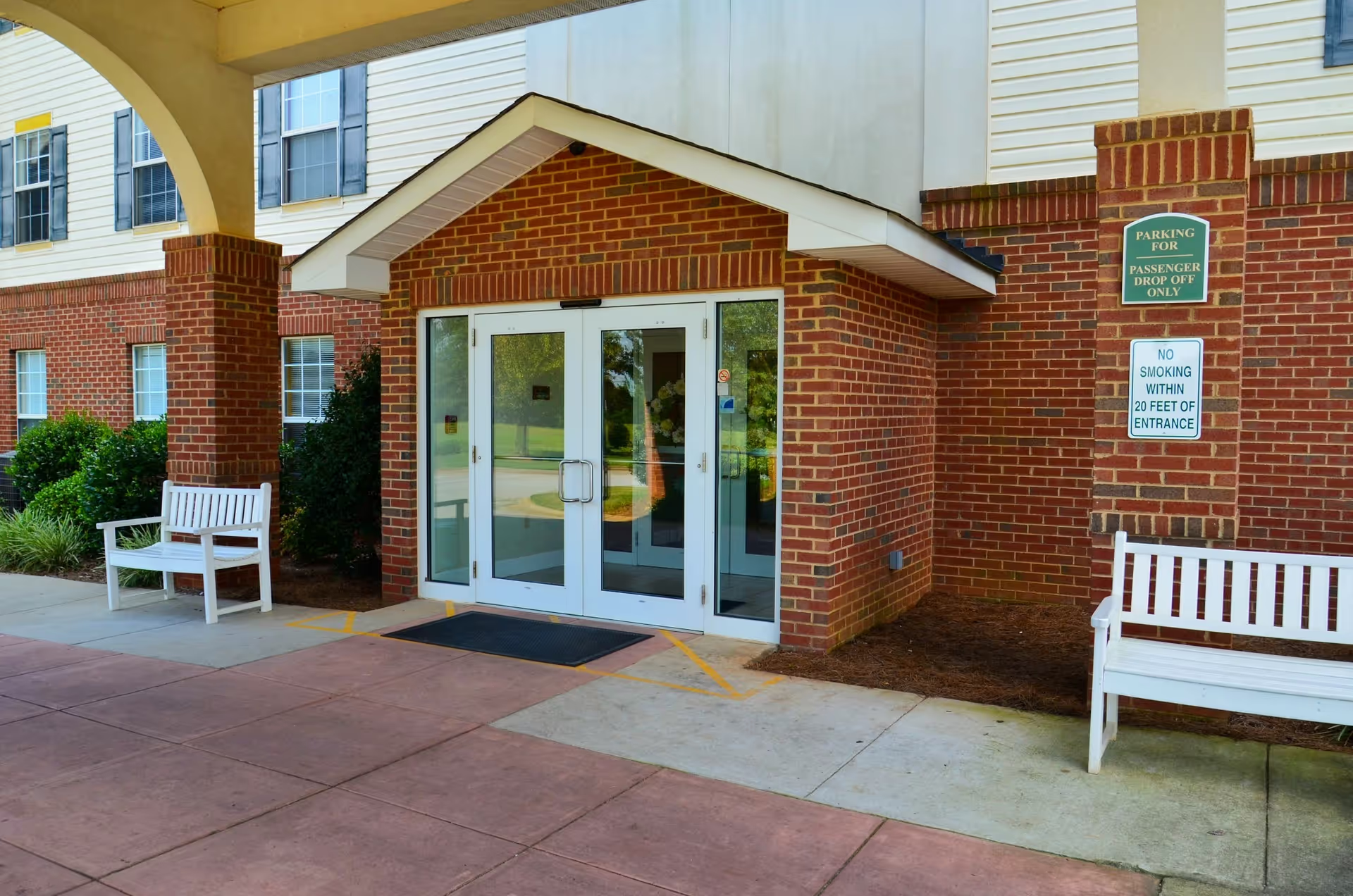
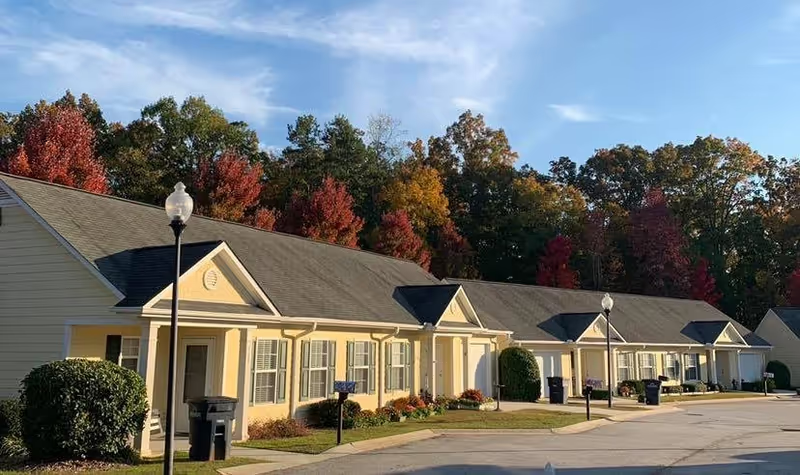
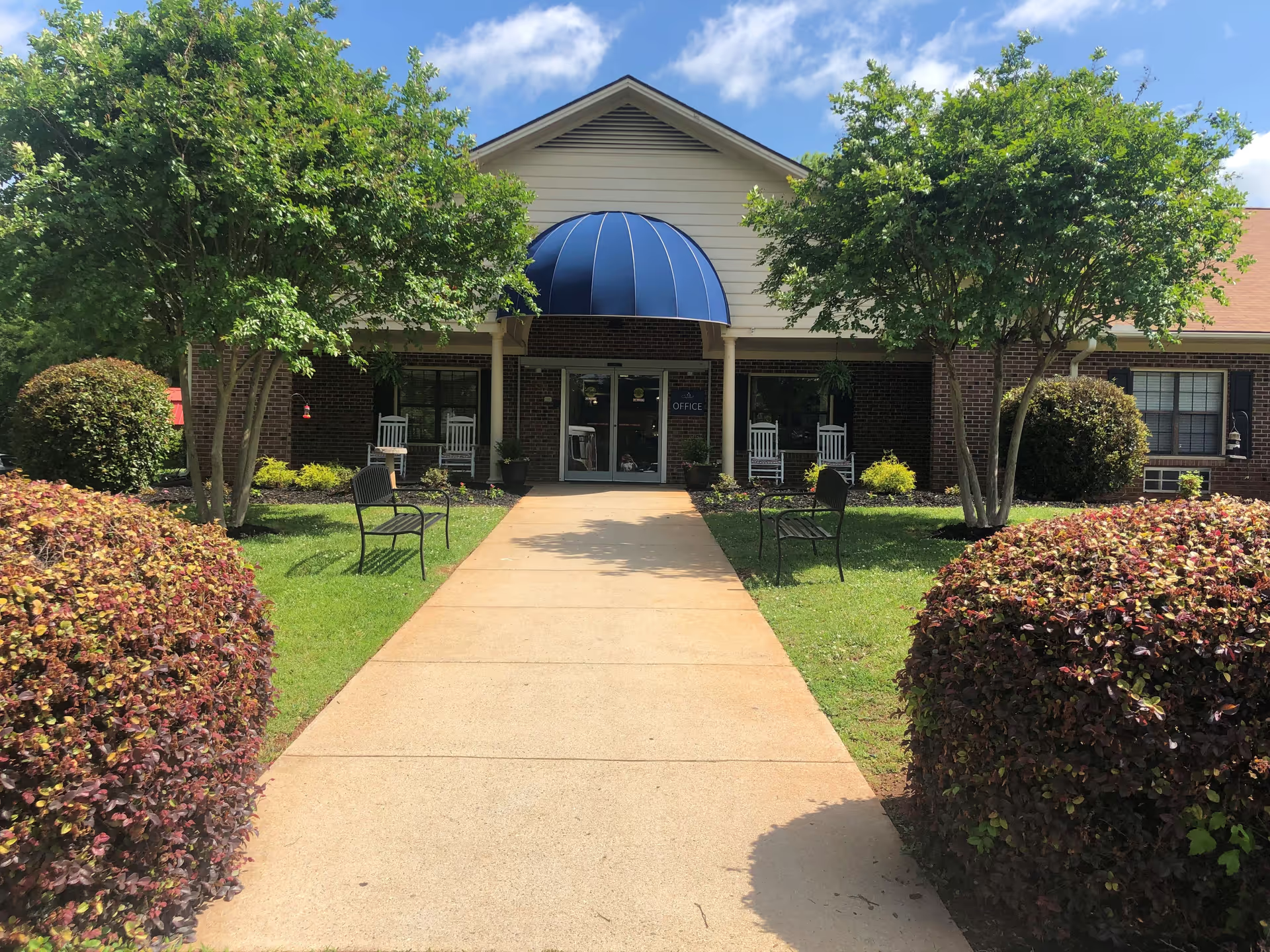
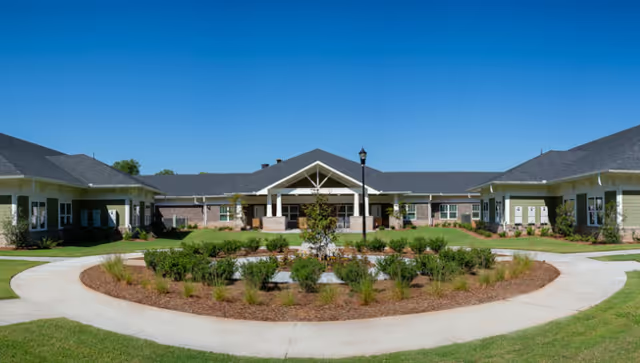
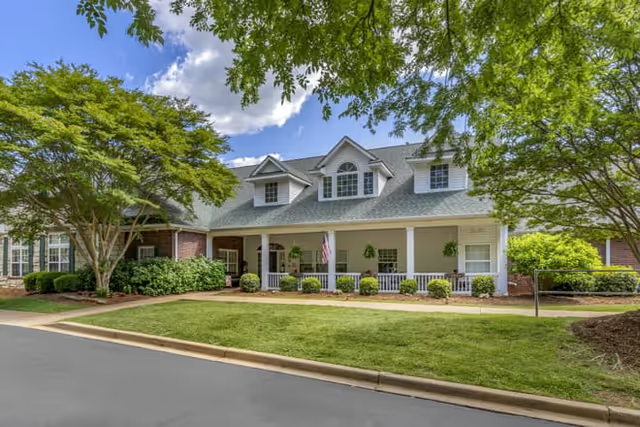
Dominion Senior Living of Anderson receives extensive praise for its staff, physical environment, and program offerings. Many families describe the staff as compassionate and engaged, creating a family-like culture that emphasizes resident dignity and relationship-building. The community is described as new and well maintained, with attractive, clean interiors, large common areas, courtyards and outdoor seating that support socialization and resident comfort. The facility’s faith-based orientation is prominent: regular worship services and daily devotions are integrated into programming and are a core part of the community identity.
Programmatically, reviewers highlight a broad range of activities and social events — from bingo, cookouts, and gardening to visiting musicians and shopping outings — that contribute to an active daily life. On-site clinical supports such as therapy services and a clinical team are noted as strengths, and many families reported smooth transitions into the community with good medical oversight. Dining receives positive comments for quality and variety. Transportation to appointments and organized outings is also mentioned as a convenience that supports independence and family involvement.
Despite the strong positives, several operational concerns recur across the feedback. Cost and value perceptions vary: some families feel pricing is high relative to the services included and have had to arrange and pay for external caregivers for higher-dependency needs. There are reports suggesting variability in what clinical care is covered by the base fee, which can create unexpected out-of-pocket expenses. Security and placement practices for memory-care services are another area of concern; at least one review raised issues about the memory-care wing’s security and placement decisions, indicating a need to verify unit safeguards and admission criteria for residents with dementia-related needs.
Operationally, reviewers identified a handful of process and service gaps to investigate further when considering the community. These include inconsistent staff conduct during night shifts, limited assistance during move-in and transitions, and occasional delays in financial or refund processing. Smoking policy — specifically lack of a designated outdoor smoking area — has been noted as problematic for long-term smokers. Finally, pandemic-era visitation restrictions were mentioned historically; prospective families should confirm current visitation and infection-control policies.
Practical recommendations for prospective residents and families: confirm exactly which clinical services and levels of care are included in the contract and what would require private-pay caregivers; tour the memory-care unit to evaluate physical security and staffing patterns; ask about night-shift staffing, staff training, and how conduct concerns are handled; request written explanations of move-in assistance and refund timelines; and verify current visitation and smoking policies. Overall, the community is consistently praised for its caring culture, clean and attractive setting, and active spiritual and social life, but due diligence on care scope, financial terms, and memory-care safeguards is advisable before committing.