The Legacy of Camden elicits a mixed but largely positive set of impressions with clear strengths in person-centered caregiving and community life alongside notable operational concerns. Many family members and residents describe the staff as compassionate, patient, and skilled; they frequently emphasize a family‑like culture, individualized attention, and thorough onboarding and transition support for residents coming from rehab or hospital stays. Several reviewers singled out long-tenured team members, visible teamwork, and management responsiveness during admissions and special events, which contributes to a welcoming atmosphere and a smooth initial move‑in experience.
Care quality is perceived positively by many families: staff are routinely described as attentive, gentle with memory‑loss needs, and effective at fostering improved physical and emotional well‑being for residents. At the same time, reviewers raise operational concerns that affect clinical reliability. These include inconsistent responsiveness to call buttons and urgent needs, gaps in wound and skin‑care monitoring, and communication or continuity shortfalls across shift changes. Such issues suggest areas where clinical oversight, documentation, and handoff procedures may need strengthening to ensure consistent day‑to‑day care quality.
Dining and services are a feature of the community for many residents. The facility offers three meals a day with menu choices, special‑event meals, and options for visitors, and several reviewers praised the food and celebratory dining. However, there is a degree of variability in meal quality and consistency cited by others, along with intermittent lapses in housekeeping (for example, missed daily tidying or missed medication deliveries). Prospective families should inquire during a tour about current kitchen staffing and housekeeping protocols to understand how consistency is maintained.
Activities and social programming are a clear strength. The community runs a broad schedule of events, outings, music and entertainment, and themed meals that many residents find engaging and beneficial to their social life. Reviewers frequently noted regular outings, bingo and group activities, and the sense that the community fosters friendships and routine engagement — aspects that supported residents’ improved mood and activity levels.
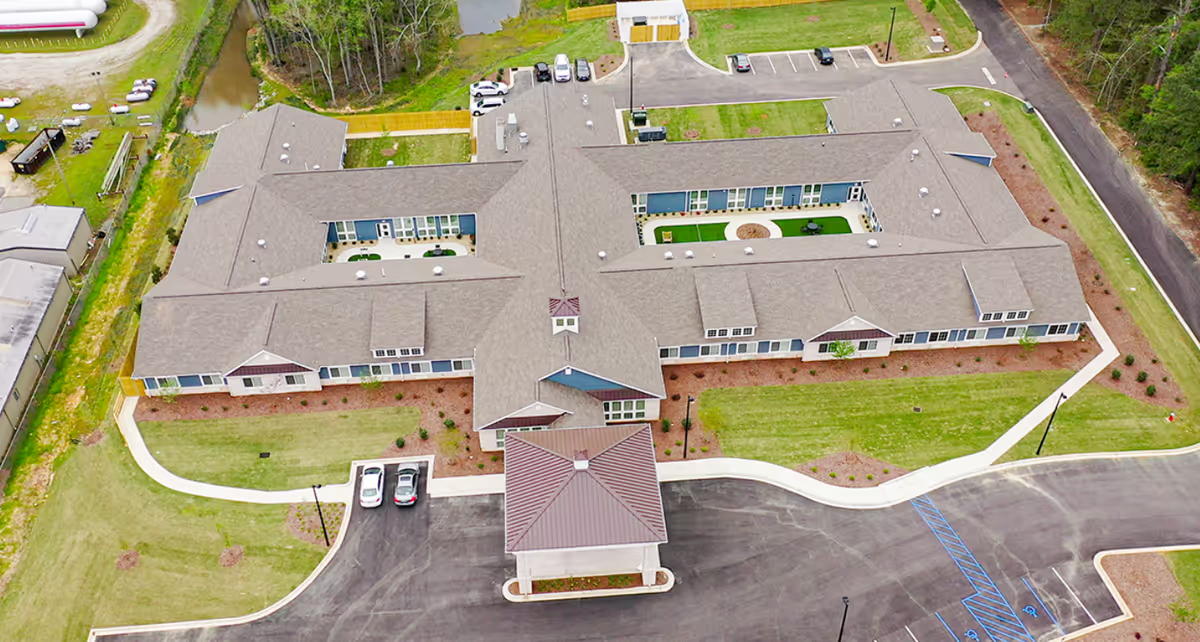
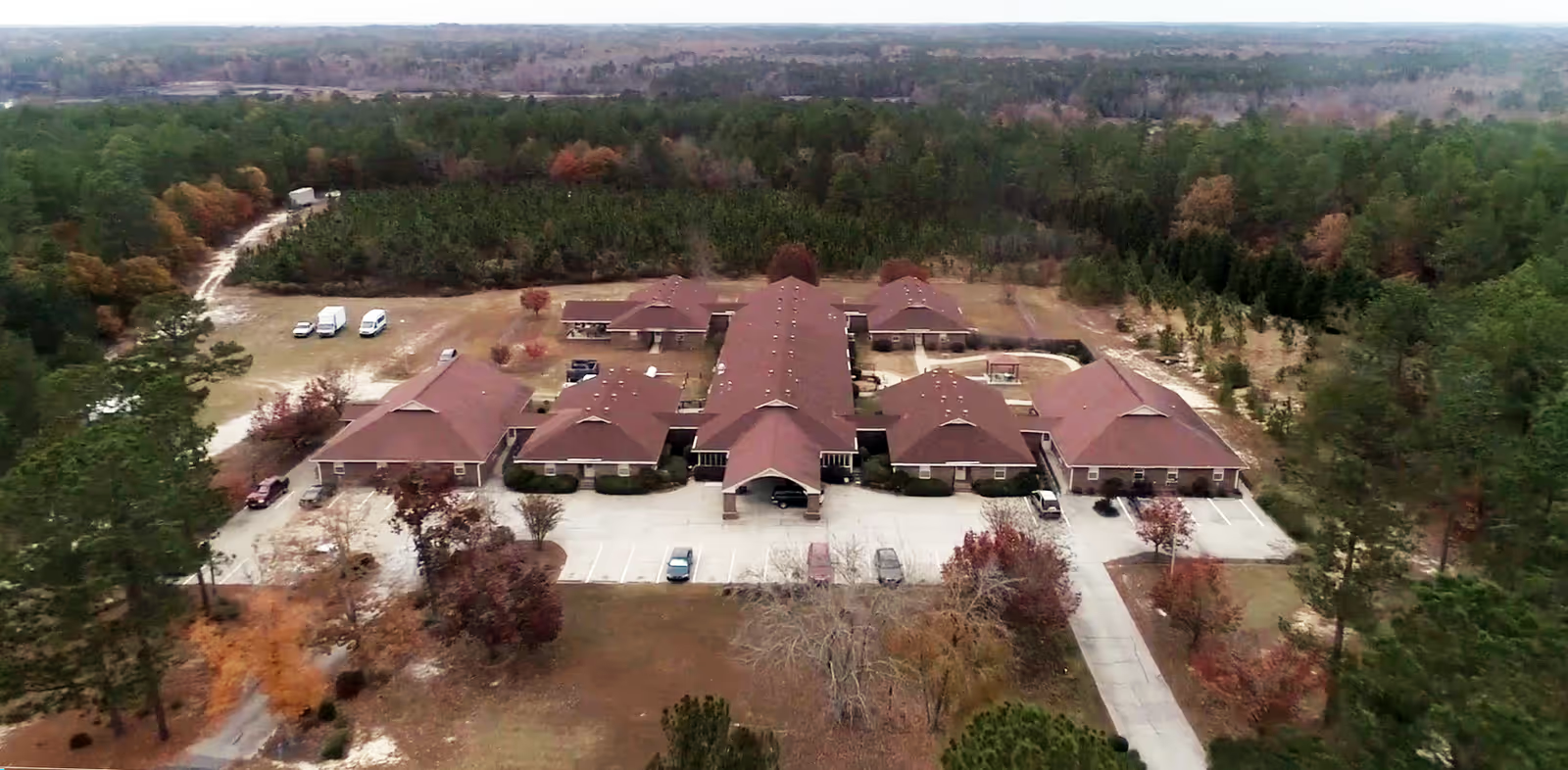
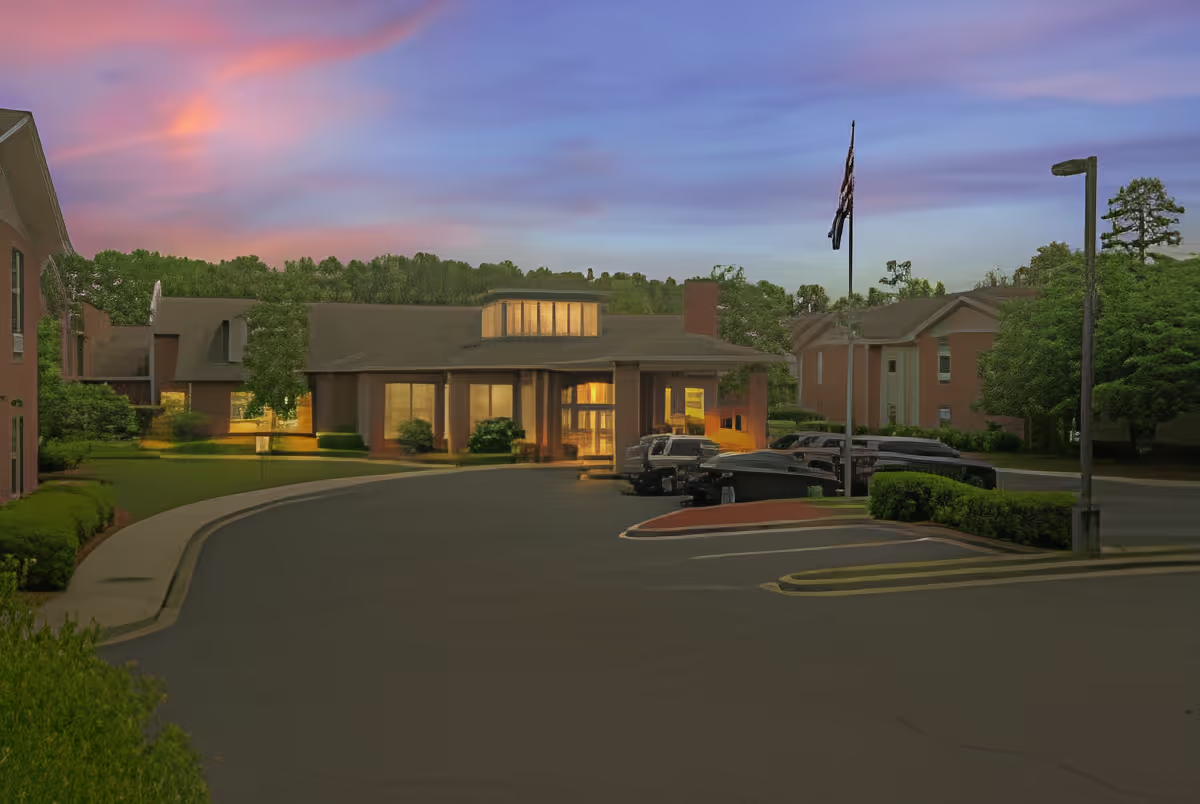
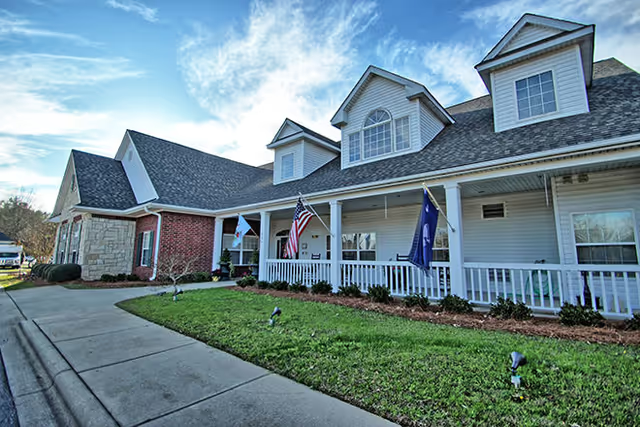
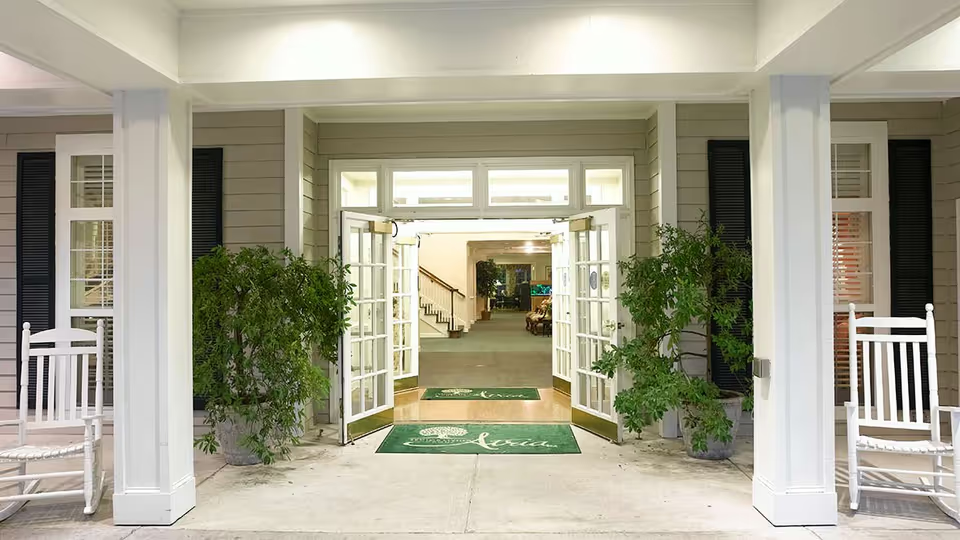
Facilities and accommodations receive positive remarks for cleanliness, upkeep, and apartment features such as roomy closets and kitchenettes with refrigerators and microwaves. The building is described as home‑like, well‑kept, and attractive. At the same time, the memory‑care offering drew mixed comments: while some families appreciated staff patience and tailored help for memory needs, others noted that the memory‑care area may lack security or program clarity, and recommend confirming program specifics before placement.
Management and leadership are often portrayed as supportive during transitions, with many families praising tours, explanations, and follow‑up communication. Nevertheless, reviewers indicated systemic operational issues that management should address: inconsistent adherence to professional appearance and hygiene standards, gaps in safeguards for resident possessions, and concerns about continuity across shifts. A limited number of reviewers raised serious claims — including missing belongings and interference with resident call devices — which merit direct inquiry and clarification with facility leadership and review of the facility’s incident‑reporting and loss‑prevention policies.
In summary, The Legacy of Camden presents many attributes attractive to prospective assisted‑living residents and their families: engaged staff, an active program of events and outings, clean and comfortable apartments, and supportive admissions processes. Families should balance these strengths with careful assessment of clinical oversight, call‑response reliability, housekeeping consistency, memory‑care security, and the facility’s procedures for protecting resident property. During a visit, ask management for documentation of staffing ratios, wound‑care and skin‑integrity protocols, call‑system response times, property‑loss policies, and examples of recent family communication to help evaluate whether operational practices meet your expectations.