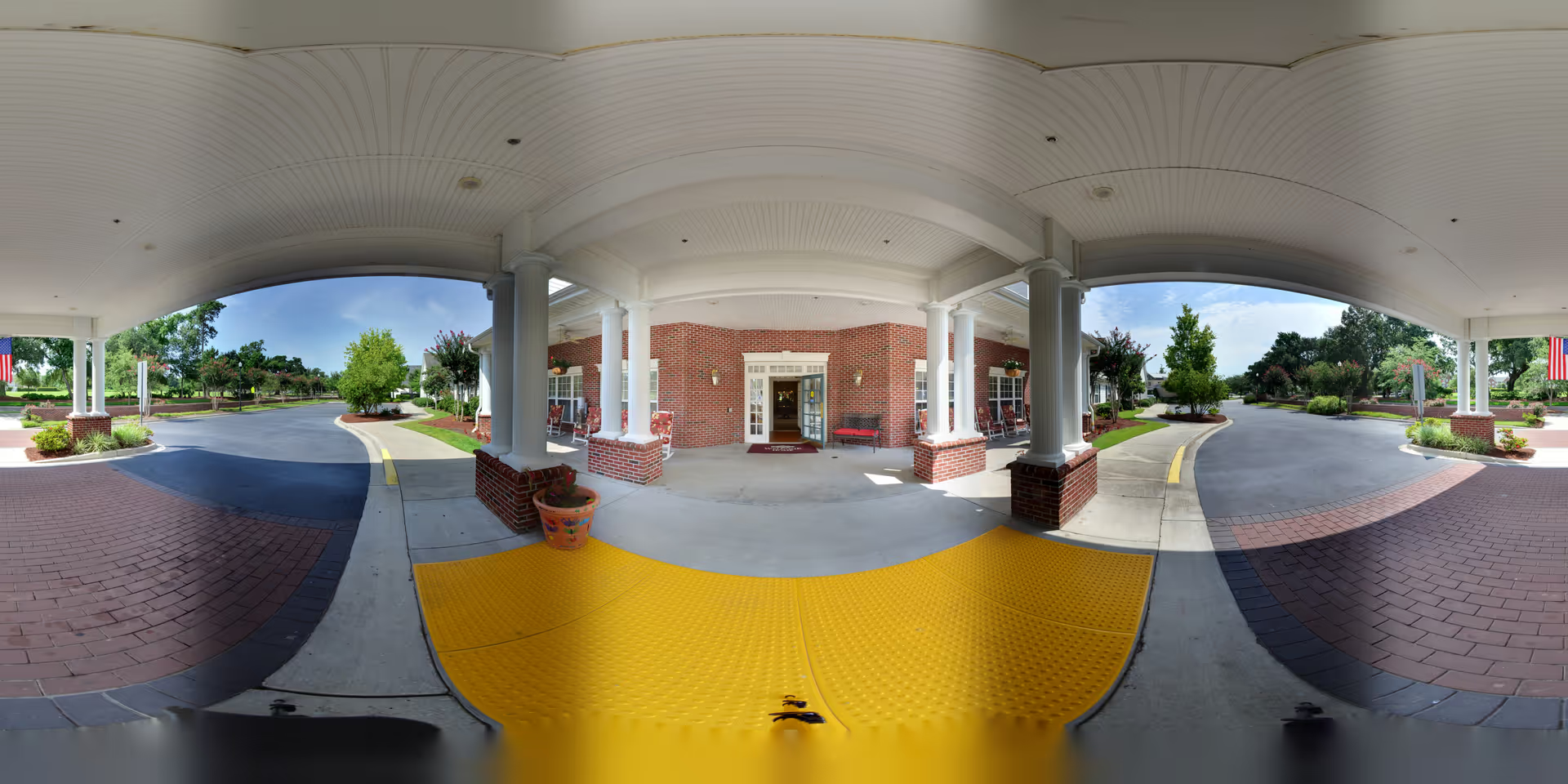
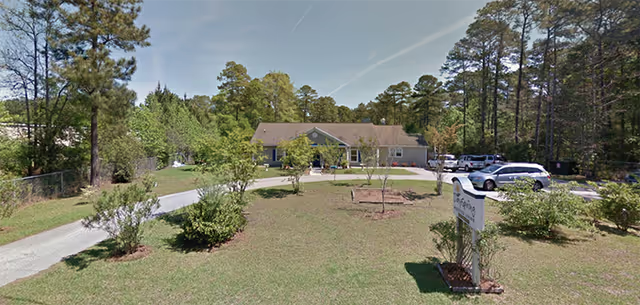
Brookdale West Ashley elicits a wide range of impressions: many comments highlight strengths in hospitality, programming, and physical plant, while other accounts raise operational and clinical concerns. Physically, the community is frequently described as clean, bright, and well maintained, with spacious room options, a chef-driven dining program, an on-site salon, and accessible outdoor areas including enclosed walking paths and garden space for the memory-care neighborhood. Location and proximity to medical resources are often cited as conveniences. The memory-care unit is noted for its separate courtyard access and activity focus in gardening and outings.
Staff and programming receive mixed but substantial positive feedback. Numerous families praised individual caregivers, activity directors, and therapy teams for compassionate, personalized attention, a diverse activity calendar, and effective rehabilitation and transport services. Residents and families report active social programming, off-site outings, and a published schedule that supports engagement. In many accounts the dining experience is a clear strength, with varied menus and an on-site chef creating meals residents enjoy.
Conversely, recurring operational themes appear across reviews. Staffing consistency and shift coverage are frequent concerns: reviewers describe short staffing, high turnover, and times when supervision on the floor is limited. These staffing patterns are associated with communication gaps between shifts and between management and families, occasional medication- and supply-management errors, and inconsistent follow-through on care-plan tasks. Housekeeping and linen practices are uneven in some reports, and there are specific concerns about toileting and incontinence-care responsiveness. Safety oversight is another pattern that emerges, with references to falls and other environmental risks that suggest uneven risk-mitigation practices.
Financial and management issues are also prominent themes. Comments point to opaque pricing structures, unexpected add-on costs, and billing disputes; more serious individual claims involve alleged theft or financial misconduct, which prospective families should treat as a significant concern to investigate. Several reviewers described a gap between marketing presentations and day-to-day care realities, recommending that visitors verify staffing ratios, care-plan enforcement, and actual unit conditions during tours.
Overall, Brookdale West Ashley offers many amenities and strengths—clean facilities, varied programming, therapy services, and staff members who are highly praised by families. However, the facility also displays recurring operational weaknesses: inconsistent staffing and supervision, communication and clinical-management gaps, housekeeping variability, safety oversight issues, and concerns about billing transparency. Prospective residents and families would be well advised to conduct multiple visits (including unannounced visits), ask for detailed staffing and care-ratio information, review sample care plans and billing policies, tour the specific unit and memory-care neighborhood they would occupy, and obtain references from current families to assess whether the community’s strengths align with their expectations and care needs.