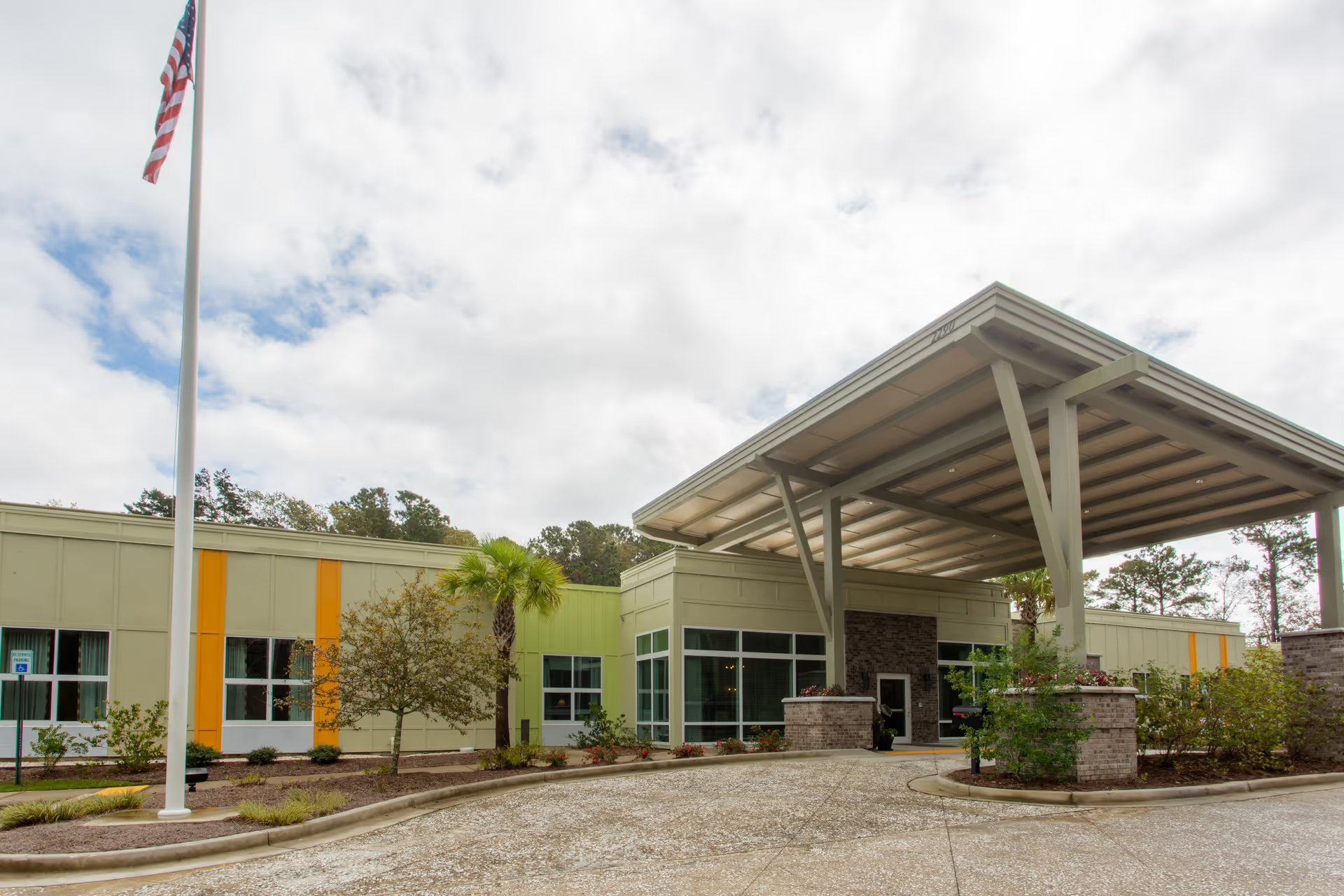
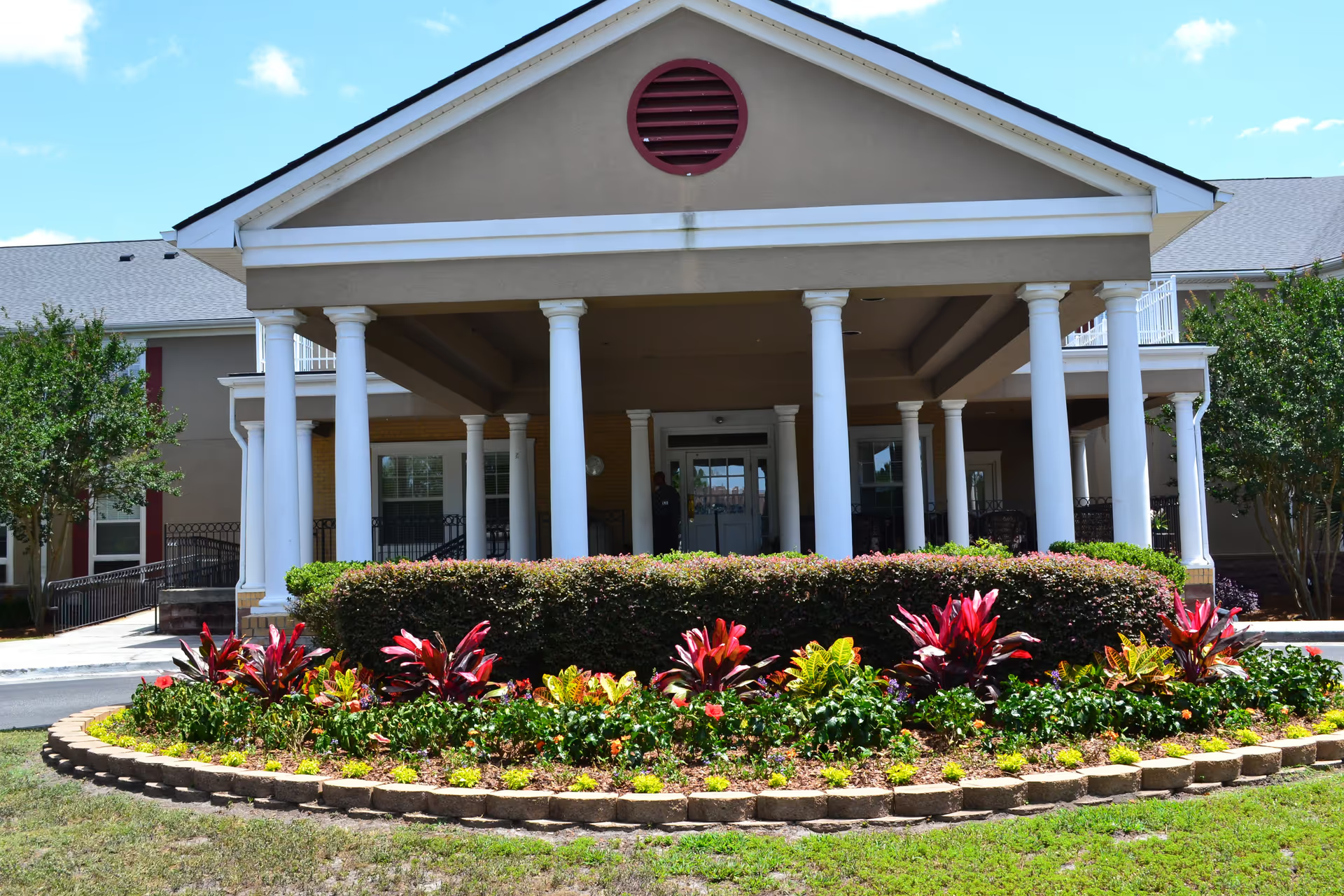
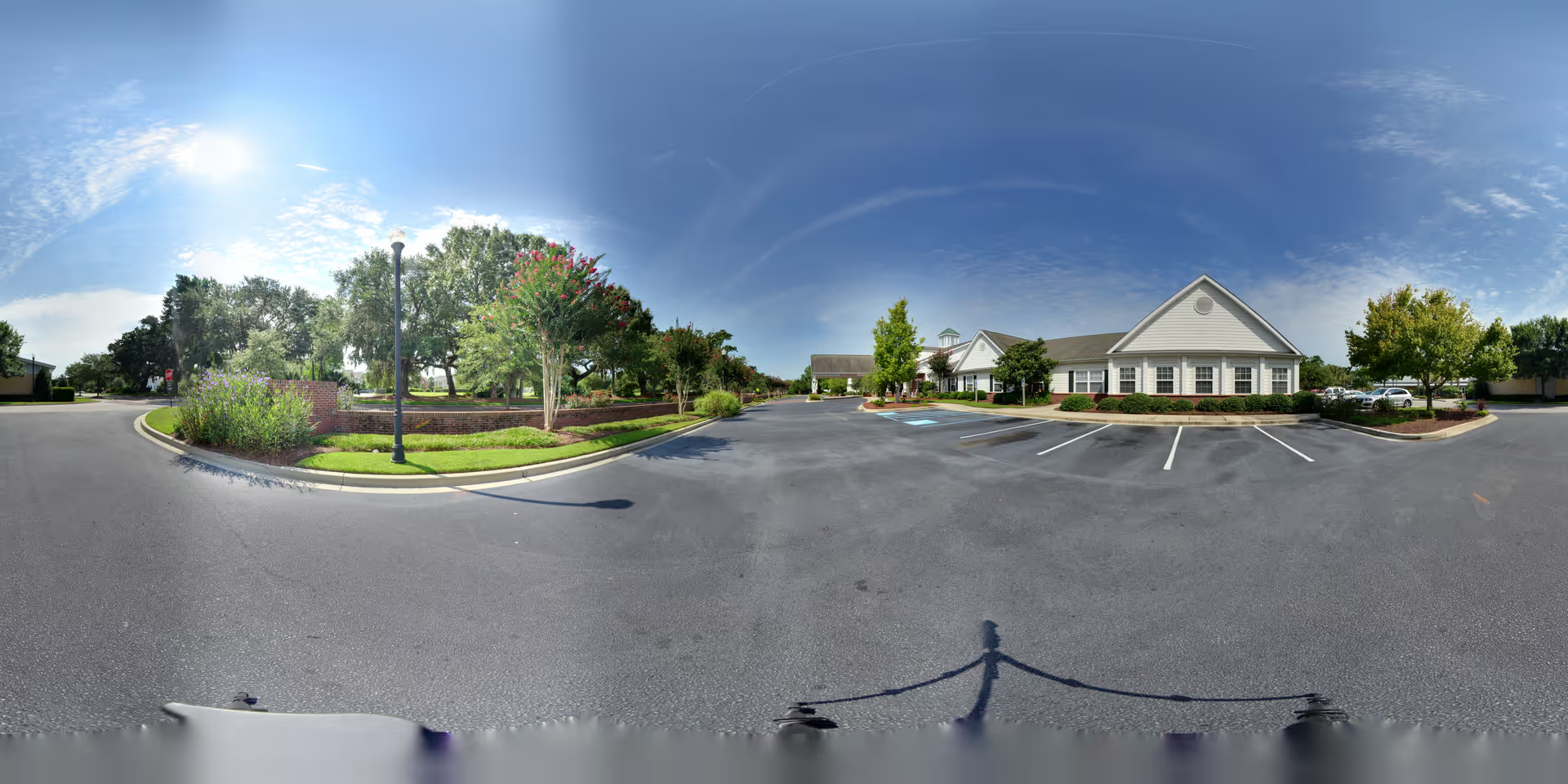
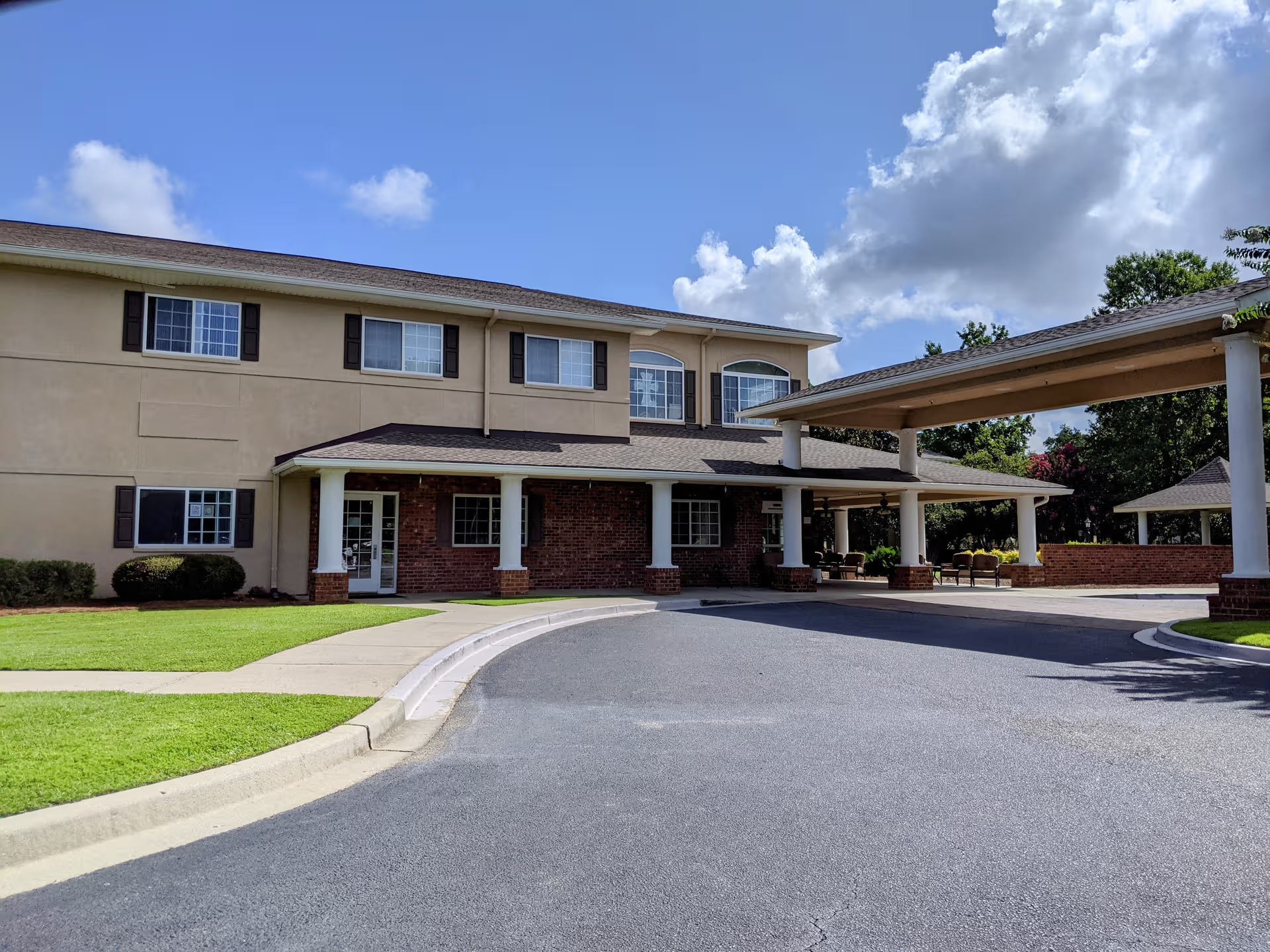
Harmony at West Ashley presents as a modern, well‑appointed campus with many built‑in strengths. The property is frequently described as new, clean, and bright, with spacious floor plans, plentiful daylight, and comfortable climate control. Apartments are notable for size and features — full kitchens, in‑unit washers/dryers, high ceilings in some units, and good storage — and common areas include a private movie theater, salon, libraries, fitness spaces, and pleasant outdoor courtyards and walking gardens.
Activity programming is a clear asset: reviewers describe a wide variety of daily options (fitness classes, games, book clubs, crafts, weekly outings, and regular happy hours). The activities staff receive consistent praise for engagement and event coordination, and transportation to appointments and shopping is available. On‑site therapy services (PT/OT/ST) and periodic physician or clinician visits are convenient for families who want accessible clinical supports without leaving campus. Memory‑care services are integrated on campus and social integration with independent and assisted living levels is in place for residents who need it.
Feedback on caregiving and clinical care is mixed. Many families and residents highlight compassionate, attentive frontline caregivers and good medication management in several units, particularly when staffing is stable. However, there are recurring concerns about inconsistent care delivery: delays reaching nursing leadership or the nurse supervisor, missed basic assistance tasks at times, and uneven follow‑through on clinical orders. Staffing shortages and turnover are frequently linked to these operational gaps; when staffing is adequate the experience is described as high quality, when staffing is strained families report slower responses and task omissions.
Dining and housekeeping are polarizing areas. Some reviewers praise breakfast and occasional meal offerings and the central dining atmosphere; others describe inconsistent taste and portion quality, frequent food waste, and dissatisfaction with dinner service. Meal-plan complexities, use‑or‑lose rules, limited included meals in some plans, and extra delivery or chargeable meal options have created confusion and perceptions of poor value for several families. Housekeeping and in‑room cleaning are another pattern: common areas are often described as very clean, while in‑unit housekeeping schedules and thoroughness (for example, vacuuming under rugs, regular sheet changes) are inconsistent across residents.
Management and administration receive mixed evaluations. Positive comments focus on helpful admission staff and specific employees who facilitate smooth transitions. Conversely, there are recurring concerns about administrative responsiveness: slow or unclear communication on billing, delayed refunds, unresolved questions about final charges, and inconsistent follow‑through from corporate or management. Several reviewers linked perceived declines in service quality to leadership changes and uneven staff training or supervision.
Overall pattern and practical guidance: Harmony offers many amenities, a robust activity roster, attractive apartments, and on‑campus clinical resources that appeal to active, social residents and families seeking a modern community. At the same time, potential residents should plan targeted due diligence around operational areas that appear variable: confirm current staffing levels and turnover metrics for the unit of interest; get written details on meal plans, included meals, and extra fees; ask for the housekeeping schedule and cleaning scope; and clarify nurse‑on‑duty response expectations and escalation paths. Touring during a mealtime and speaking directly with current residents about daily care and communication practices can help determine whether the current operational balance at this site matches a family’s expectations.