Oaks at Charleston presents a mixed but generally favorable profile. Many families and visitors praise the frontline caregivers, nursing staff, and therapy teams for compassion, attention to individualized needs, and clinical knowledge. The community offers a broad activity calendar, regular outings, on-site salon services, and a pet-friendly environment; residents and families frequently note that common areas and rooms are clean and well maintained. Value and affordability are also recurring positives, with several accounts describing a smooth move-in process and staff who provide personalized orientation and ongoing communication.
Clinical care shows strengths and some recurring concerns. Reviewers highlight conscientious nurses and aides and the availability of physical and occupational therapy and physician access. At the same time, patterns emerge around medication and care-plan adherence: examples include timing and administration inconsistencies (notably with insulin timing), missed medications or meals, and occasional lapses in planned care delivery. There are also isolated concerns about medication practices that affected resident behavior; prospective families should directly review medication administration protocols, documentation practices, and escalation pathways during tours.
Staffing and management are a clear area of contrast. Long-tenured, attentive staff and standout individuals are frequently commended for creating a home-like, social atmosphere. Conversely, reviewers also note variable staff professionalism, understaffing at times (particularly on weekends), and higher turnover in some roles. Management responsiveness attracts mixed feedback: some accounts describe timely, compassionate follow-up, while others cite slow or incomplete responses to family concerns and front-desk coverage gaps. These operational patterns suggest asking for current staffing ratios, weekend coverage plans, and examples of recent quality-improvement efforts when evaluating the community.
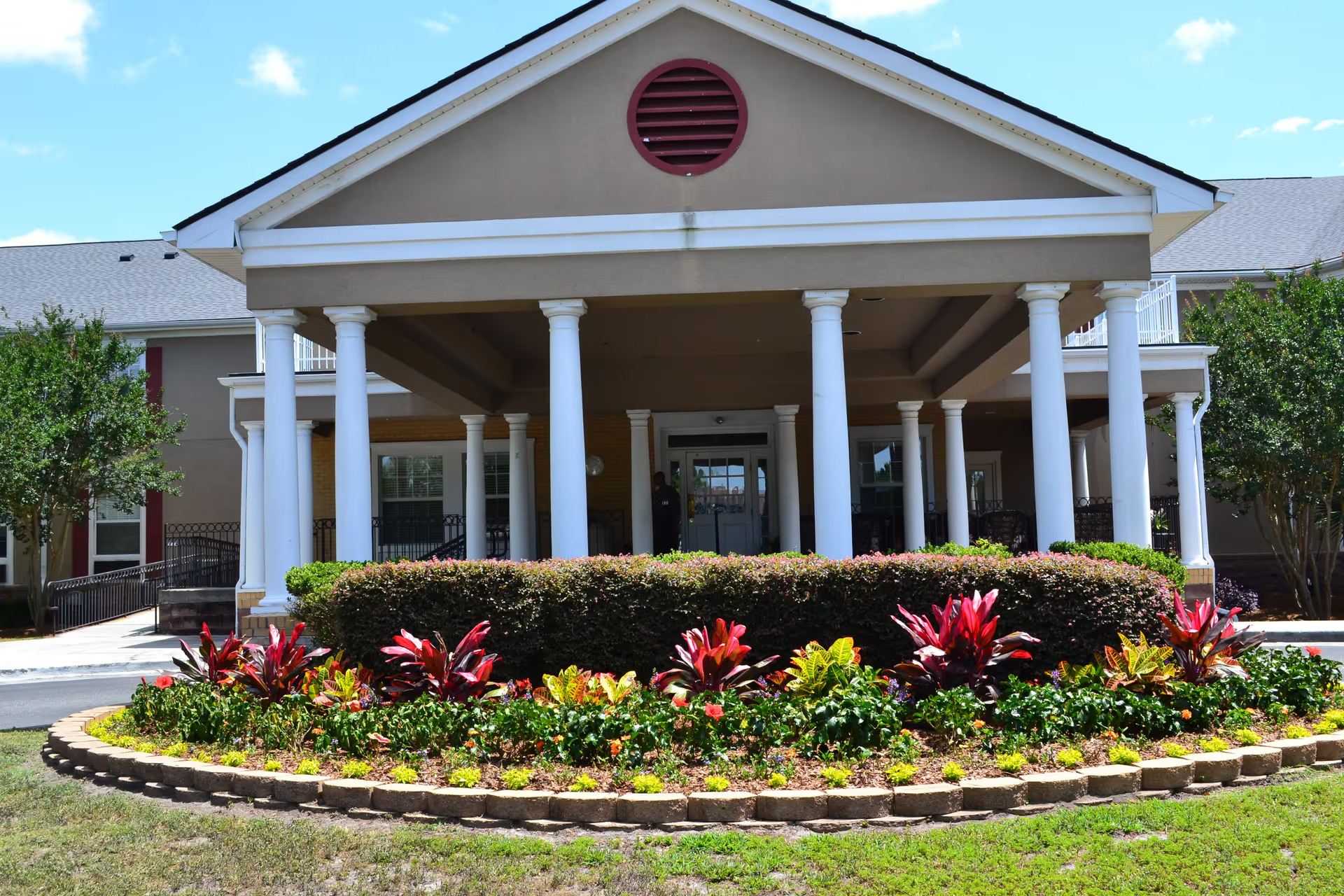
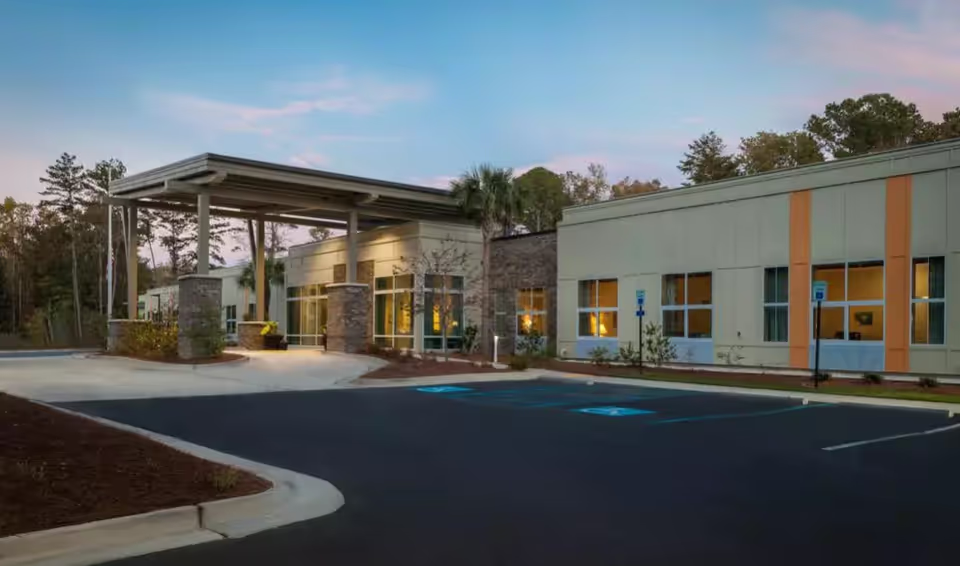
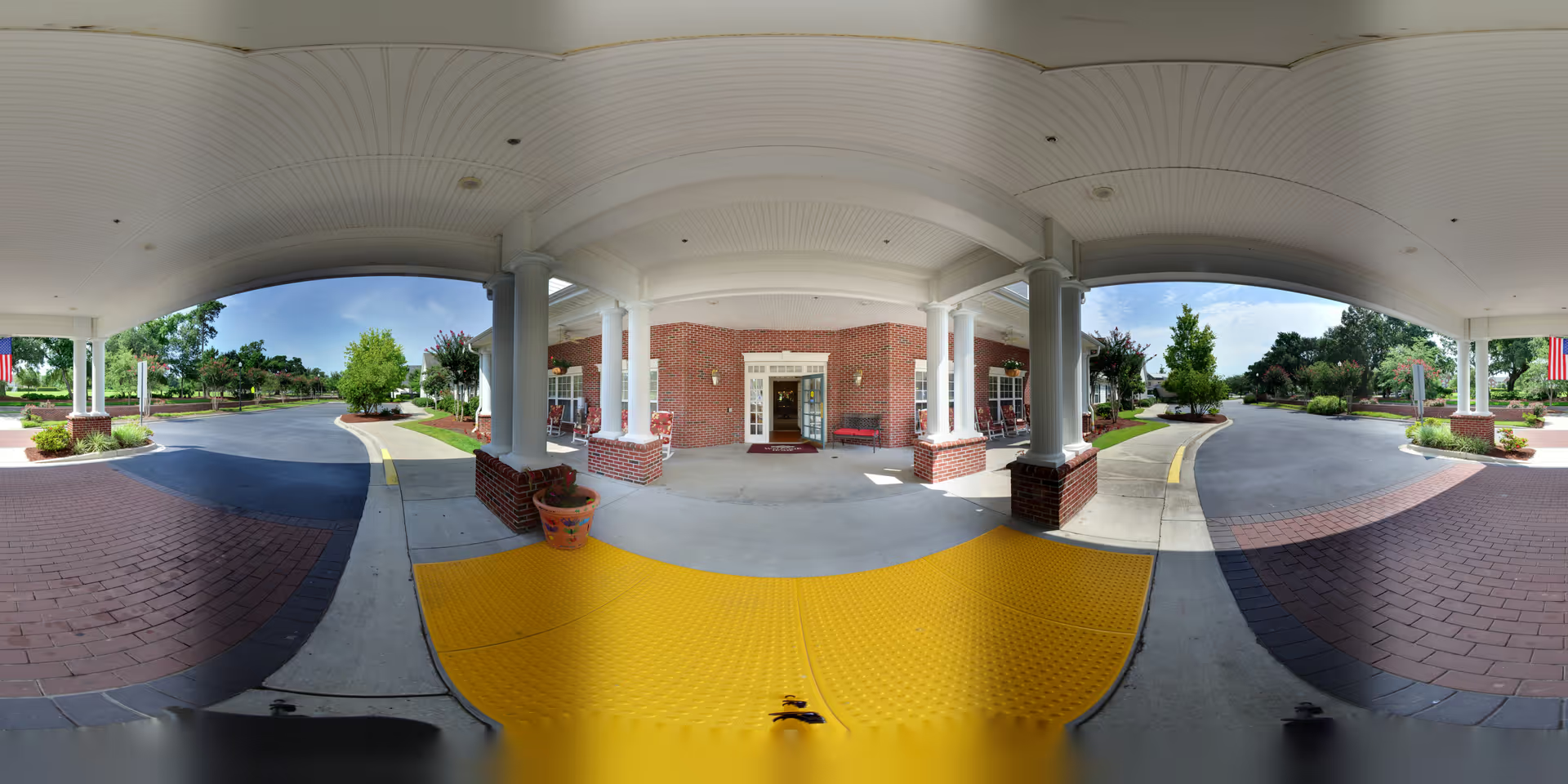
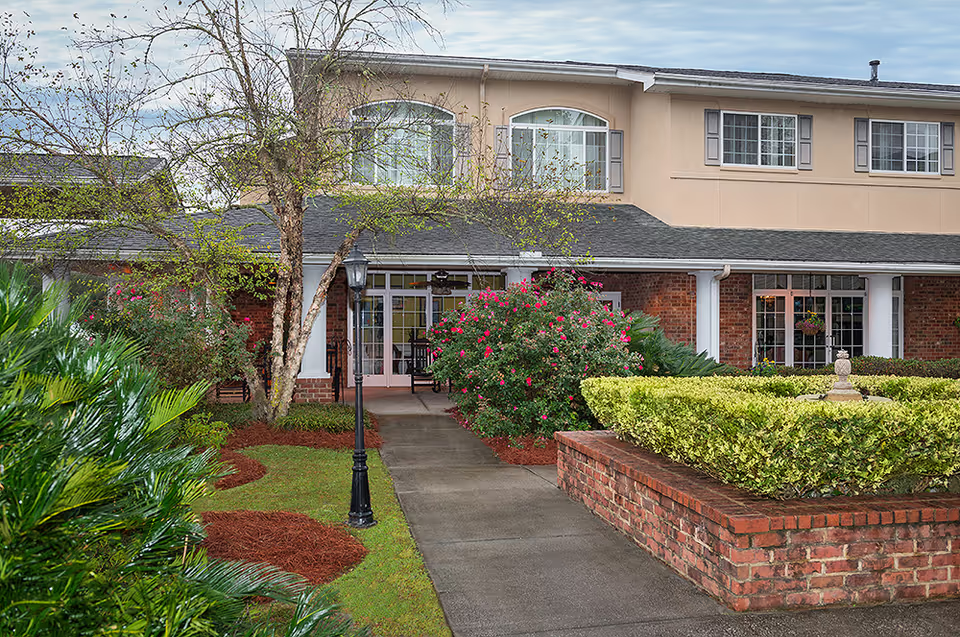
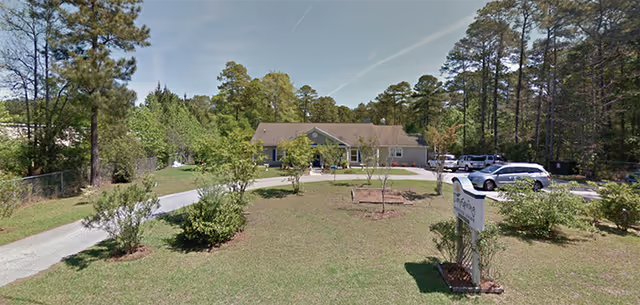
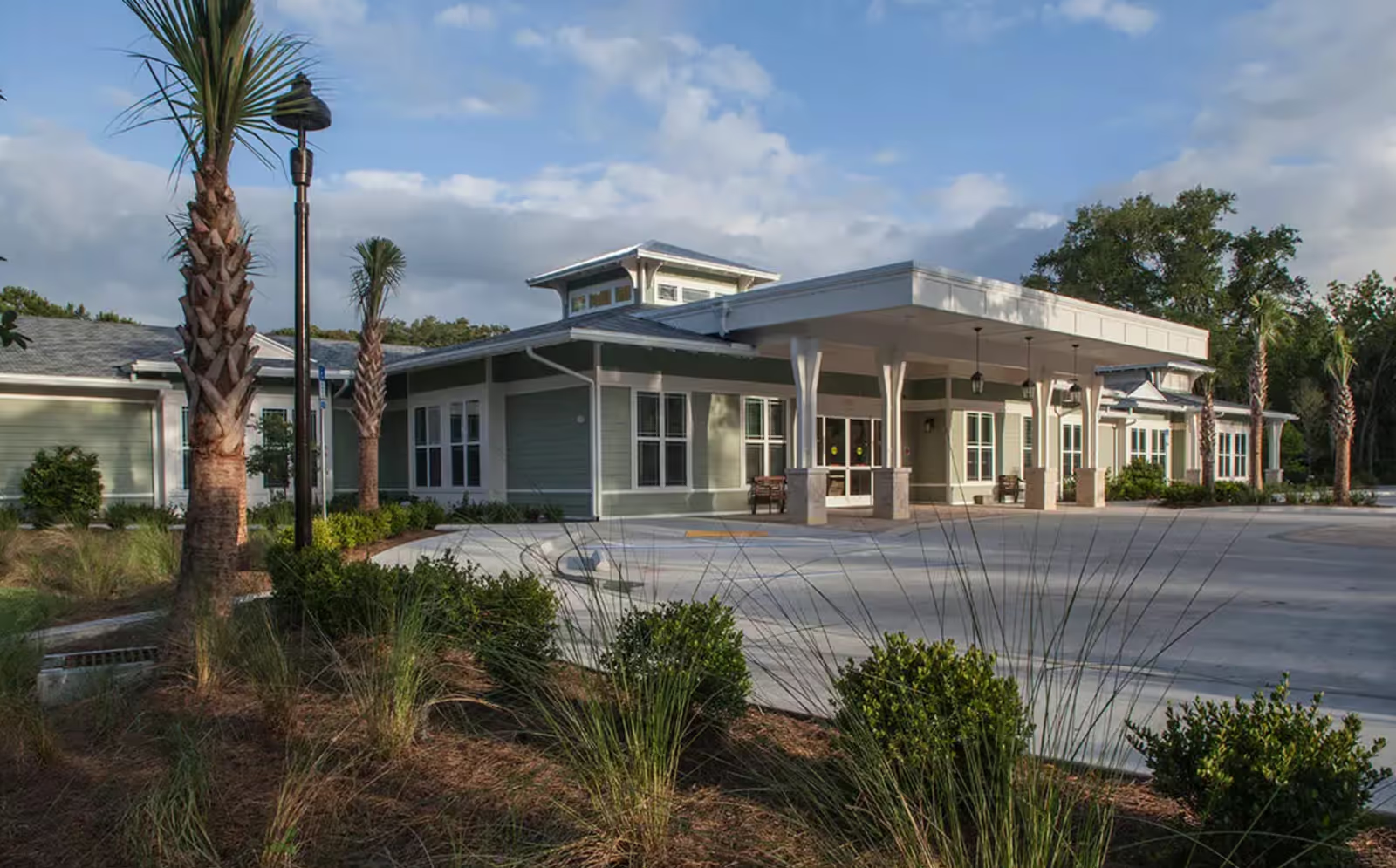
Dining, activities, and facilities are generally positive but uneven. The dining program is often described as appealing and nutritious, though a few families found menu choices inconsistent with personal preferences and reported crowded meal periods. Activity programming is typically cited as a strong point, with many events, outings, and social opportunities that support engagement. Facility condition tends to be well-kept in many areas, with spacious rooms and thoughtful layouts; however, some parts of the campus are described as dated or needing renovation, and there are intermittent cleanliness or laundry process issues to probe further.
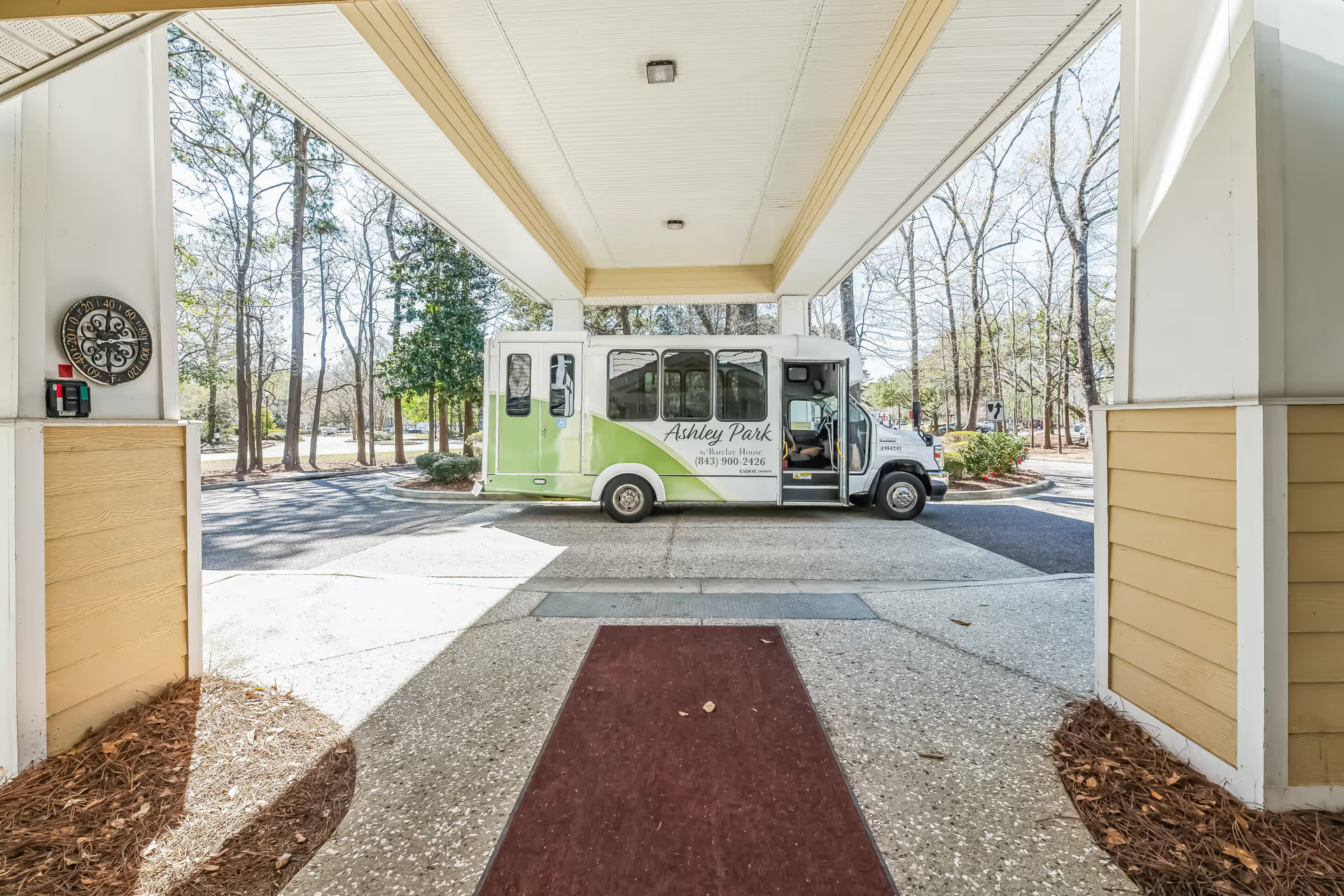
Notable patterns to consider: memory-care impressions vary—some families describe a highly engaged and skilled memory-care team, while others found programming or the environment less satisfactory or felt restricted access limited assessment during tours. Operational concerns that recur across reviews include medication administration reliability, housekeeping and laundry controls, weekend staffing reliability, transportation availability, and management follow-through on family communications. Prospective residents and families would benefit from targeted questions about medication protocols, recent staffing stability, housekeeping and laundry procedures, memory-care staffing and programming, transportation services, and how the facility documents and communicates incidents or care-plan changes.