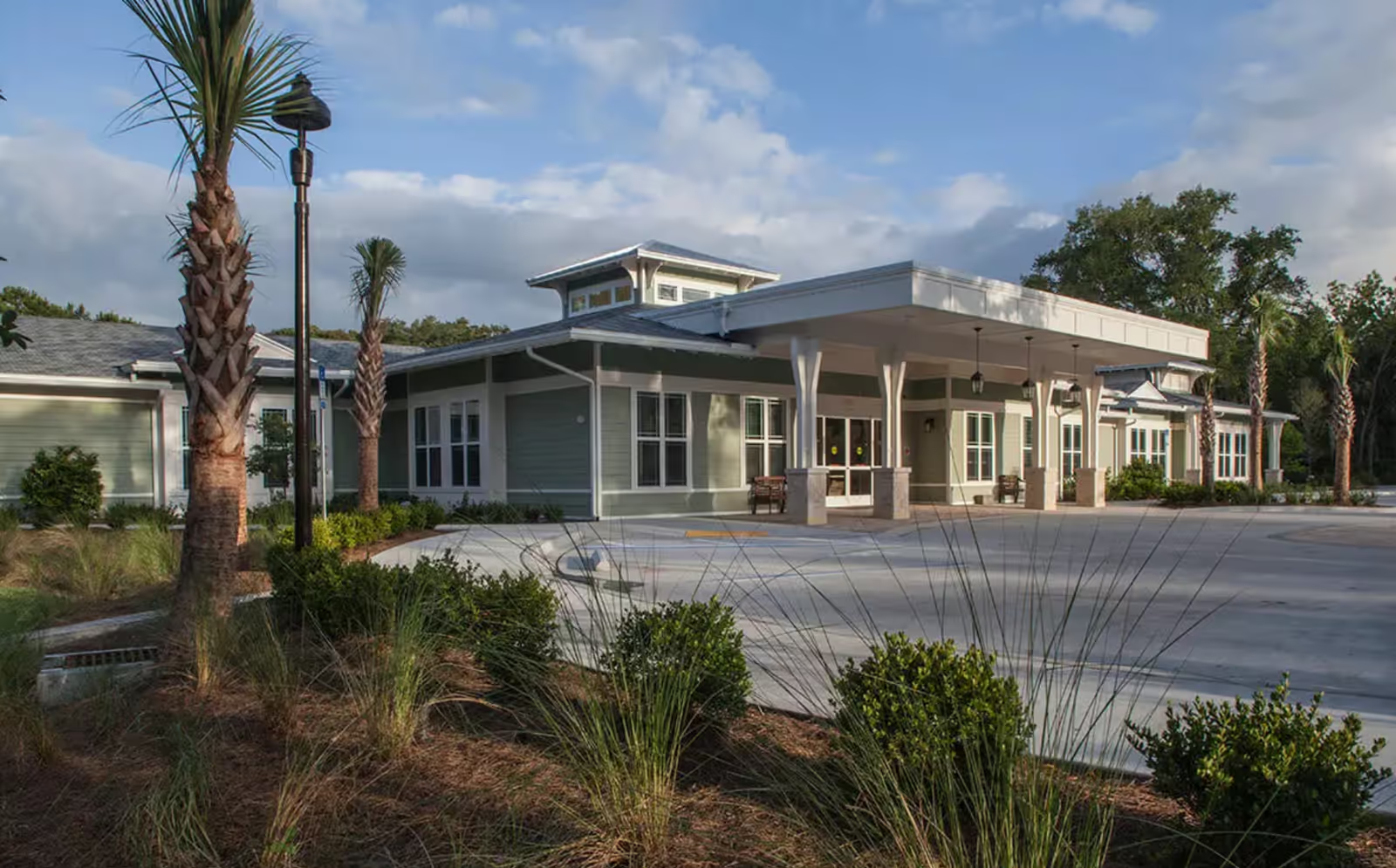
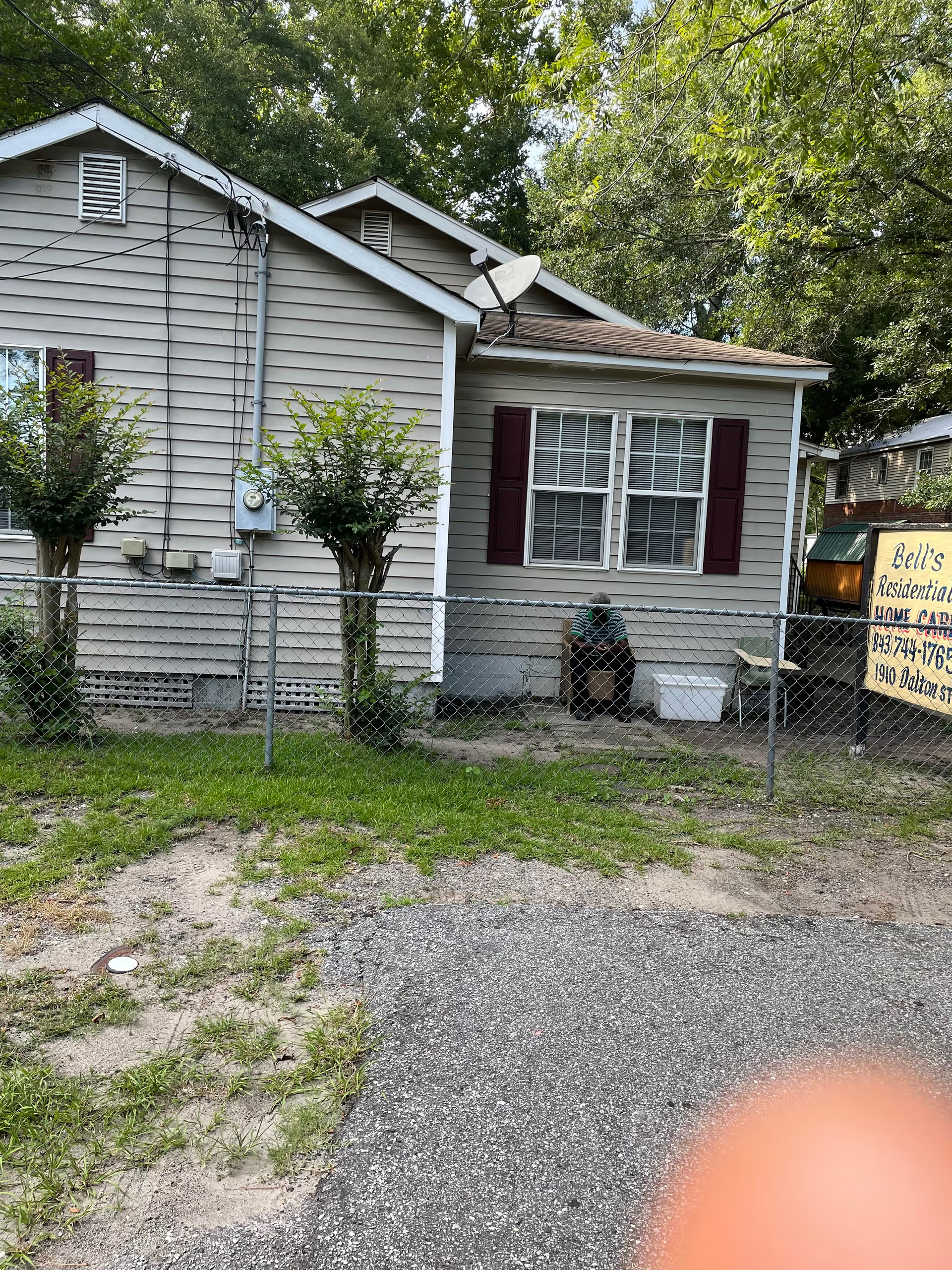
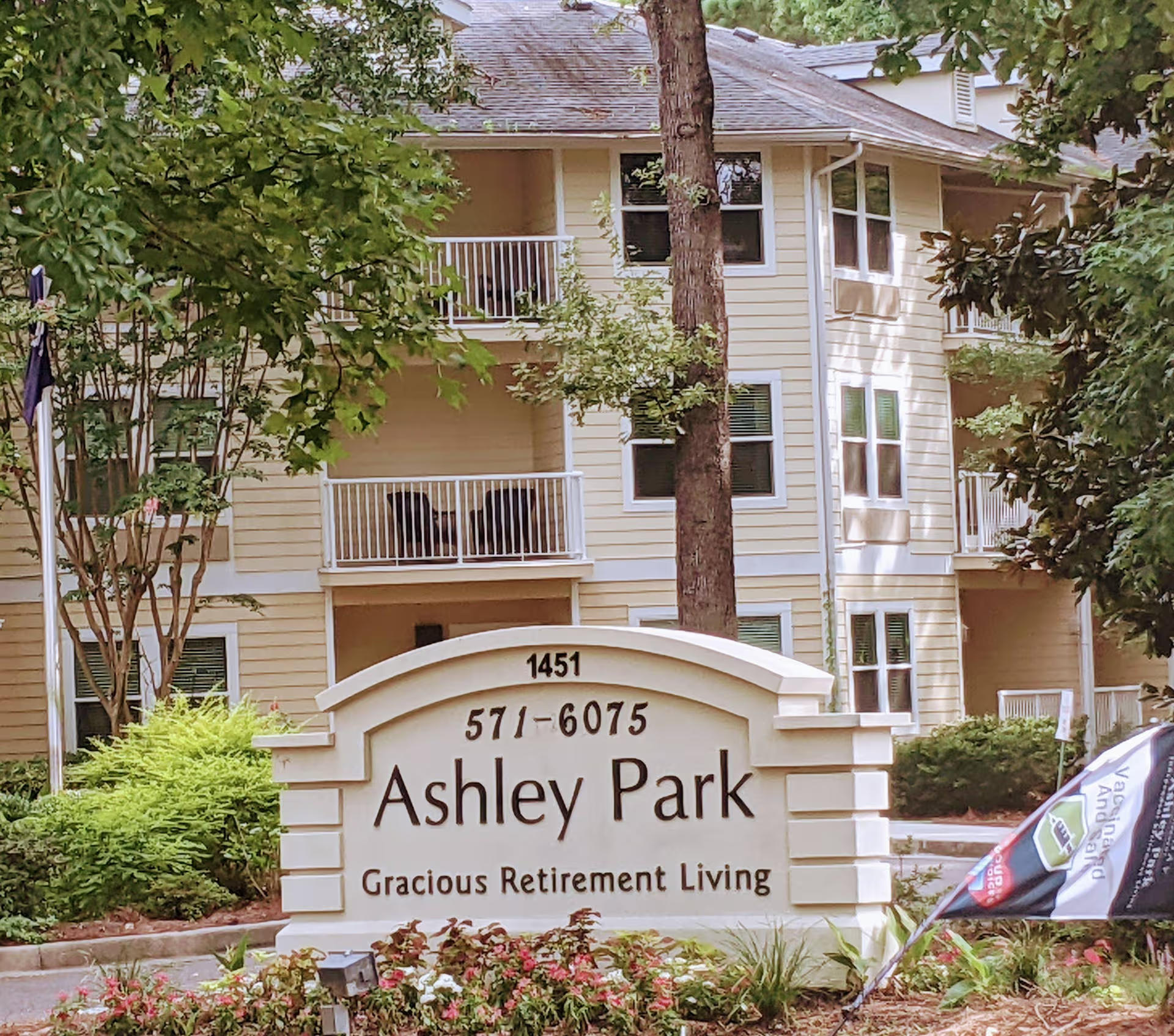
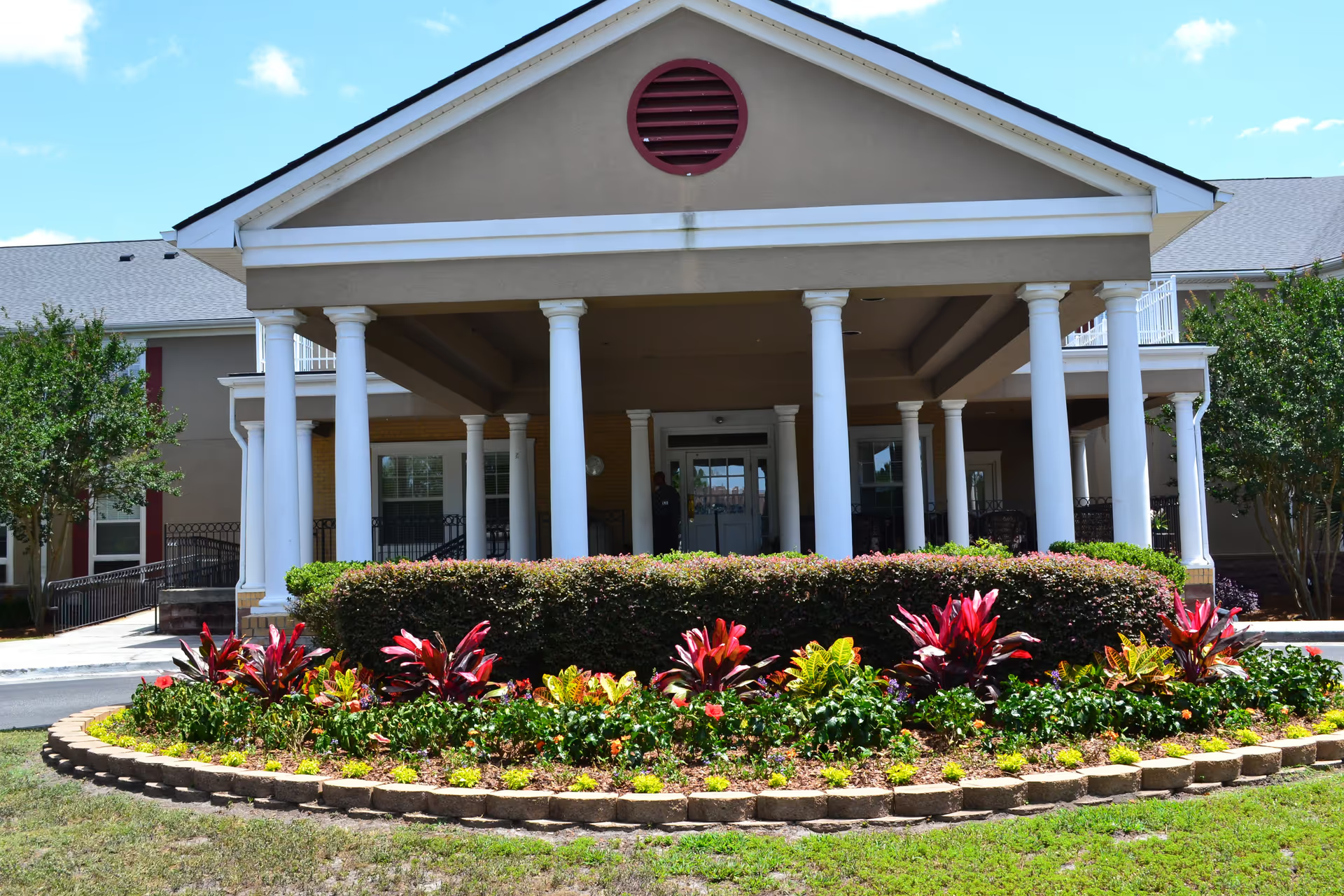
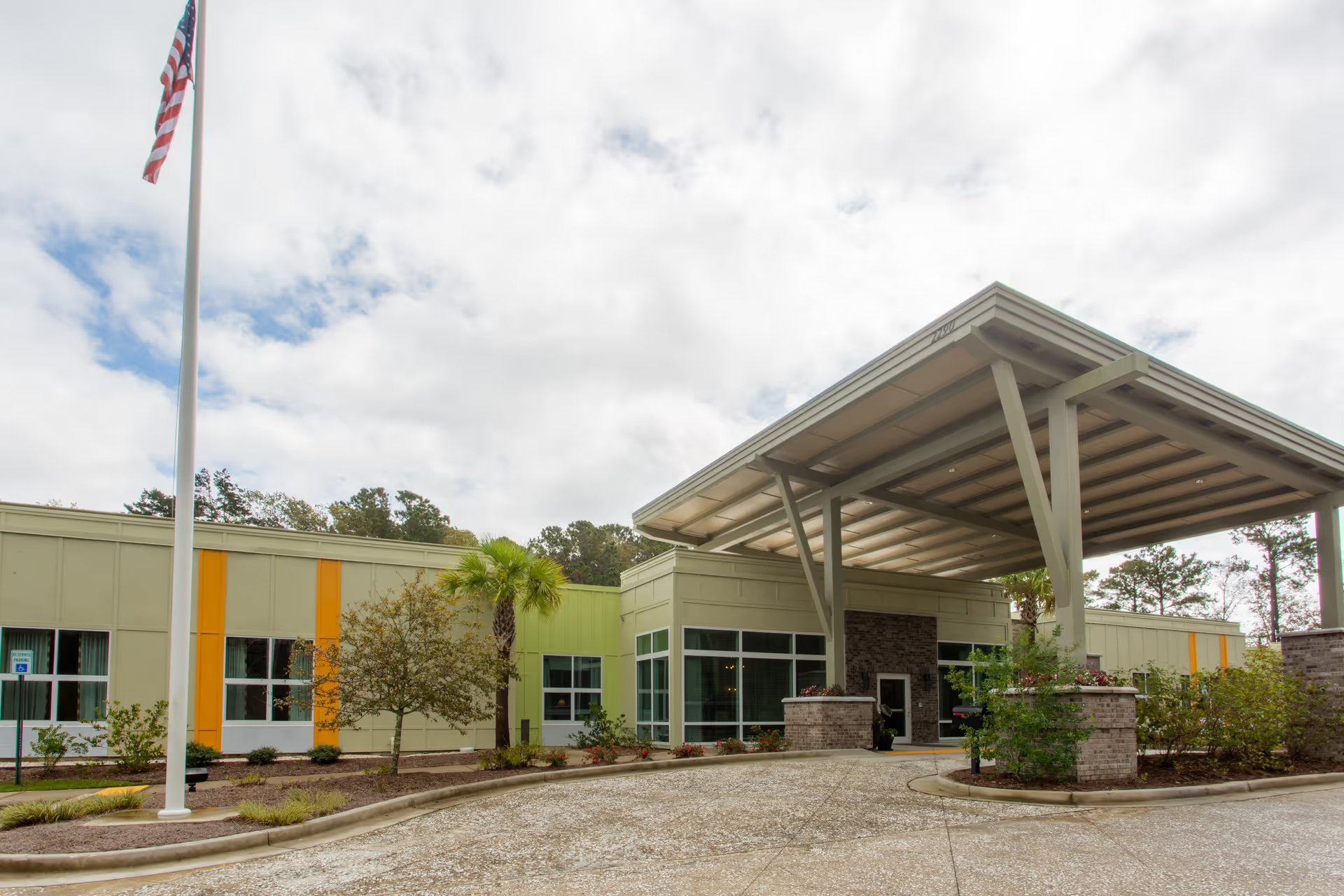
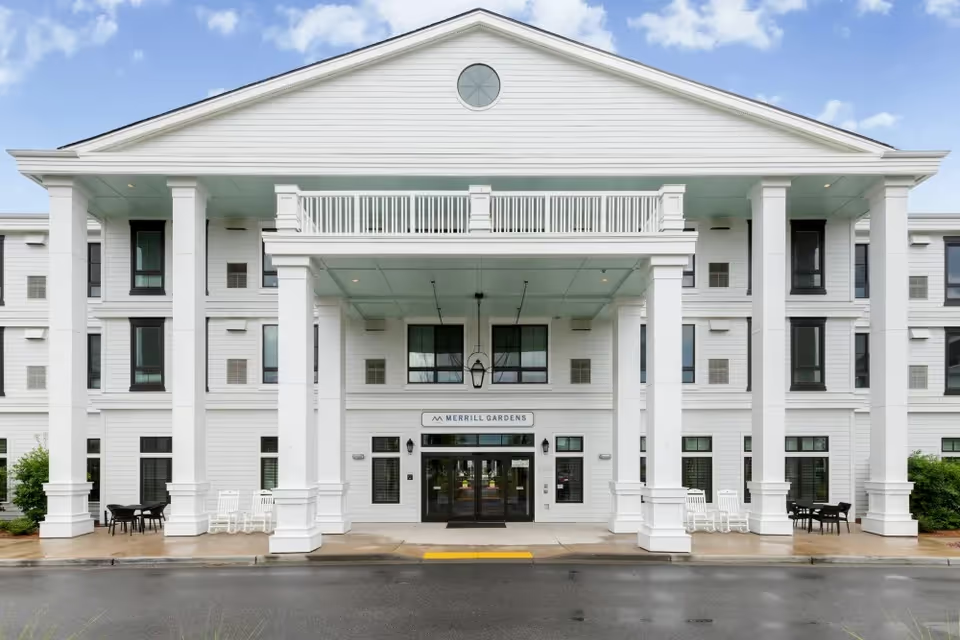
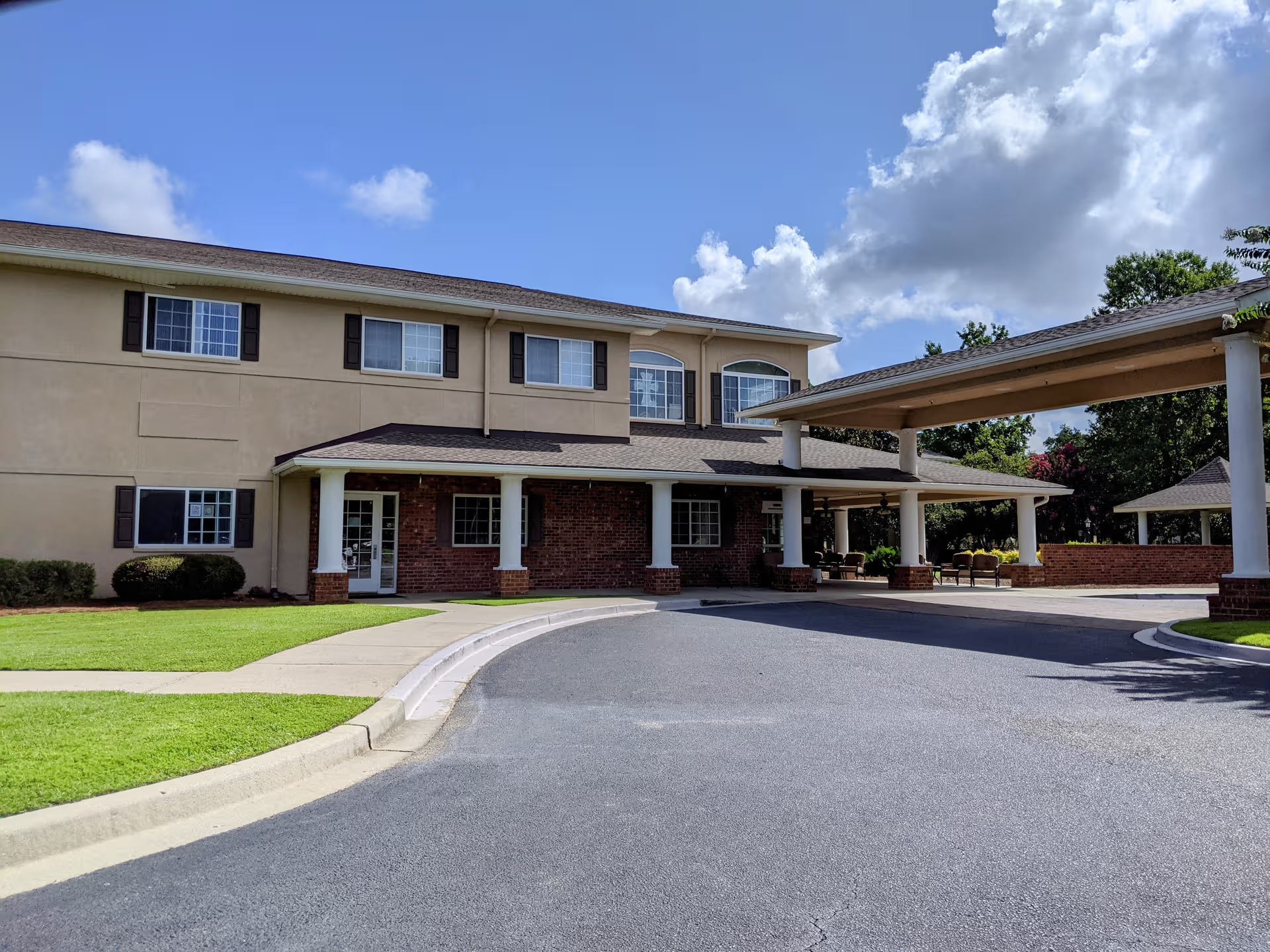
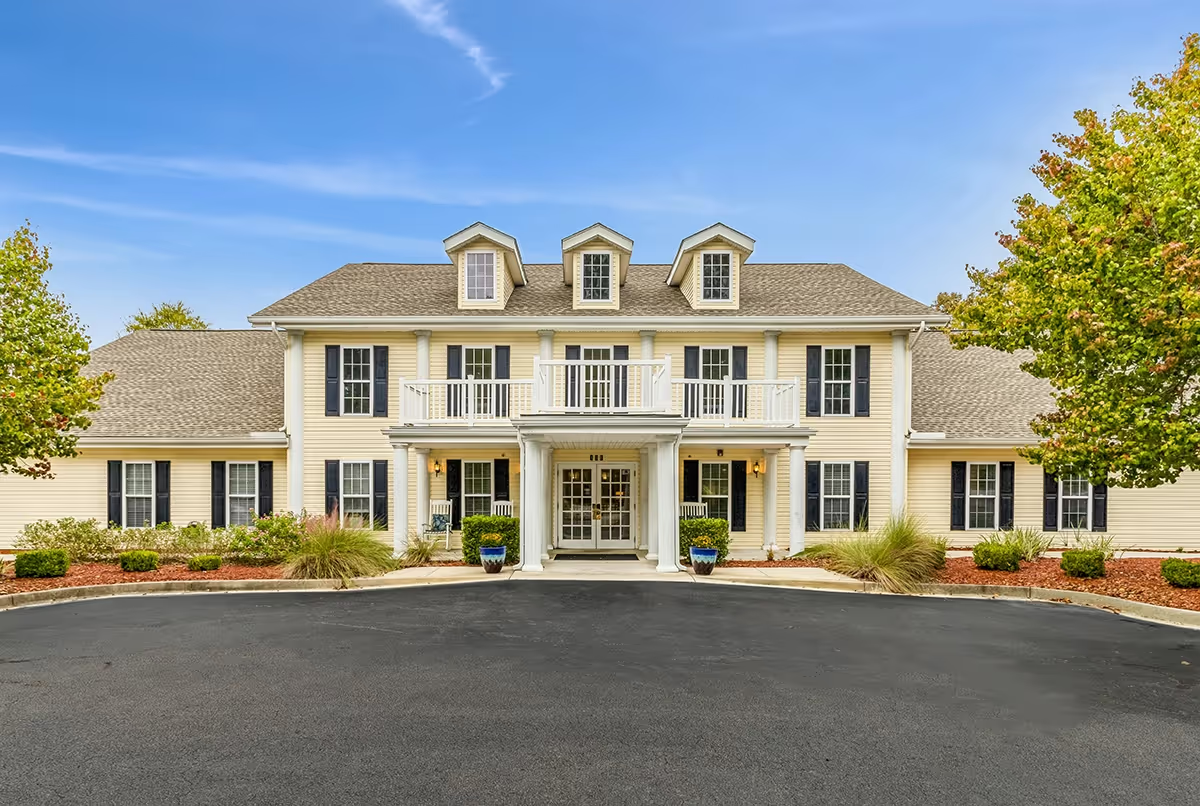
Overall impression: Reviews emphasize a facility with a strong emphasis on hospitality and a visible culture of individualized attention. Many families describe staff as compassionate, approachable and responsive; long-tenured employees and leadership involvement are recurrent positive themes. The building and common areas are frequently characterized as clean, bright and well-maintained, and apartment options range from studios to multi-room suites with kitchenettes, which supports a range of resident preferences.
Care and clinical services: Nursing and therapy services receive generally favorable feedback, with several comments about proactive nursing, high-rated occupational and physical therapy, and quick emergency response. At the same time, there is variability in clinical-care consistency in some accounts — concerns include medication-administration practices and uneven responsiveness from certain clinical technicians. Operationally, this suggests good baseline clinical resources but occasional lapses in standardized medication assessment and follow-up; prospective families should ask specifically about medication protocols, staff training, and supervision on tour.
Staff and management: Leadership and administrative responsiveness are often highlighted, with staff described as helpful during transitions and admissions. The community is portrayed as having a family-like culture, with staff who engage socially and provide transition assistance. However, reviewers also indicate episodes of staffing workload variability and periodic personnel changes; those dynamics can affect day-to-day consistency, so confirming current staffing ratios and turnover metrics is advisable.
Dining, activities, and community life: Dining is a clear strength for many reviewers — an engaged chef and generally positive meal quality and dining conversations are noted. Activities are broad (happy hours, bingo, line dancing, Wii bowling, field trips, and volunteer/student visits), and social programming, including weekend events, supports an active resident life for socially oriented individuals. A minority of accounts describe limited activity options or lower resident participation at times, which can lead to a quieter environment, particularly in larger or lower-occupancy parts of the building.
Facilities and safety: Amenities such as an on-site salon, weekly housekeeping and laundry, transportation services, outdoor spaces, and alert-pendant systems are frequently praised. Several families note the advantage of single-level layouts and accessible common areas. Operationally, there are recurring safety considerations for residents with dementia or wandering behaviors; the community does not appear to have a separate locked memory-care unit, which may limit suitability for some higher-acuity cognitive-care needs.
Notable patterns and serious concerns: Most feedback is positive, but there are a few serious allegations (including claims of medical-record falsification and theft) that merit direct inquiry and documentation review during any evaluation. Other recurring concerns include cost relative to family budgets, location/drive time for some visitors, and isolated descriptions of inconsistent clinical practices. Prospective residents and families should verify clinical protocols, ask about incident investigation processes, request occupancy and staffing data, and clarify the scope of memory-care and end-of-life services before deciding.
Bottom line: Oaks at Daniel Island/Summit Place presents as a well-kept, community-oriented facility with strong hospitality, engaging amenities, and generally responsive staff. It appears well suited to socially active residents who need assistance with daily living and value on-site services and therapy. Families seeking specialized locked memory care, strict continuity in medication assessment, or a lower-cost option may need to confirm operational details or consider alternatives. During a tour, focus questions on clinical oversight, dementia-safety measures, documented incident follow-up, and current staffing levels to assess fit for specific care needs.