Reviewers describe a facility with clear strengths in staff-level compassion, housekeeping, and an organized dining environment. Many families and residents note caregivers who are attentive and willing to go beyond routine tasks, and they praise responsive maintenance, clean rooms and grounds, and on-site supports such as transportation and pet-friendly policies. The community offers a range of activities (clubs, crafts, games, religious groups) and has a formal dining program with varied menu options and fresh produce. Several comments also highlight supportive executive and activities leadership and ongoing renovations intended to improve the environment.
Care quality is mixed in aggregate. Positive accounts emphasize caring nurses and staff who attend to individual needs, while other families describe inconsistent staffing that creates gaps in coverage outside daytime hours. There are recurring references to delayed responses to call-for-help systems and inconsistent continuity when staff turnover is high. Reviewers identified care-coordination weaknesses during transitions (including ownership/management changes), and some families experienced friction around medical appointments and short transfers.
Dining and activities receive both praise and criticism. The dining program is often described as organized, with meal accommodations and a formal dining room; however, reviewers also report variability in food quality and occasional cleanliness lapses at service points. The activities program offers a reasonable variety, and some residents report good social integration, but others find activities inconveniently located or scheduled, or insufficient for higher-care residents.
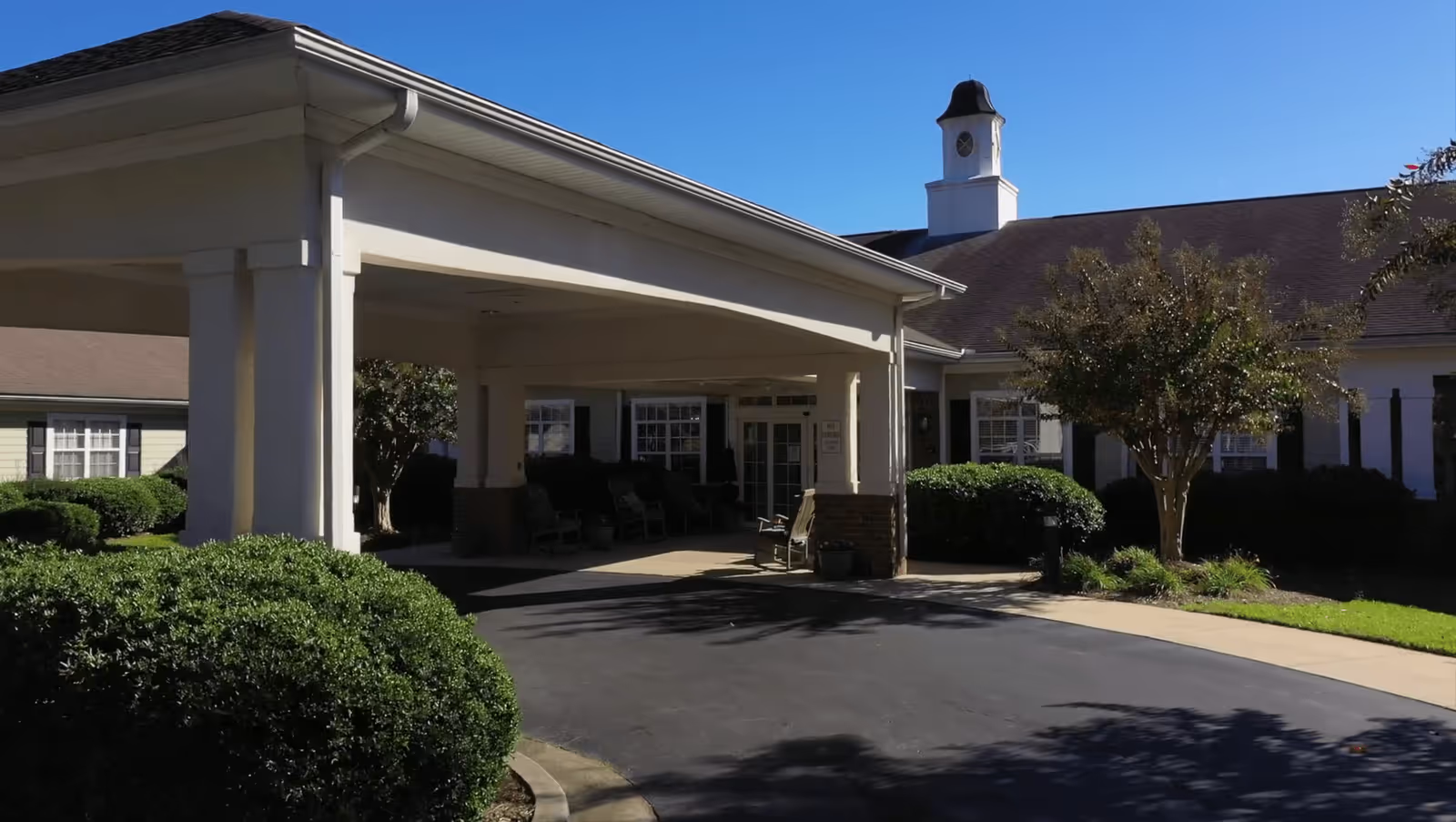
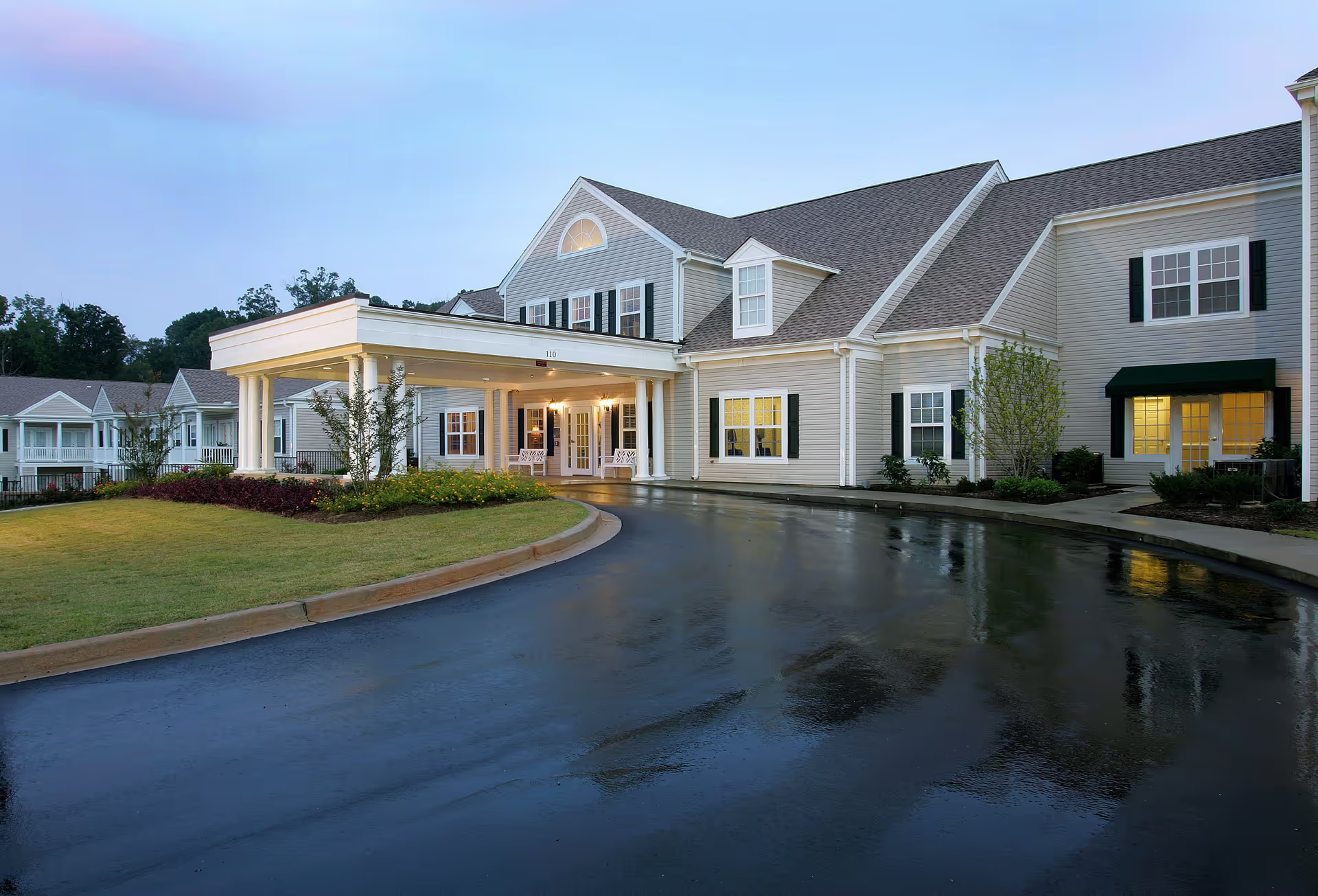
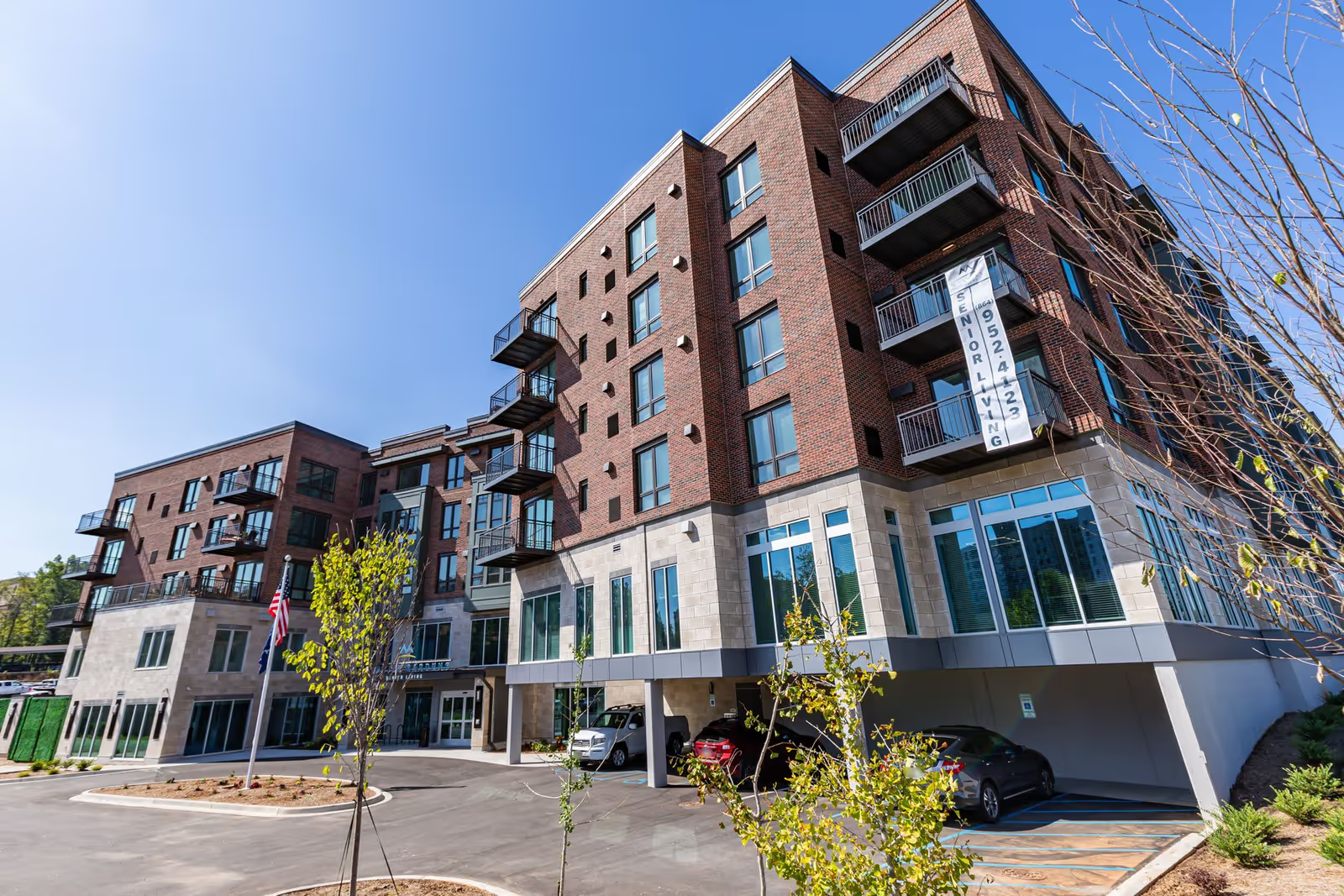
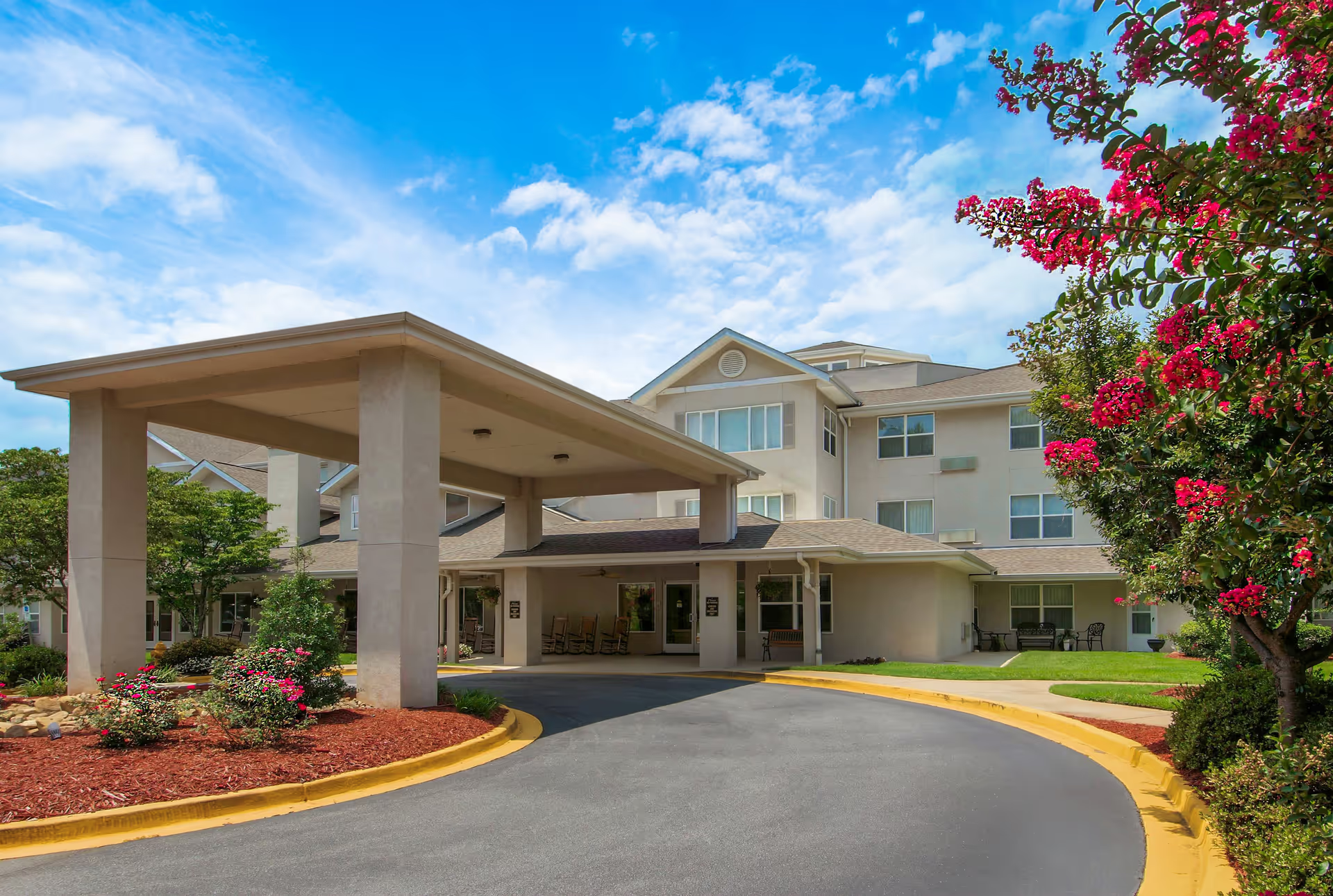
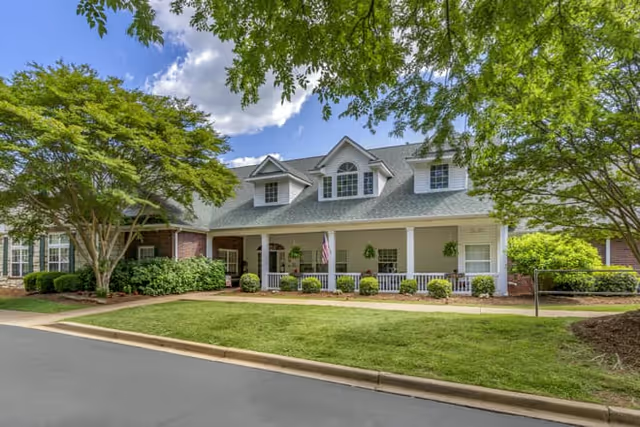
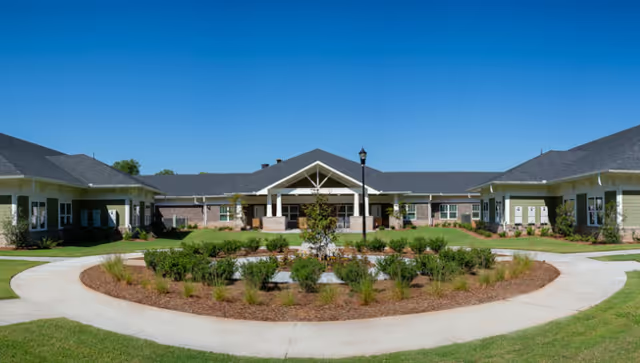
Facility and operations observations are similarly mixed. Several reviewers appreciate the continuing-care model, cottage-style housing, and natural grounds, and they note recent renovations. At the same time, physical layout issues—narrow hallways, older construction, and accessibility constraints—were raised. Sanitation and odor concerns in some areas, along with isolated pest-control problems, were reported; these operational issues coexist with generally praised housekeeping in other parts of the community. Financial and administrative practices are another recurring theme: families described billing and contract communication problems, unexpected charges, and frustration around payment demands and pro-rated rent handling.
Management and communication stand out as a critical axis of variation. Positive impressions often point to a visible, caring executive director and an engaged activities director; negative impressions emphasize mixed messages between administration and frontline caregivers, perceived focus on appearances or bottom-line decisions, and privacy or staff-conduct concerns that in a few cases escalated to allegations of serious misconduct. There are also reports of difficult transitions during ownership changes that affected services and resident experience.
What emerges is a facility with substantive strengths in staff compassion, dining infrastructure, and social programming, but also with operational vulnerabilities—especially around consistent staffing, communication, sanitation/pest control, and financial transparency. Prospective residents and families should verify current staffing patterns, inspect recent sanitation and licensing records, review contract terms for additional fees, and ask about recent renovations, call-system reliability, and how the community handles care transitions and complaints.