Overall impression: The Willows of Easley is portrayed as a small, family-run independent and assisted living community with a consistently praised caregiving culture. Many families describe staff as compassionate, hands-on, and communicative; reviewers highlight 24/7 clinical coverage, on-site nurses/therapists, and proactive administrators who coordinate medical appointments and pharmacy interactions. The community’s approach appears focused on maintaining a home-like atmosphere, individualized attention, and involvement with families, which several accounts link to improved resident wellbeing and positive end-of-life support.
Care and staffing: Care quality is generally presented as a strength — staff responsiveness, attentive nursing, and supportive end-of-life care are recurring themes. At the same time, a pattern of operational concerns emerges around staffing consistency: accounts indicate relatively high aide turnover and uneven performance among direct-care aides, which can lead to variability in daily-care reliability. For prospective residents with higher-acuity medical needs, reviewers indicate the facility can be limited in capacity and may transfer or decline admissions when needs exceed the community’s scope.
Dining and services: Dining is frequently described positively, with praise for a dietitian, kitchen staff, and a varied menu; pureed-diet accommodations and flexible meal options are noted. However, there are intermittent concerns about meal freshness and isolated food-safety issues, along with mixed views on consistency of menu quality. Housekeeping, weekly apartment cleaning, linen service, and responsive maintenance are commonly cited as reliable services, though some families reported extra laundry charges or missing/stained items.
Activities and social life: The activity program is broad and active, with regular outings (shopping, ice cream, theatre, dining), themed events, exercise classes, gospel/music programming, movie days, live performances, and walking trails. Many residents are described as socially engaged and active. A subset of families, however, would prefer deeper engagement — more hands-on crafts, guest presenters, or activity variety for highly active residents — noting that some activities can be worksheet- or sedentary-focused.
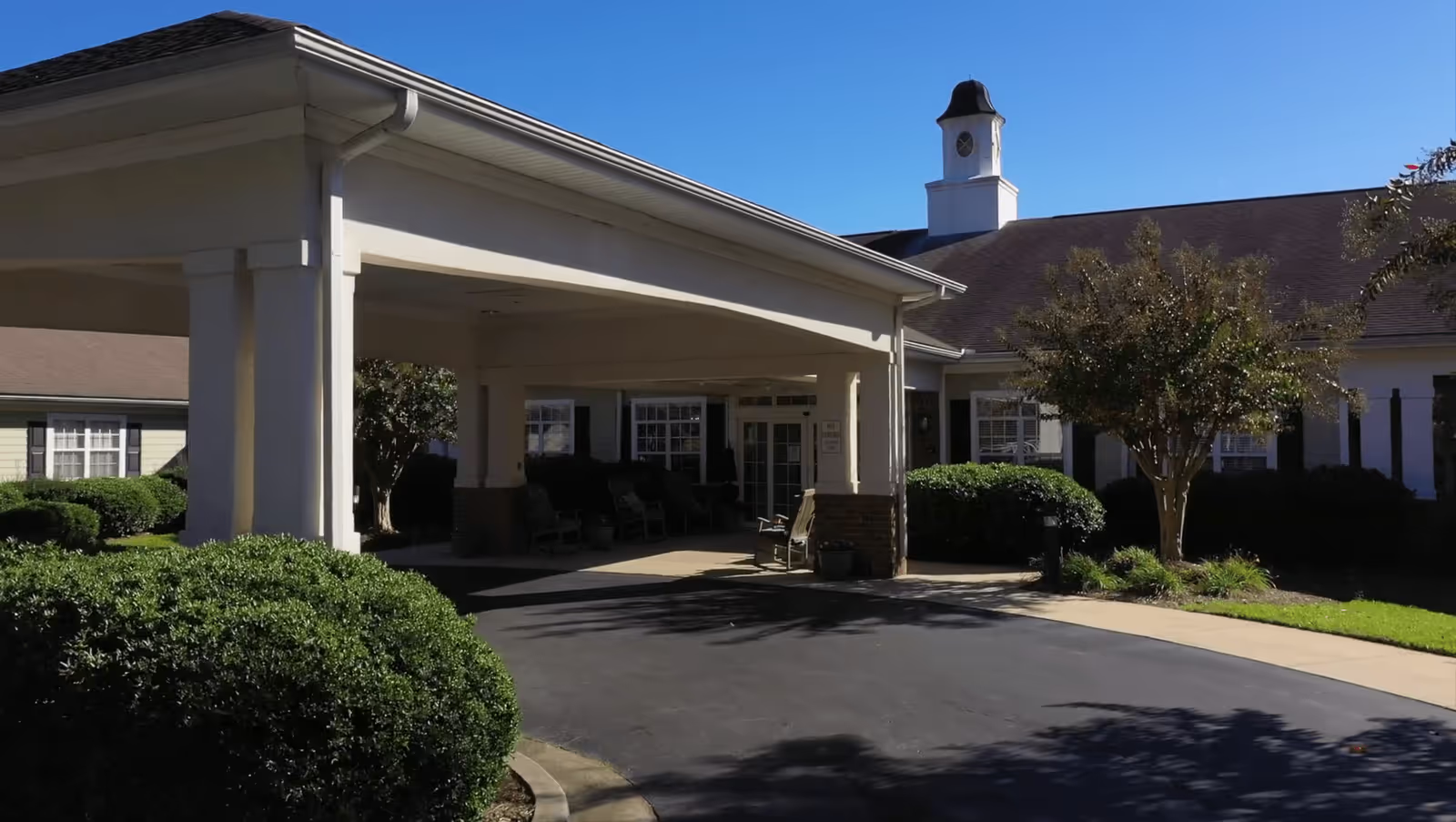
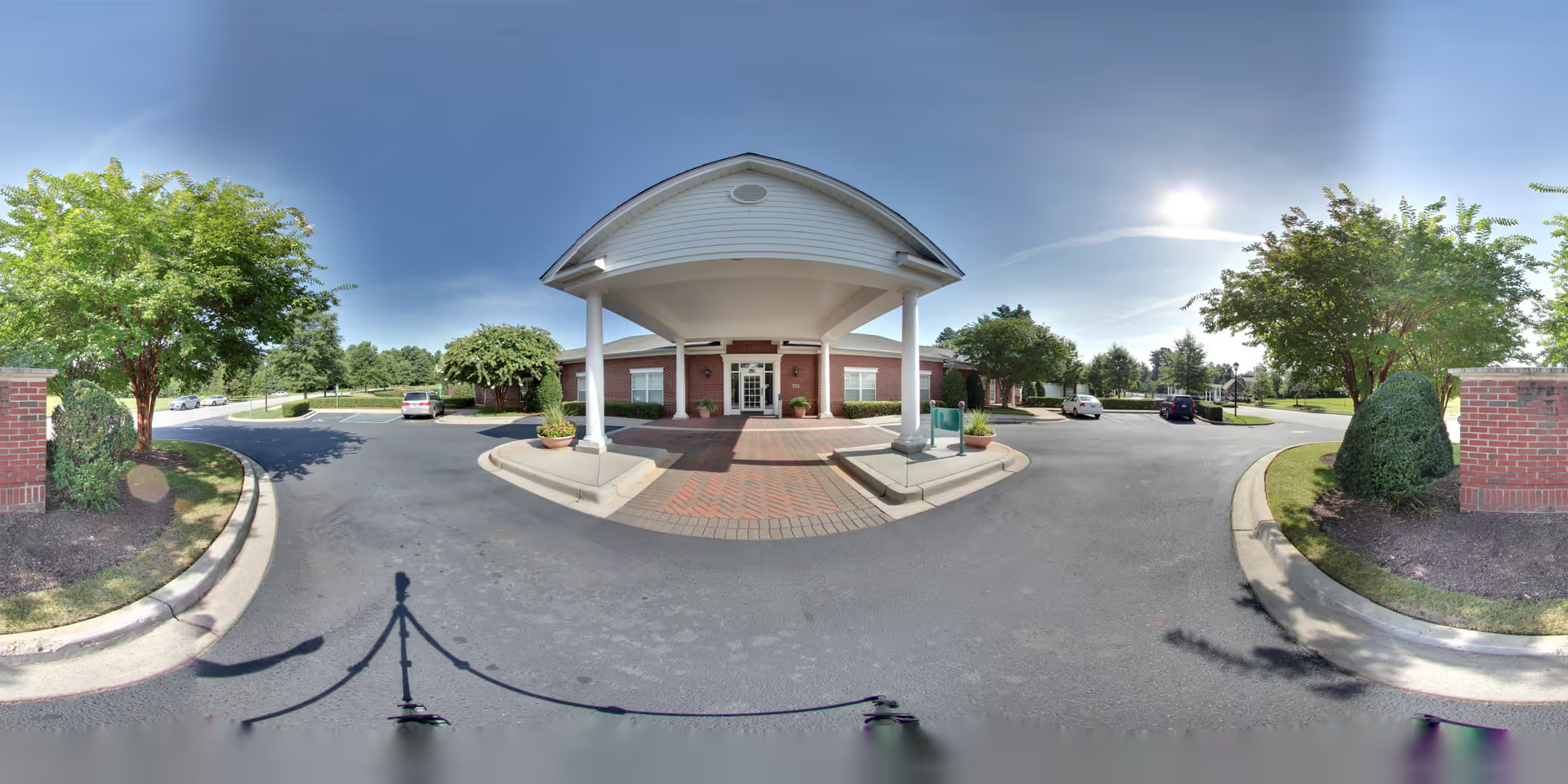
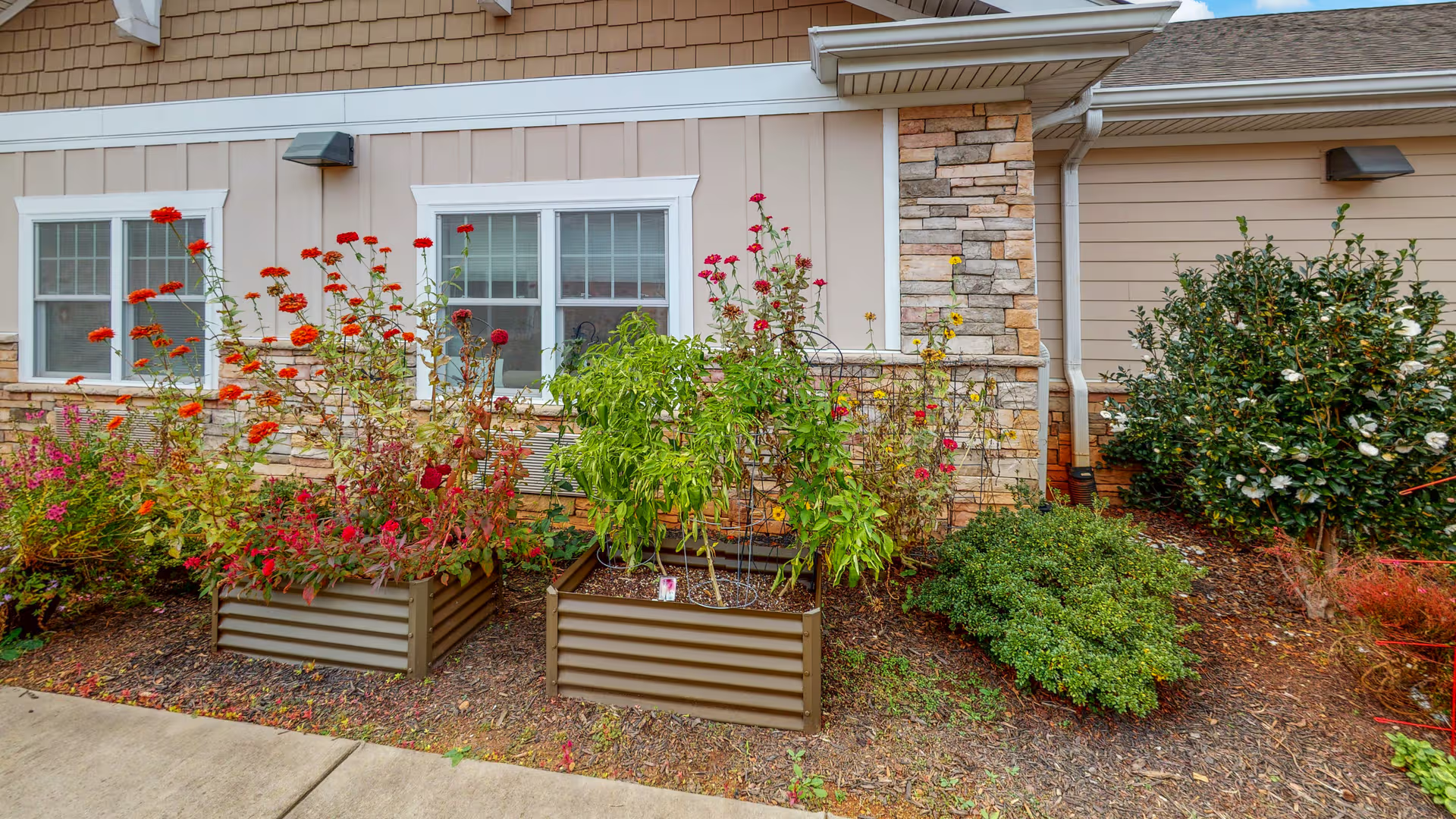
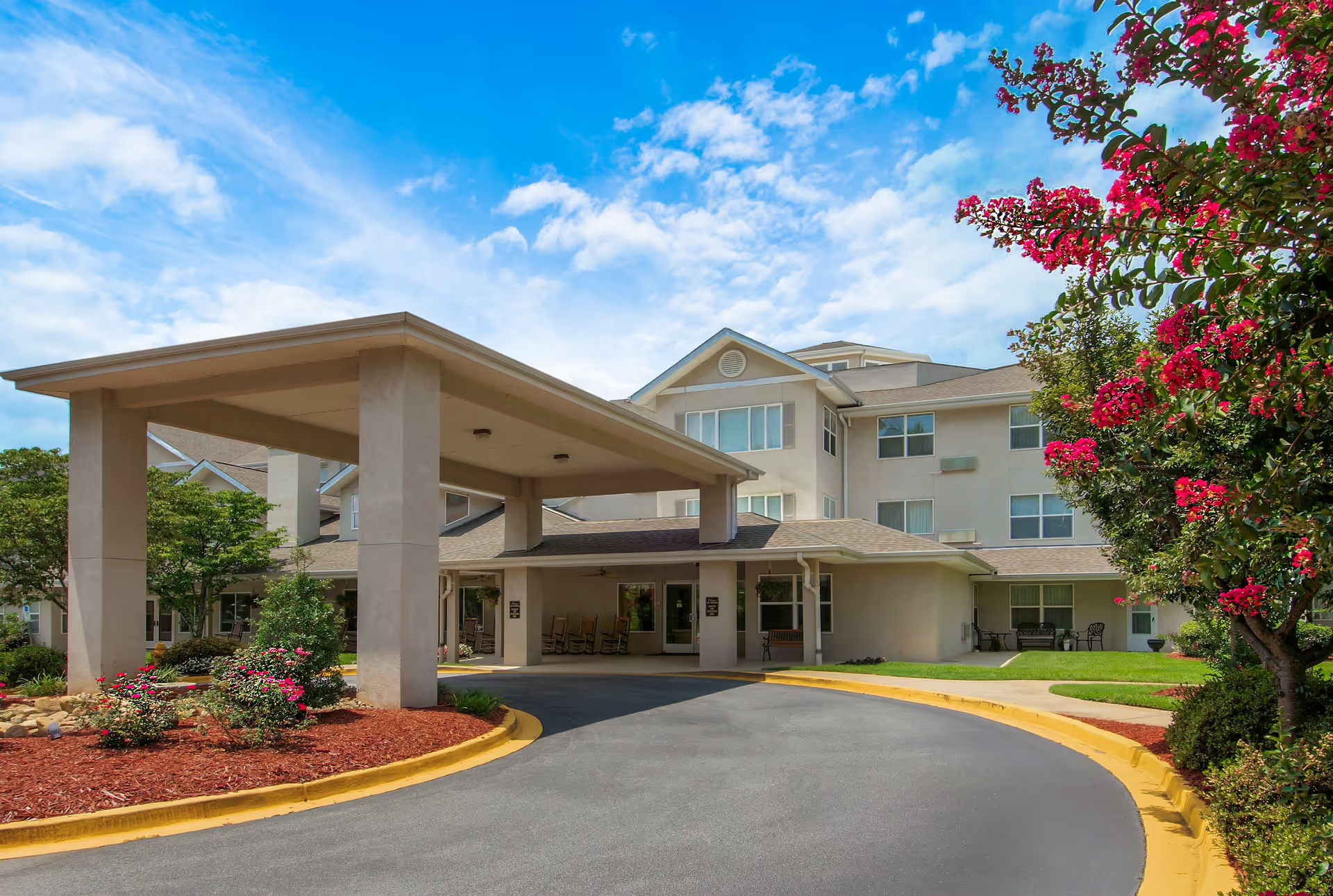
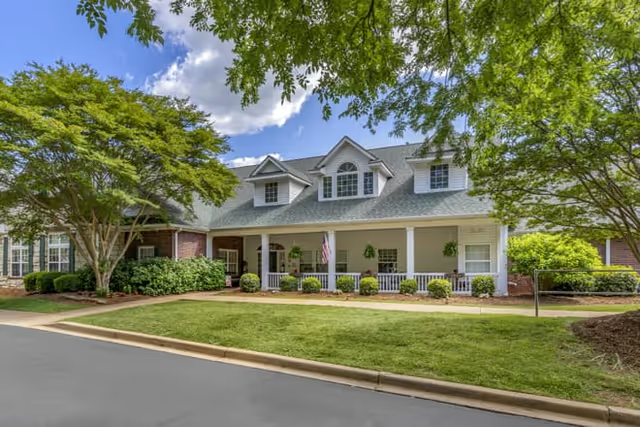
Facility, safety, and amenities: Physical spaces are generally described as clean, well-maintained, and hotel-like in parts, with spacious apartment layouts, private bathrooms, ample closets, and outdoor amenities. Safety features such as emergency pull cords, life-alert pendants, an on-site concierge, ample parking, and a backup generator are noted as strengths. Conversely, some reviewers mentioned dated finishes, dim common areas, and a few sanitation or pest-control concerns that suggest standards can vary by unit or over time.
Management and notable patterns: Management and leadership receive mixed but predominantly positive remarks for being proactive and communicative; individual staff members (named in reviews) are frequently singled out for exceptional attention. Still, there are reports of sporadic communication lapses, occasional last-minute care denials, and inconsistent enforcement of the facility’s pet policy that have caused family frustration. Cost is described as on the higher side by some reviewers, though many families judge it a reasonable value relative to the level of service and the smaller, community-focused model.
Bottom line: The Willows of Easley presents as a warm, activity-rich, and clinically supported community where compassionate staff and a family-style culture are central strengths. Prospective residents and families should weigh those strengths against operational considerations such as staffing consistency, the facility’s limits for higher-acuity care, occasional service inconsistencies (laundry, food freshness), and pet-policy clarity. An in-person tour that discusses care-level thresholds, staff turnover metrics, and written pet and laundry policies would help clarify whether the community’s operating patterns align with a prospective resident’s needs.