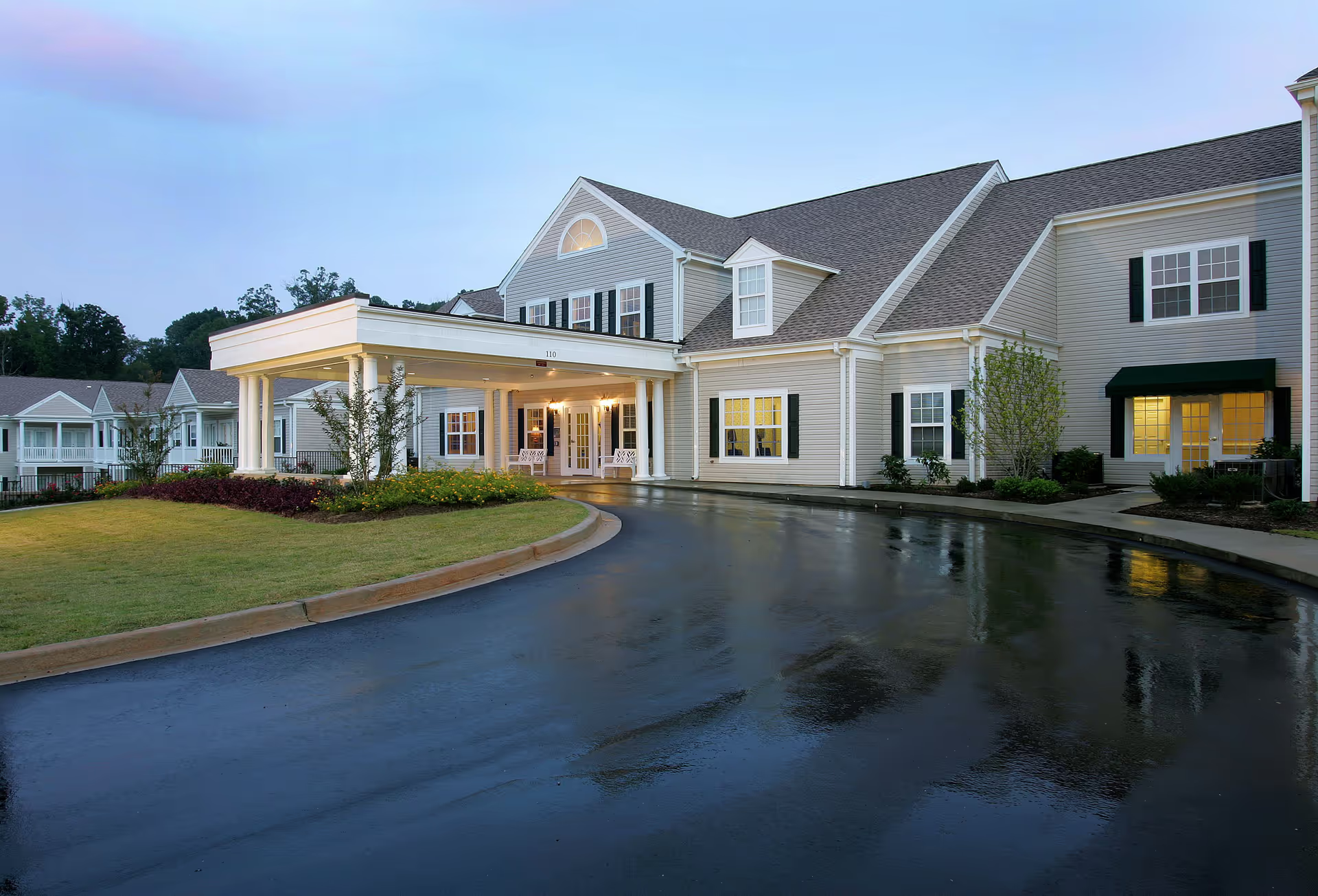
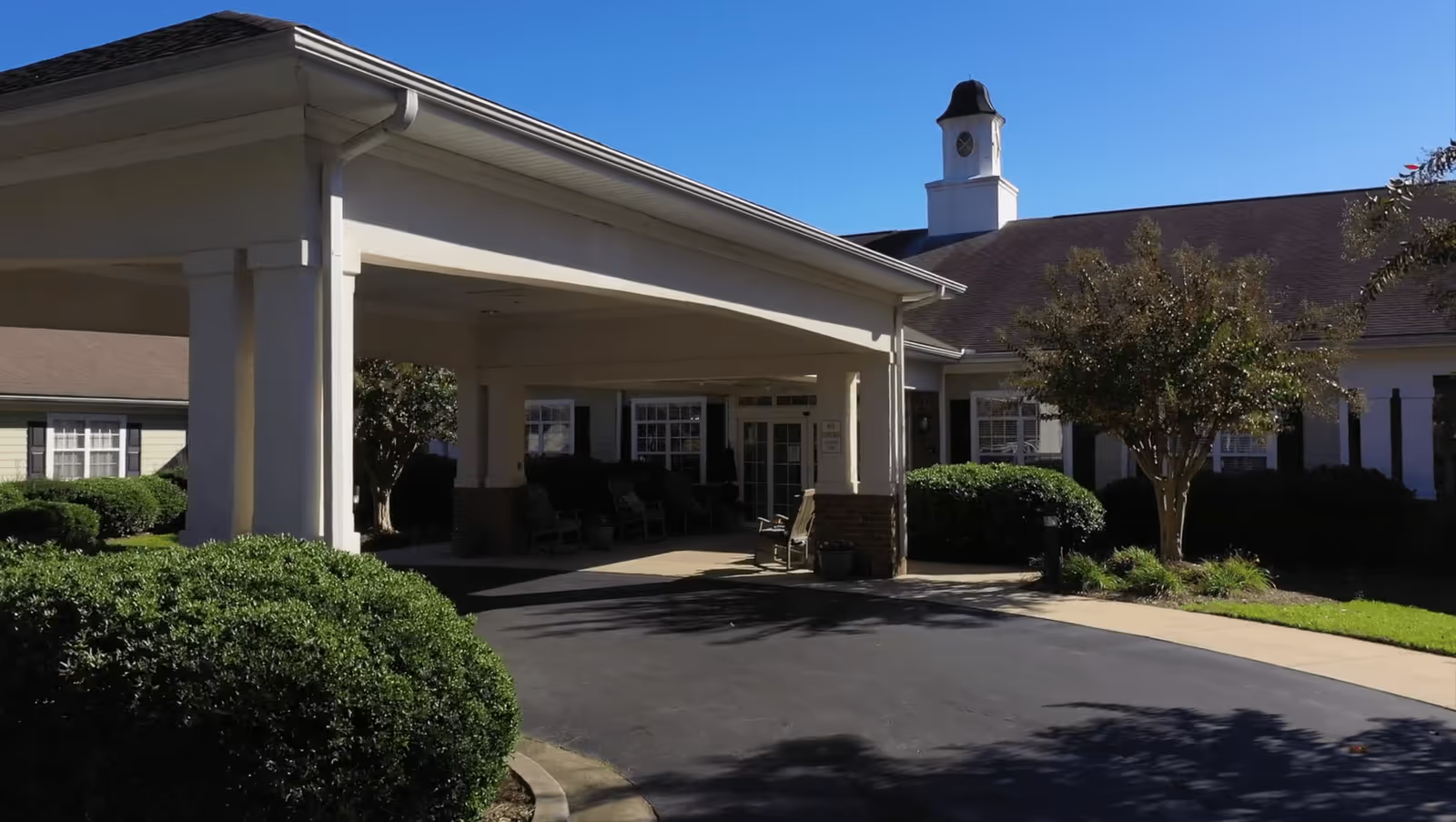
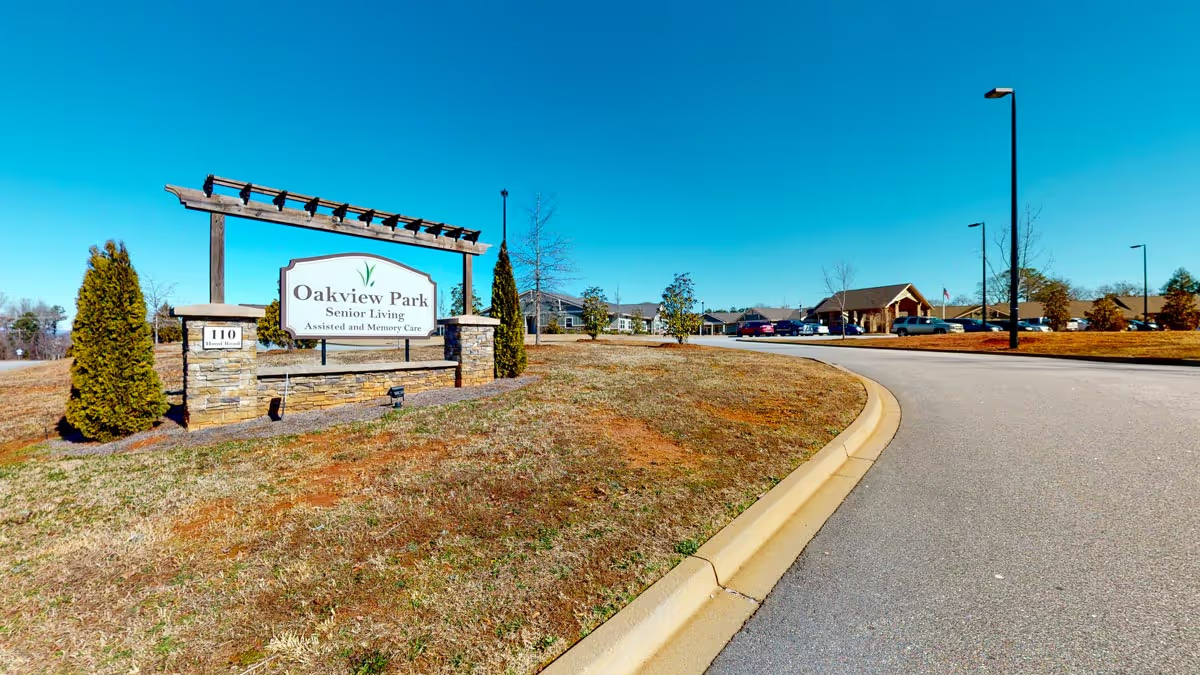
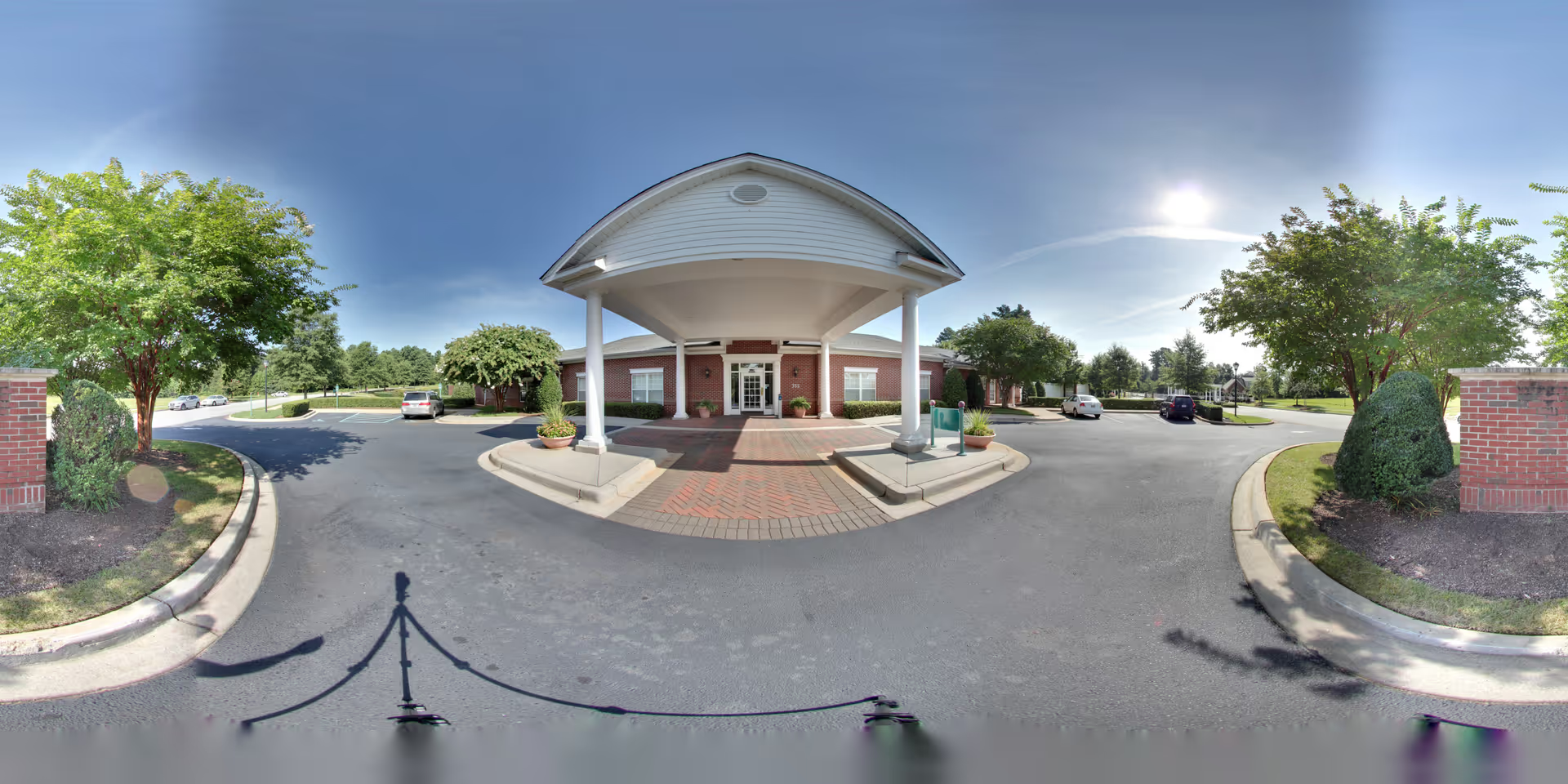
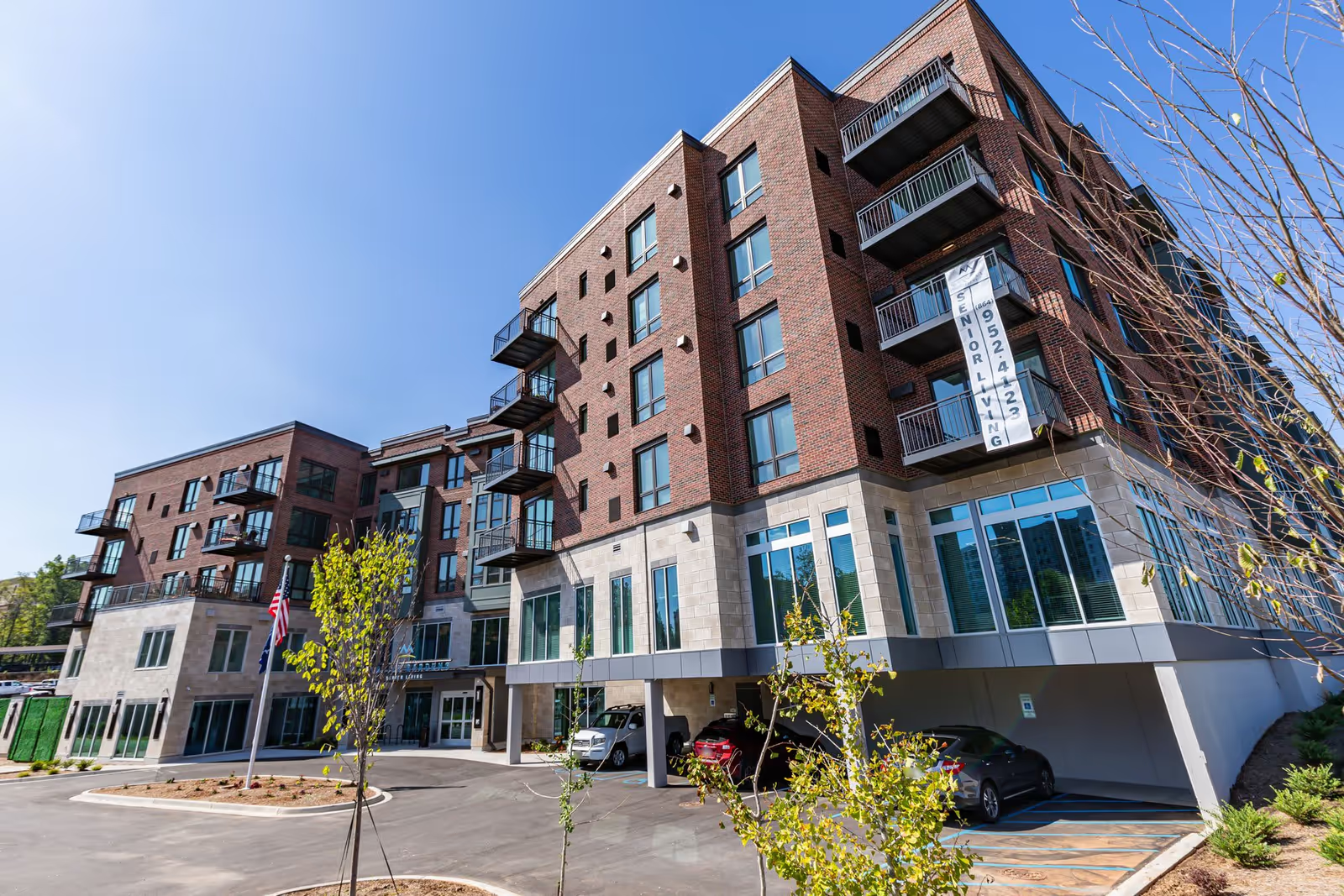
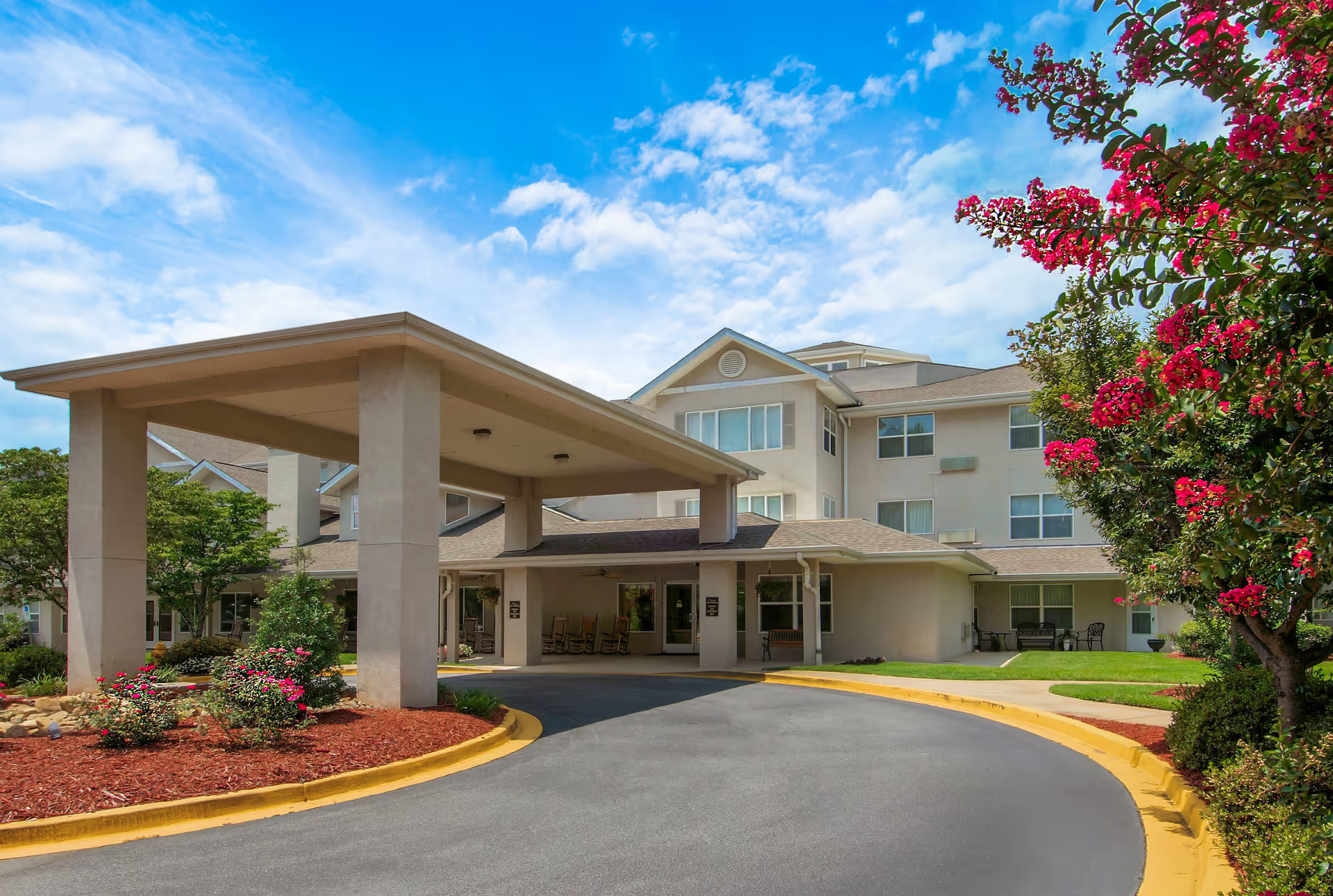
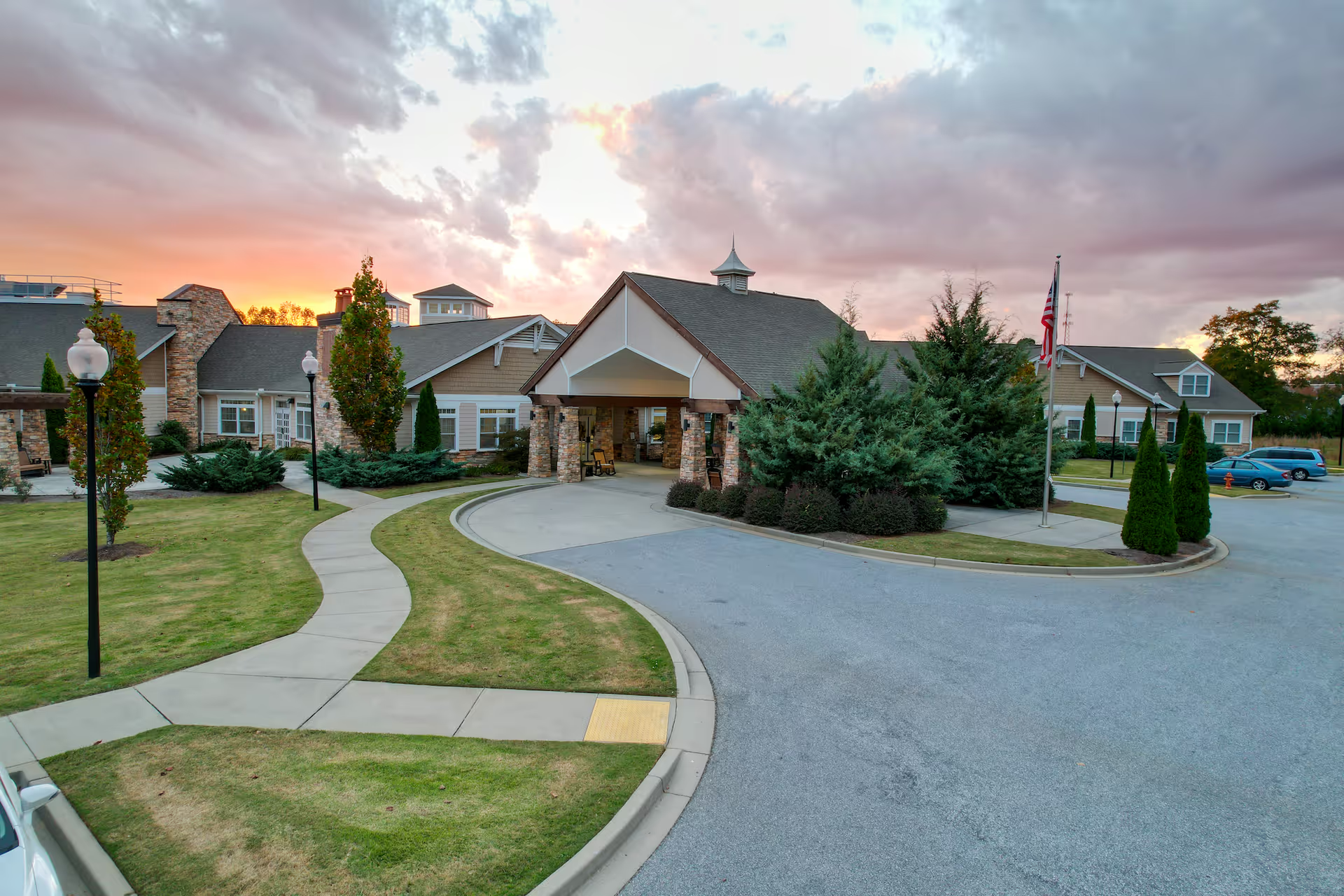
The reviews for this facility are strongly polarized, with a clear split between families praising the community atmosphere and others raising serious operational concerns. Positive accounts emphasize a small, home-like setting, attentive caregivers, active family communication, and home-style dining and social activities. Negative accounts identify recurring problems around clinical oversight, cleanliness, safety, and management responsiveness.
Care quality appears inconsistent. Several families described attentive daily caregiving and frequent communication with clinical staff, while other accounts point to lapses in medication administration and limited monitoring of chronic conditions such as diabetes and COPD. There are specific concerns about inconsistent nurse presence and gaps in monitoring that could affect residents with complex medical needs. Prospective residents with higher-acuity needs should verify clinical staffing ratios and medication-administration protocols before placement.
Staff and community culture are frequently described in positive terms: compassionate aides, a ministry-like atmosphere, engaged cooks, and organized communal meals and events. At the same time, some reviewers raised concerns about staff conduct and communication tone, describing interactions that family members found inappropriate or intimidating. This creates a mixed picture in which interpersonal warmth coexists with instances of problematic conduct for which families sought better communication and accountability.
Dining and activities are commonly cited strengths. Reviewers noted home-style dinners, attentive kitchen staff, and social events (for example, communal pizza night) that contribute to a welcoming environment. Those positive elements were among the most consistent compliments, and the facility’s residential scale seems to support a family-style dining and social program.
Facility condition and safety showed contradictory reports. The building’s residential character and attractive interior are frequently praised, but other accounts describe maintenance and sanitation issues, pest-control concerns, uneven flooring, and indoor-smoking practices that some families found unsafe or inappropriate for an eldercare setting. Shuttle transport for medical appointments was noted as a convenience by some families.
Management and administrative practices draw both praise and criticism. Several families commended caring administrators and proactive communication, while others described slow or inadequate responses to pest problems and questions about billing. Specific financial concerns—such as unexplained account debits—and questions about licensing and regulatory oversight were serious enough that some families involved outside protective services. These contrasts suggest variability in responsiveness and accountability depending on the situation.
Notable patterns: strong positive experiences center on the home-like atmosphere, dining, and staff attentiveness, while negative experiences center on clinical oversight, sanitation and pest control, staff conduct, facility maintenance, and administrative responsiveness. For prospective residents and families, recommended due diligence includes: verifying current licensing and inspection records, asking for written medication and staffing protocols, reviewing pest-control and smoking policies, confirming billing procedures and account protections, and conducting multiple visits at different times of day to assess staffing levels and overall environment. These steps can help determine whether the facility’s strengths align with the prospective resident’s care needs and safety expectations.