Overall impression: The facility presents as a pleasant, budget-conscious assisted-living option with private rooms, a well-kept dining area, and structured recreational options. Families and residents frequently described staff as caring and attentive, noted that meals were generally good, and identified proactive communication about health updates as a clear strength. Several accounts emphasized that the level of personal attention provided exceeded what they expected from a typical assisted-living setting.
Care and staff: Reviews indicate a predominantly positive experience with frontline caregivers — described as accommodating, responsive, and hands-on. At the same time, there are clear indications of inconsistent staff conduct and responsiveness across instances. A limited number of narratives raised concerns about interactions or service delivery that did not meet expectations; these led relatives to recommend careful questioning and thorough documentation when arranging care. Prospective families should verify staff training and shift coverage, and confirm how the facility handles escalation and communication when needs change.
Clinical scope and management: The facility appears to operate at an assisted-living level rather than a nursing-home level; that aligns with comments noting good personal-care attention but limited access to higher-acuity nursing services. Management practices were praised in some cases for keeping families informed, but other observations point to gaps in documentation and family-communication practices. These mixed patterns suggest variable administrative follow-through — asking for written care plans, communication protocols, and examples of nurse availability is advisable.
Dining and activities: The dining area and meal quality were frequent positives, with reviewers noting satisfactory food at an affordable price. Activity programming is present (bingo, puzzles and similar activities), but reviewers also noted that offerings may not align with every resident's interests. Prospective residents should inquire about individual activity schedules, opportunities for personalized engagement, and flexibility to accommodate specific hobbies or preferences.
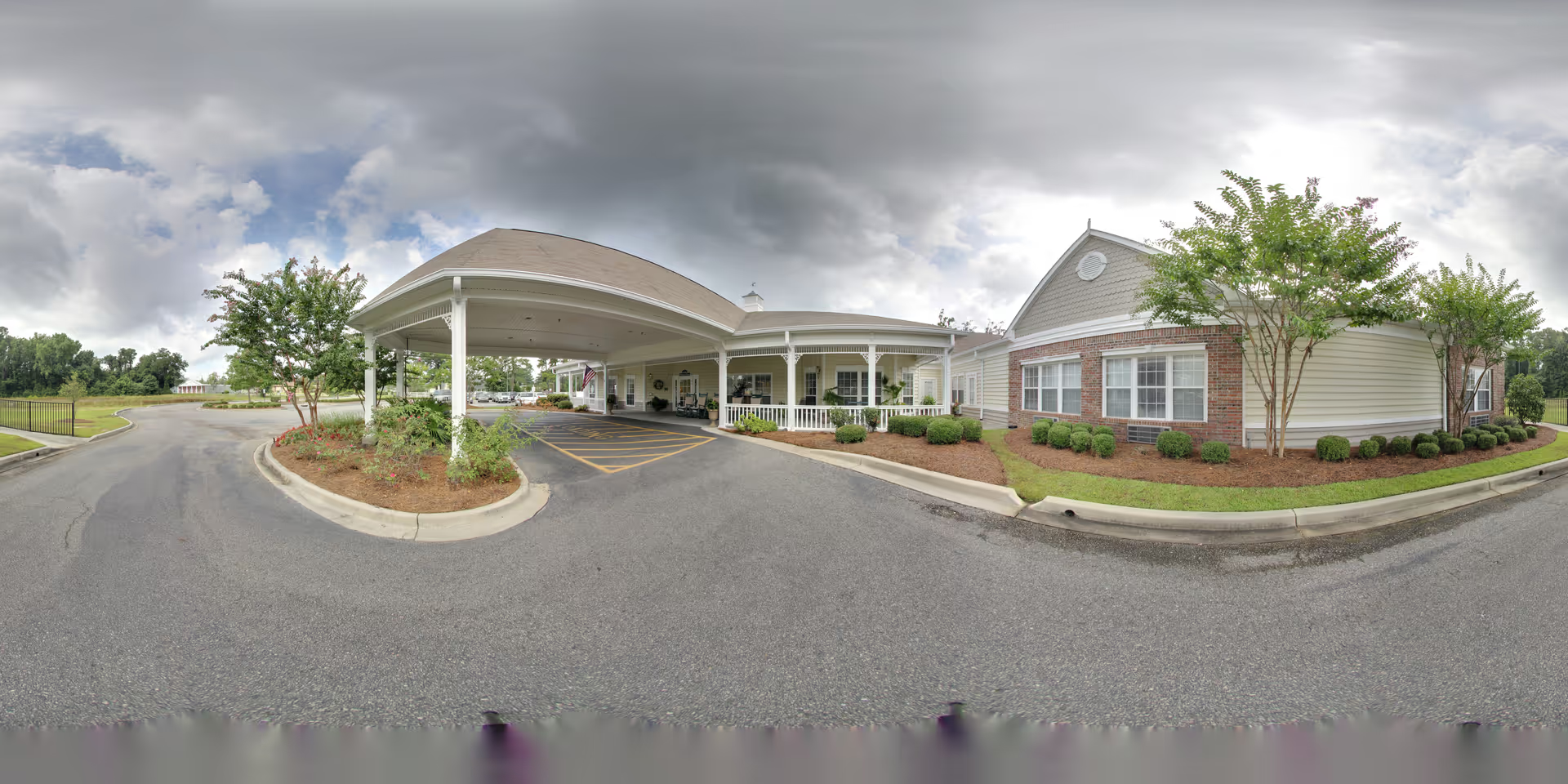
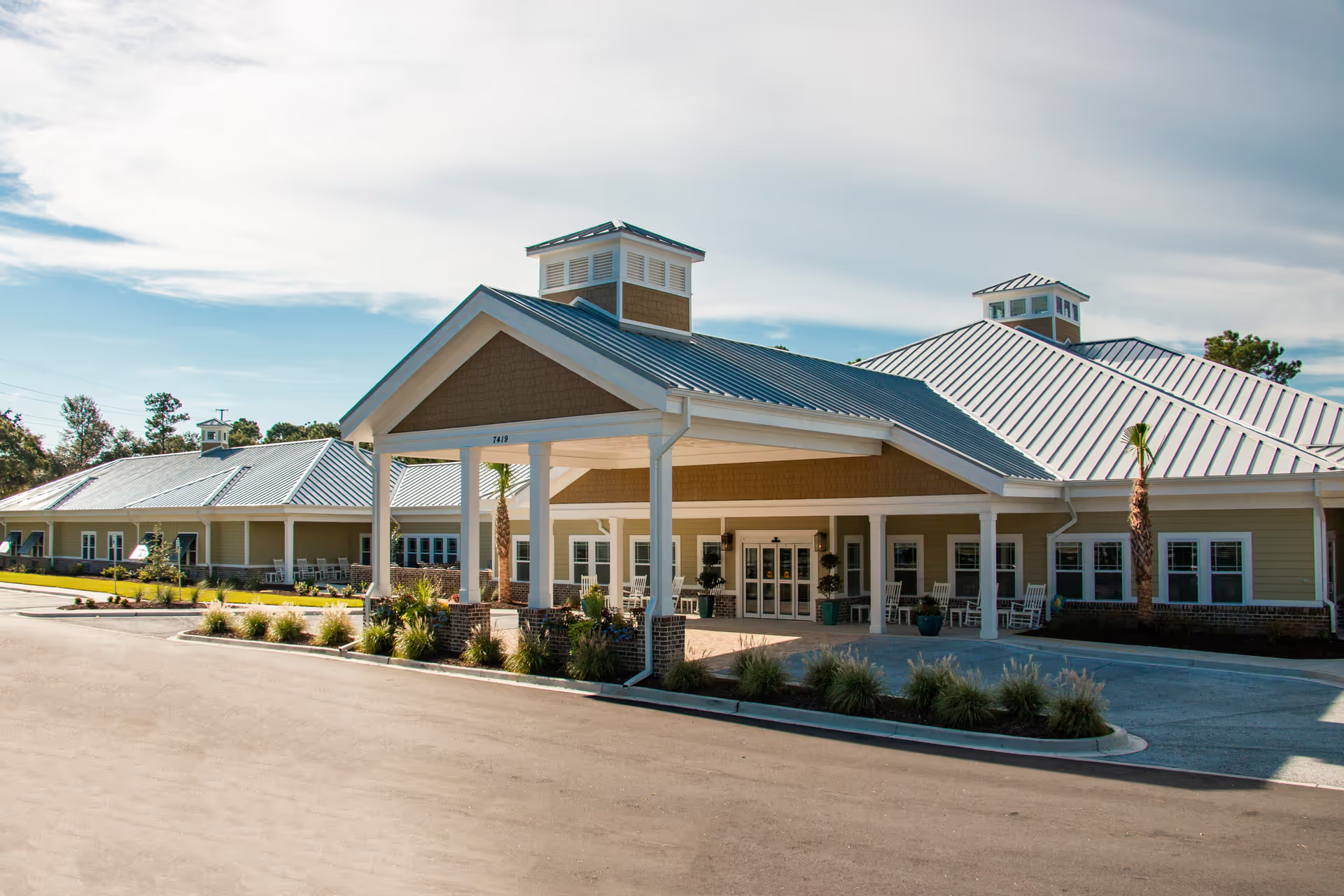
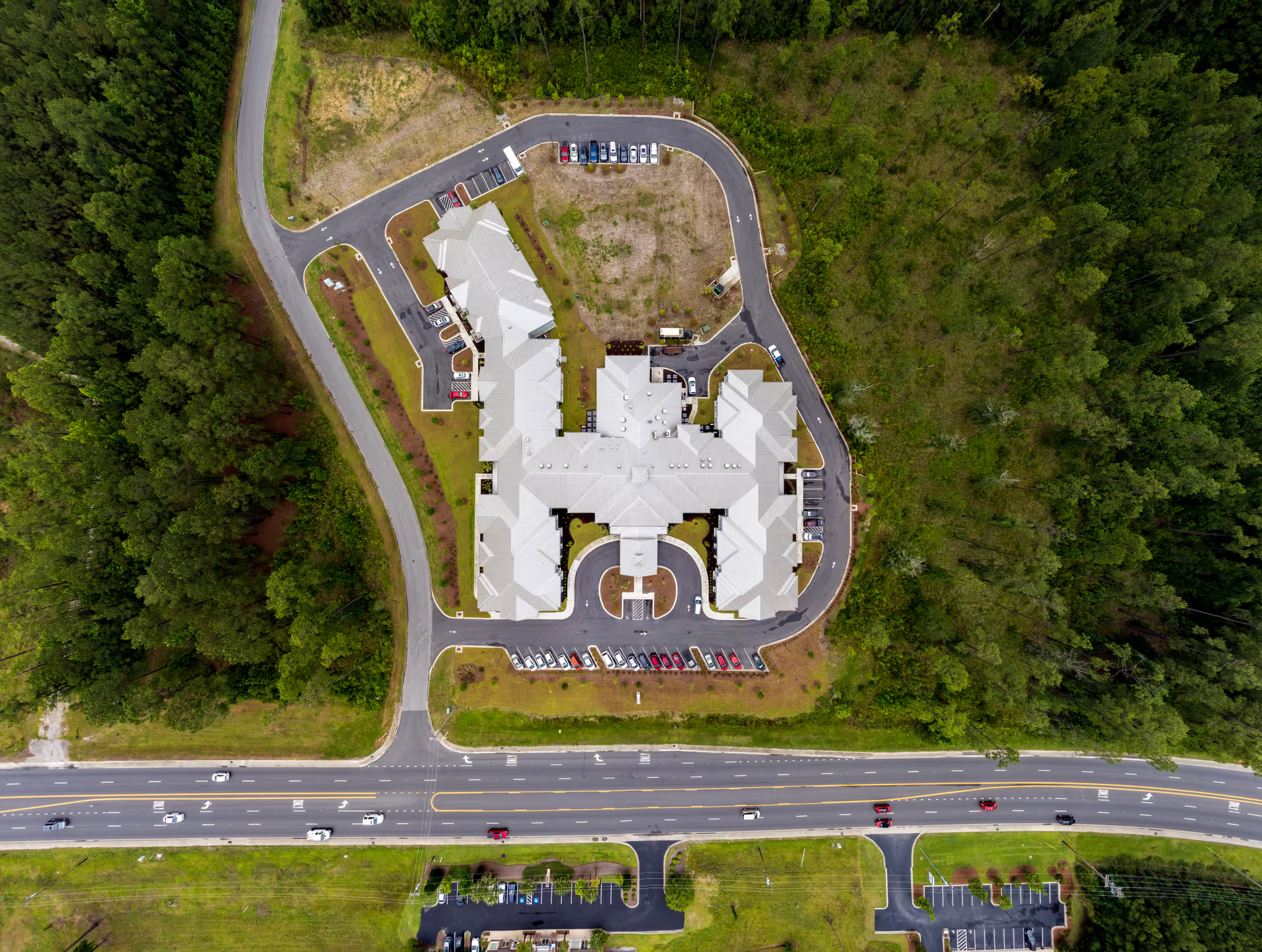
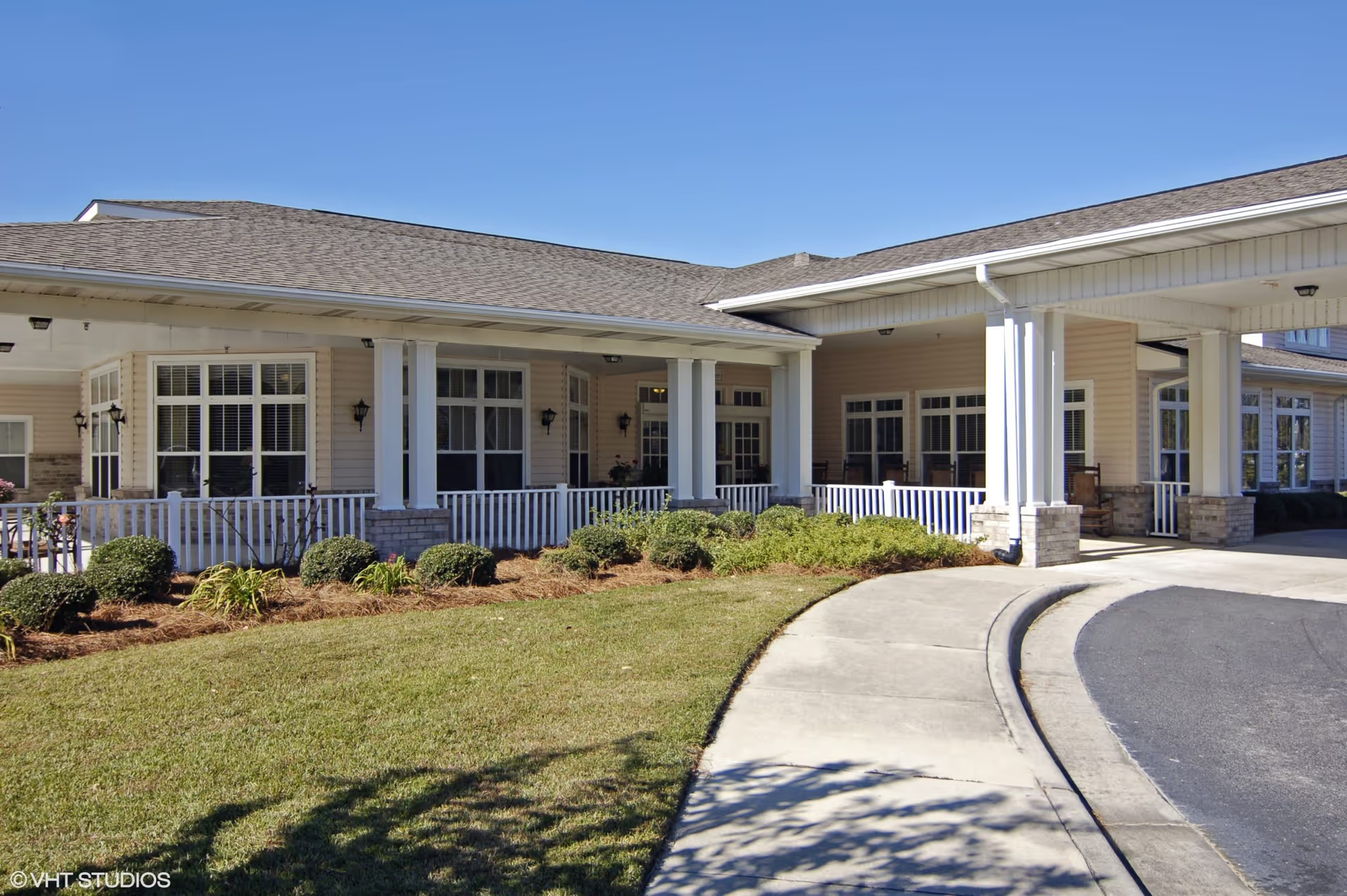
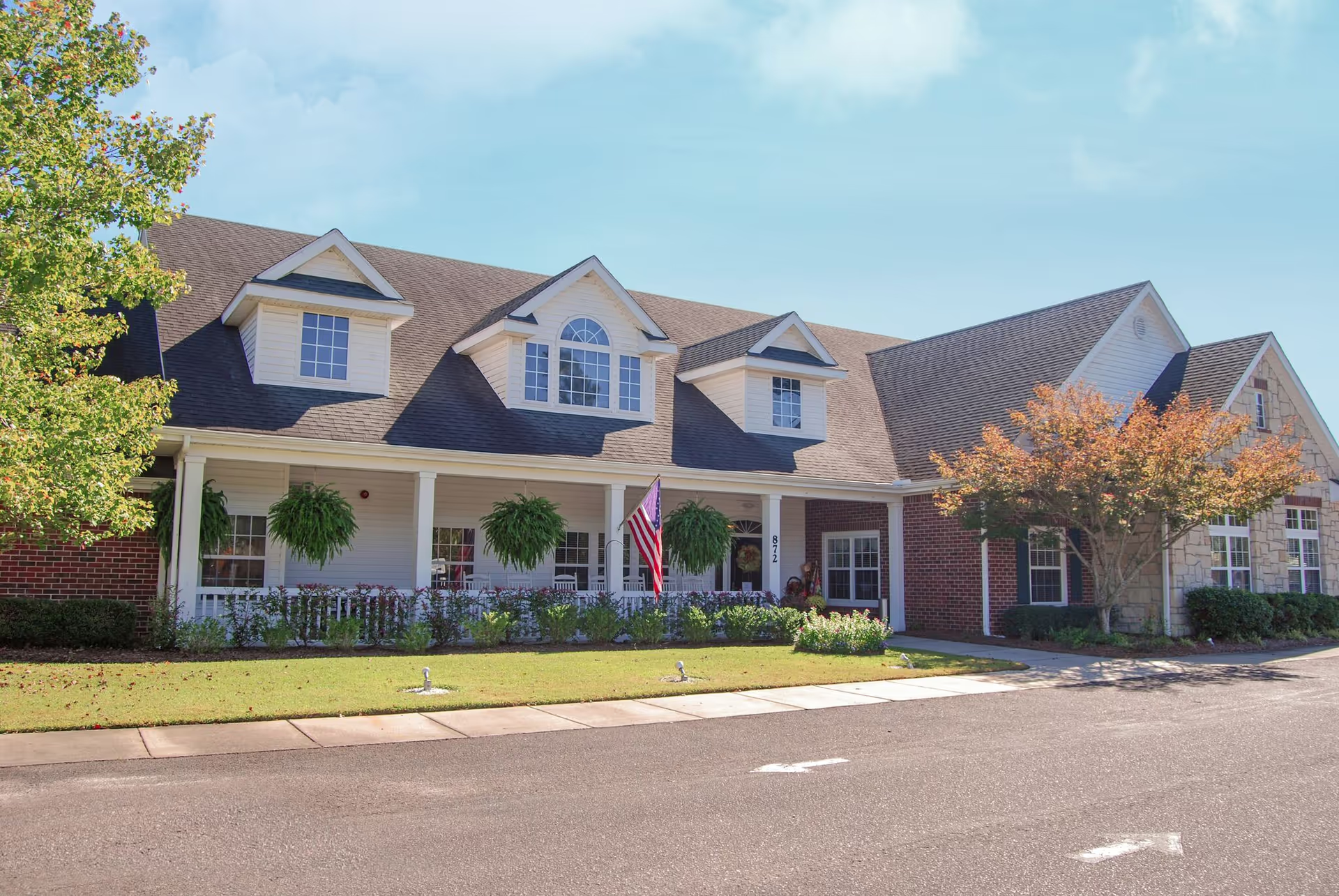
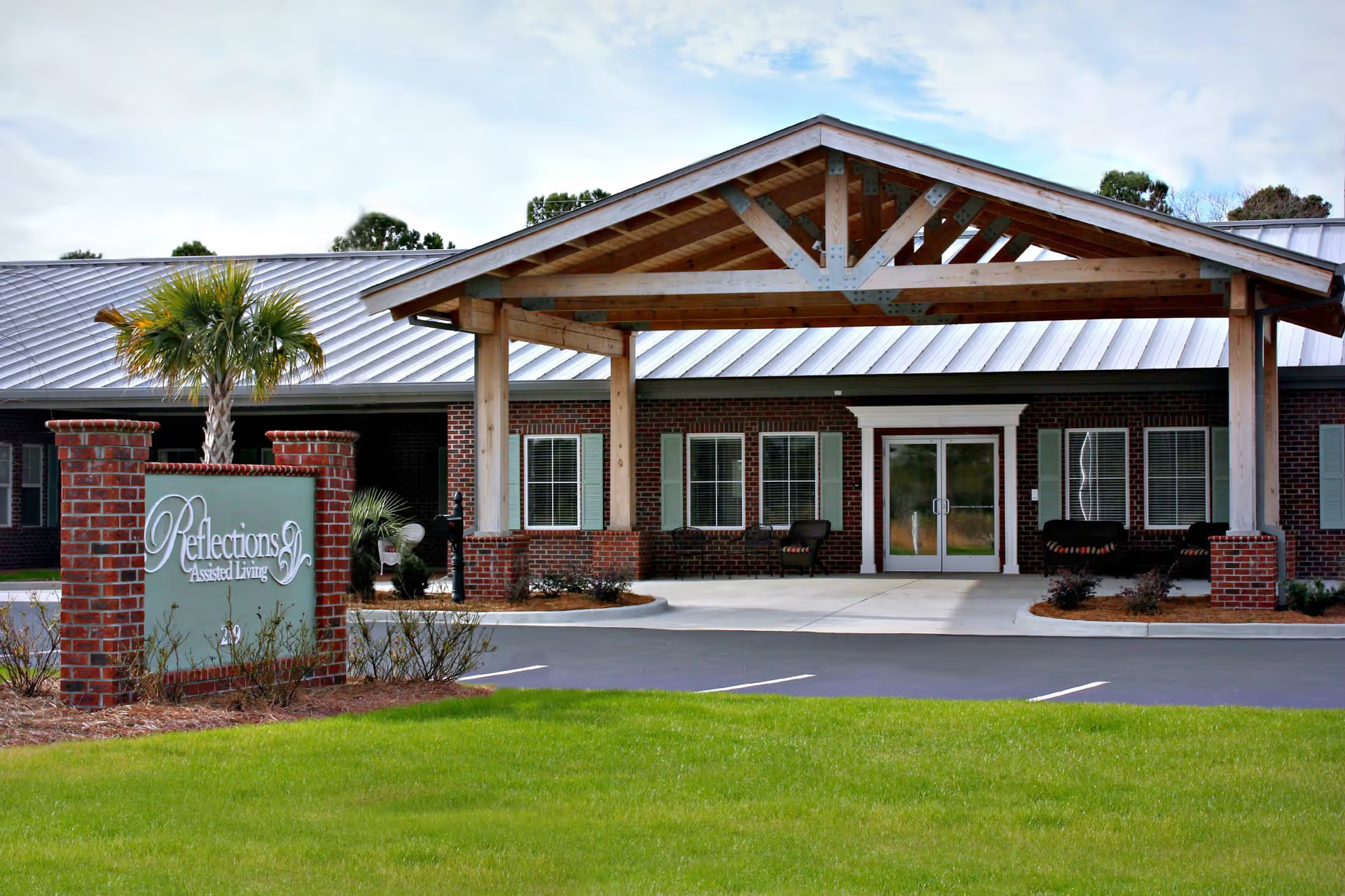
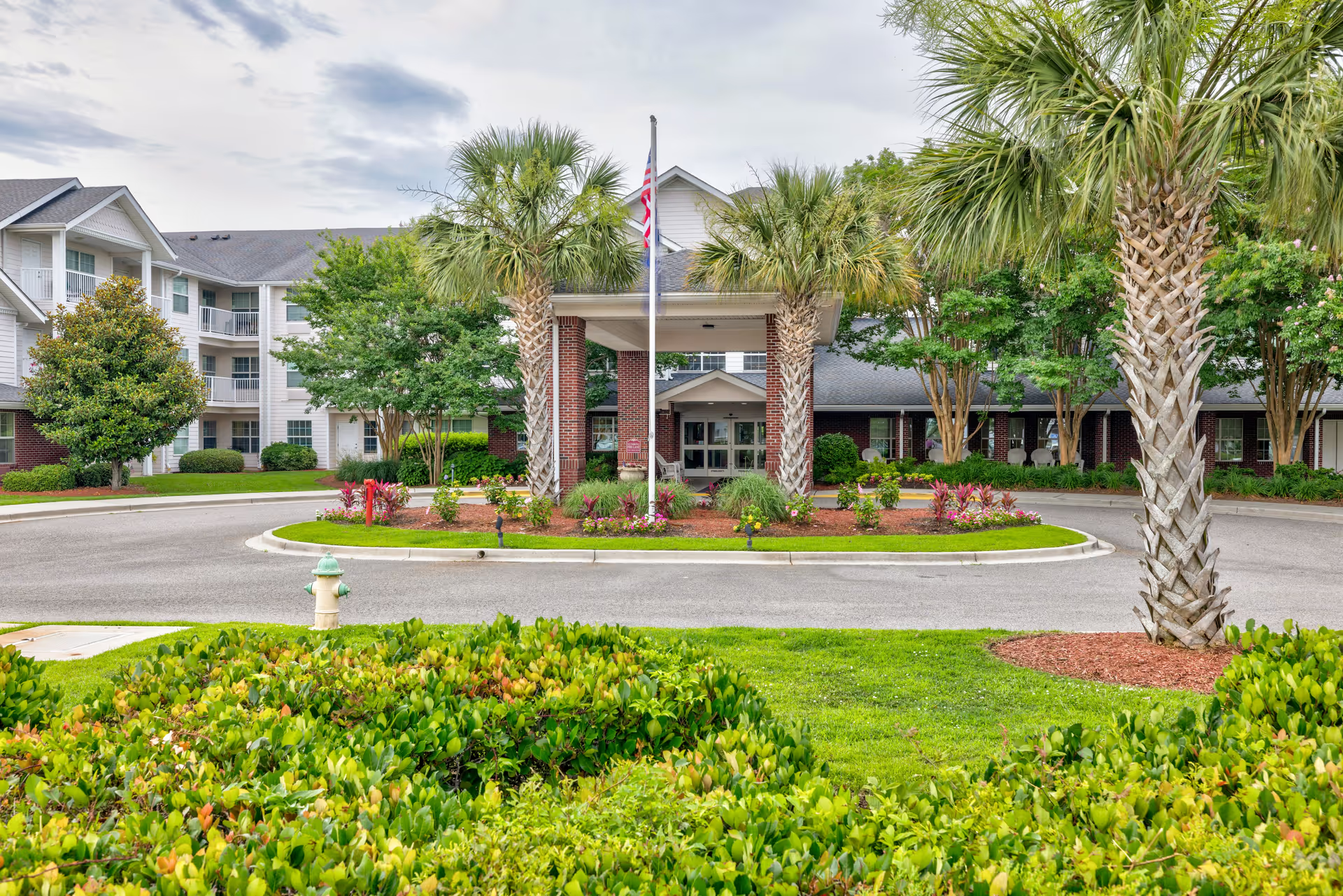
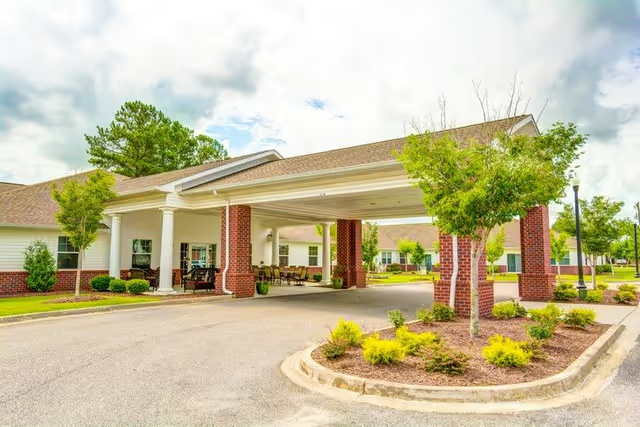
Facilities and impressions: The physical environment and communal spaces are generally described as nice and accommodating. However, some reviewers expressed that appearances were not always representative of the level of service received, indicating a potential mismatch between presentation and day-to-day operations. When touring, families should look beyond aesthetics and request to observe routines, staffing levels during mealtimes and activities, and sample communication from the care team.
Notable patterns and recommendations: The overall pattern is one of a cost-conscious facility that provides attentive, personable care for many residents, coupled with occasional operational inconsistencies. Important steps for prospective residents and families include asking specific questions about clinical capabilities, staffing ratios, documentation practices, and communication policies; requesting written care plans and escalation procedures; and arranging trial stays or multiple visits to observe consistency. These steps can help align expectations with the facility's actual scope and performance.