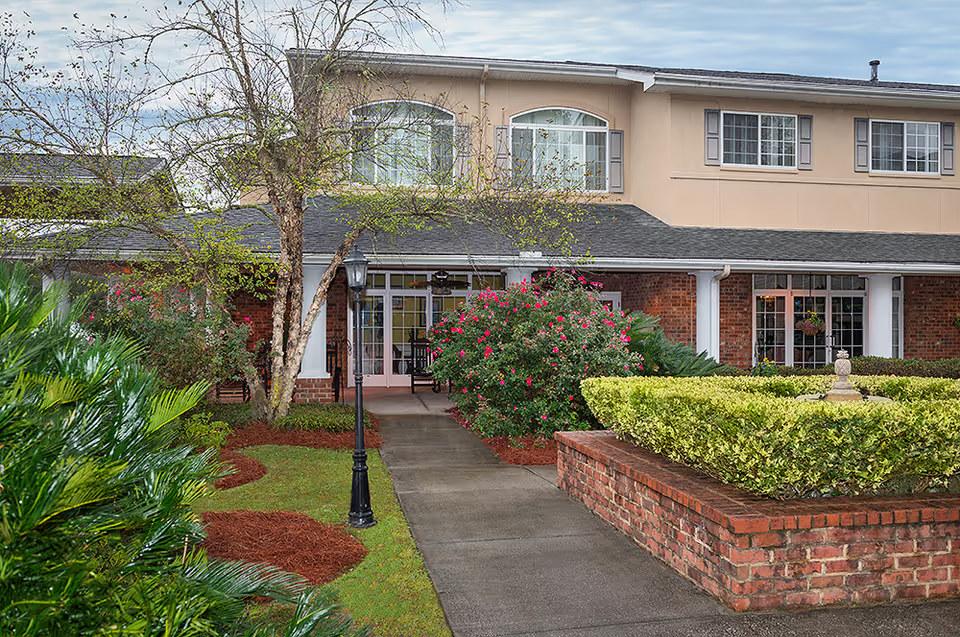
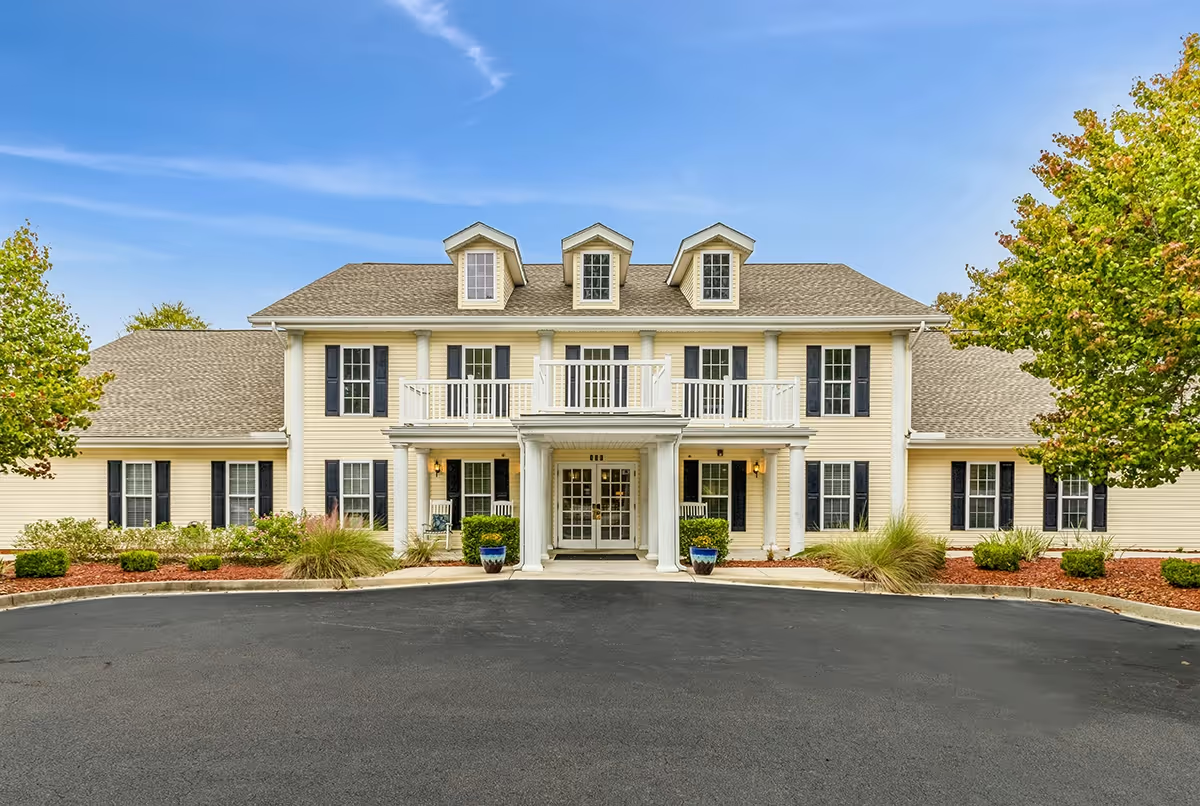
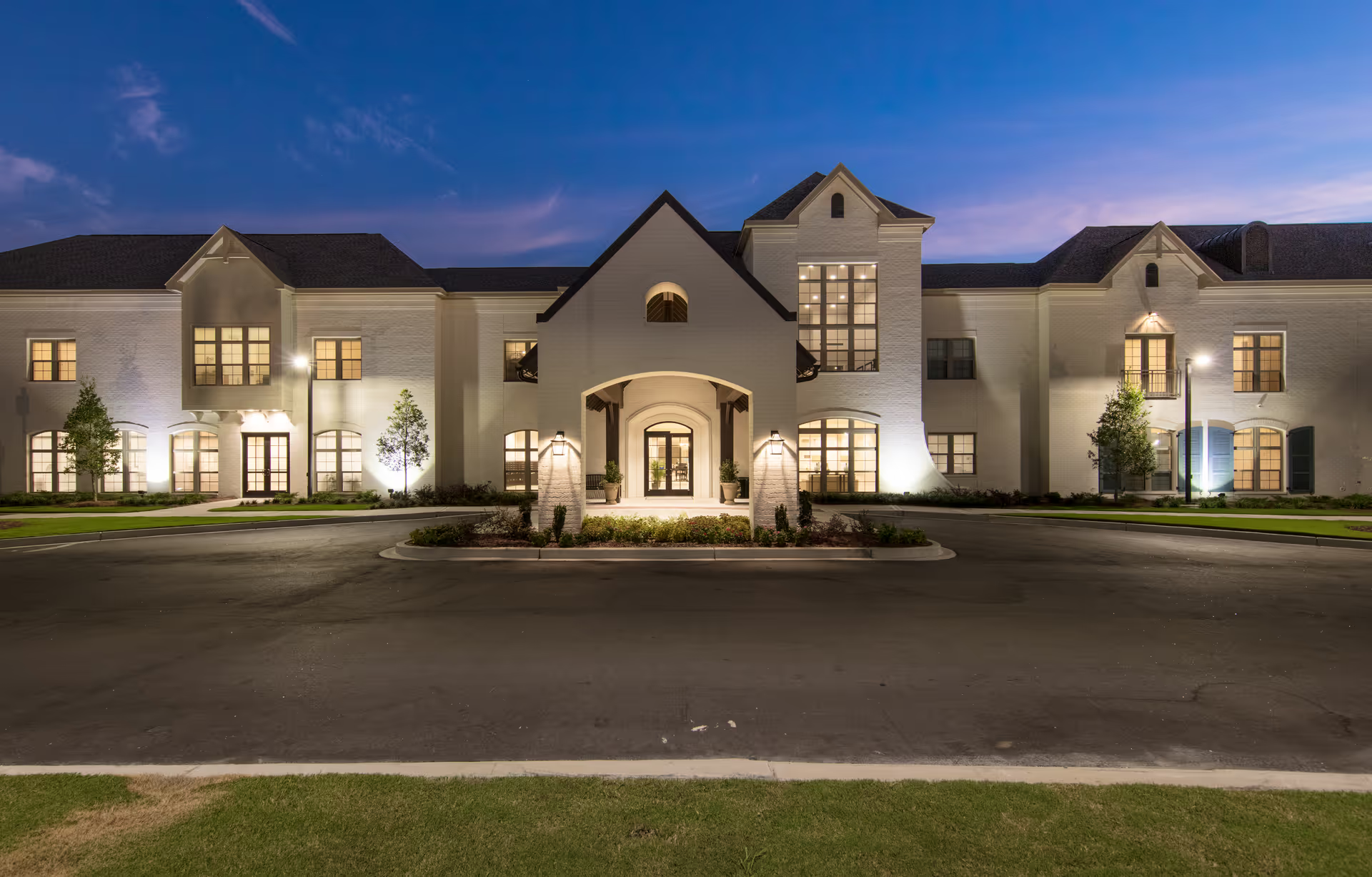
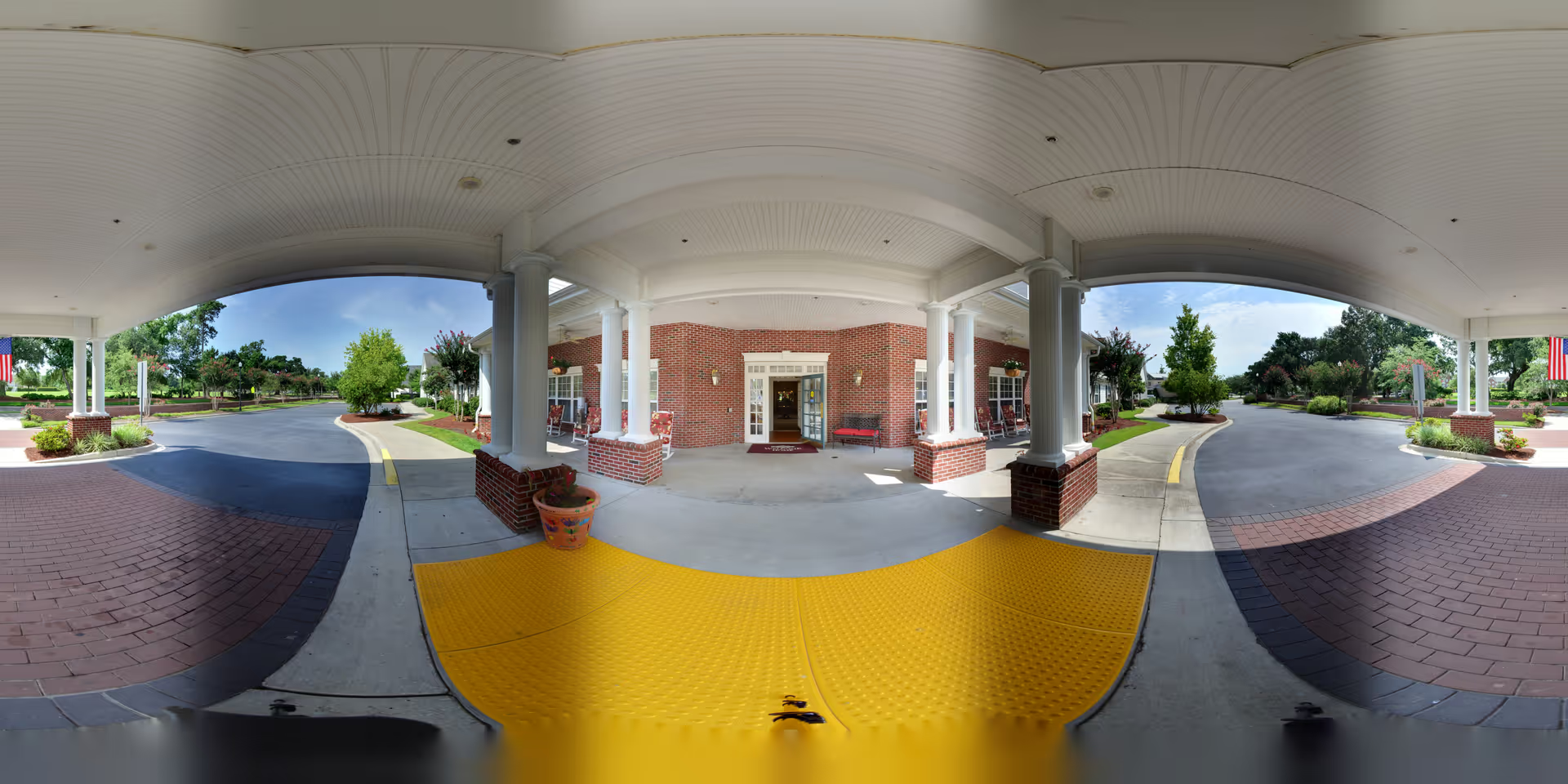
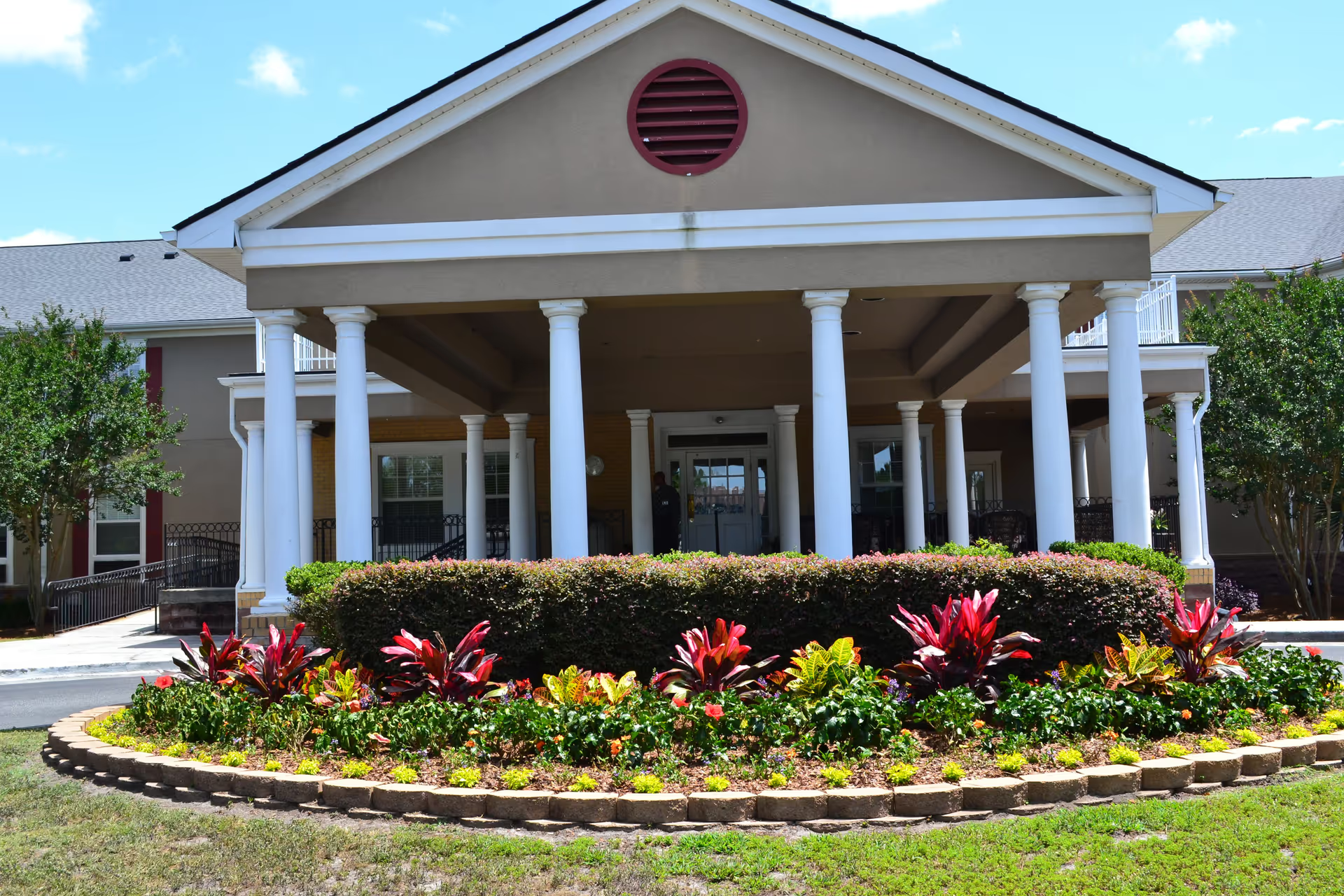
Quality Care Residential Home is described predominantly as a small, home-like assisted living community with an emphasis on personalized, compassionate caregiving. Families frequently note attentive, warm staff and an administrative team that can be responsive; several comments describe staff who create a family-like atmosphere and who go beyond basic duties to support residents. The facility’s scale and layout (single-floor living, central dining and common areas, a front porch and courtyard) reinforce an intimate environment that many families find comforting and easy to navigate.
Care quality is a central strength for many reviewers: caregivers are characterized as attentive, respectful, and quick to alert families when issues arise. The presence of an on-call in-house physician is cited as an added clinical-support asset. That said, there are notable exceptions. A subset of accounts raises concerns about clinical incident handling and communication with families following serious events; these accounts suggest the need for prospective residents and families to ask specific questions about the facility’s protocols for transfers, incident reporting, and coordination with external providers. Reviewers also describe variability in task completion (for example, missed personal-care tasks) and periodic staffing gaps that can affect resident attention.
Dining and activities receive consistent praise. Meals are described as high quality with a capable chef, varied menus, and overall resident enjoyment. Programming includes bingo, devotional and spiritual groups, music, and common-area entertainment, which supports social engagement for many residents. However, activity intensity appears variable across stays; some reviewers found the schedule engaging while others perceived the community as less active.
Facility condition and amenities present a mixed picture. Many reviewers describe the building as clean and well-kept, but others note areas that feel dated, darker rooms, or localized cleanliness and odor-control issues. Room size and layout are recurring practical considerations: resident rooms are often described as small, and private in-room bathrooms are limited—shared bathrooms remain part of the facility configuration. There are also mentions of additional fees for certain in-room amenities (for example, cable), which prospective families should clarify during tours.
Management and admissions processes are generally praised when staff are engaged and communicative; several reviewers specifically commend the director and named staff for creating a reassuring environment. Conversely, some families experienced inconsistent tour experiences, short or unprepared tours, and administrative communication problems including difficulty obtaining deposit refunds. Those patterns point to variability in front-line administrative reliability.
Overall, Quality Care appears well suited to families prioritizing close personal attention, a small-community atmosphere, and strong dining and social programming. Prospective residents should plan an in-person visit when possible, and during a tour ask detailed questions about private-bathroom availability, room dimensions, staffing continuity, clinical-incident protocols and family notification procedures, and any additional fees or deposit policies to ensure the community’s operational practices match their expectations.