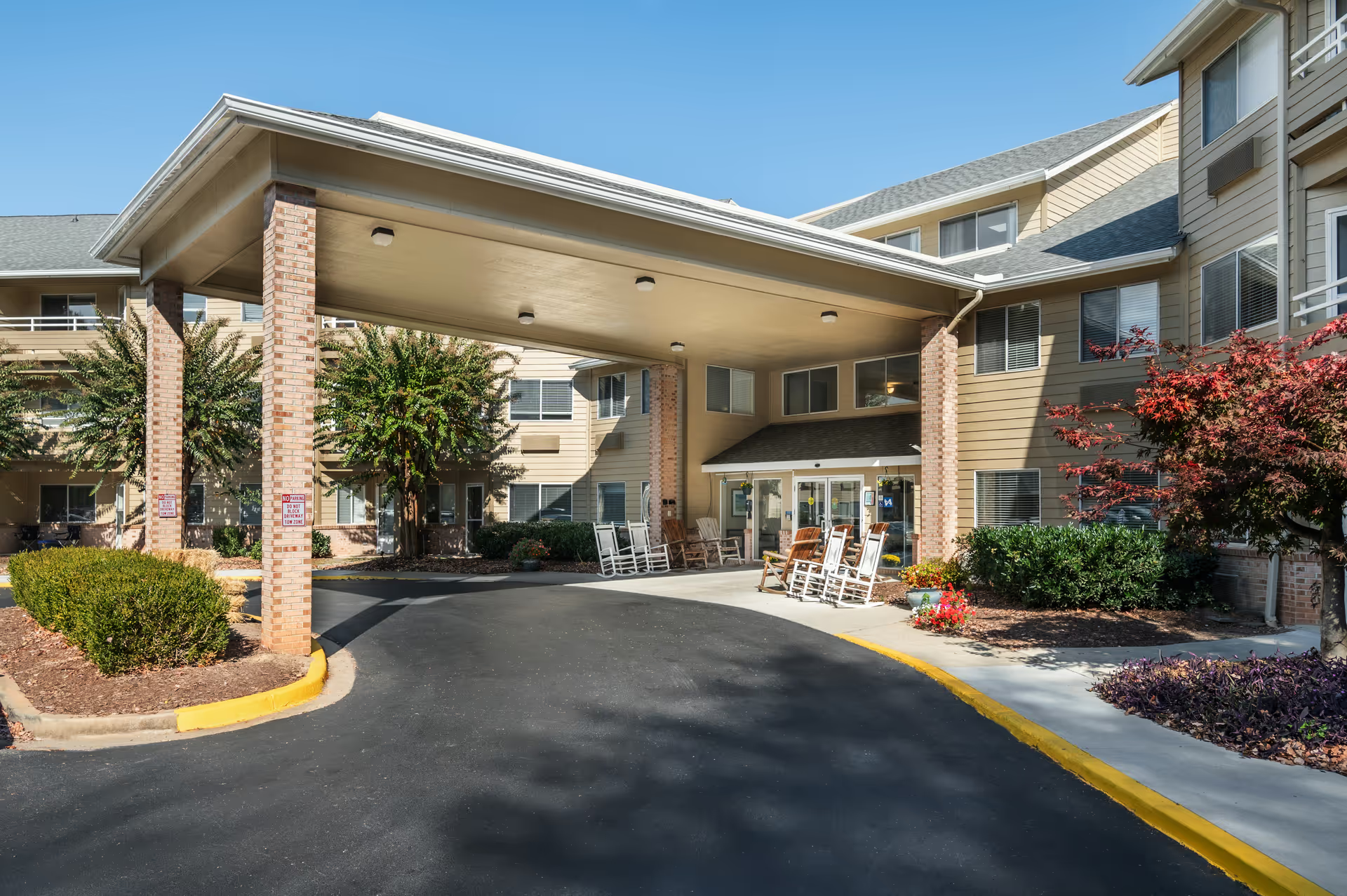
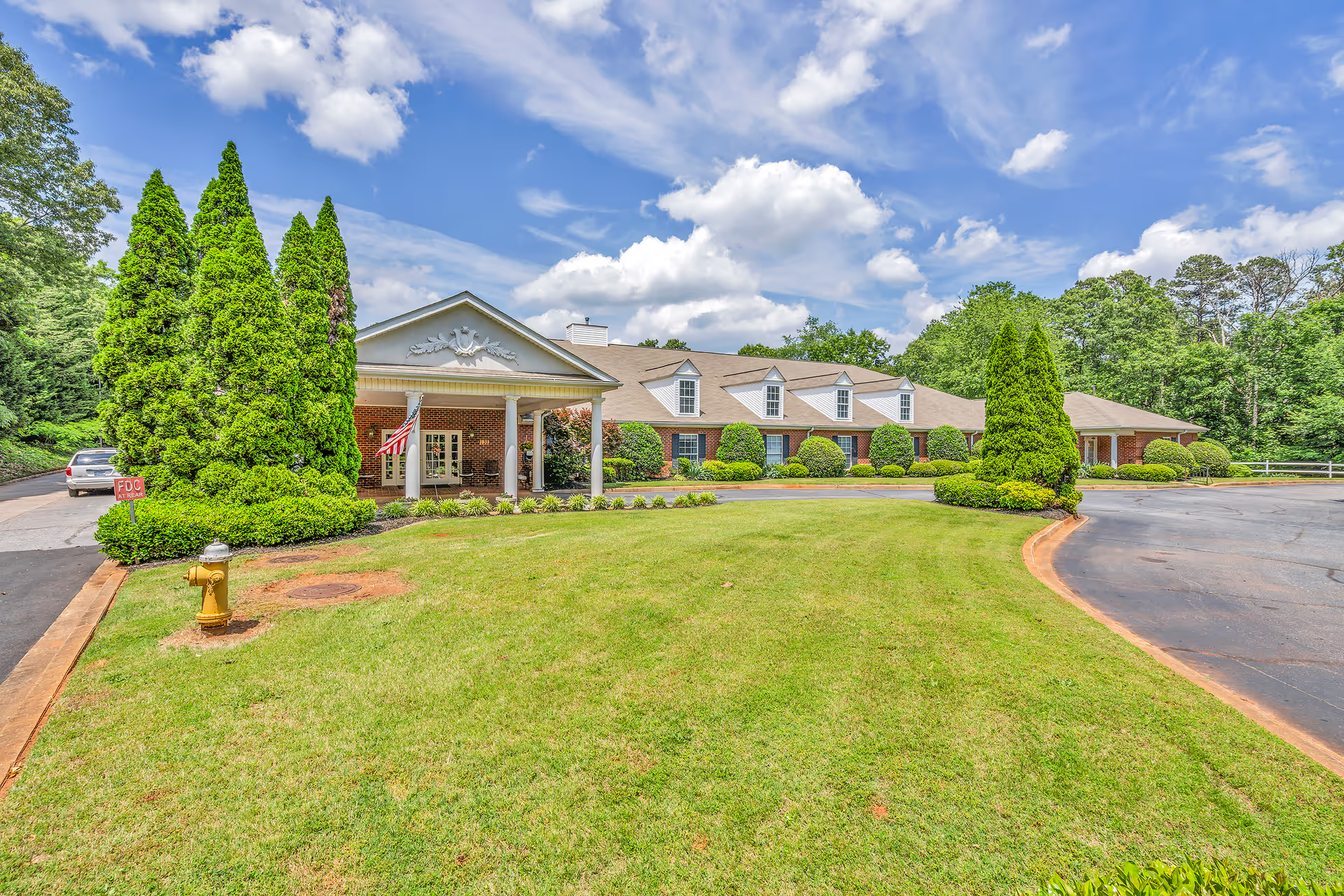
Overall impression: The Gardens at Eastside is presented primarily as a well‑kept, home‑like assisted‑living community with a broad set of amenities and an active social program. Many families describe a welcoming entry, attractive grounds, and clean, updated common areas. Residents are often portrayed as engaged — participating in outings, musical programming, games, and regular church or chaplain services — and many reviewers emphasize that the environment supports social connection and daily activity.
Care and staff: A strong theme across the feedback is the quality of the caregiving team: reviewers frequently highlight compassionate, long‑tenured staff who know residents and family members by name, provide personalized attention, and help new residents settle in quickly. Several reviewers praised specific nurses and med techs and pointed to low staff turnover and stable leadership as positives. That said, there are recurring notes about variability in staff performance and responsiveness across shifts. A subset of reviewers described concerns about staff conduct, communication tone, and day‑shift responsiveness. There are also serious individual claims — including allegations of staff theft — which some families raised and which suggest a need for clearer asset controls and stronger investigative and follow‑up practices.
Dining and activities: Dining and programming are frequently cited as strengths. Many reviewers complimented the food, attentive dining staff, and a steady calendar of engaging activities (movies, music, bingo, bridge, outings to local restaurants). The community appears to prioritize meaningful engagement, with multiple activity staff, extra programming during difficult periods (for example, pandemic adjustments), and tools for families to track participation. Conversely, there are occasional mentions of service lapses related to dining and housekeeping — for example, inconsistent cleaning of dishes and laundering issues — which point toward sporadic sanitation and service quality gaps rather than pervasive operational failure.
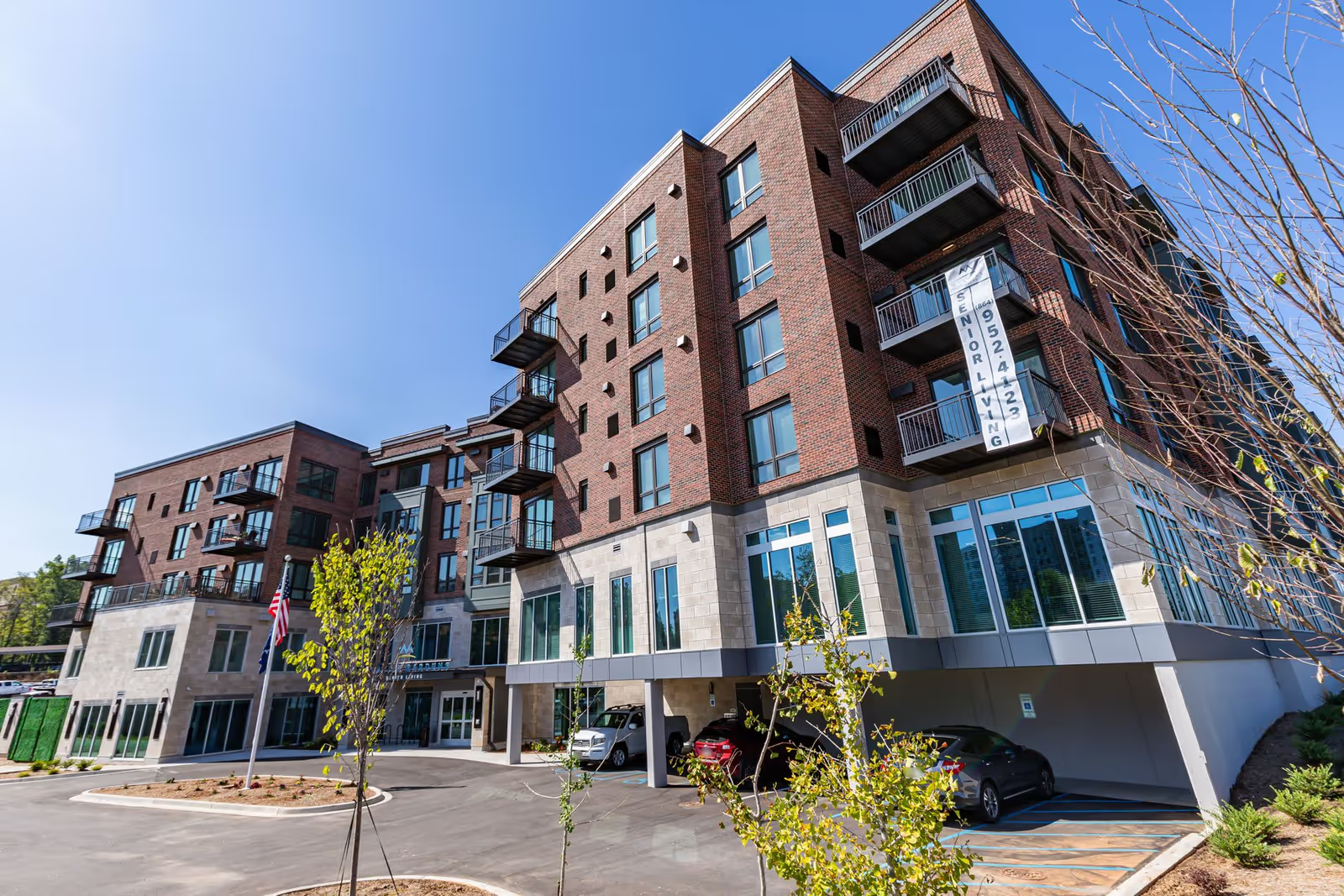
Facilities and amenities: The facility is described as newer, upscale, and well‑appointed, with secure common areas, convenient apartment layouts for downsizing, and outdoor garden spaces. On‑site services such as a salon, transportation, and faith‑based programming add convenience. Pricing is positioned at the higher end; several families say the community is worth the cost, while others note it was out of budget. Unit sizes can be compact (notably studio options), and pricing varies by floor, which prospective residents should factor into decision making.
Management and communication: Many reviews praise accessible and accommodating management — responsive directors, helpful tours, and proactive family communication including virtual visitation options during pandemic restrictions. However, there are multiple comments about inconsistent communication, unclear explanations from management in some instances, and instances where families felt their complaints were not followed up adequately. These patterns suggest that while leadership is effective in many cases, process improvements in complaint handling, transparency, and consistency of messaging would strengthen confidence for all families.
Notable patterns and recommendations for prospective families: The dominant pattern is positive — caring staff, vibrant activities, good food, and a pleasant physical environment. At the same time, a minority of reviews raise operational concerns that families should evaluate directly: staffing consistency across all shifts, housekeeping and dining sanitation protocols, theft‑prevention and asset control measures, complaint resolution workflows, and the specifics of pricing by unit and floor. Prospective residents and families would benefit from an in‑person tour, conversations with current residents and families, review of staffing schedules and turnover data, and written policies on possessions security and complaint follow‑up before making a placement decision.