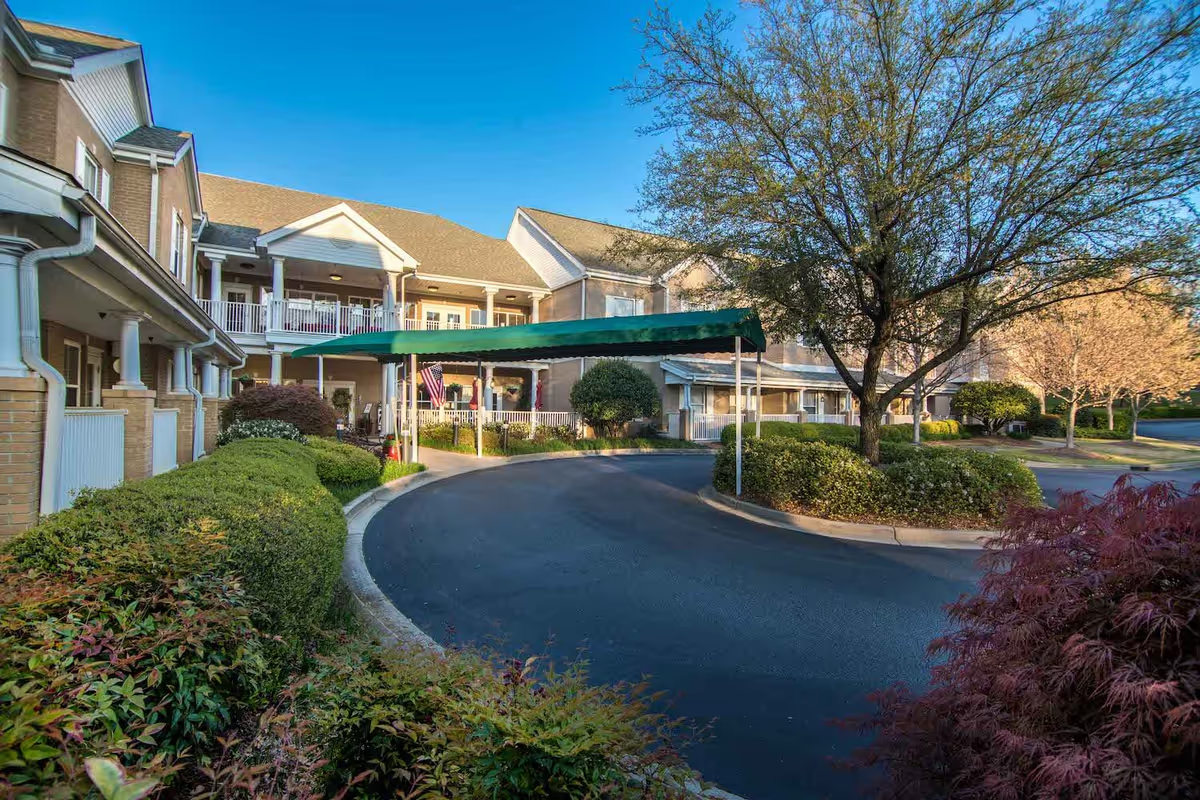
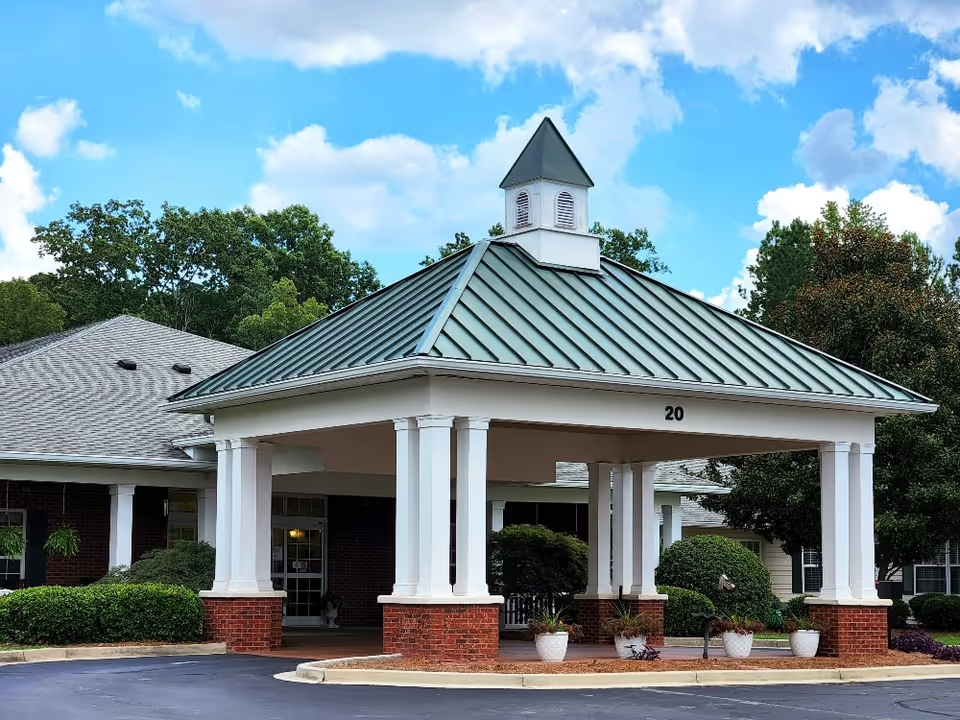
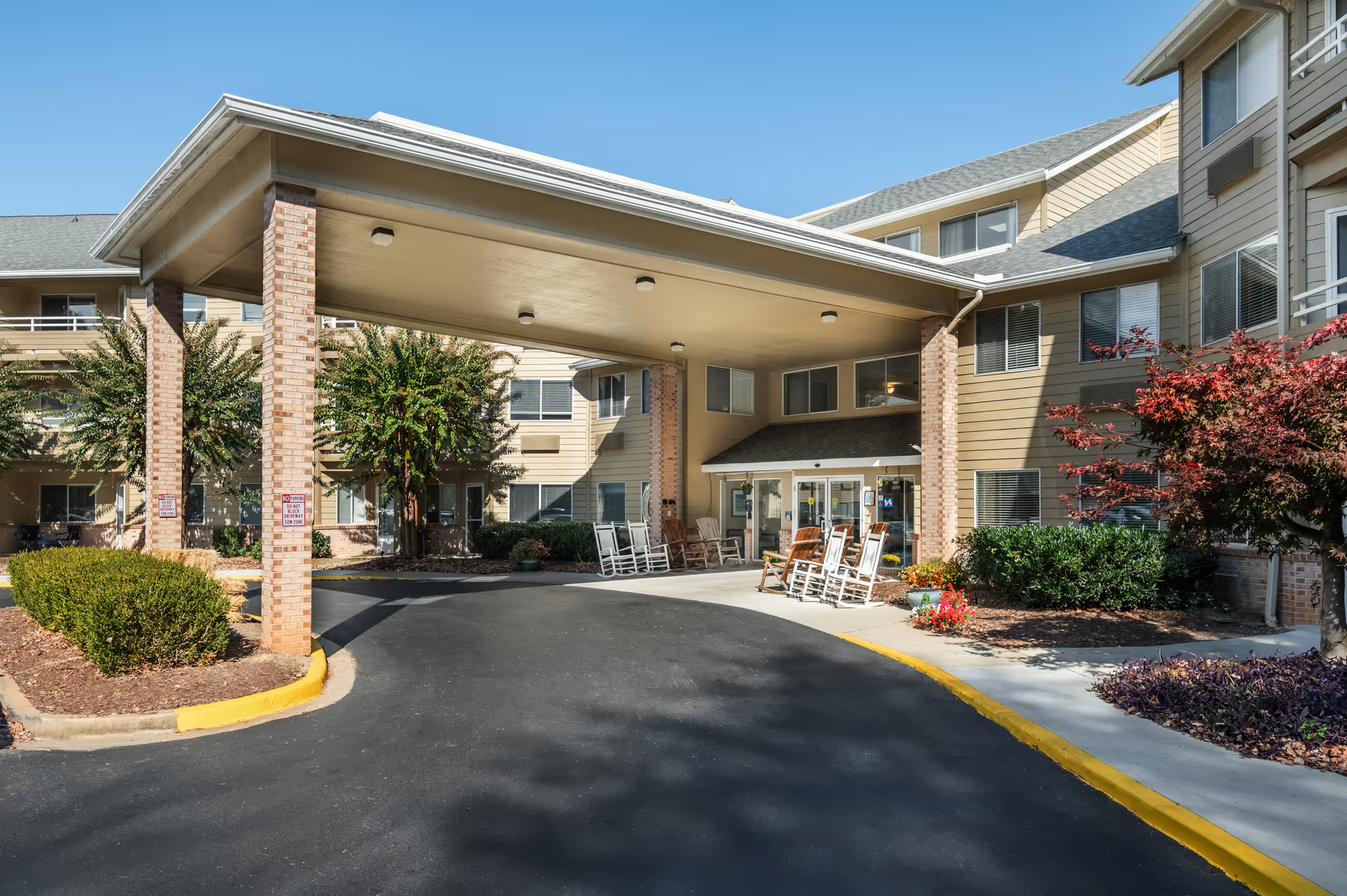
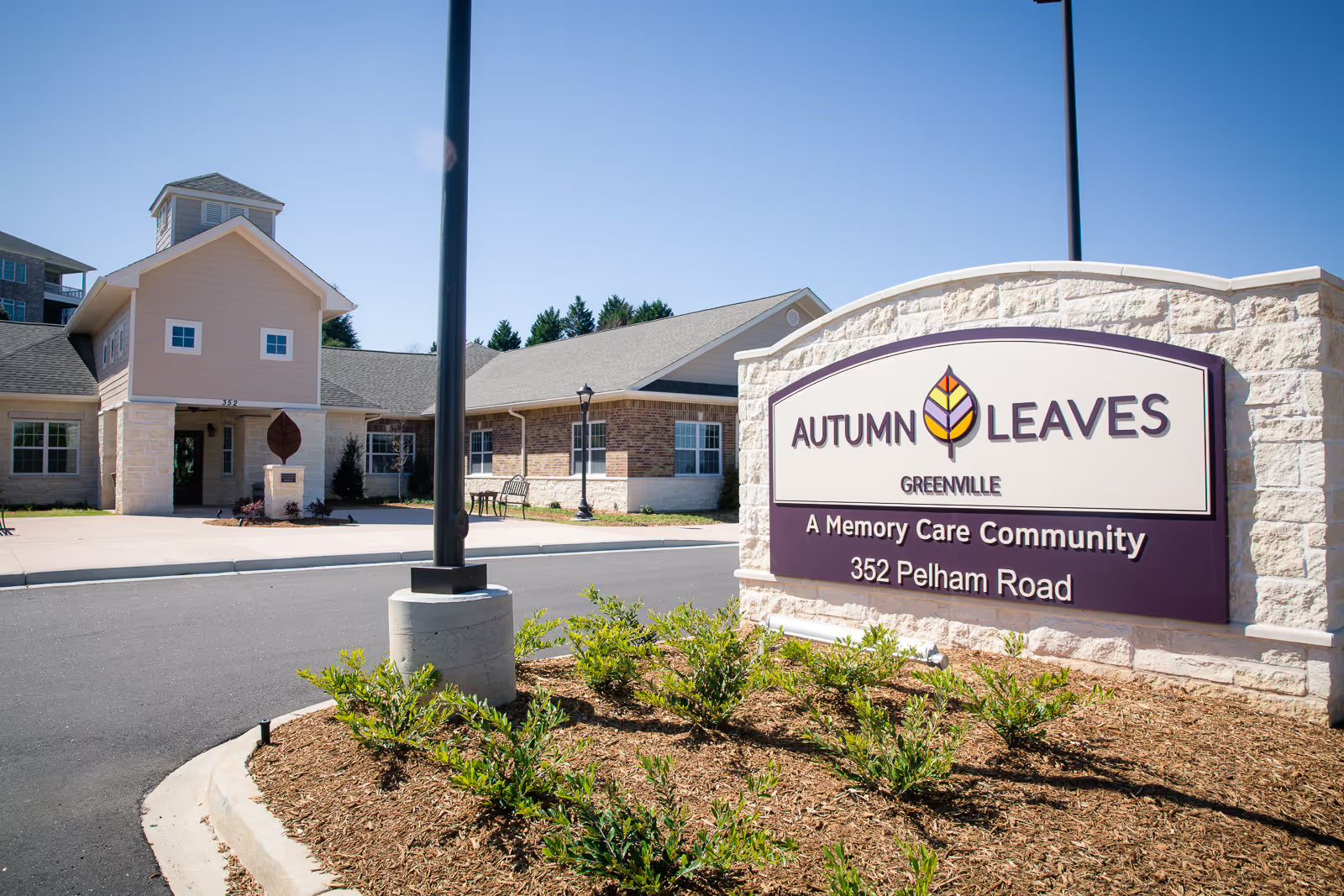
The Legacy at Southpointe Drive elicits a mixture of strong endorsements and substantive operational concerns. Many families and residents emphasize a warm, welcoming culture: staff are frequently described as compassionate, helpful, and personable, and admissions staff are often praised for clear paperwork assistance and individualized tours. The facility’s physical environment is commonly noted as clean and well maintained, with pleasant outdoor areas, roomy apartments (often with kitchenettes and good storage), secure entrances, and accessible parking. On-site clinical supports such as therapy and periodic physician visits, plus transportation and regular outings, are additional strengths that appeal to prospective residents and families.
Care quality is the area with the greatest variability. While some reviewers describe attentive nursing and aides who build strong relationships with residents, others describe inconsistent clinical performance across units—most notably in the memory-care area. Concerns include gaps in supervision during some shifts, delays responding to call buttons, and delays assisting with toileting and other personal-care needs. Several reviews raise medication-management issues ranging from delayed delivery to administration errors and dosing concerns; these accounts suggest uneven medication-administration processes that merit careful inquiry during a tour or intake.
Dining and nutrition receive mixed notices. The dining room ambiance and restaurant-style service are positives for many residents, and some reviewers praise the food. However, others recount inconsistent meal quality, limited snack availability, weekend kitchen staffing gaps, items running out, and occasional unappealing choices. Extra charges for certain meals or delivery were also mentioned. Prospective residents should ask about weekend meal staffing, sample menus, and how special diets and snack access are handled.
Activity programming is a clear asset in many accounts. A proactive activity director and a broad calendar of options—sing-alongs, outings, classes, therapies, and regular social events—are frequently cited as enhancing residents’ quality of life. That said, activity offerings appear uneven in the memory-care unit at times, with some families noting fewer structured opportunities there.
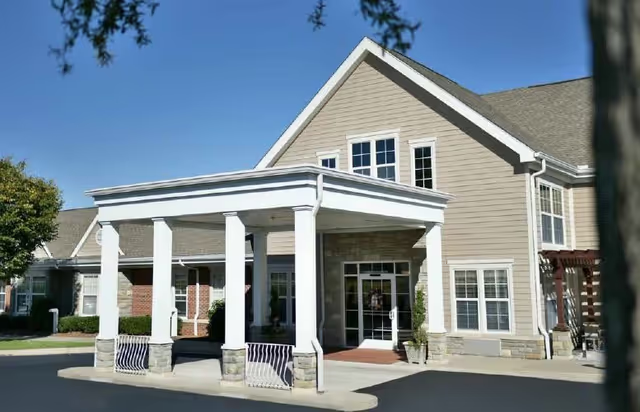
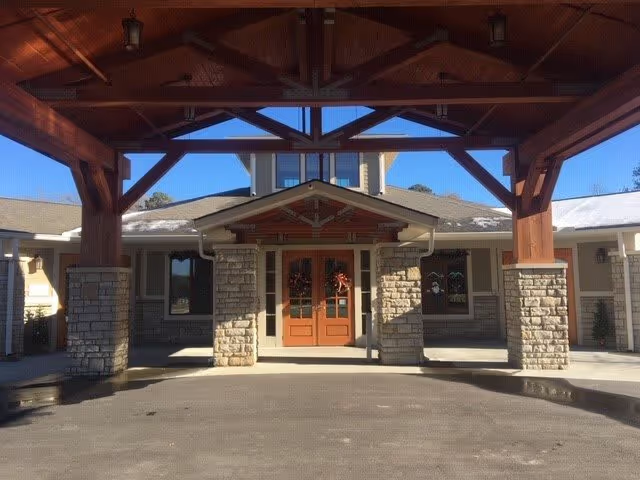
Facility features and upkeep are generally positive: recent updates, fresh carpeting, remodeled common areas, and garden/porch spaces are repeatedly noted. Apartments are described as spacious and customizable, and many families appreciate the ability to bring personal items. A few operational reliability issues were reported, including intermittent HVAC problems and lapses in front-desk coverage.
Management and administration present a mixed picture. Several front-line managers and named staff (including an often-praised admissions representative) receive high marks for responsiveness and individualized attention. Conversely, reviewers also describe inconsistent follow-through on administrative matters such as billing, refunds, appointment coordination, and communication with families. High staff turnover and occasional inexperienced leadership were cited as contributors to variability in day-to-day operations. A small number of serious individual concerns prompted escalation to outside agencies or legal consultation; any prospective family should ask about incident reporting, escalation pathways, and recent regulatory findings.
In summary, The Legacy offers many attributes that families value: a caring front-line staff, clean and attractive spaces, active programming, and competitive pricing. However, consistent patterns in reviews point to operational areas that require scrutiny before placement—particularly memory-care supervision, medication-management processes, staffing stability (nights and weekends), and meal-service continuity. Visitors should arrange a detailed tour, meet nursing leadership, review recent staffing patterns, ask for protocol examples for medication administration and call-response, and inquire about weekend kitchen coverage and memory-care programming to evaluate the fit for a specific care need.