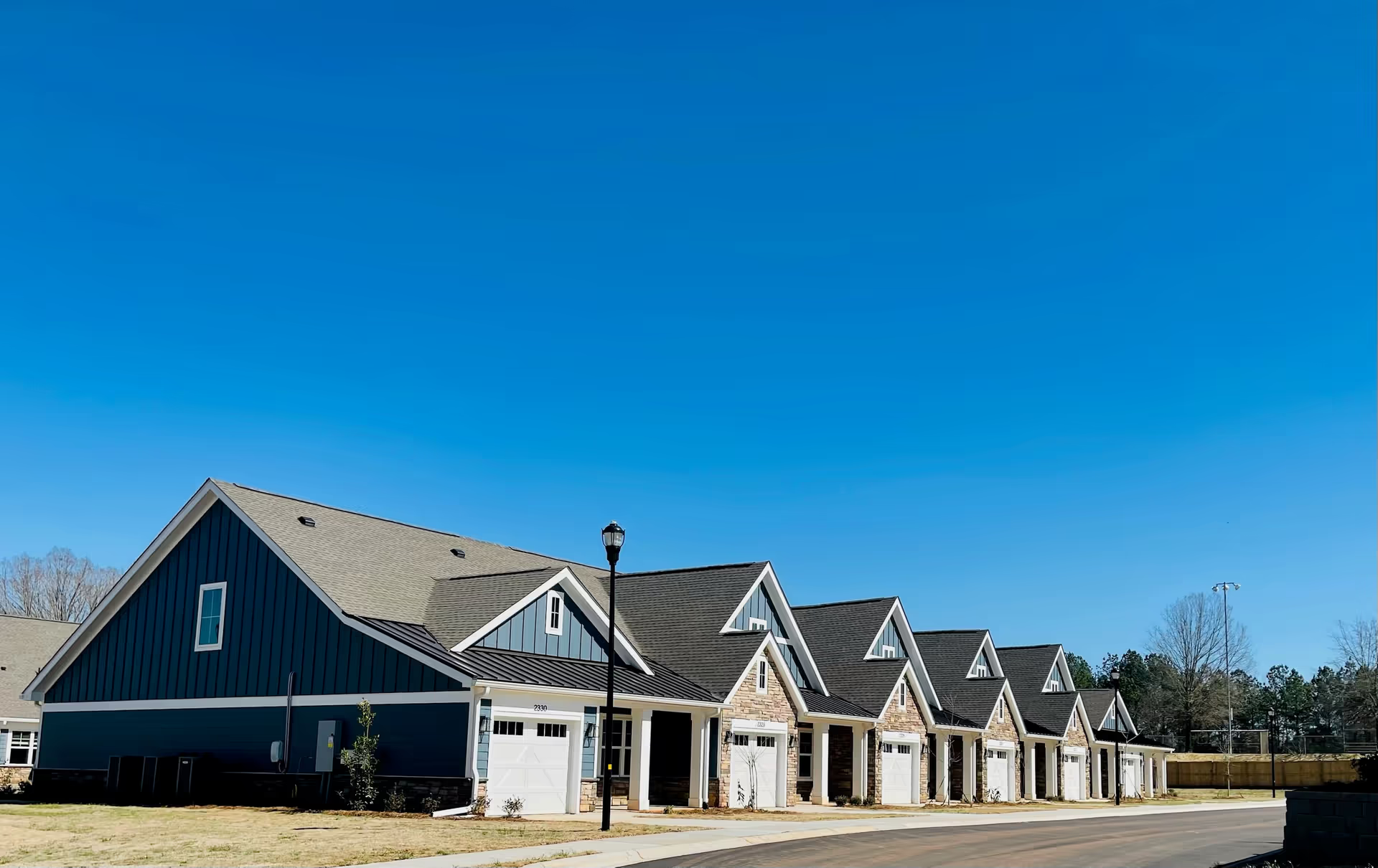
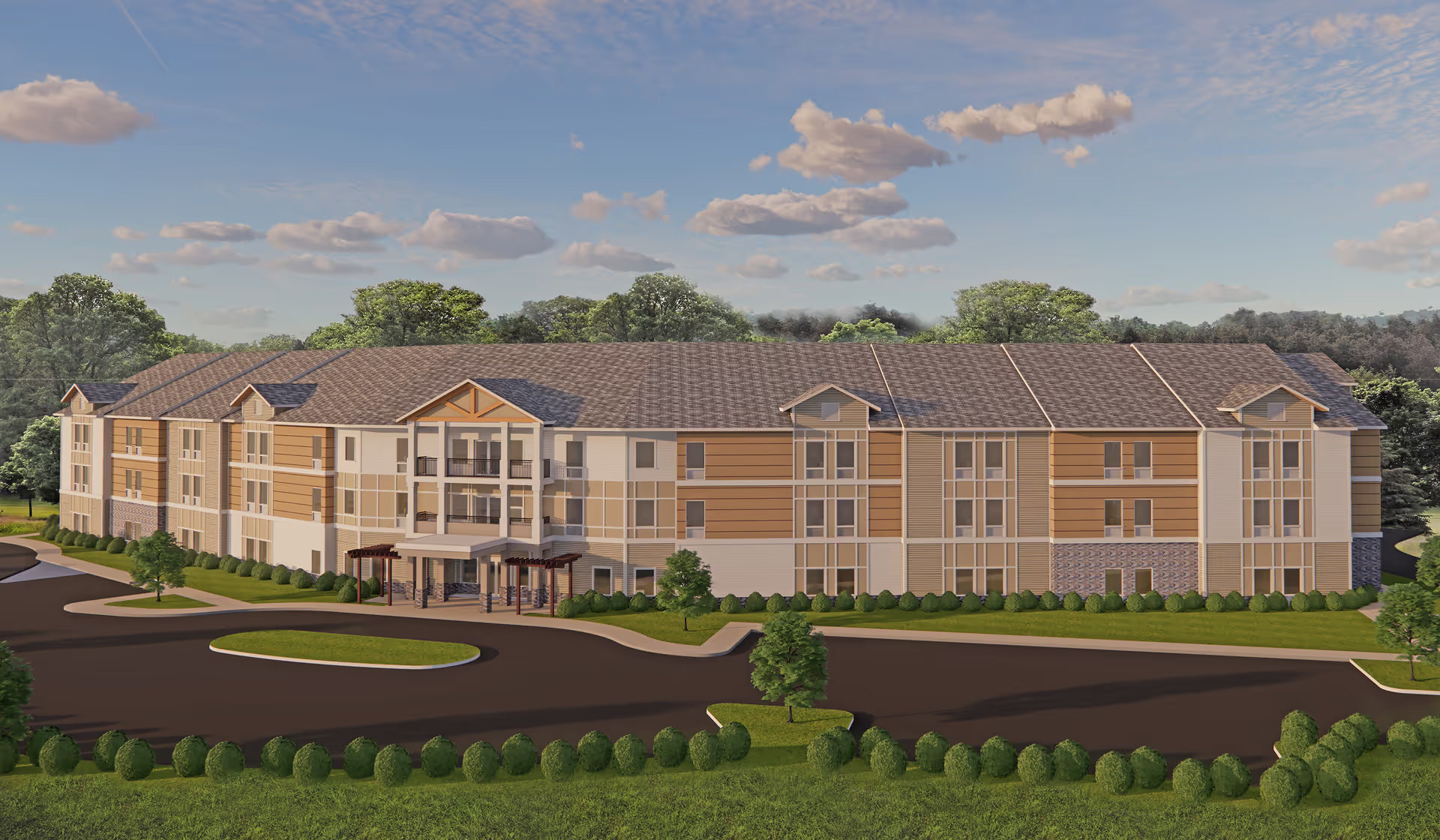
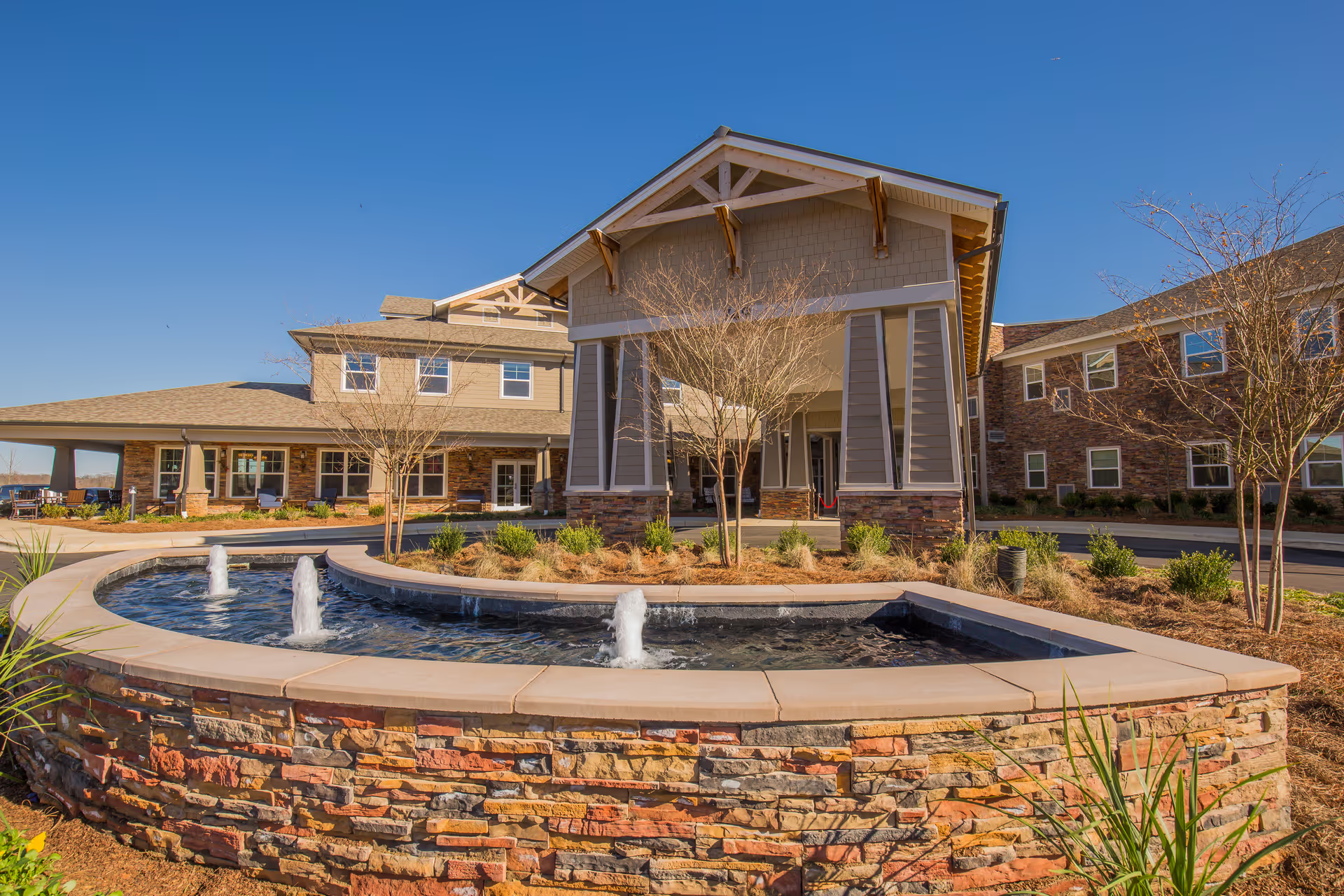
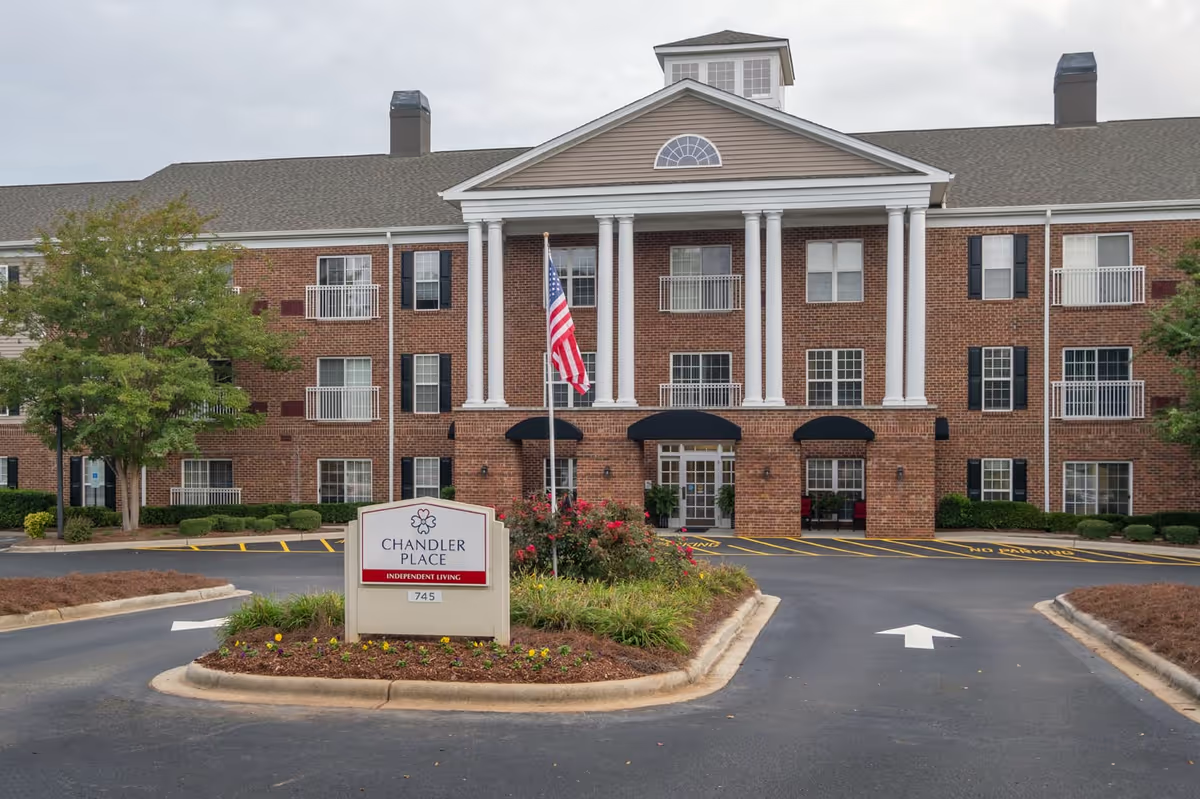
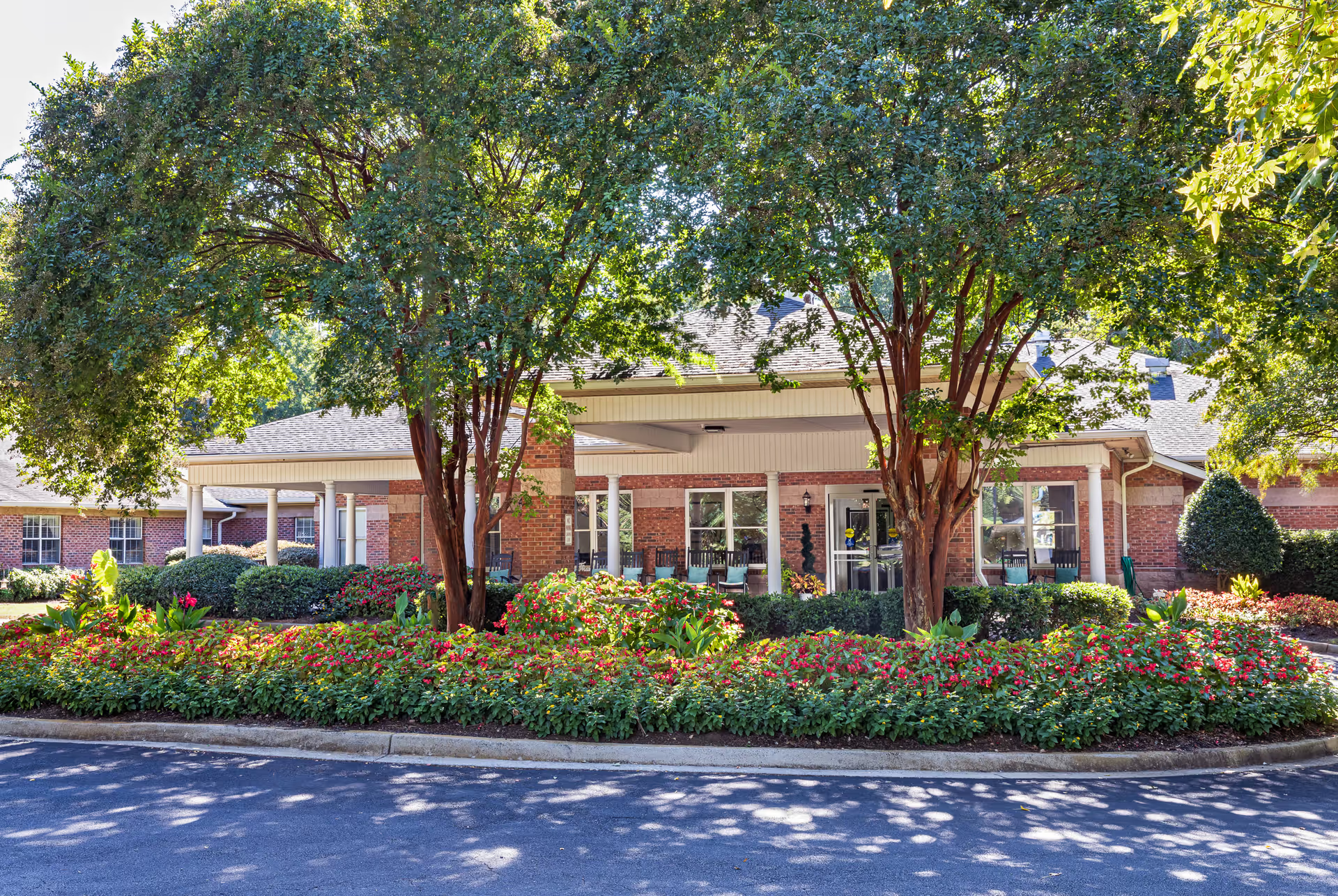
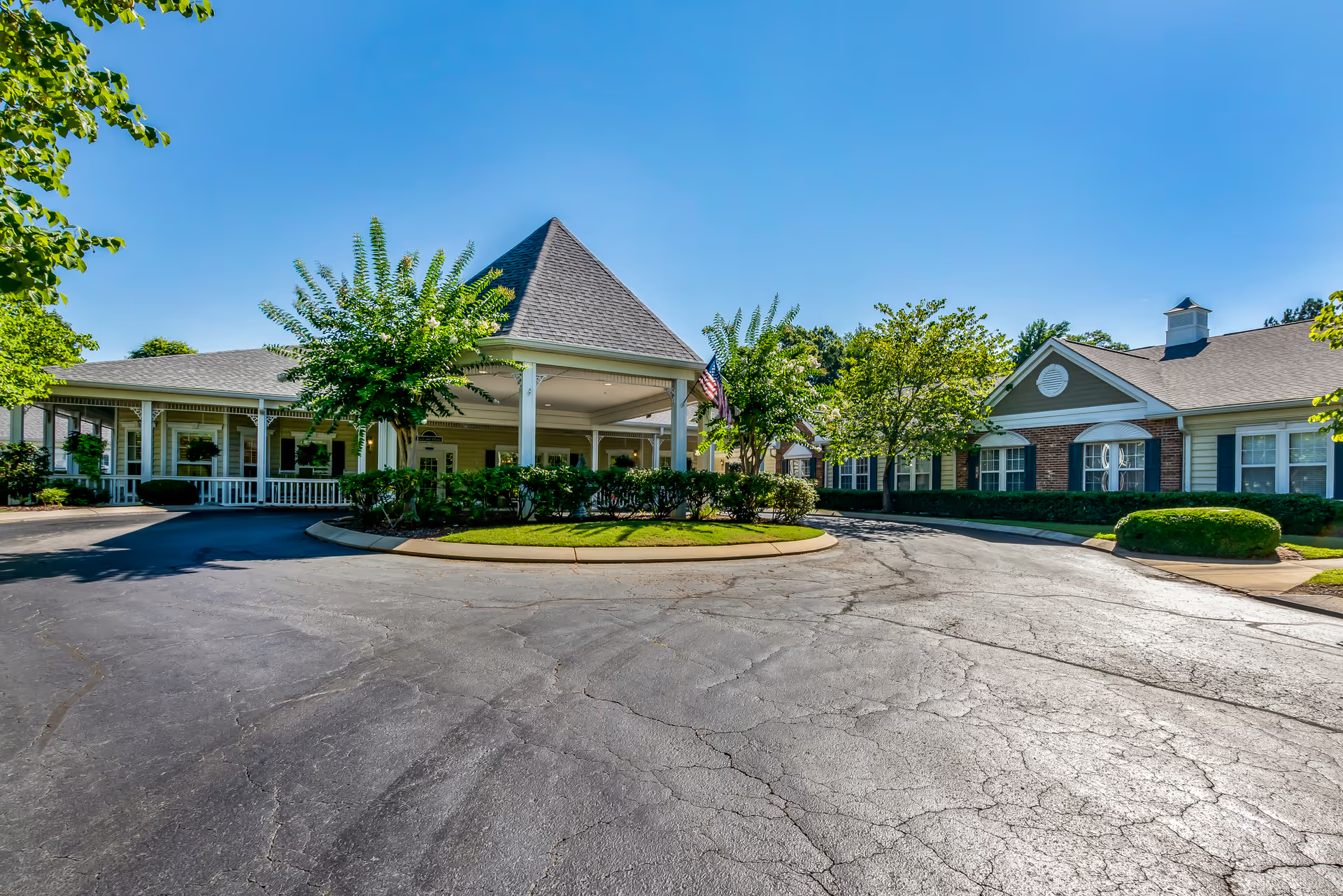
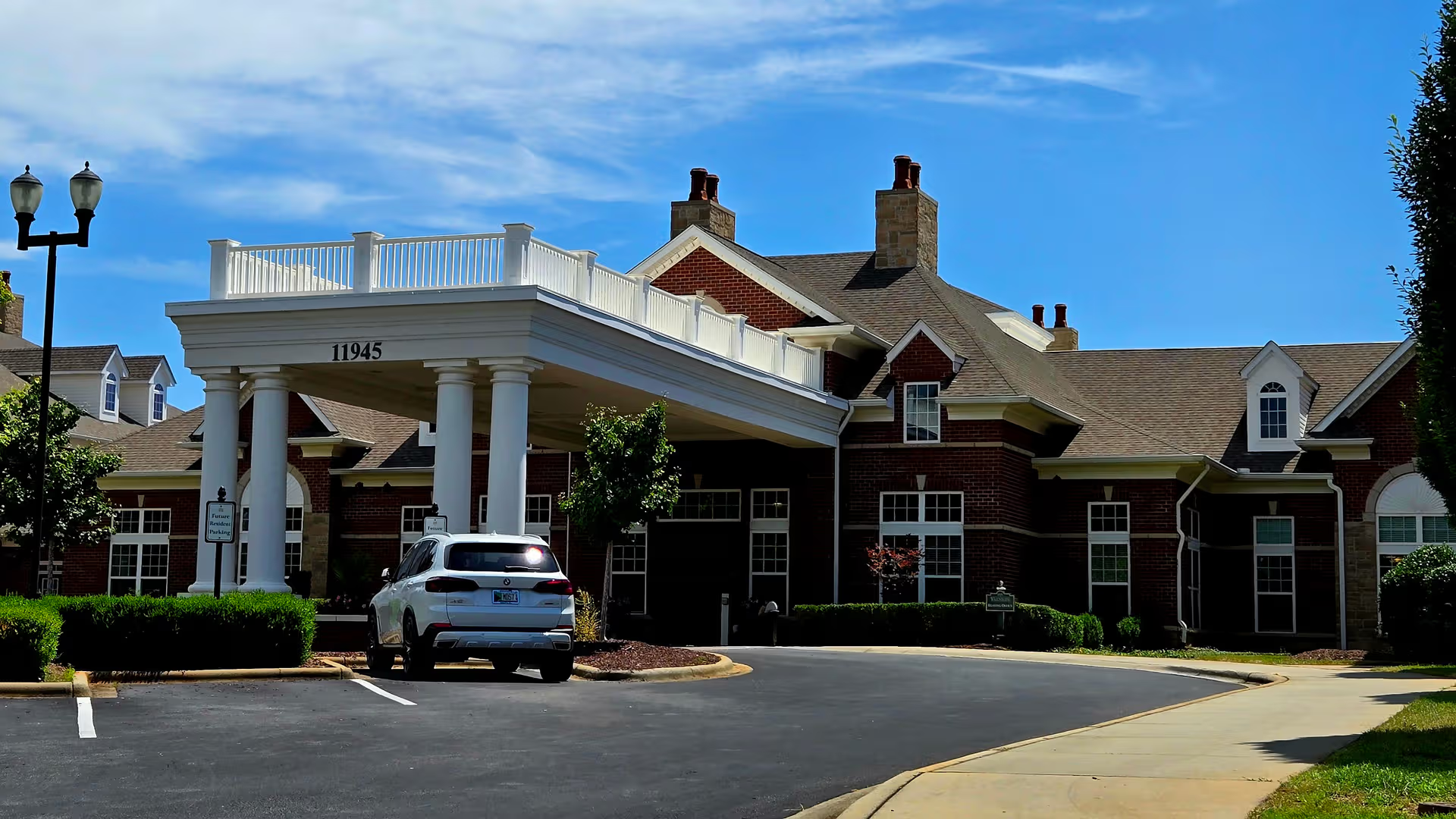
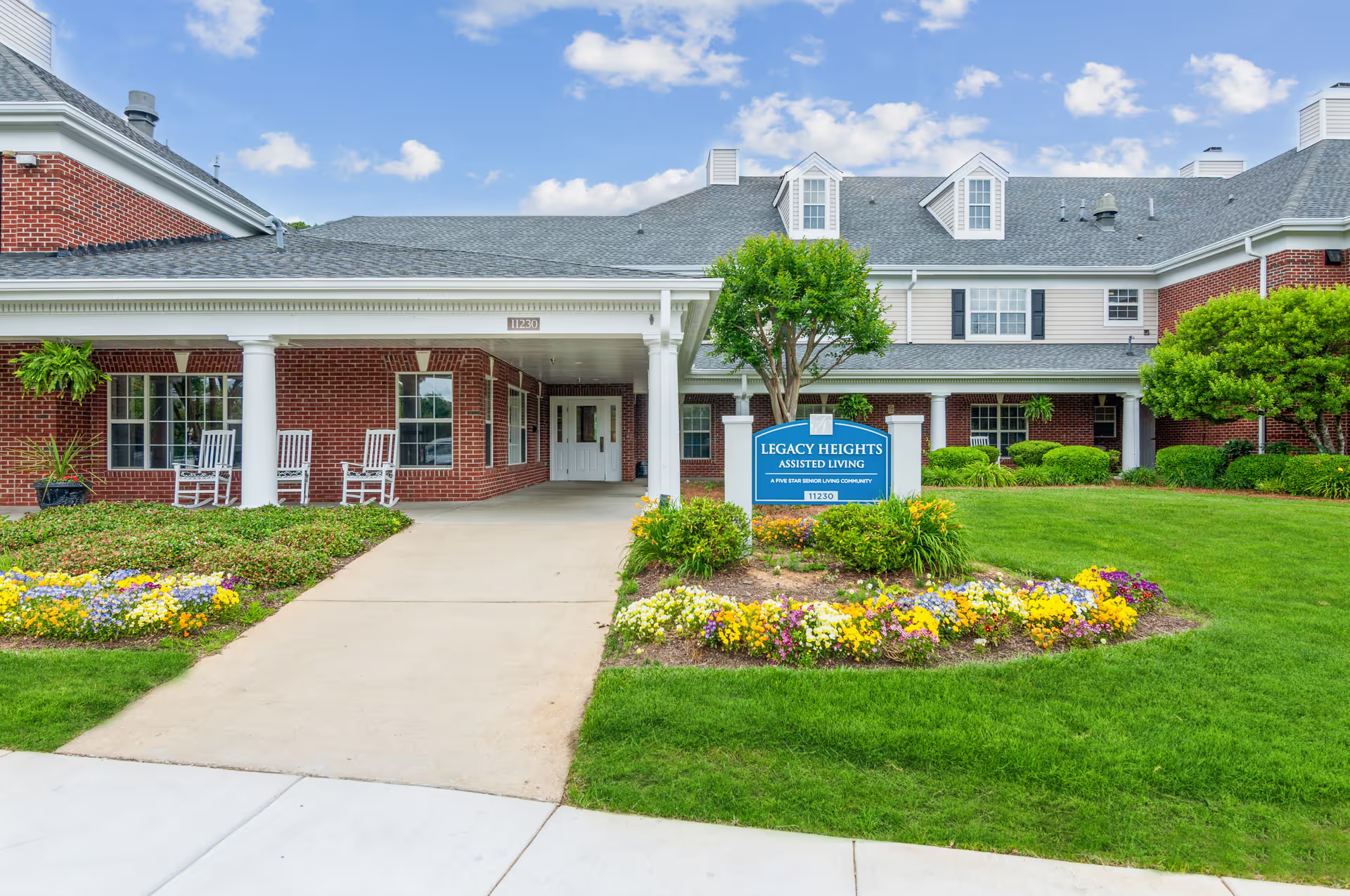
Lancaster Grove is frequently described as a well-kept, attractive assisted-living community with an emphasis on hospitality and social engagement. Reviewers consistently highlight the facility’s clean common areas, landscaped courtyards, atrium and welcoming porches that contribute to a home-like, resort-style environment. Apartment sizes and storage (including large walk-in closets) are cited as strengths for residents who value space and comfort.
Care quality and staff performance are central positive themes. Caregivers and nursing leadership are characterized as compassionate, professional, and attentive; many families report proactive supervision, 24/7 availability for concerns, and therapy/rehab support that helps residents stay active. There is a specific memory-care offering with closer supervision, and several accounts describe smooth, family-centered transitions that eased moves from hospitals or private homes. Staff longevity and teamwork are also noted as contributors to continuity of care.
Dining and activities are other clear strengths. The dining program is frequently described as high-quality and customizable, with comparisons to a resort or country-club dining experience and praise for talented kitchen staff. The activity calendar is broad — including exercise classes, crafts, puzzles, outings and faith-based programs — and is credited with producing an engaged social atmosphere where residents form friendships and participate regularly.
Management and operations draw mostly positive comments about accessible leadership and responsive problem-solving, with named administrators cited as approachable. At the same time, recurring operational patterns raise concerns families should weigh. Cost is a consistent constraint: pricing is seen as high and may be unaffordable for some households, with a number of reviewers citing billing delays, reimbursement processing friction, and an inflexible contract/notice structure. Communication is usually good but occasionally described as inconsistent, and admissions experiences can vary in formality and thoroughness.
Facility limitations reported include older sections or shared-room floorplans in parts of the campus, and apartment units that are rented unfurnished — a practical consideration for incoming residents. A few families noted limited capacity for higher-acuity or complex medical needs, suggesting the community is better-suited to assisted-living level care rather than more intensive nursing-room services. Finally, a small number of families experienced restrictive meal-time or menu practices in specific circumstances.
Overall, Lancaster Grove presents as a community with strong person-centered programming, notable dining, and consistently praised caregiving and leadership. Prospective residents and families should balance those strengths against affordability, contract/billing terms, and the community’s ability to meet higher-acuity medical requirements when making a placement decision.