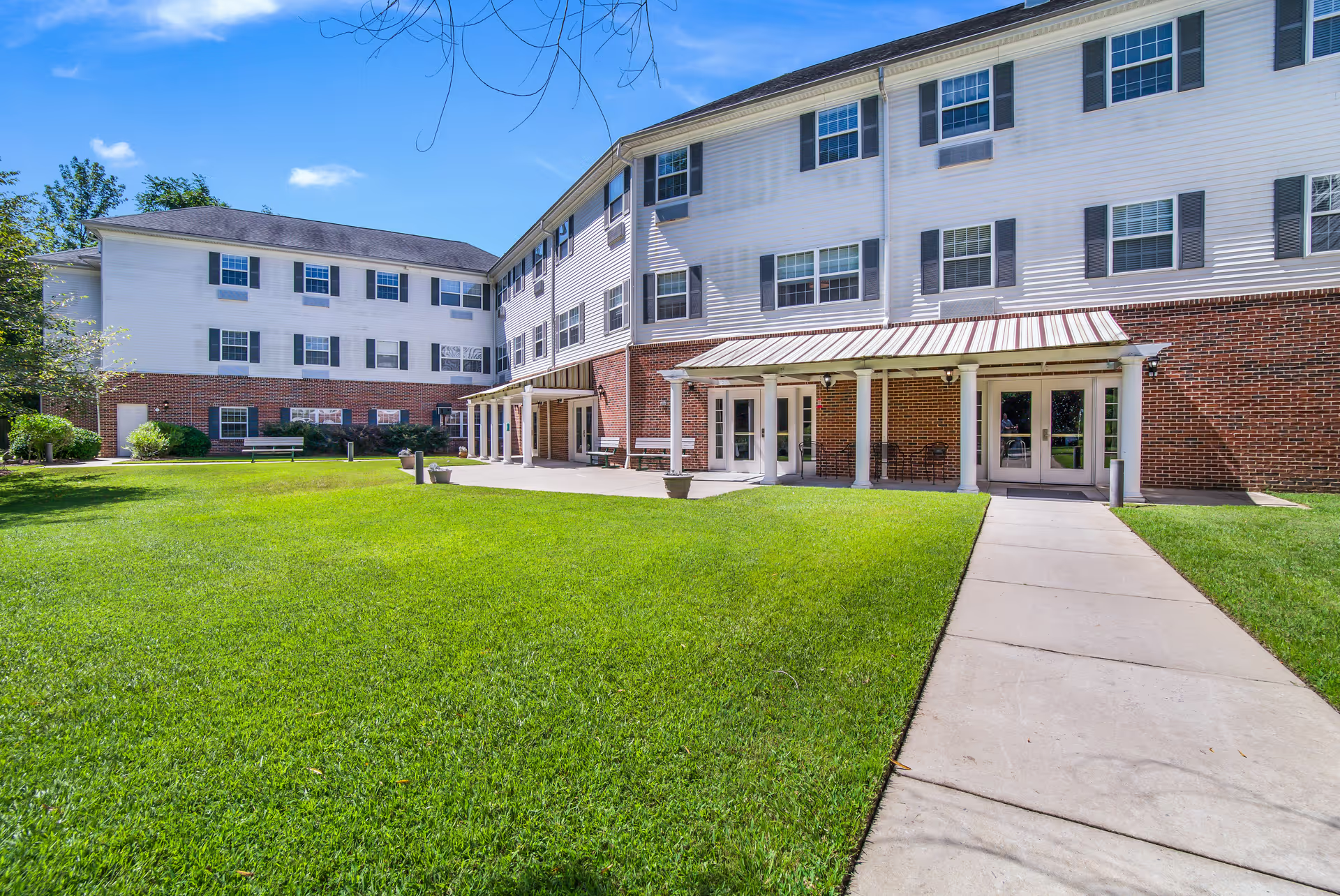
Lakeside Place Senior Living elicits a mixed but clear pattern of strengths and operational gaps. Positive feedback centers on day‑to‑day resident experience: many families describe warm, compassionate caregiving staff, an inviting and clean physical environment, and well‑appointed one‑bedroom apartments in a relatively new, navigable facility. Rehabilitation services and outpatient therapy receive specific praise, and the presence of an on‑site salon and organized social events contributes to a homelike atmosphere. Transportation to appointments and active social programming, including family‑oriented gatherings, are additional strengths for residents seeking engagement and basic assistance.
Care quality perceptions diverge. Numerous accounts praise attentive, caring staff who support medical appointments and daily needs; however, several reviews identify operational limitations when residents require higher levels of clinical oversight. Patterns include inconsistent follow‑up on acute health changes, limitations in long‑term nursing capability, and a need for more reliable sick‑call and medication‑management escalation. Families of residents with increasing care needs may find the community’s scope of services insufficient and should confirm clinical limits and transfer pathways before moving in.
Staff culture and management present a mixed picture. Individual staff members are frequently singled out for positive interactions and effective communication; named staff receive commendation for responsiveness and professionalism. Conversely, multiple comments point to inconsistent management presence, perceived favoritism, and morale issues tied to compensation and scheduling. There are also serious, specific complaints concerning handling of resident property and power‑of‑attorney processes; these are described as allegations and represent a potential area of regulatory or legal concern that prospective residents and families should investigate directly with leadership.
Dining and activities generally support quality of life, with active programming and socialization opportunities noted as strengths. At the same time, some families report variable meal quality and difficulties obtaining accommodations for dietary restrictions or special requests, indicating inconsistent responsiveness from dining services. The small memory‑care unit may suit residents needing a more intimate setting, but activity levels were described as lower than in some comparable communities.
Practical takeaways for prospective residents and families: verify the facility’s staffing patterns during evenings and weekends, clarify the boundary between independent and assisted services, ask for written protocols on escalation of clinical concerns and property safeguards (including power‑of‑attorney handling), and confirm meal‑service policies for dietary needs. Overall, Lakeside Place offers a clean, welcoming environment with many staff members praised for compassion and personal attention, but families should perform due diligence around management practices, after‑hours coverage, and the community’s capacity to manage higher‑acuity needs.