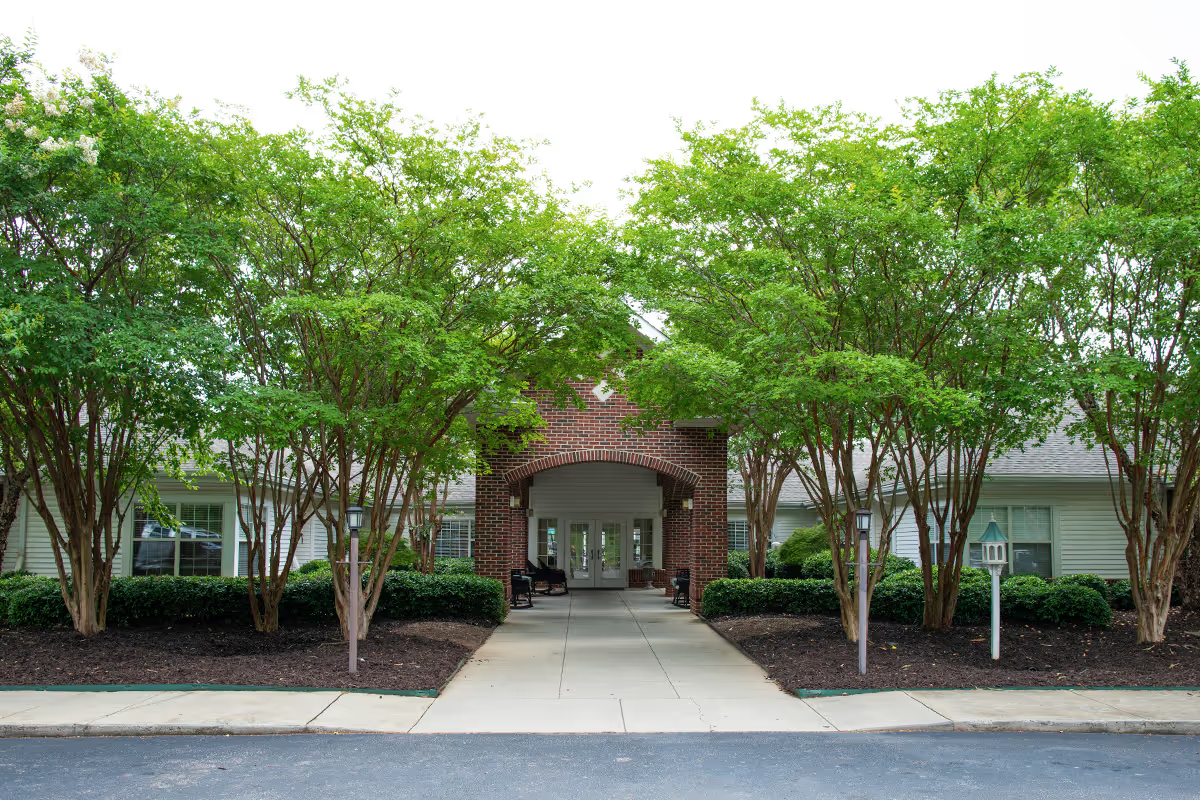
Oakleaf Village of Lexington is described overall as a well‑kept, community‑oriented assisted living with particular strengths in compassionate caregiving and memory‑care programming. Many families and residents highlight long‑tenured staff, a family‑like atmosphere, and active efforts by the life‑enrichment team to keep residents engaged through frequent activities, weekly bus excursions, and regular in‑house entertainment. The property is consistently characterized as clean and attractively landscaped, with amenities such as a salon, gym, indoor pool, restaurant‑style dining rooms, and renovated common areas.
Care quality and staffing emerge as a central strength and an area to investigate further. Numerous accounts praise attentive, respectful caregivers and proactive administration, noting improved resident mood and function after the move. The campus includes an on‑site memory‑care unit and Alzheimer’s support resources, which many families find valuable. However, there are operational concerns that prospective families should evaluate: reviewers describe inconsistent staffing levels at times, questions about caregiver‑to‑resident ratios, and a pattern of medication‑administration lapses. There are also accounts suggesting variability in day‑to‑day care consistency and occasional problems with wound/skin care and other clinical follow‑through; these issues indicate a need to review medication and clinical‑oversight policies, staff training, and incident escalation procedures during a tour.
Dining and activities receive generally positive feedback. Meals are often described as chef‑prepared, balanced, and served in a restaurant style with attention to presentation. Some families mentioned variable portion sizes and occasional food quality inconsistencies, so confirming sample menus, meal schedules, and accommodation of special diets is advisable. The facility’s activity program is robust — bingo, outings, musical performances, and organized social events are regular features — and the life‑enrichment coordinator actively schedules off‑campus excursions. A few families expressed a desire for even more in‑house programming, particularly for residents who prefer not to travel.
Facilities are largely praised for cleanliness, recent renovations, and attractive common spaces. Resident units are described as comfortable but often smaller than expected; prospective residents should confirm room dimensions and storage. Maintenance issues are not widespread but do appear in specific areas such as carpeting, laundry service consistency, and occasional interior repairs. Accessibility and campus layout are practical for many, but some noted awkward transitions between elevator access and dining areas and raised concerns about exterior parking‑lot safety and lighting.
Management and communication are characterized as responsive and supportive by many families, particularly during admissions and transitions. That said, reviewers also described variability in management responsiveness, occasional interpersonal conflicts among staff or leadership, and a paperwork‑heavy intake process. A small number of serious allegations concerning staff conduct and clinical care appeared in individual accounts; these warrant direct inquiry with leadership and review of the facility’s background‑check, substance‑use‑policy, incident reporting, and quality‑assurance practices.
In summary, Oakleaf Village presents as a well‑appointed assisted living option with strong programming for social engagement and memory care, attentive caregiving in many cases, and solid dining and amenity offerings. Prospective residents and families should verify current staffing ratios, clinical oversight practices (including medication and wound care protocols), availability of skilled therapy services, unit sizes, and pricing structure during a tour. Ask for recent quality metrics, staffing schedules, and examples of how the community addresses clinical incidents and family concerns to make an informed placement decision.