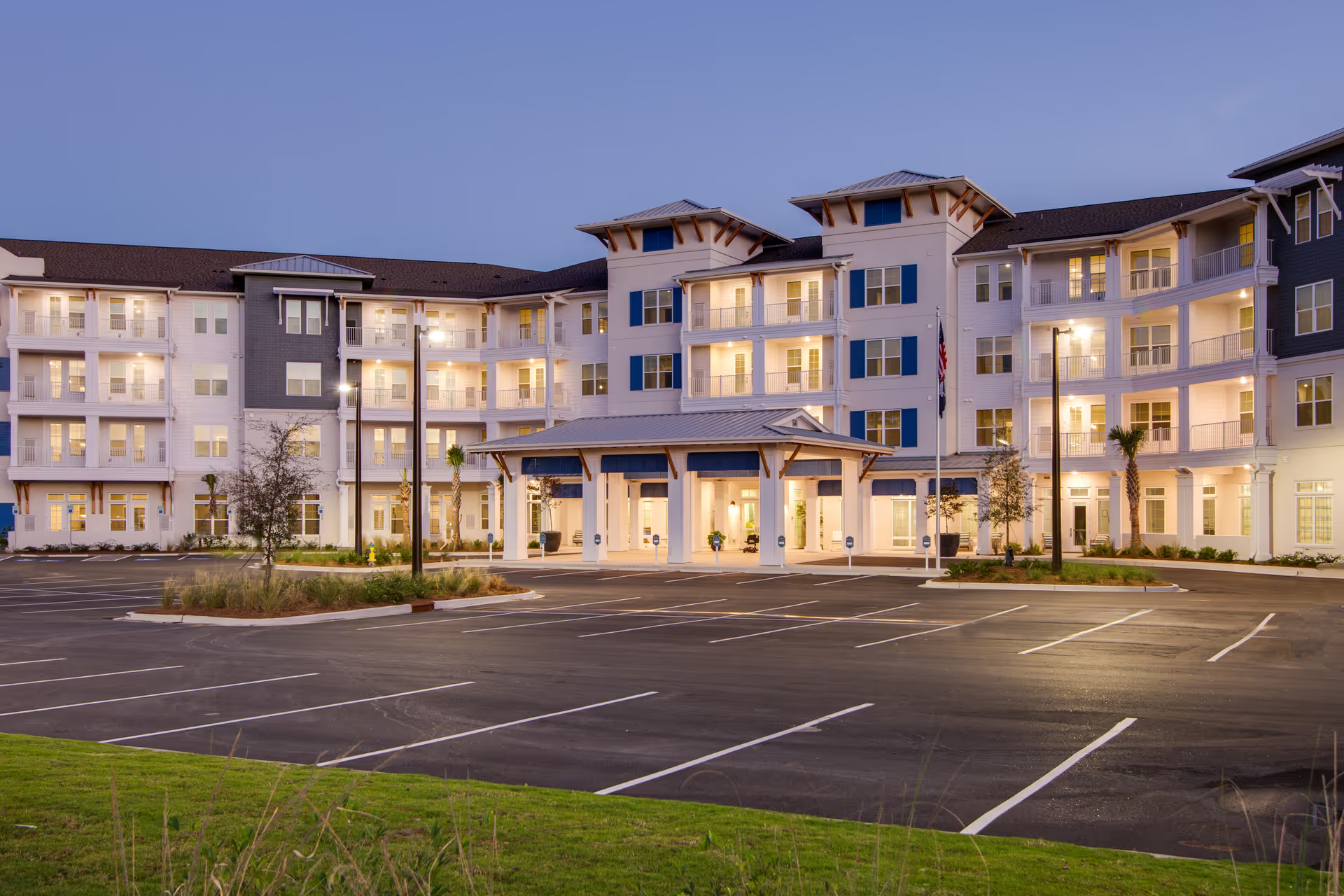
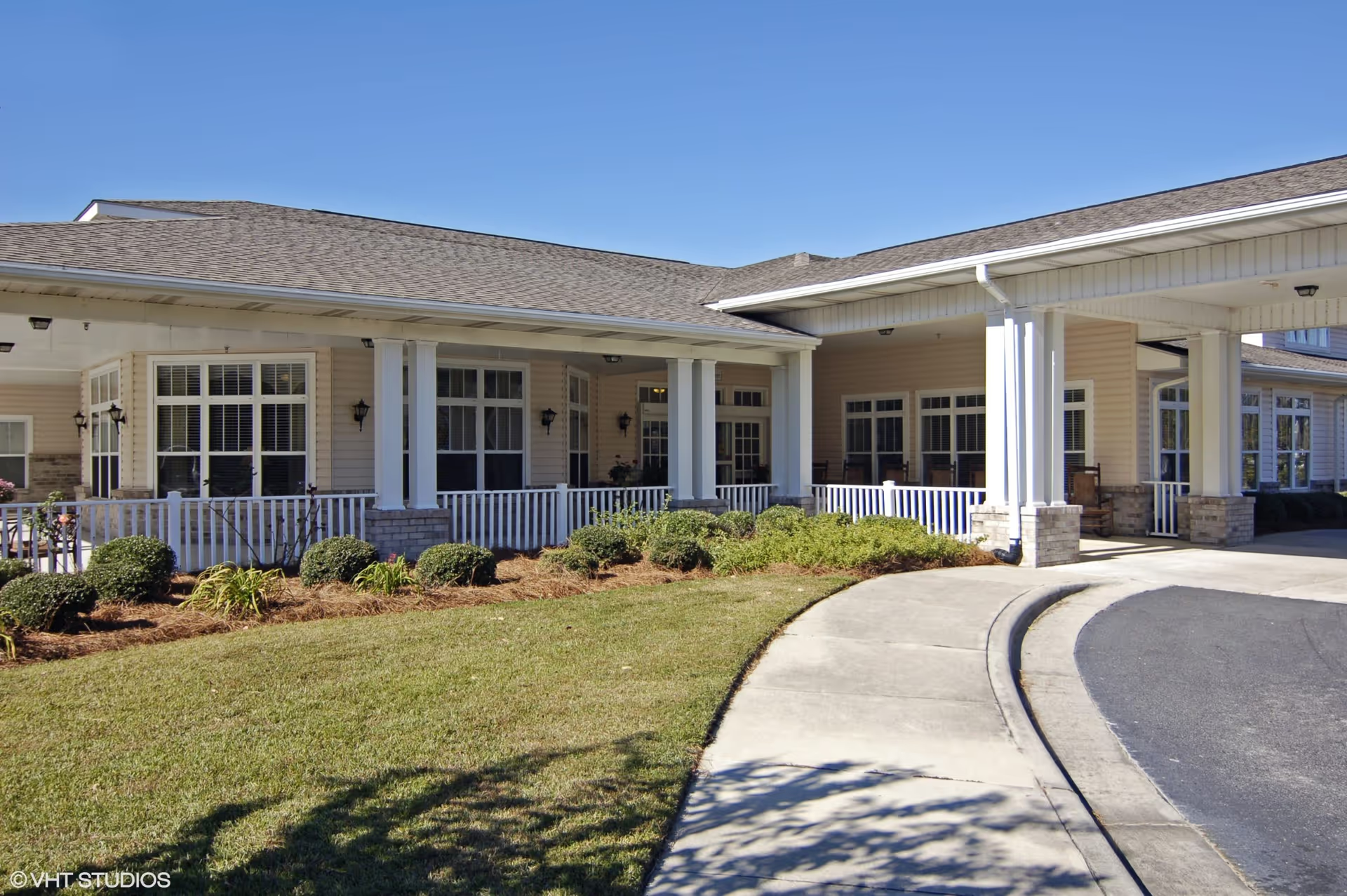
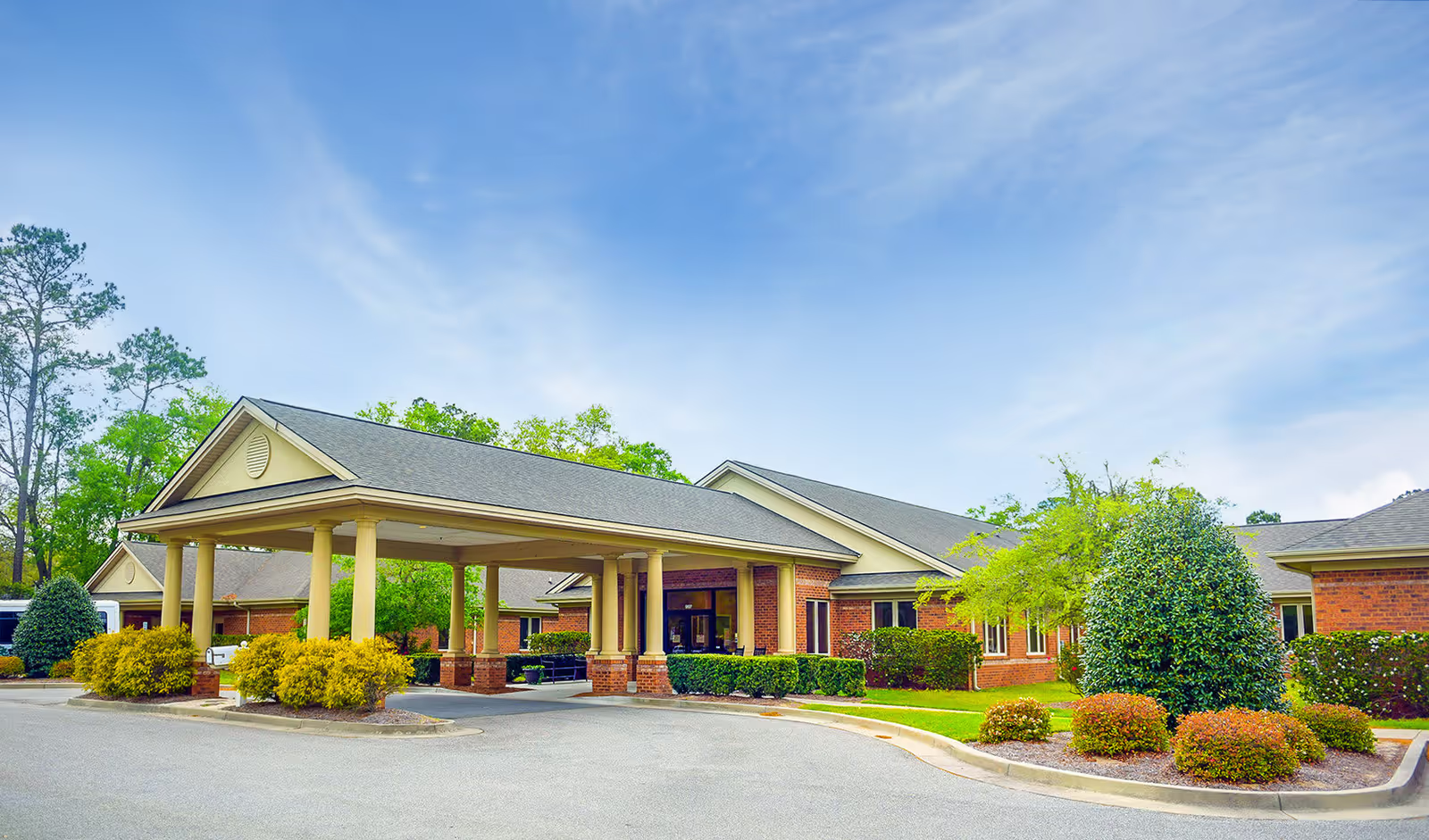
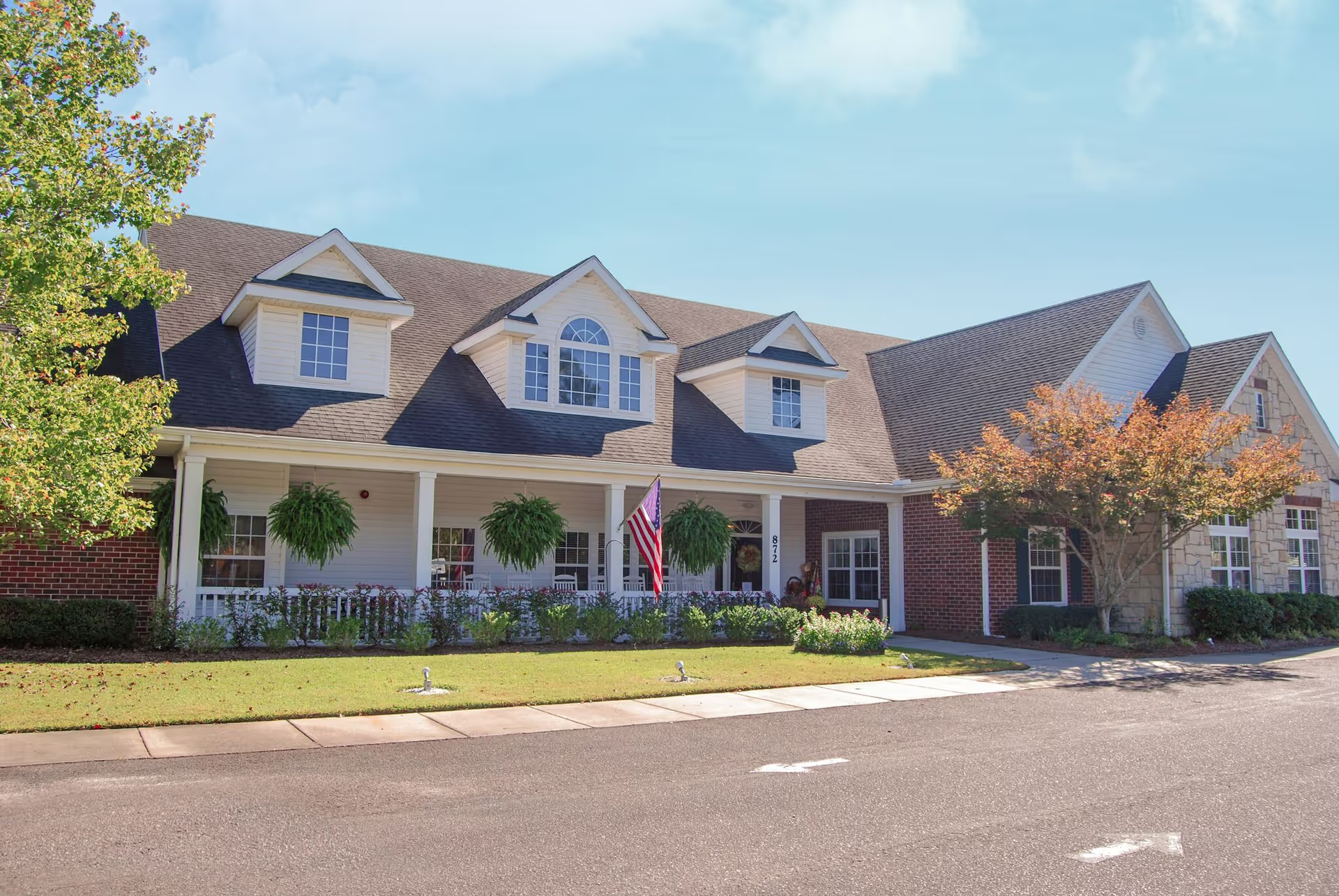
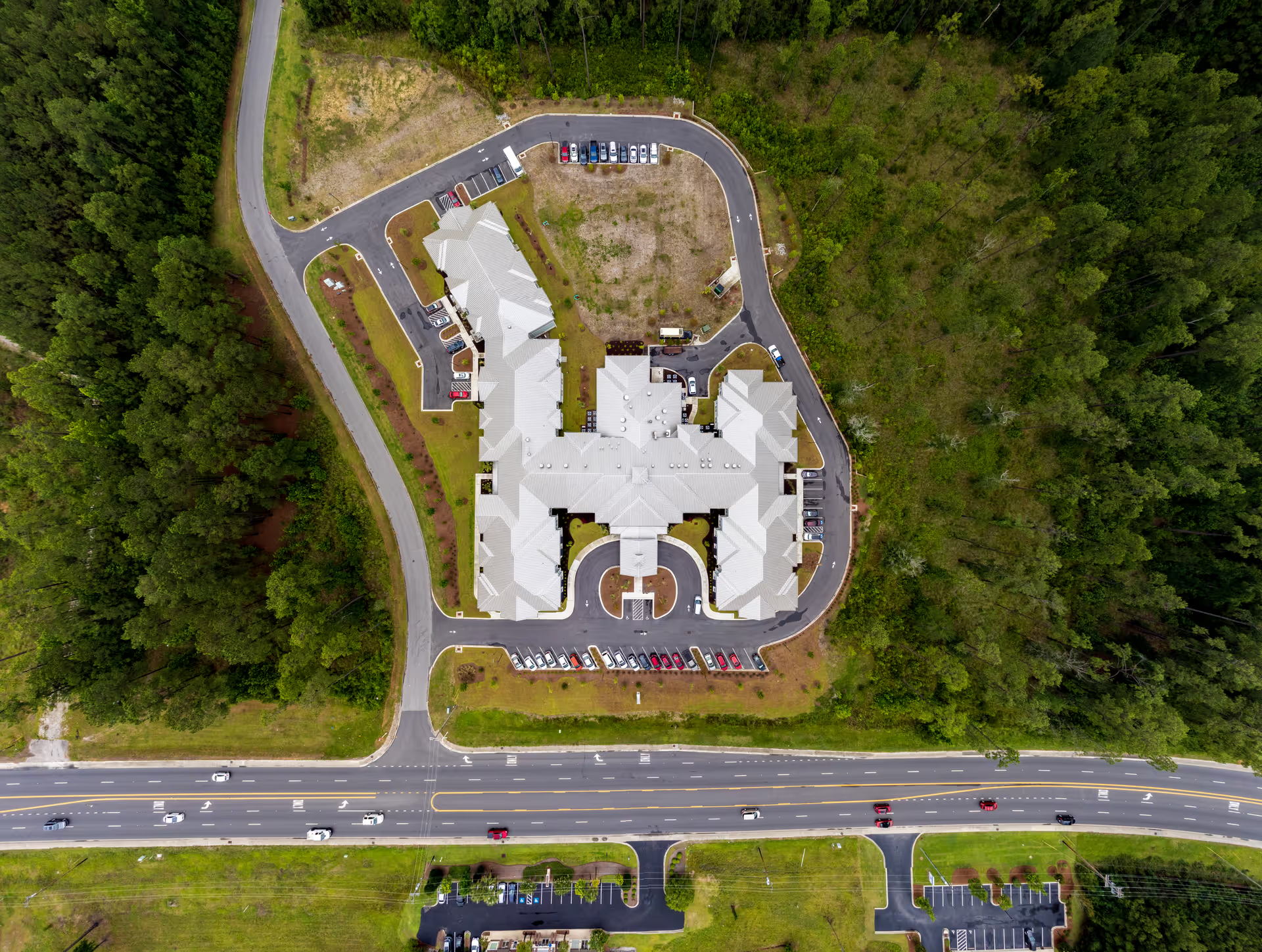
Indigo Carolina Forest is described consistently as a new, attractive, and well-equipped community with many design and lifestyle strengths. Reviewers praise the clean, modern construction and well‑appointed apartments (many with washer/dryer), and they highlight a long list of shared amenities such as a pool, fitness center, theater, salon, and multiple resident gathering spaces. The community’s presentation, grounds, and move‑in/tour experience receive routine positive mention.
The activities program is a clear strength. The community offers a broad, structured calendar with exercise and balance classes, cards and bingo, movie nights, excursions for lunch or dinner, holiday celebrations, monthly teas and socials, and a visible social life that many residents enjoy. On-site therapy and rehabilitation services, flexible dining times, and transportation to medical appointments add practical convenience that supports independent and assisted living residents. Dining is frequently described in favorable terms—country‑club style, attentive service, and occasional standout items—although reviewers also mention variability in food quality tied to staffing or chef changes.
Care and staffing present a mixed picture. Numerous accounts describe warm, helpful, and personable staff members and responsive management interactions, particularly around admissions and respite stays. At the same time, recurring operational concerns appear around staffing levels and clinical capability. Families and visitors indicate low staff‑to‑resident ratios, high turnover among direct care workers, and uneven training in clinical skills—factors that can translate into delayed assistance, missed tasks, and a need for outside hospice or supplemental clinical services for higher‑acuity residents. Communication breakdowns between front‑line staff, clinical teams, and families are also noted, resulting in inconsistent follow‑up and variability in the tone of staff‑family interactions.
Management, safety, and operational controls show both positives and areas for improvement. Administration is often described as approachable and supportive, and there are reports of corrective action—improved security after earlier incidents and proactive family engagement. However, reviewers also highlight concerns about billing complexity and extra fees, and there are mentions of alleged theft and billing irregularities that prospective families should ask about directly. Finish‑quality and maintenance items are characterized unevenly: while many units and common areas are well maintained, some reviewers observed construction/finish issues (missing handrails, intermittent hot water, worn carpeting, and unfinished furnishings in places) and limited accessibility in select layouts.
Overall, Indigo Carolina Forest appears well suited to independent living and to assisted‑living residents who require moderate support and seek an active social environment with robust amenities. For prospective residents with significant medical or high‑acuity needs, the pattern of concerns about staffing, clinical training, and response times suggests families should verify clinical staffing levels, on‑call nursing coverage, hospice partnerships, medication‑management protocols, security practices, and detailed billing policies during their tour. Asking for current staffing ratios, turnover data, recent quality improvement actions, and references from current residents or families will help determine whether the community’s operational practices align with an individual resident’s care needs.