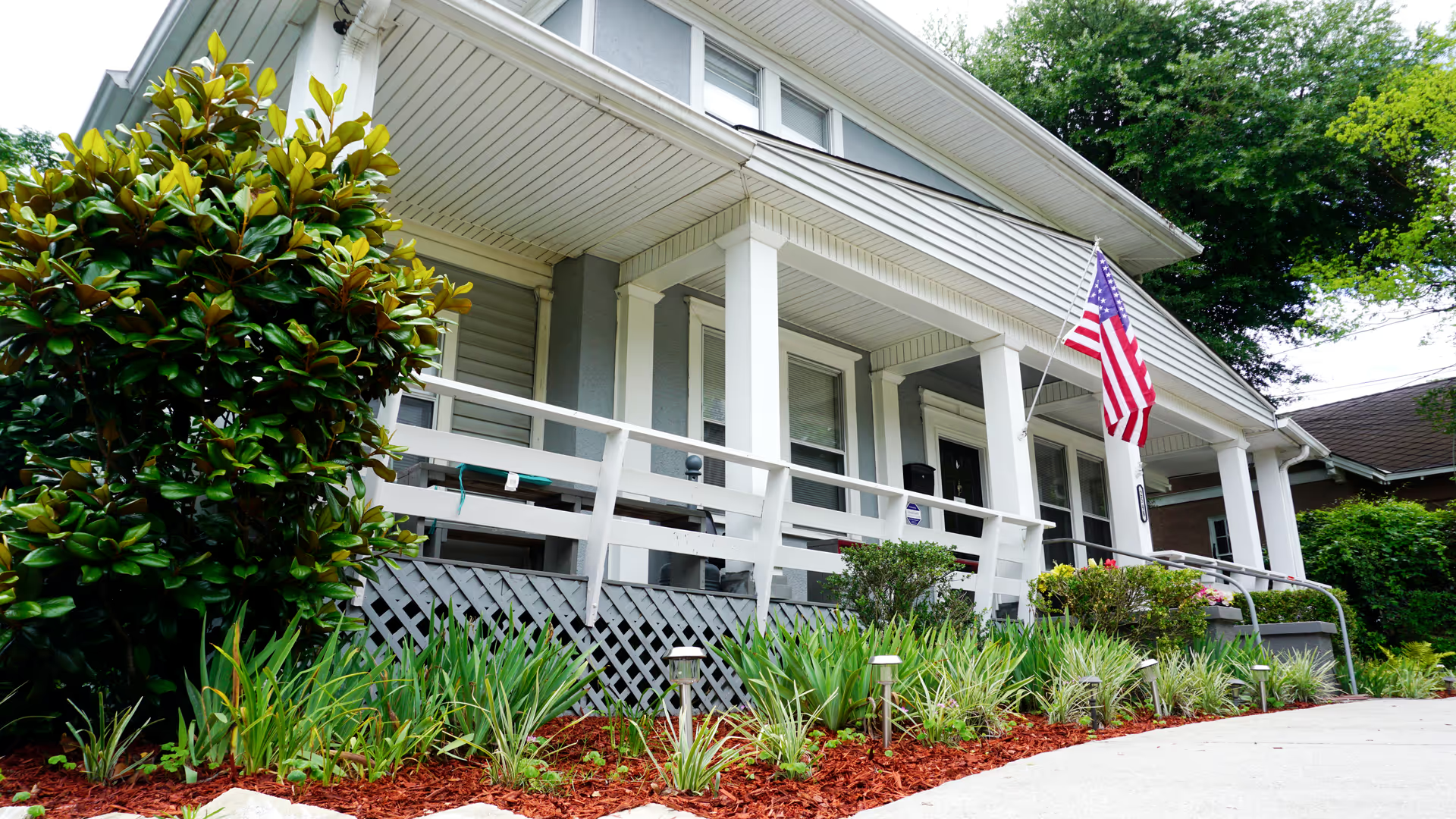
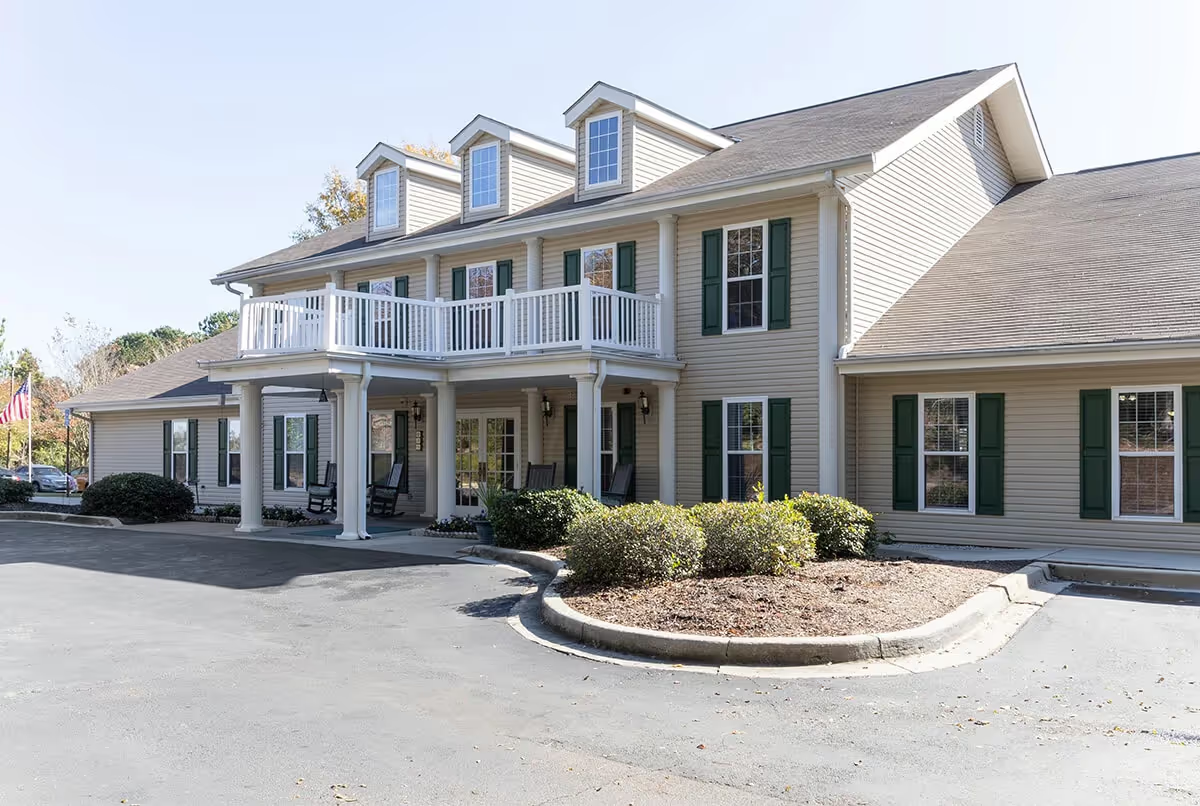
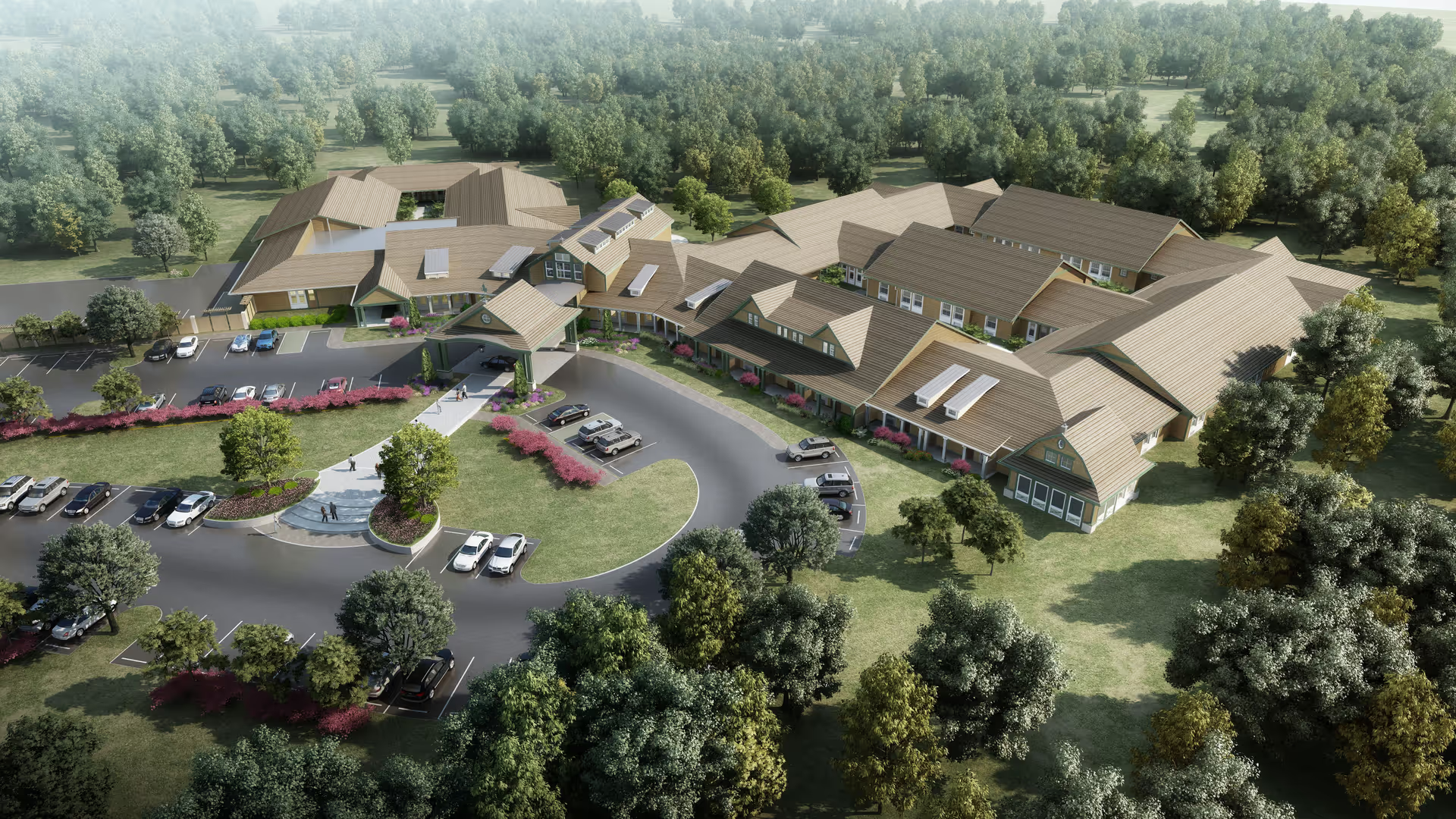
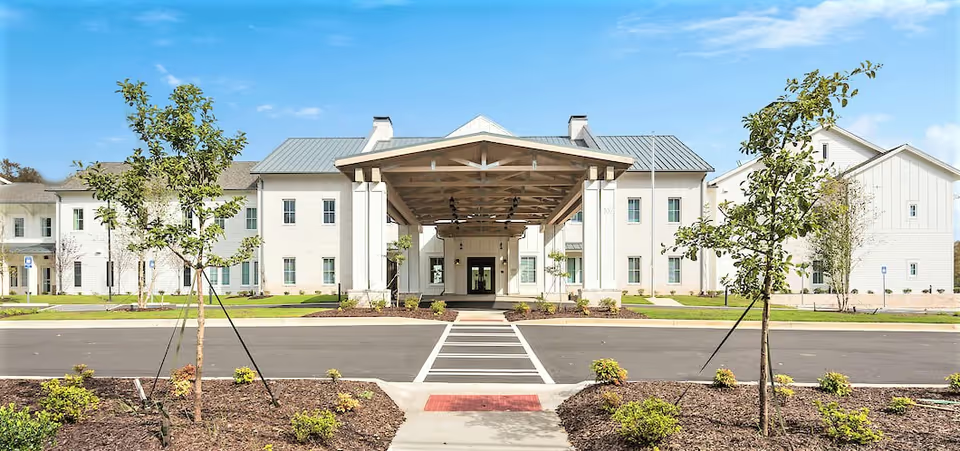
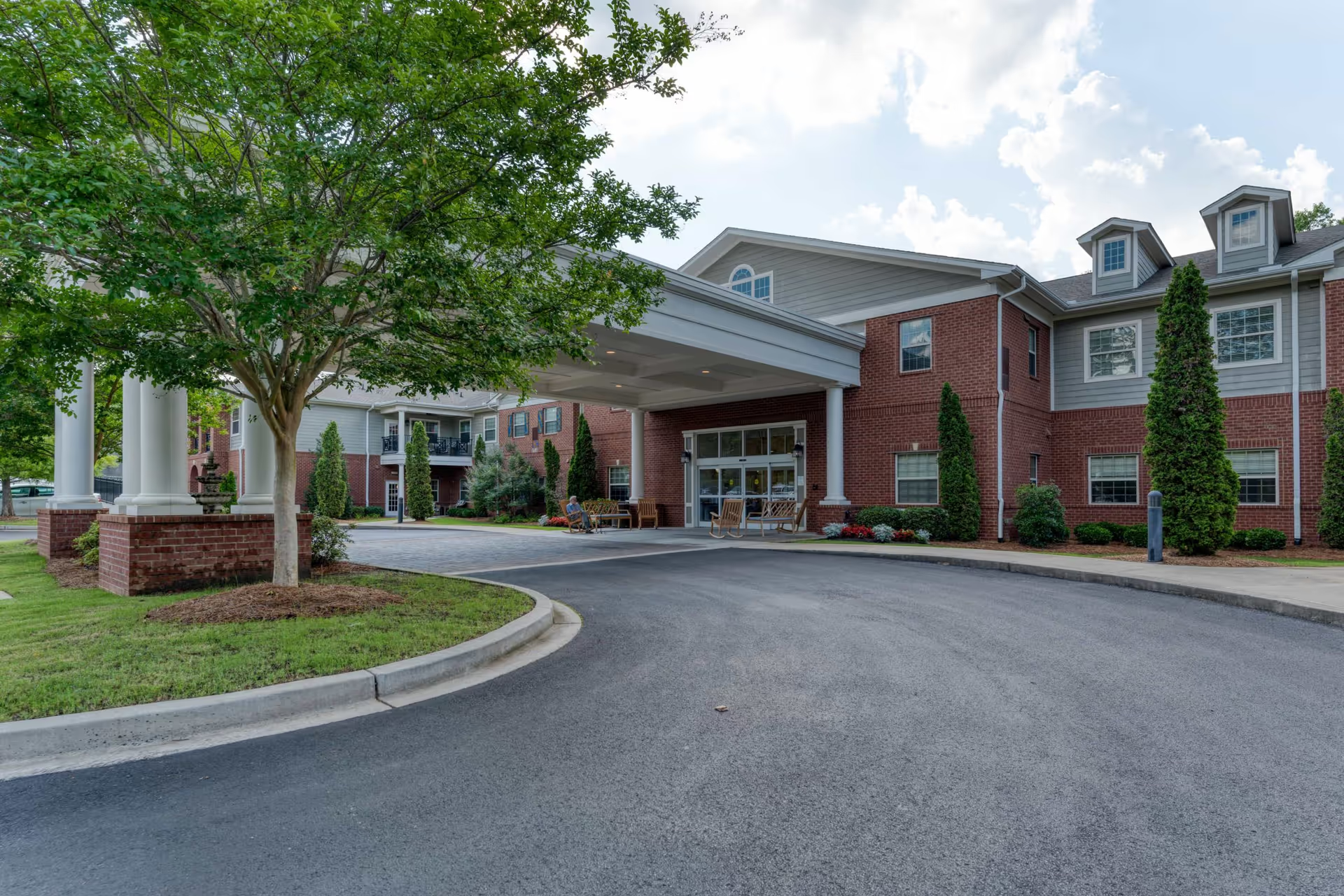
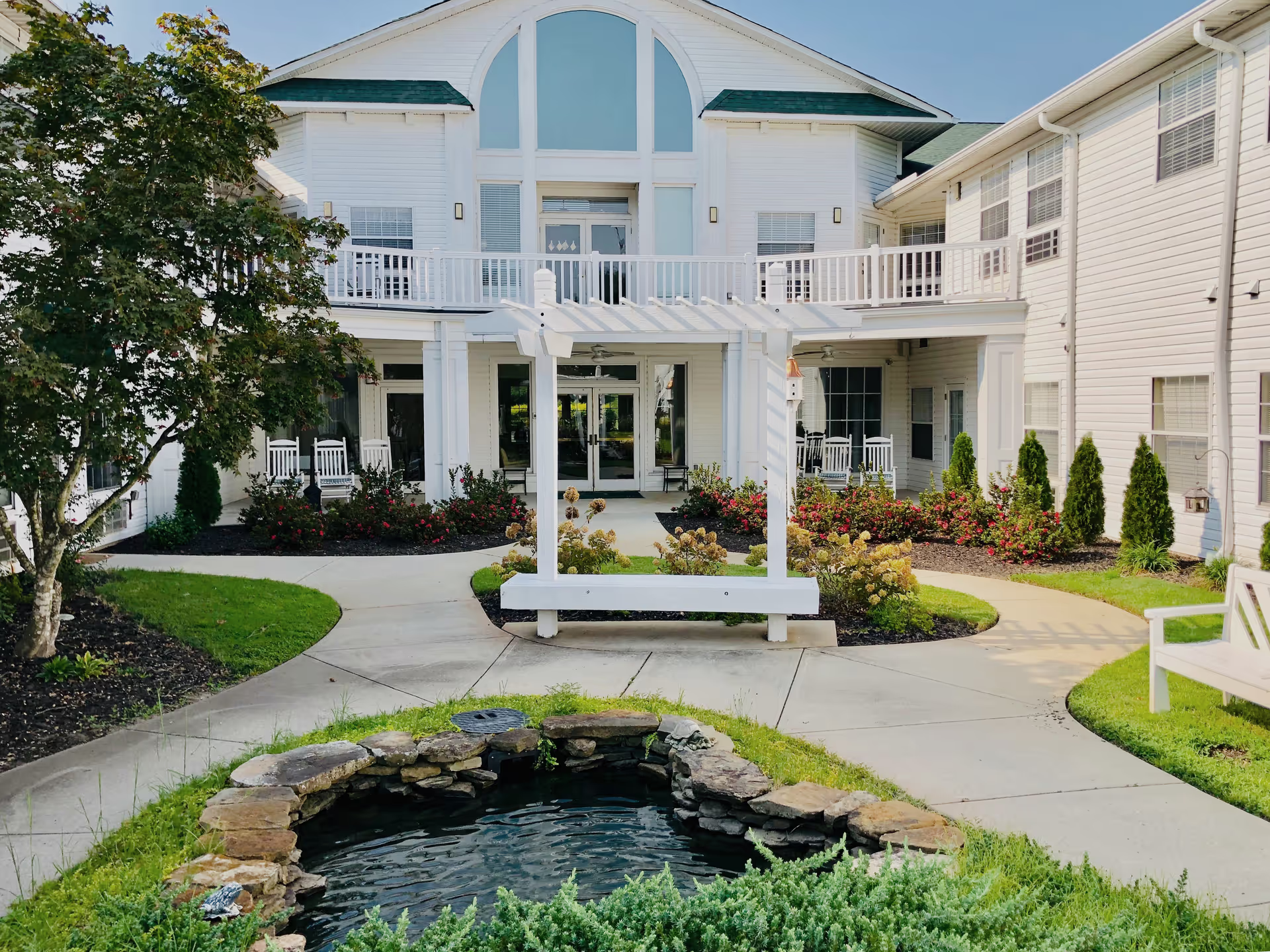
Brookdale North Augusta presents as a small, home‑style community with many strengths alongside notable operational inconsistencies. Facilities and grounds are frequently described as clean, attractive, and recently refreshed in common areas; the dining room, courtyard, front porch and walking sidewalks are repeatedly identified as appealing features. Several reviewers highlighted the community’s central location and pet‑friendly policy, and many families noted strong infection‑control measures during COVID and convenient proximity to medical providers.
Care and clinical services are described in mixed terms. The community benefits from long‑tenured nursing leadership and availability of in‑house physical therapy, and many families praised attentive nurses and individualized clinical guidance. At the same time, there are recurring concerns about staffing levels and the facility’s reliance on non‑RN aides; these staffing challenges are associated in some accounts with inconsistent personal‑care delivery and delays in routine tasks. For prospective residents with dementia or higher memory‑care needs, the absence of an on‑site memory‑care unit is a clear limitation.
Staff behavior and management impressions are polarized. Numerous reviewers praised friendly, engaged caregivers, activity staff who foster social connection, and an overall family‑like environment. Conversely, other families described variability in staff conduct — including lapses in responsiveness, occasional discourteous interactions during admissions or move‑in, and inconsistent follow‑through on requests. Leadership and admissions communication were seen as effective by some and lacking by others, indicating uneven experiences across families.
Dining and activities are generally cited as strengths, with many residents enjoying three meals a day, social meals, and a steady schedule of activities such as bingo, movie nights, crafts and entertainment. Meal quality receives many positive comments, though there are some operational concerns about meal presentation, dining‑area cleanliness, and pest‑control or sanitation issues affecting dining fixtures in isolated areas. Activity programming appears robust for ambulatory residents but participation and engagement can be limited for those with greater mobility or cognitive needs.
Physical plant and maintenance impressions vary by area. While several reviewers emphasize well‑kept interiors, bright common spaces and recent remodeling, others point to dated resident rooms, small private units, lingering odors in parts of the building, and occasional delays in routine maintenance or repairs (for example, unresolved equipment issues). These mixed signals suggest that while common areas receive attention, some resident‑level maintenance and housekeeping tasks may be inconsistent.
Overall pattern: Brookdale North Augusta is often recommended for families seeking a small, community‑oriented assisted‑living setting with good food, active programming, and stable clinical leadership. However, prospective residents and families should evaluate operational reliability on key points: staffing levels and aide availability, the absence of on‑site memory care, dining‑area sanitation and presentation, and the responsiveness of admissions and maintenance teams. A thorough, in‑person tour that includes conversations with nursing leadership, a review of staffing ratios, and inspection of a prospective resident’s room will help clarify whether the facility’s strengths align with an individual’s care needs and expectations.