Overall impression: Reviews convey a facility with a strong emphasis on personal, family‑style care and a small‑community feel, paired with operational weaknesses that affect family confidence. Many families describe staff as warm, respectful and attentive to residents’ emotional needs; others describe instances of limited responsiveness or lapses in follow‑through. The balance between personalized attention and inconsistent operational reliability is the central pattern across comments.
Care and staff: Positive comments focus on compassionate, respectful interactions and long‑term relationships between staff and residents. Families noted instances of individualized attention such as accommodations for fall risk and a comforting, home‑like atmosphere. Concurrently, reviewers raised concerns about inconsistent staff engagement (for example, failures to follow up or to bring personal items) and occasional delays in responding to family inquiries. There are also concerns about how clinical events are handled and how promptly families are notified during urgent situations.
Dining and clinical services: Review material provides little specific detail about dining quality or meal service, so no clear pattern can be inferred for food. Clinically, some families had a positive impression of day‑to‑day care, while others expressed worry about communication and continuity during health events (post‑operative care and acute illness were mentioned). Prospective families should request specific information about clinical staffing, transfer/incident protocols, and how medical events are communicated to next of kin.
Activities and social life: The setting supports resident social connections and some families described visible camaraderie among residents. However, several comments indicate limited formal activity programming; a small size and older building appear to constrain the range of organized offerings. Expect a home‑style social environment rather than a broad calendar of structured activities found in larger facilities.
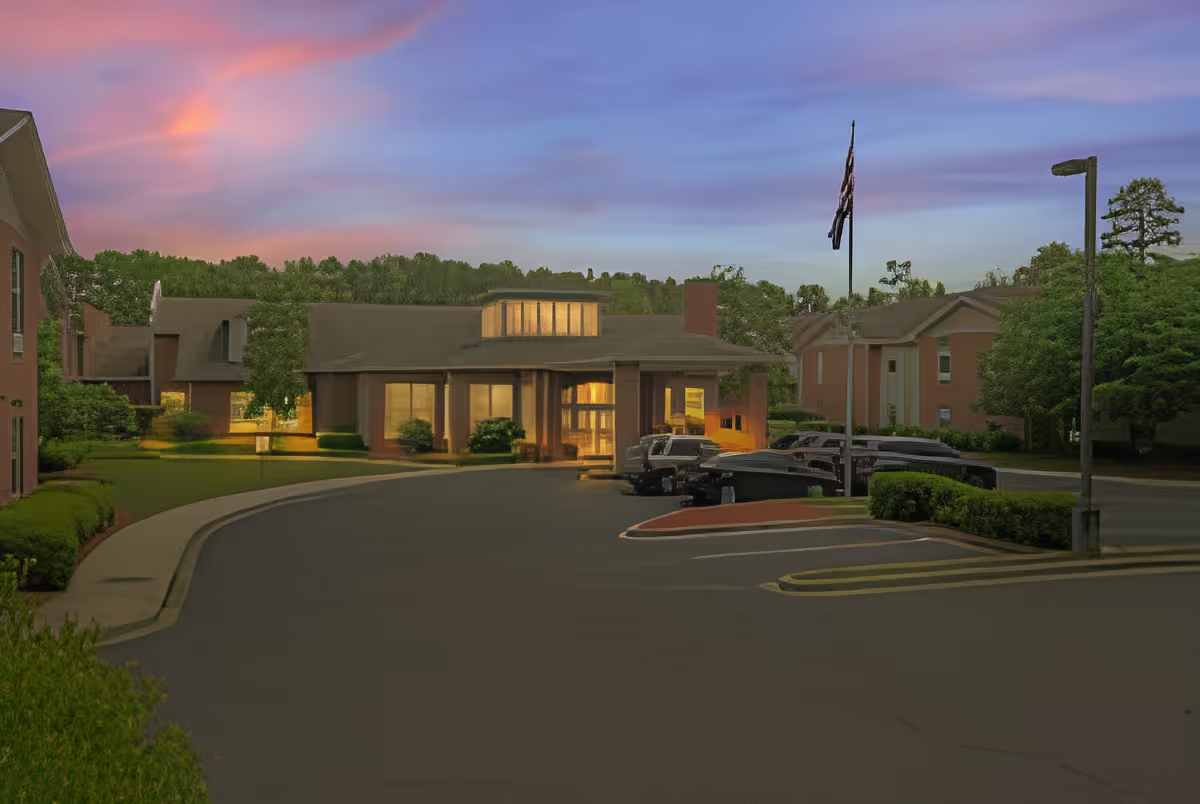
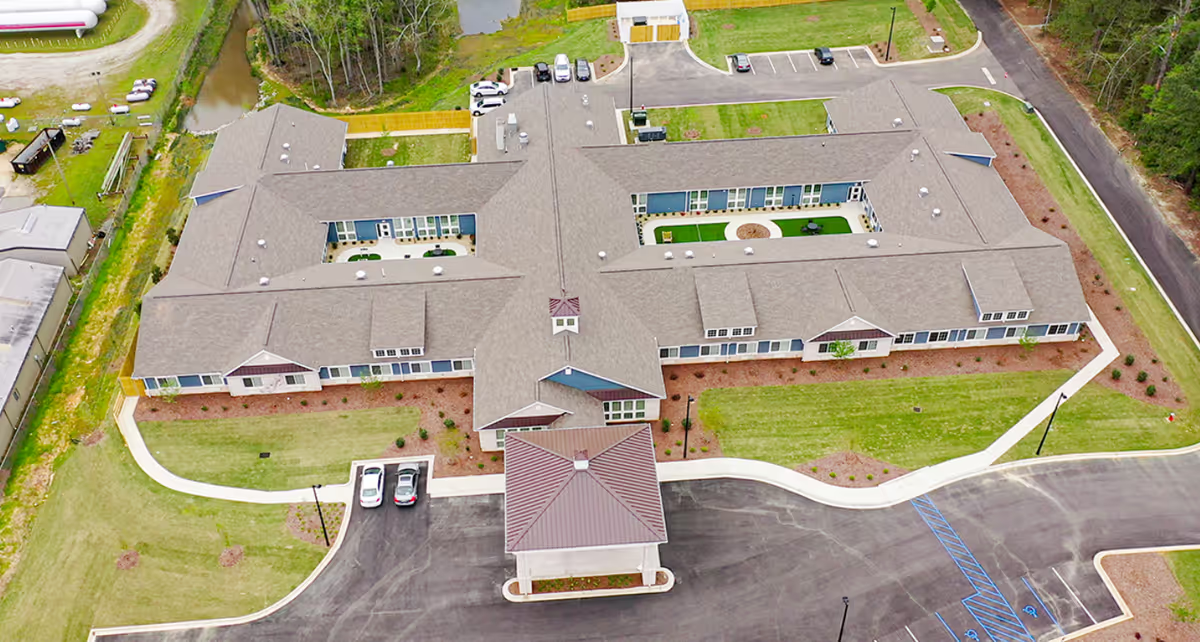
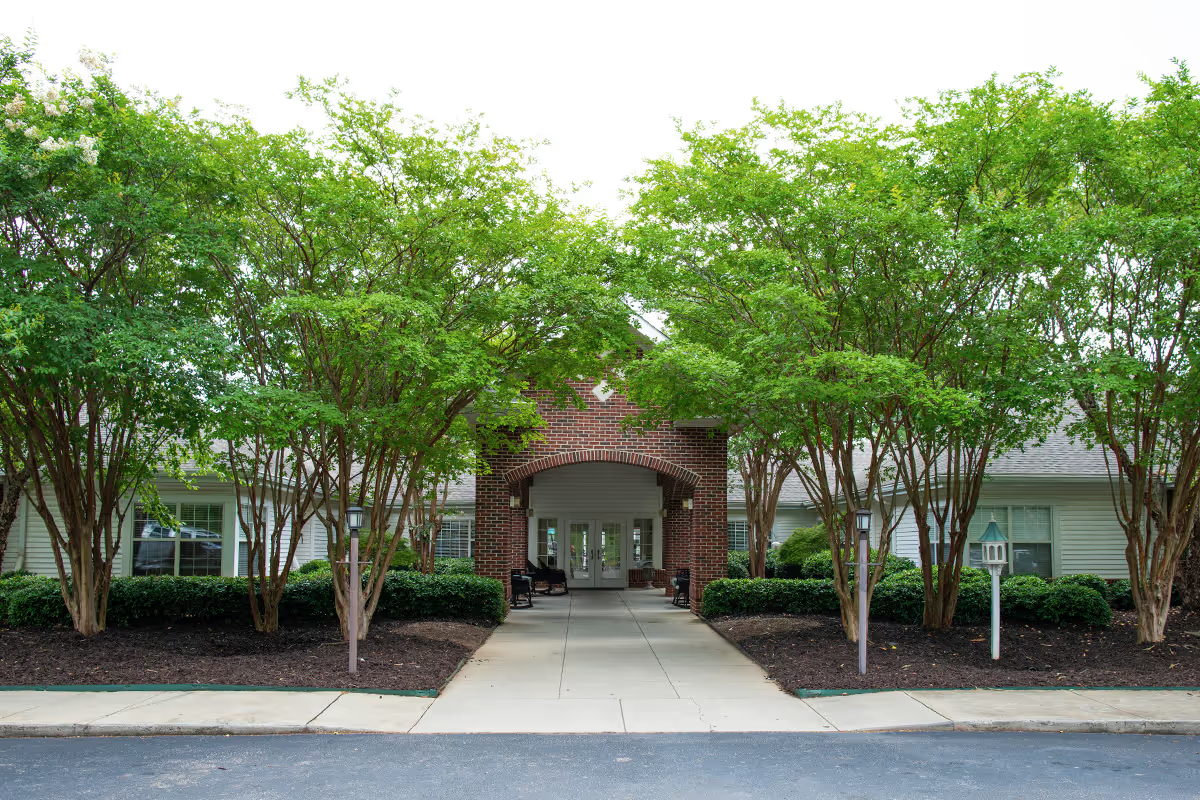
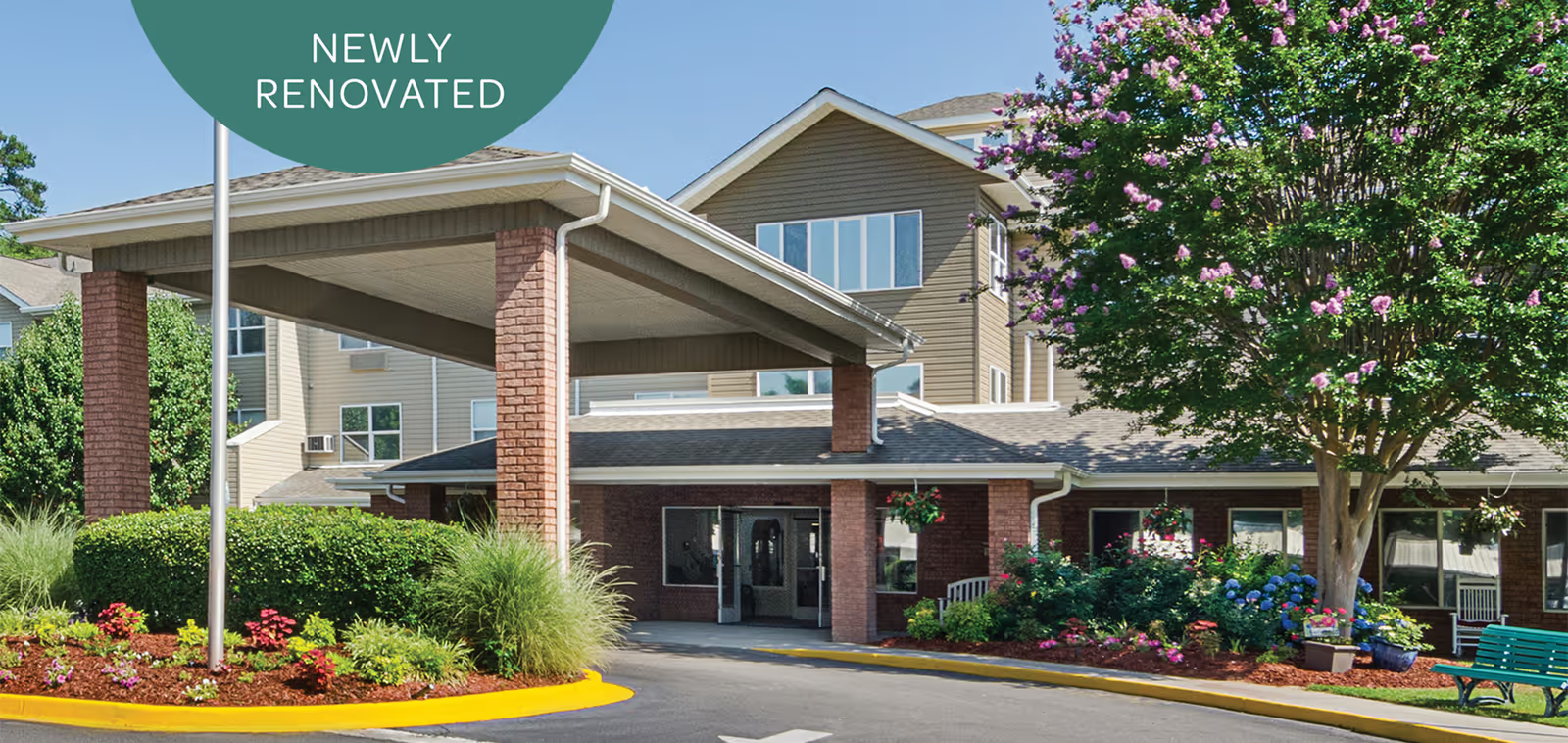
Facility and amenities: The property is consistently described as clean and well‑maintained, set in a private, wooded location with a fenced yard and secured exits—features that support resident safety and privacy. At the same time, reviewers identified an older physical plant and dated operational systems (notably telephone/fax infrastructure). The small scale contributes to a quieter, more private environment but may also limit available amenities.
Management and communication: Administrative staff and tour personnel received positive remarks for helpfulness and professionalism. A recurring operational concern is the reliability of communication systems: outdated phone/fax equipment, difficulty reaching staff, and a perceived lack of a clear emergency contact number. These gaps are the most consistent source of family frustration and reduce confidence during urgent situations.
Notable patterns and practical considerations: The dominant strengths are interpersonal — warmth, cleanliness, security, and a family atmosphere. The dominant weaknesses are operational — communication systems, activity breadth, and occasional lapses in staff follow‑through. For prospective residents and families, recommended topics to clarify during a visit include emergency contact procedures, how family notifications are handled during clinical events, the schedule and scope of activities, staffing levels, and examples of how the facility manages transitions or post‑operative care.