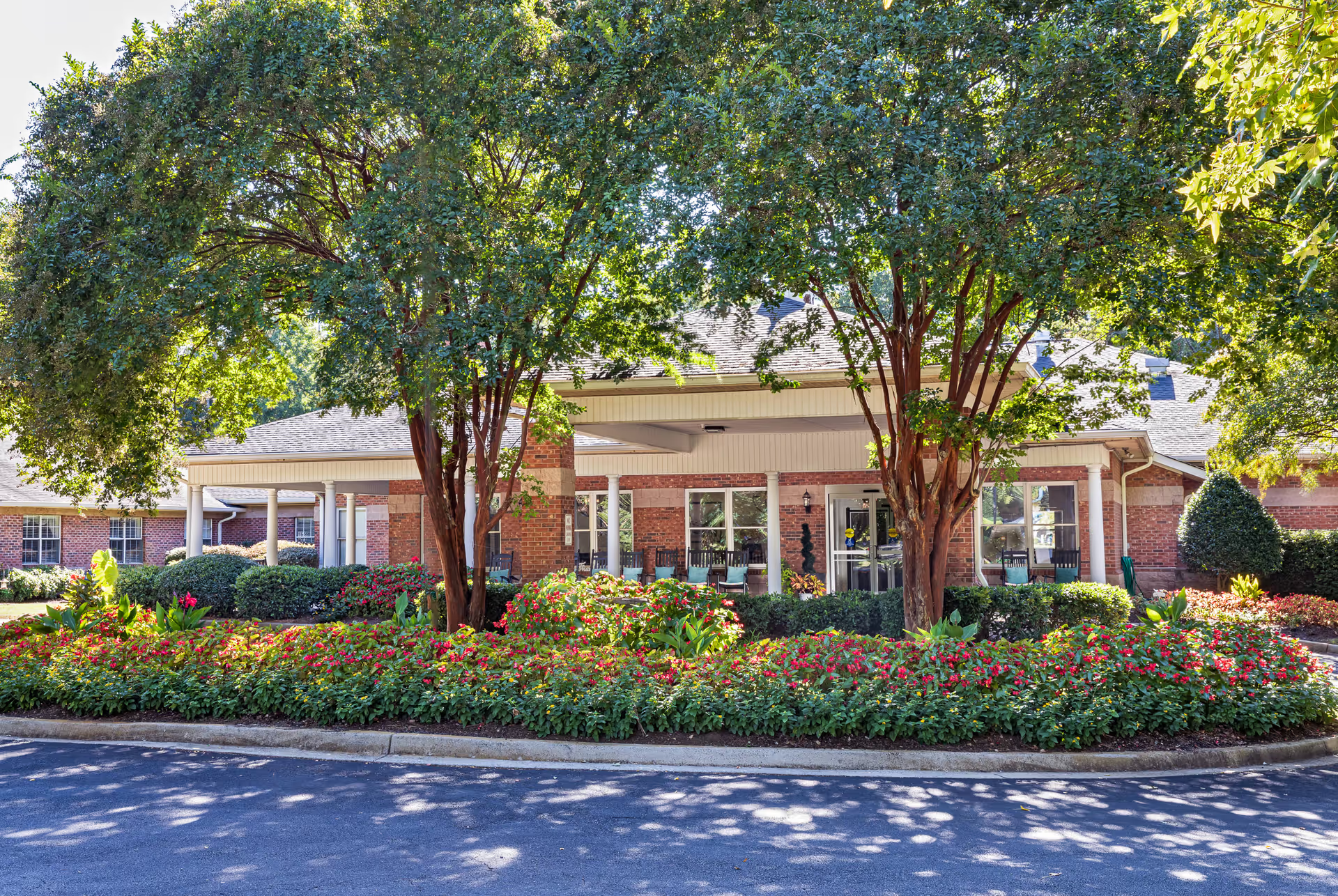
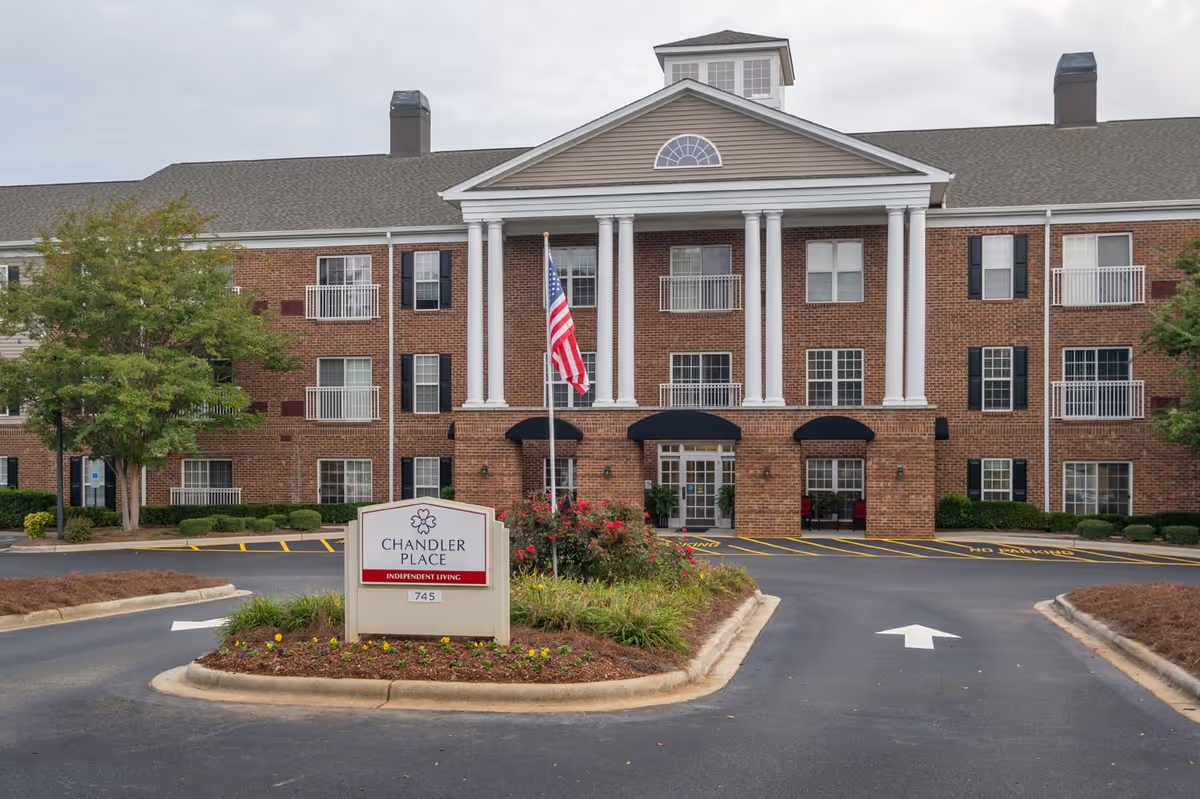
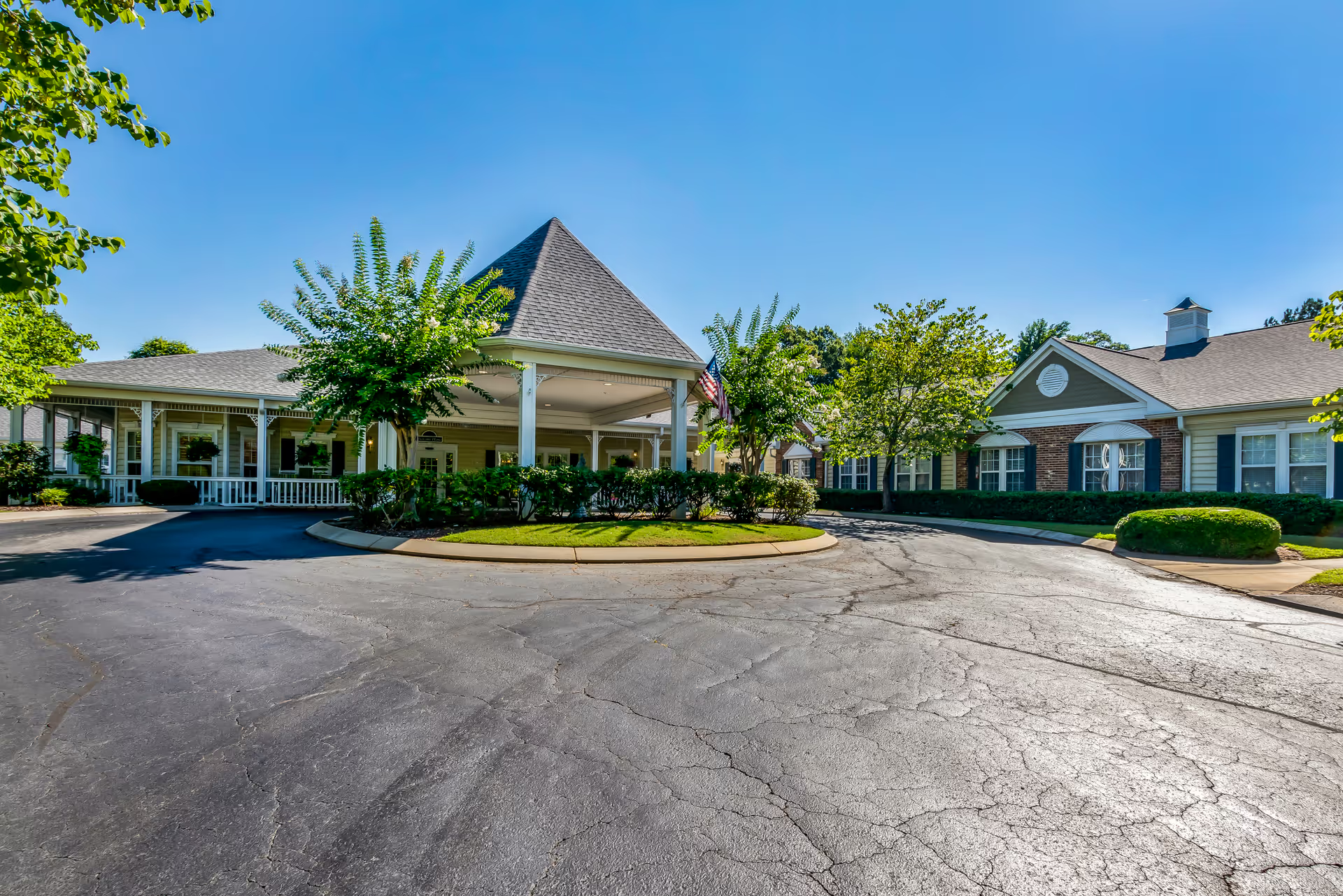
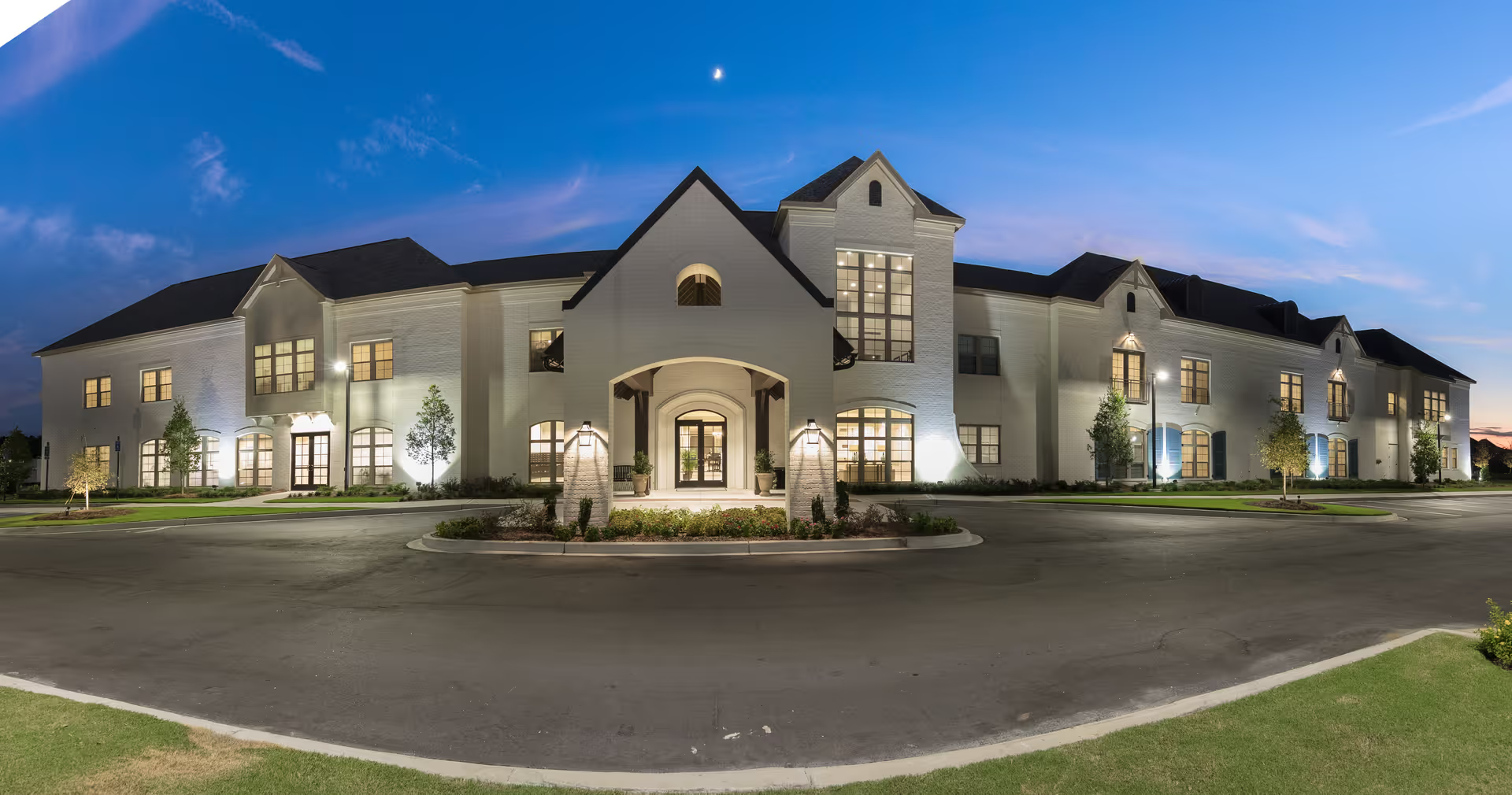
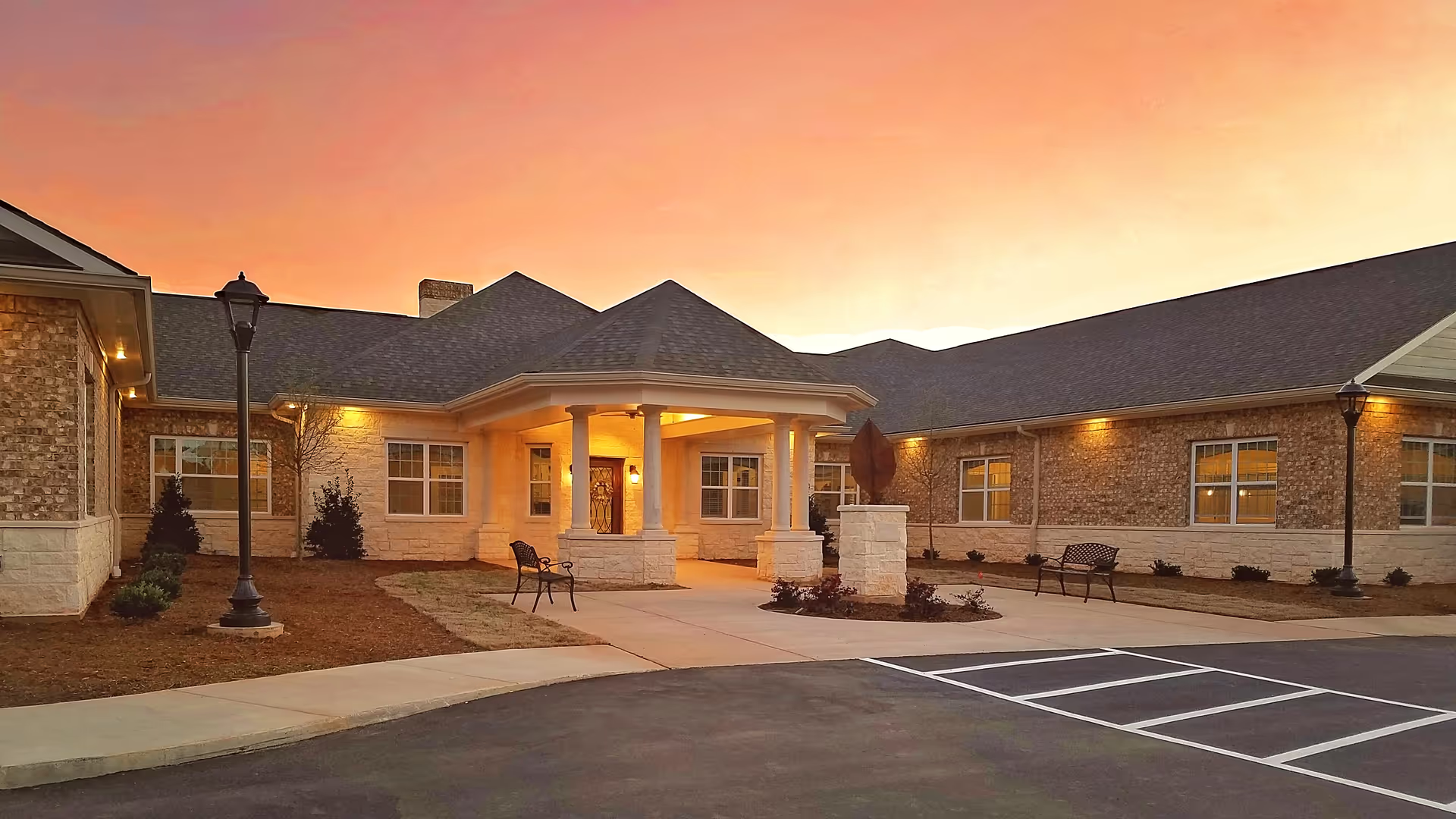
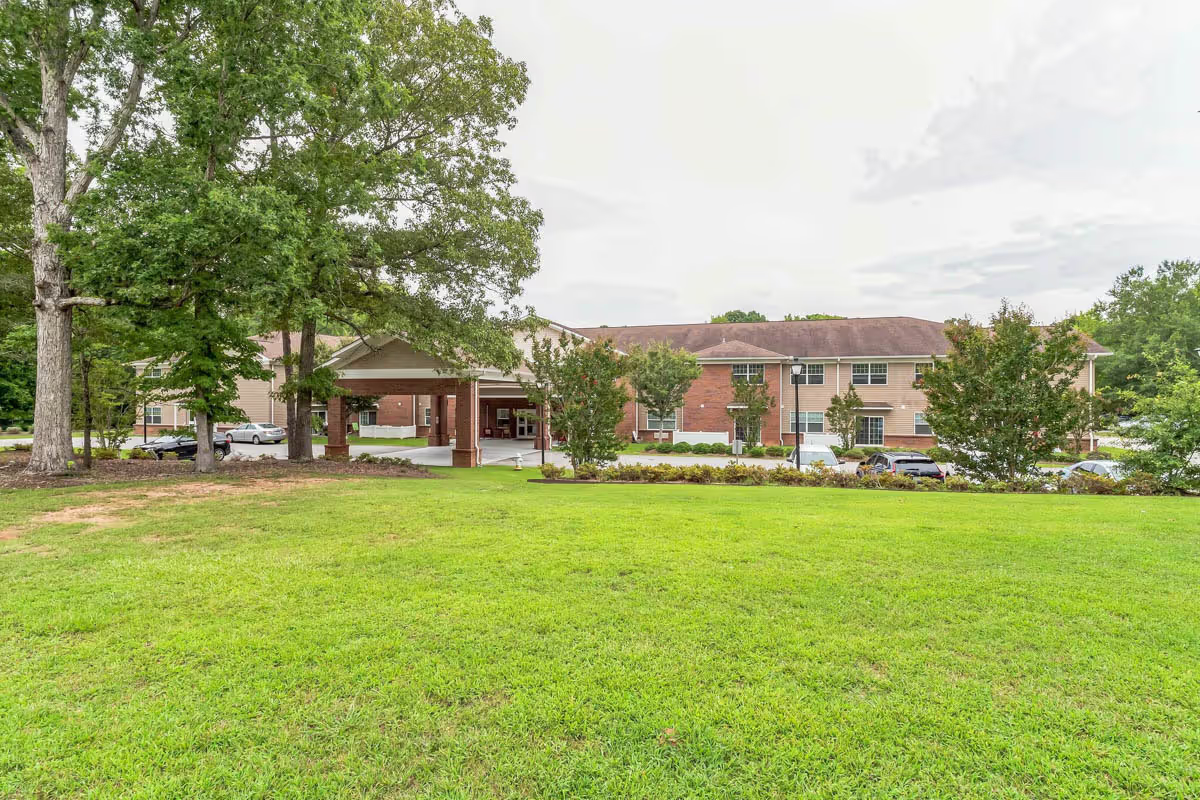
Brookdale Ebenezer Road presents as a well‑kept, home‑style assisted living community with several clear strengths and recurring operational weaknesses. Many accounts emphasize a clean, comfortable interior and pleasant communal spaces — courtyard, sunroom, library and dining areas — that contribute to a social, home‑like atmosphere. Private-room configurations with en‑suite baths and kitchenettes, regular housekeeping and laundry services, and on‑site amenities (hairdresser, transportation) are frequently cited as positives. The community’s admissions approach and some sales staff are described as informative and non‑pressuring, and policies that permit aging in place and hospice involvement are attractive to families planning for longer stays.
Care and staffing are described inconsistently. Numerous families praise individual caregivers, therapy teams, and the rehabilitation services — noting good physical, occupational and speech therapy and positive short‑term rehab outcomes. At the same time, reviewers identify high staff turnover and uneven staff performance that lead to variable day‑to‑day care quality. Specific operational consequences highlighted include delayed responses to call systems, inconsistent bathing and hygiene routines, and concerns about medication and clinical follow‑through. These patterns suggest that while competent care is delivered at times, staffing stability and consistency remain areas of concern.
Dining and housekeeping receive mixed but specific feedback. The kitchen offers three‑choice menus, customized meal options, and examples of fresh, appealing dishes; some families reported notable satisfaction with food and service. However, other accounts describe irregular meal follow‑up and occasional missed meals or incomplete meal service. Housekeeping of common areas is frequently praised, yet sanitation and incontinence‑care inconsistencies in some resident rooms have been noted, indicating variation in cleaning or incontinence protocols between units or shifts.
Activity programming is a clear strength for general assisted living residents: social and spiritual offerings (bingo, religious singing, bible study, games), library use, and organized outings contribute to resident engagement. For residents with moderate to advanced memory impairment, reviewers indicate a gap: there is no dedicated memory‑care unit and dementia‑appropriate programming is limited, making the community less suitable for people needing specialized memory support or frequent supervision for wandering and navigation difficulties.
Facility condition and safety comments are similarly mixed. Many reviewers remark on a well‑maintained campus and attractive public spaces. Conversely, some point to lapses in maintenance and safety oversight (for example, unsecured tools or items left in work areas and occasional obstructions near emergency stations), and a number of accounts raise concerns about room layout issues (small or darker rooms, shower configurations lacking accessible seating or grab bars) and HVAC/vent placement. The site’s controlled access is seen as a security plus by some families, though others find visitation rules and enforcement to be restrictive or inconsistently applied.
Management and administration impressions vary. Admissions staff and several directors receive specific praise for helpfulness, creativity in problem solving, and responsiveness. In other instances, families describe management or charge‑nurse attitudes that they found unhelpful, and note inconsistencies in communication and billing transparency — including extra fees for specific personal‑care tasks and apparent differences between existing resident rates and new‑move‑in pricing. There are also reports that care quality has improved when new staffing is stabilized, suggesting that management responsiveness and recruitment retention could materially affect resident experience.
Bottom line: Brookdale Ebenezer Road may be a strong match for older adults seeking a clean, social assisted‑living setting with on‑site rehab and a range of activities, particularly if their medical needs are moderate and they prioritize communal life. Prospective residents with advanced dementia, complex clinical needs (IVs, feeding tubes, ongoing wound care), or who require guaranteed, consistent staffing responsiveness should carefully evaluate whether the facility’s operational limitations and variability align with their needs. Visiting at different times of day, meeting direct‑care staff, reviewing staffing patterns, and clarifying fee structure and visitation policies are recommended steps for families considering this community.