White Oak Manor Rock Hill elicits a mixed but clear pattern: families frequently praise the direct-care teams and rehabilitation services, while also raising operational concerns that affect long-term placement experience. The facility's short-term rehab and therapy programs receive consistent positive remarks for clinical effectiveness and supportive therapists; many families credited the staff with successful postoperative recoveries and functional gains. At the same time, accounts of the long-term care side are uneven, with differences in condition, cleanliness, and service consistency between the renovated/rehab wing and the older units.
Care quality is described as variable. Numerous reviewers highlighted compassionate and attentive caregivers and nurses who provide high-quality day-to-day support. However, there are recurring concerns about medication management, delayed clinical reporting, and long call-bell response times that have led families to question reliability in certain situations. A number of families also indicated difficulties ensuring timely bathing/showering and toileting assistance, and some expressed that the facility may not be well suited to residents with advanced dementia or complex behavioral needs.
Staffing and communication show a similar split. Many frontline aides, therapists, and nurses are characterized as friendly, professional, and willing to go above and beyond; activity staff and dining servers frequently receive positive comments. Conversely, short staffing was frequently cited as a factor behind delayed responses and inconsistent care. Several reviewers described unhelpful or brusque interactions with front-office and social-work personnel, and some families perceived administrative priorities as more financially than clinically driven, producing frustration around follow-up and advocacy.
Dining and activities are relative strengths. The food is often described as enjoyable, and residents reported weight gain and satisfaction with meals. The activity program appears active and varied — bingo, music visits, cornhole, crafts, parties, and social events were commonly mentioned — and communal amenities such as a garden, barber shop, and pleasant dining areas were noted as positive contributors to resident quality of life.
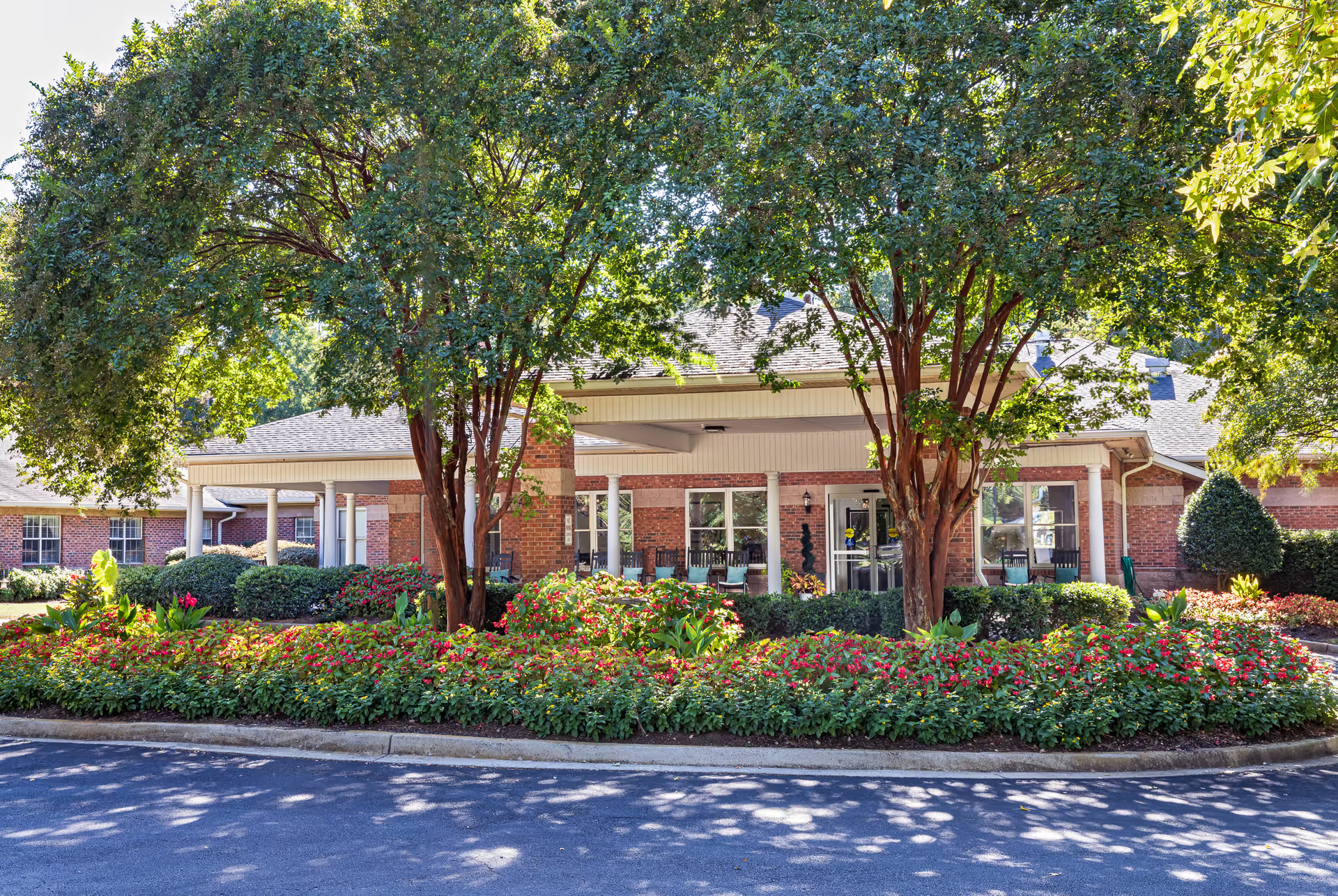
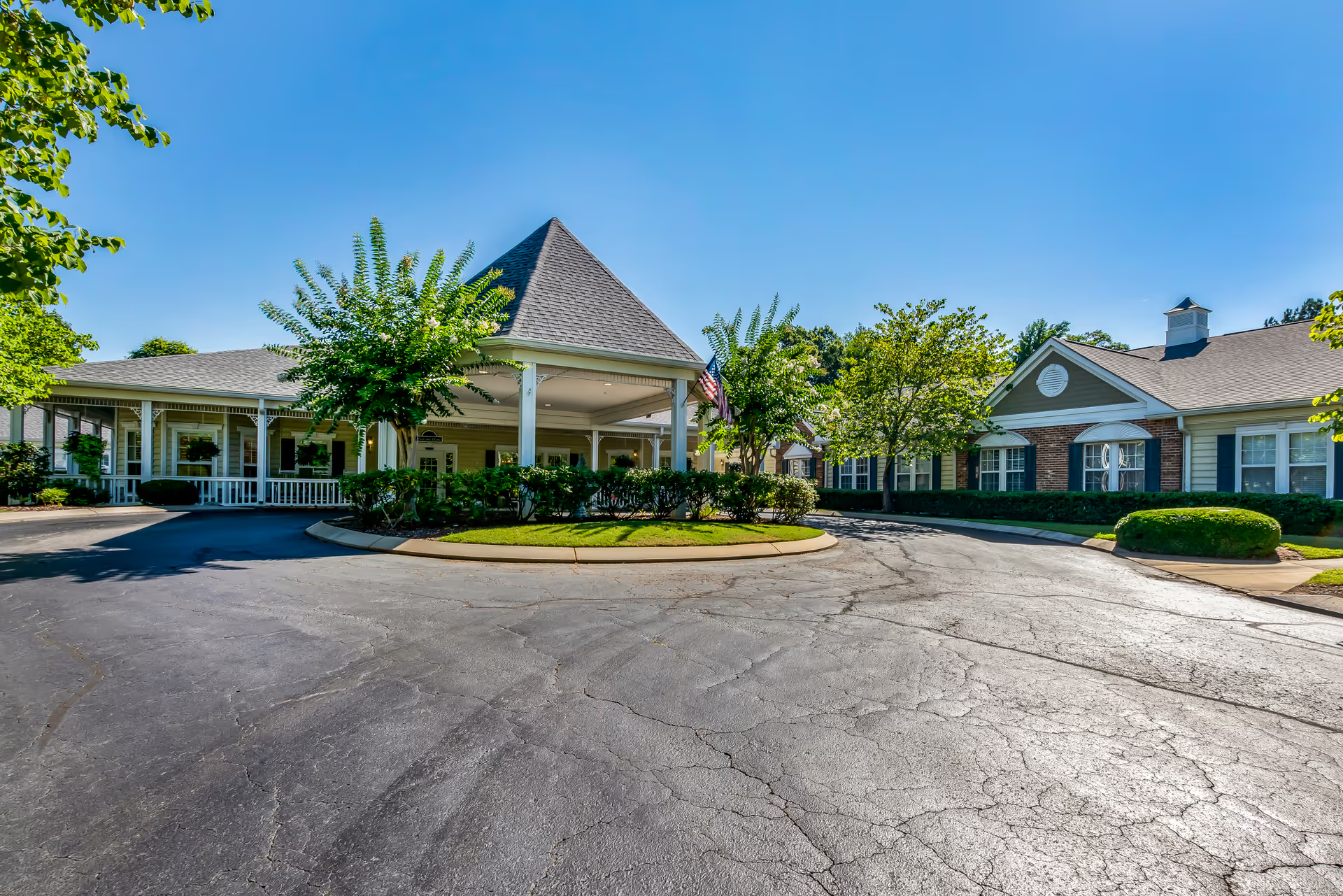
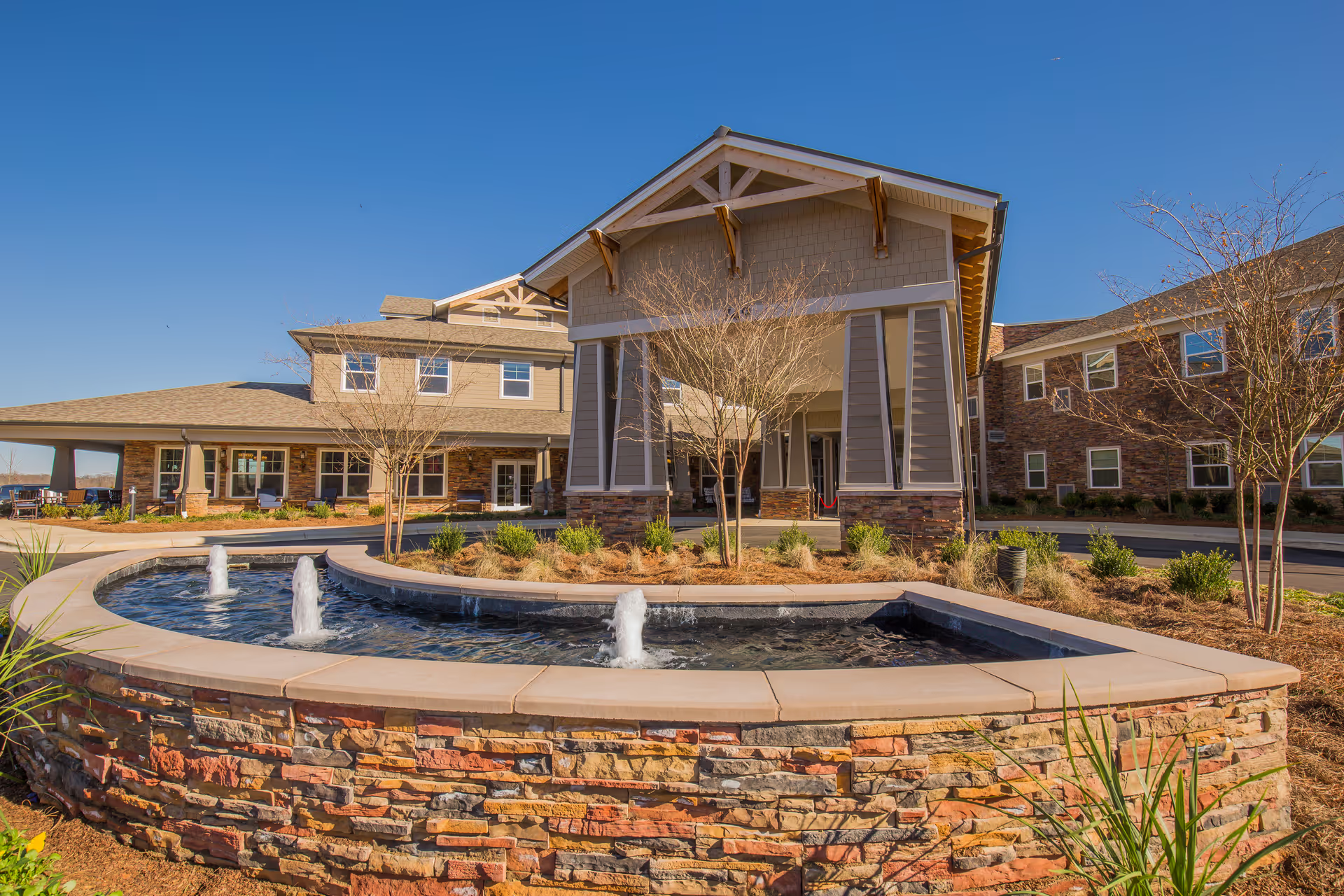
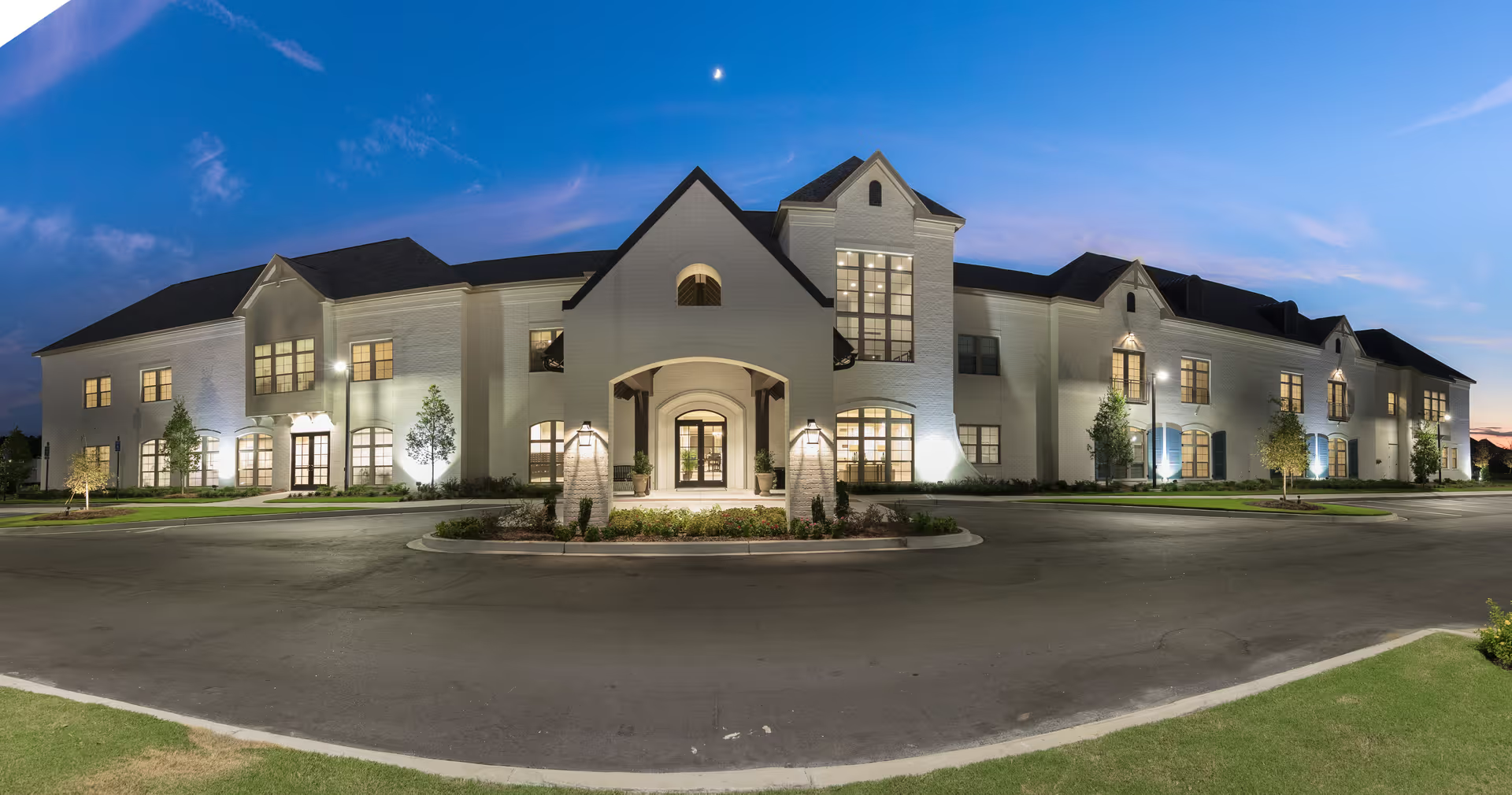
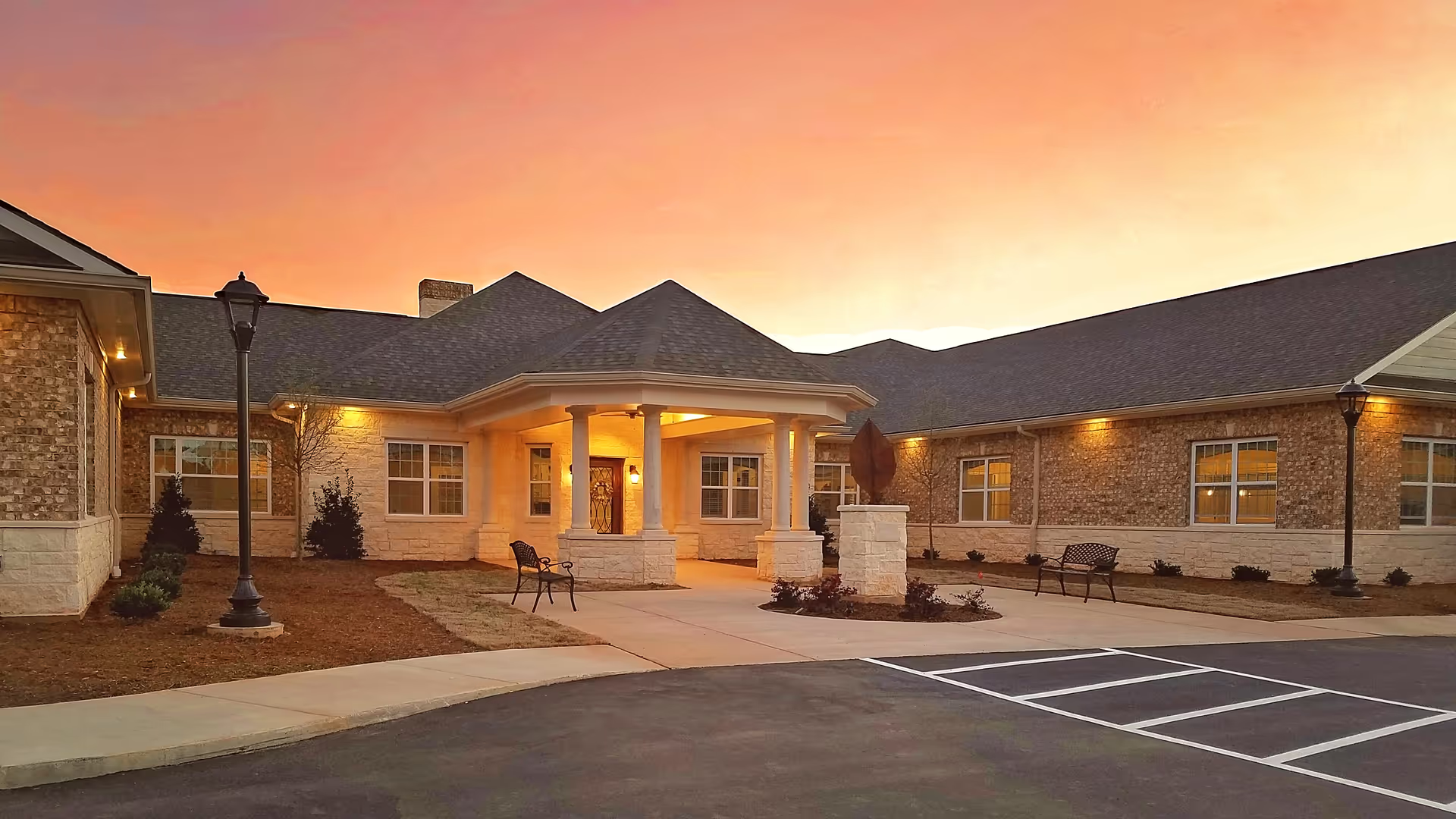
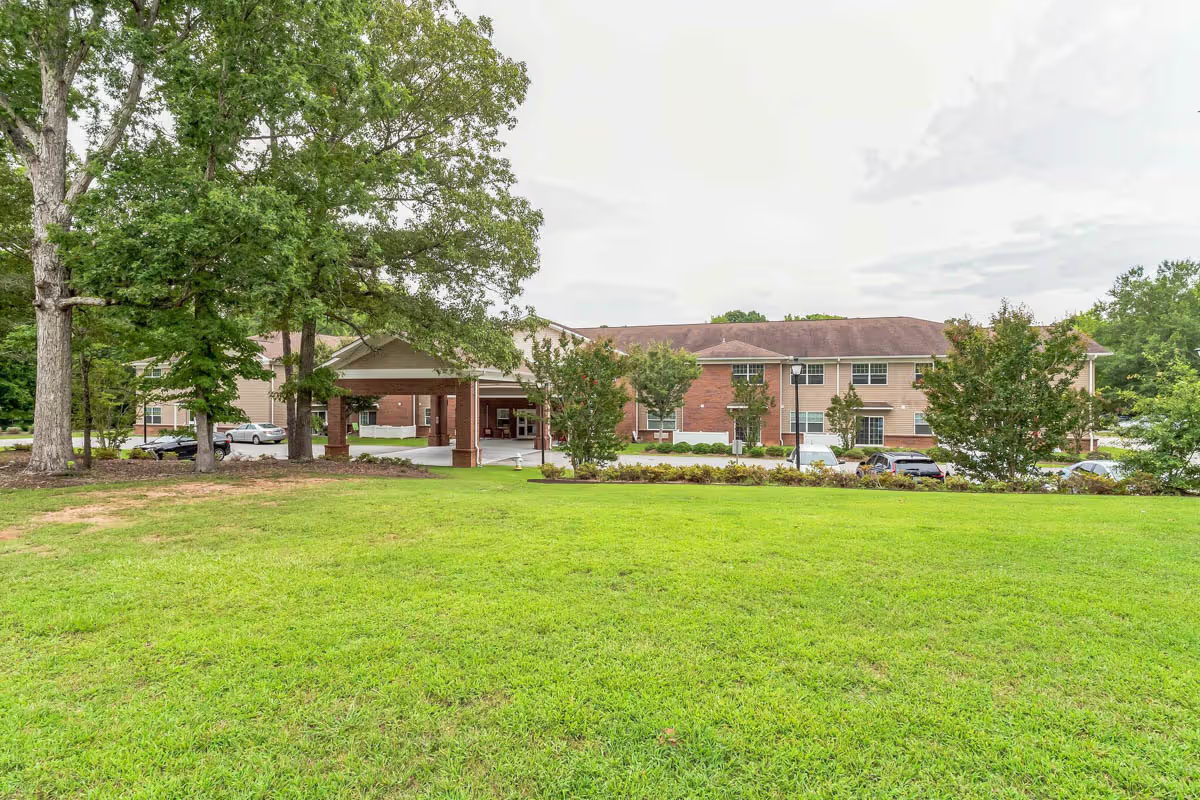
Facility condition is uneven. The rehabilitation/therapy wing is frequently described as clean, modern, and well-kept, while older sections of the building are described as dated and in need of renovation. Housekeeping frequency and sanitation standards appear inconsistent across units, and multiple reviewers mentioned pest-control concerns that should be verified during a visit. Private rooms with small refrigerators and tidy dining spaces were called out as positives in contrast to the older unit conditions.
Management, billing, and oversight are recurring areas of concern. Families reported difficulties with billing questions, Medicare-related billing experiences, and slow or inconsistent responses from administration when care issues are raised. Several reviewers recommended thorough due diligence prior to placement. Prospective residents and families should conduct an in-person tour, ask for unit-specific housekeeping and pest-control schedules, review recent inspection and complaint histories, inquire about staffing levels and call-bell response metrics, confirm medication-administration and incident-reporting procedures, and verify whether the facility’s environment matches the clinical needs of a person with dementia. These steps will help determine whether the facility’s strengths align with an individual resident’s priorities and risk profile.