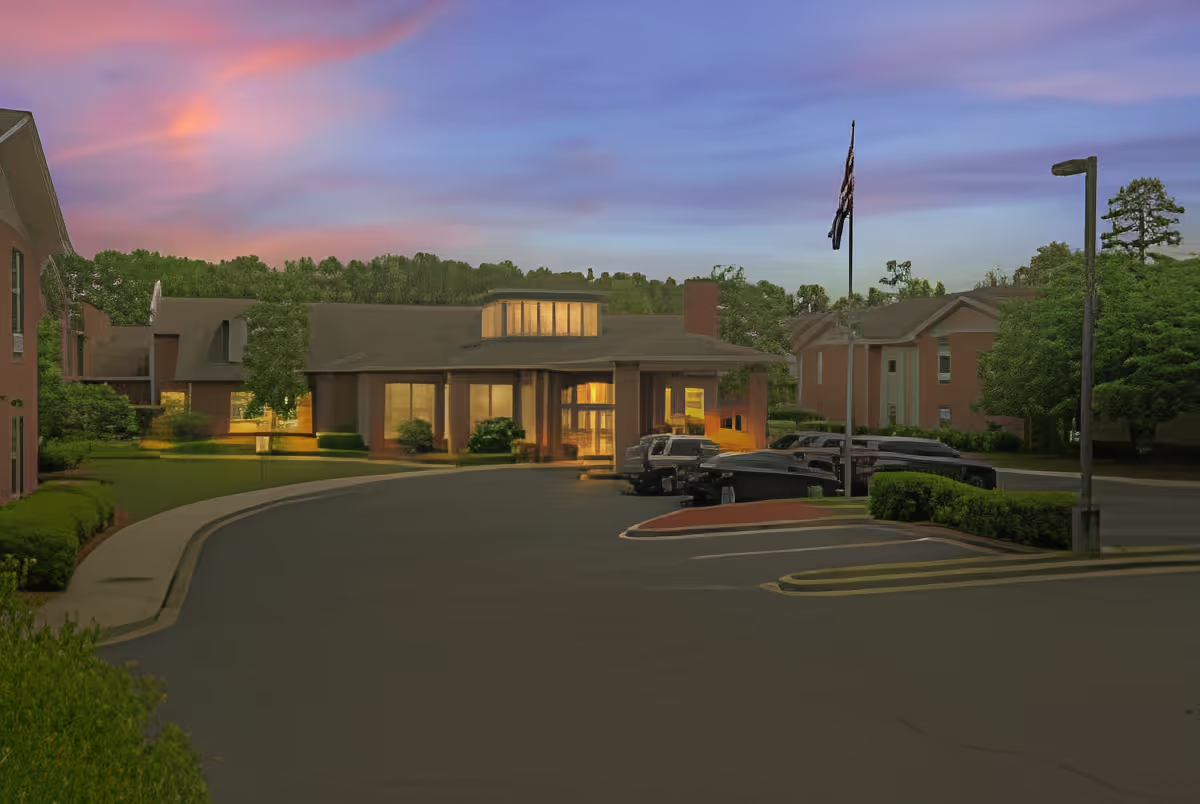
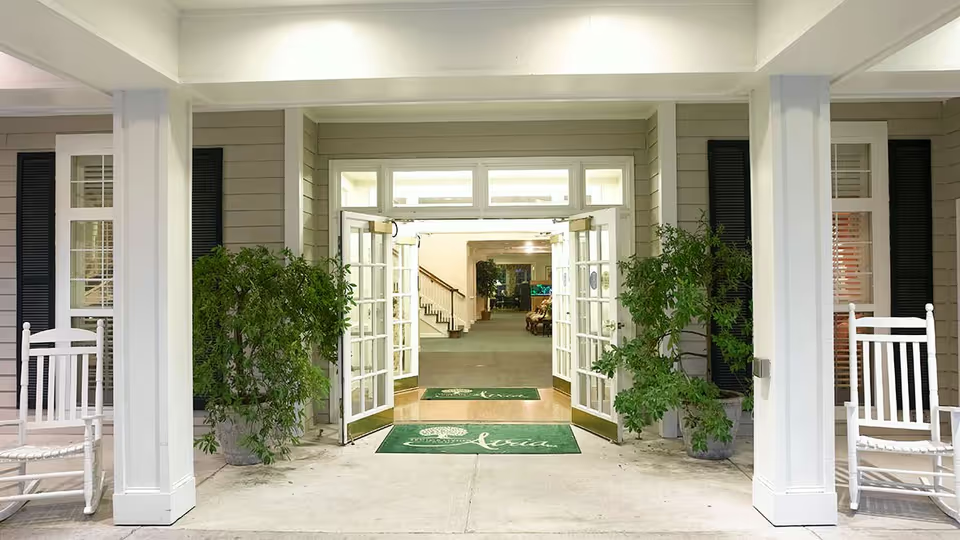
Reviews of Blue Ridge of Sumter present a mixed picture with distinct positive and negative themes. Several families describe attentive, compassionate direct-care staff, proactive assistance during transitions, and units that felt neat and well organized. At the same time, other families reported significant operational shortcomings affecting daily care, safety, and communication.
Care quality appears inconsistent. Positive comments highlight staff who provide hands-on help and demonstrate caring interactions. Contrasting accounts describe delays in responding to call bells, difficulty locating licensed nurses or physicians, and gaps in respiratory management and monitoring. Specific safety-related concerns suggest weaknesses in fall prevention and bed safety (for example, narrow beds and lack of side rails), along with issues around oxygen management. There are also mentions of infection concerns and pneumonia in some cases, indicating variability in clinical oversight and infection-control practices.
Staffing and management themes recur across reviews. Frontline caregivers receive praise in many accounts, yet reviewers also cite understaffing, unorganized shift coordination, and supervisory communication problems. Several families reported difficulty obtaining clear, timely information about care plans, and some experienced uncooperative responses from housekeeping or supervisory staff. There are also references to discharge paperwork and billing/Medicare processes that were confusing or incomplete, suggesting administrative-process weaknesses.
Facility and environmental issues are another pattern. Multiple reviewers described inadequate temperature control, including rooms that were overly hot or lacking consistent heating/air conditioning. Some noted cleanliness and odor concerns in common areas and intermittent availability of amenities (for example, no accessible ice machine or no functioning TV in rooms). Personal-hygiene routines were described as inconsistent, with reports of infrequent bathing and skin-care concerns for some residents. At the same time, some families emphasized that their units were well maintained, underscoring variability across the facility or shifts.
Visitation and family communication are areas to probe. A number of reviewers described restrictive visitation practices or inconsistent application of visitor policies, which affected family access for in-person visits. Communication breakdowns—such as abrupt phone interactions or insufficient updates—were also noted, impacting families’ trust in the facility’s coordination of care.
Notable patterns: the reviews cluster around variability—excellent experiences versus serious operational lapses—rather than a uniformly consistent level of care. There is mention of at least one allegation of serious misconduct and a health-department complaint, which prospective families may wish to investigate further through regulatory records.
For families considering this facility, recommended due diligence includes touring at different times (day and night), asking for current staffing ratios and on-call physician/respiratory coverage, reviewing infection-control and HVAC maintenance policies, checking fall-prevention protocols and bed/equipment safety, requesting examples of discharge and billing documentation, and clarifying visitation rules. Speaking directly with current residents’ families and checking state inspection results can help clarify whether recent operational issues have been addressed.