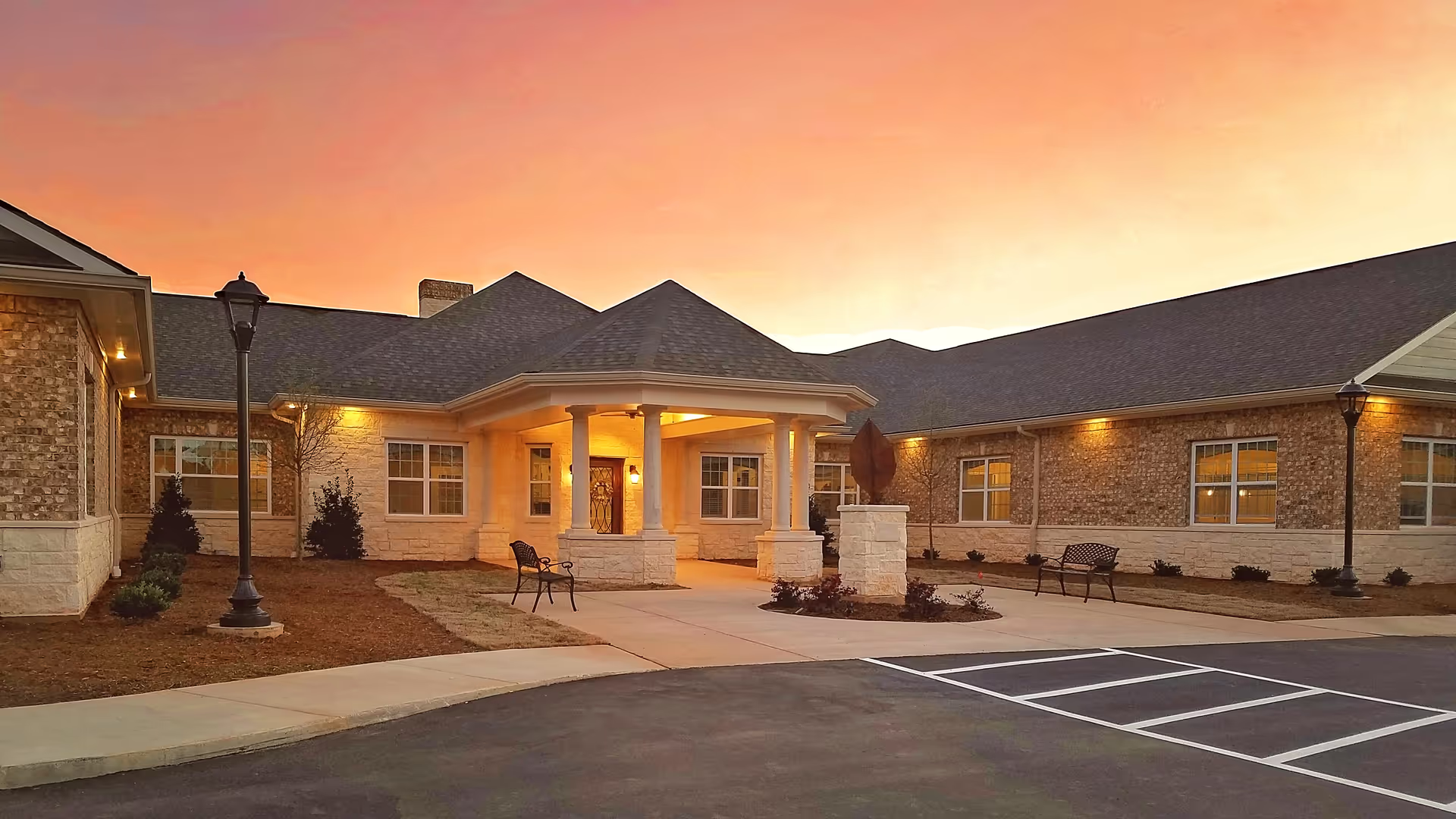
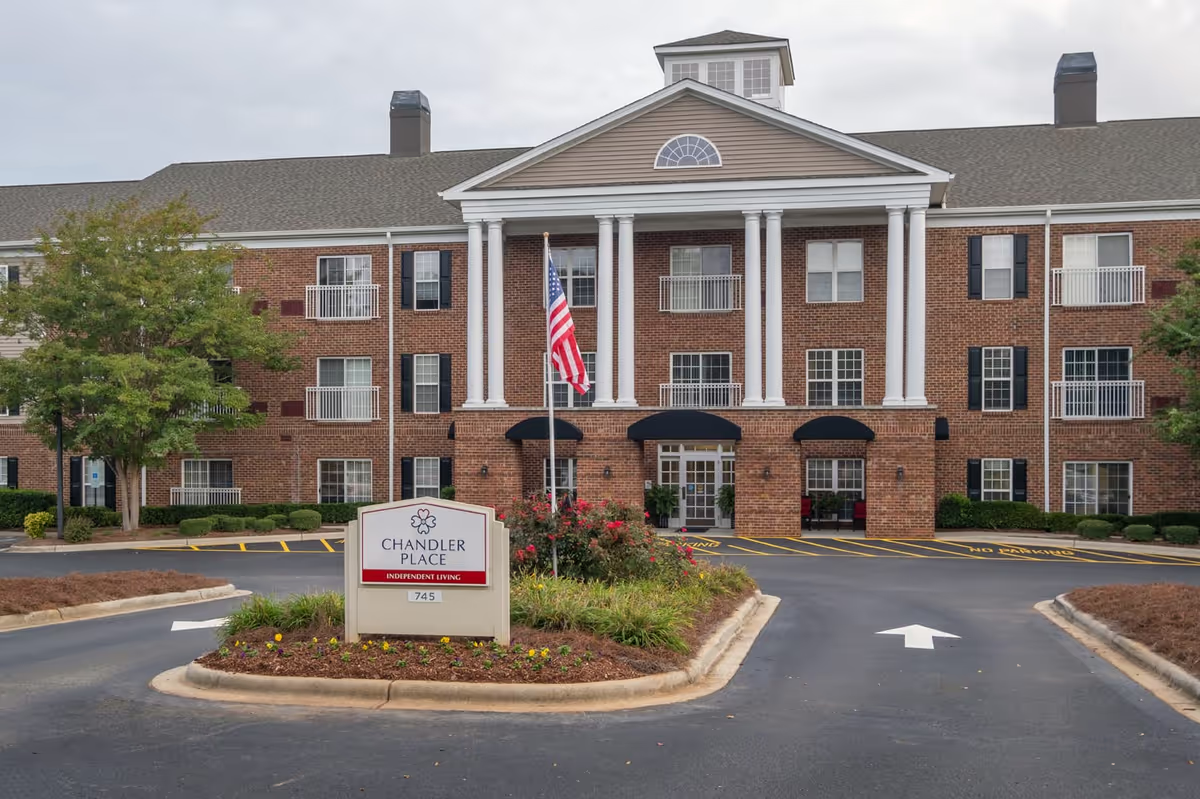
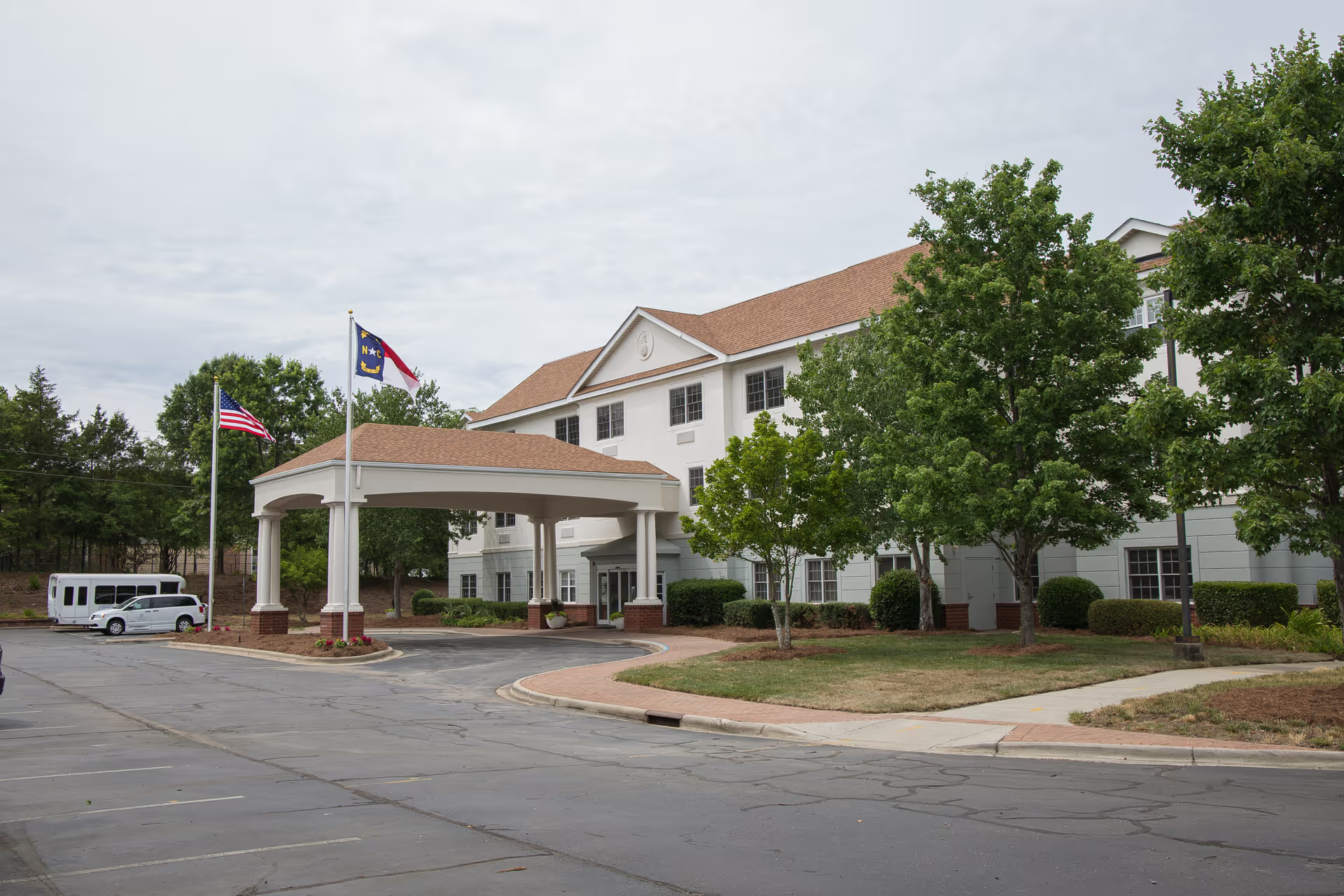
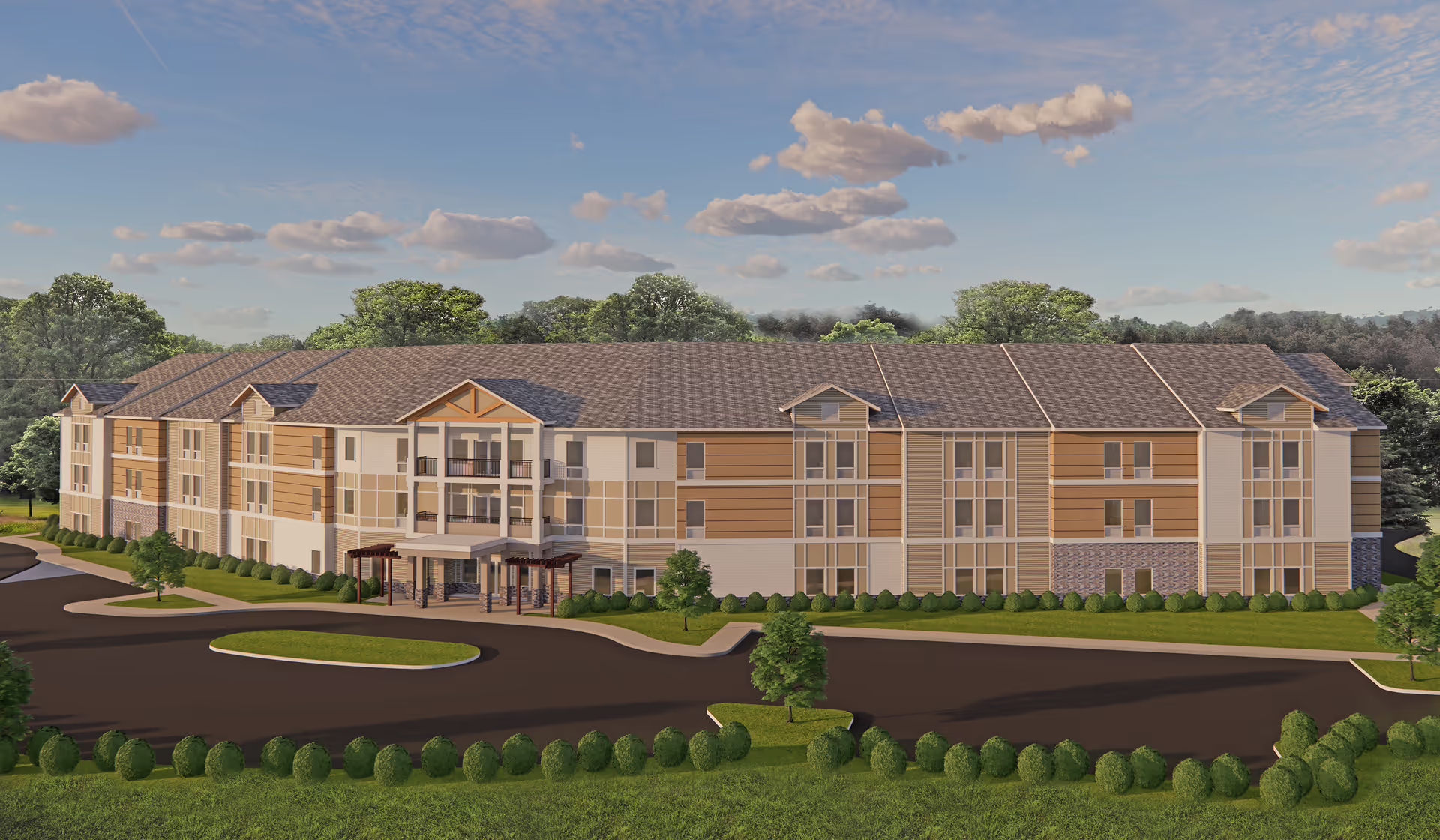
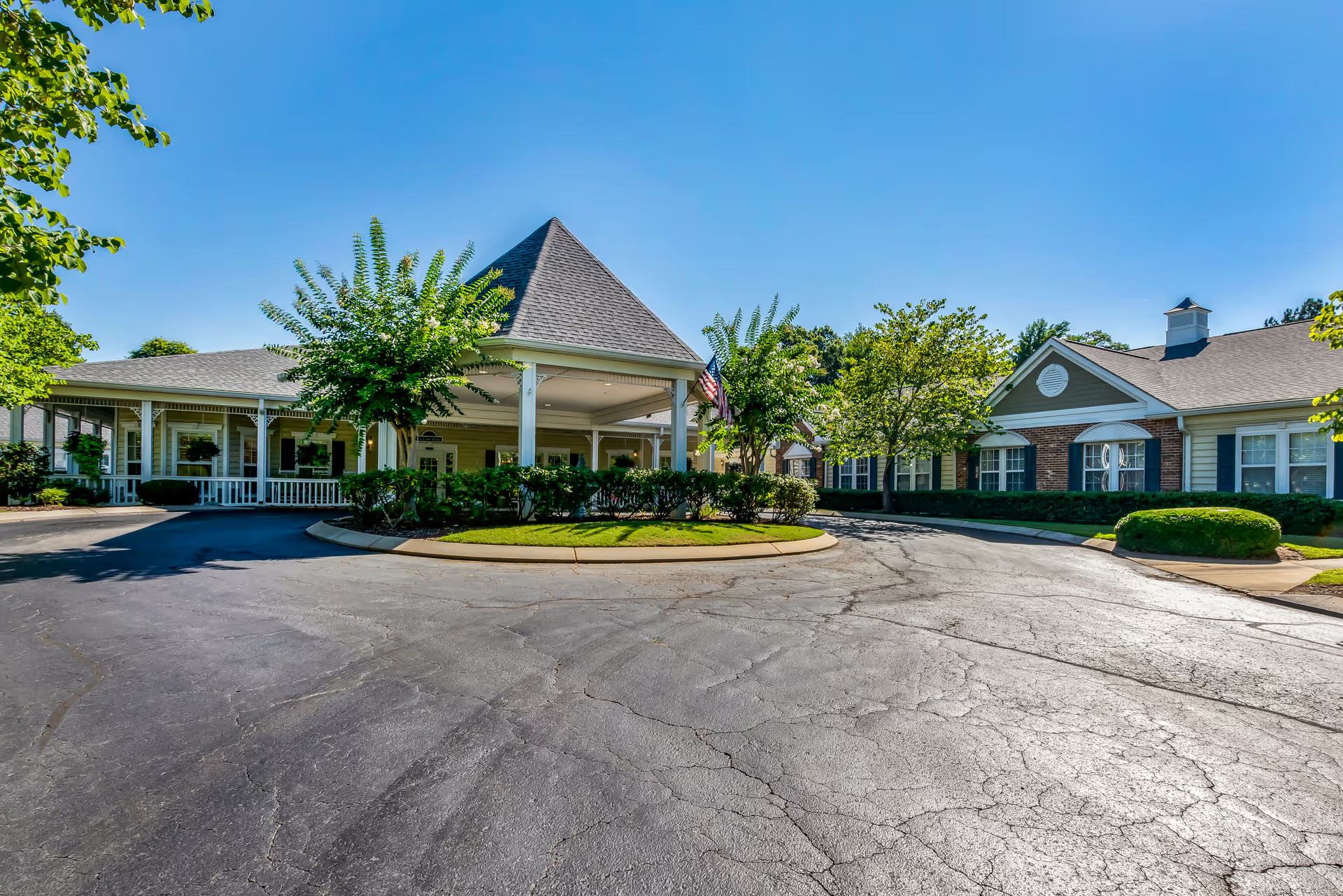
Wellmore of Tega Cay elicits strongly mixed impressions. Many families and residents describe an attractive, resort-like campus with upscale finishes, robust amenities (pool, salon, fitness areas) and restaurant-style dining. The community is repeatedly praised for its engaging activities program, varied exercise classes and frequent social events; activity staff are frequently noted as proactive and inclusive. Admissions liaisons and several frontline staff earn consistent positive mentions for helping with transitions and coordinating services.
Clinical and day-to-day care experiences are inconsistent. Numerous accounts highlight excellent rehab outcomes and attentive CNAs and therapists who facilitate meaningful recovery. At the same time, reviewers describe variability in nursing oversight, medication handling, and wound/skin care; these items point to gaps in clinical monitoring and medication-administration controls on some shifts. Staffing levels and turnover are recurring operational themes that appear to drive much of the variability: when staffing is adequate reviewers report responsive, compassionate care, but when staffing is thin families describe delayed assistance, slow call-button responses, and missed or late medications.
Housekeeping and dining show a similar split. The facility’s dining concept and some menus receive praise for variety and restaurant-like presentation; a bistro option and on-site dining are considered strengths. Other comments indicate inconsistent food quality, rigid meal schedules, limited snack or fresh-fruit availability, and occasional meal-service interruptions. Cleanliness is often described positively in public areas and many rooms, yet there are also sanitation concerns and uneven housekeeping attention reported in some units — another area showing day-to-day variability.
Activities, therapy, and ancillary services are clear strengths. Families consistently note strong PT/OT/ST programs, rapid maintenance responses, helpful transport coordination, and a full calendar of classes and special events that support social engagement and functional gains. Memory-care programming and dementia-focused activities are available and cited as meaningful for many residents, though the memory unit’s physical capacity is described as limited relative to demand.
Management, policies, and communication present mixed signals. Several reviewers commend admissions staff, social workers, and particular leaders for responsiveness and individualized support. Conversely, other families report problems with care-plan communication, inconsistent documentation between shifts, delays in transfer paperwork, and billing or refund disputes. A few reviews raise security and policy concerns — for example, medication-storage practices and personal-property handling — which prospective families should query directly.
Taken together, the pattern suggests Wellmore of Tega Cay can offer a high-quality, amenity-rich experience, especially for short-term rehabilitation and assisted-living residents when staffing and clinical oversight are functioning well. However, the community appears susceptible to operational variability: staffing shortages, uneven housekeeping, occasional medication- and documentation-related issues, and management inconsistency can produce markedly different experiences depending on timing and unit. Prospective residents and families should plan targeted questions and observation during tours: ask about current staffing ratios, on-shift clinical oversight, medication-storage and security protocols, housekeeping schedules, incident-communication procedures, and memory-care capacity. Arranging multiple visits and speaking directly with therapy staff, CNAs, and current residents can help assess how consistently the facility delivers on its strong programmatic and amenity offerings.