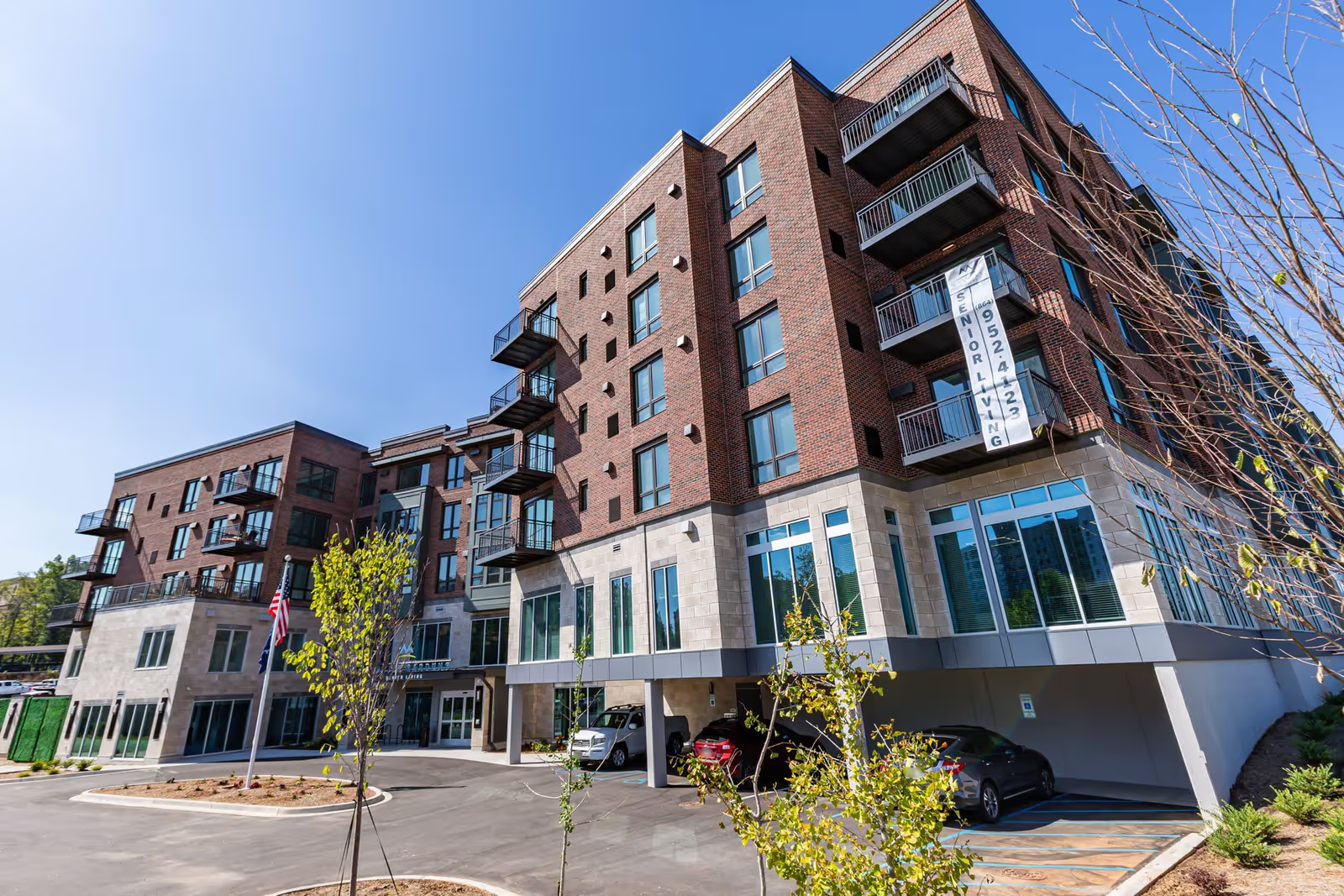
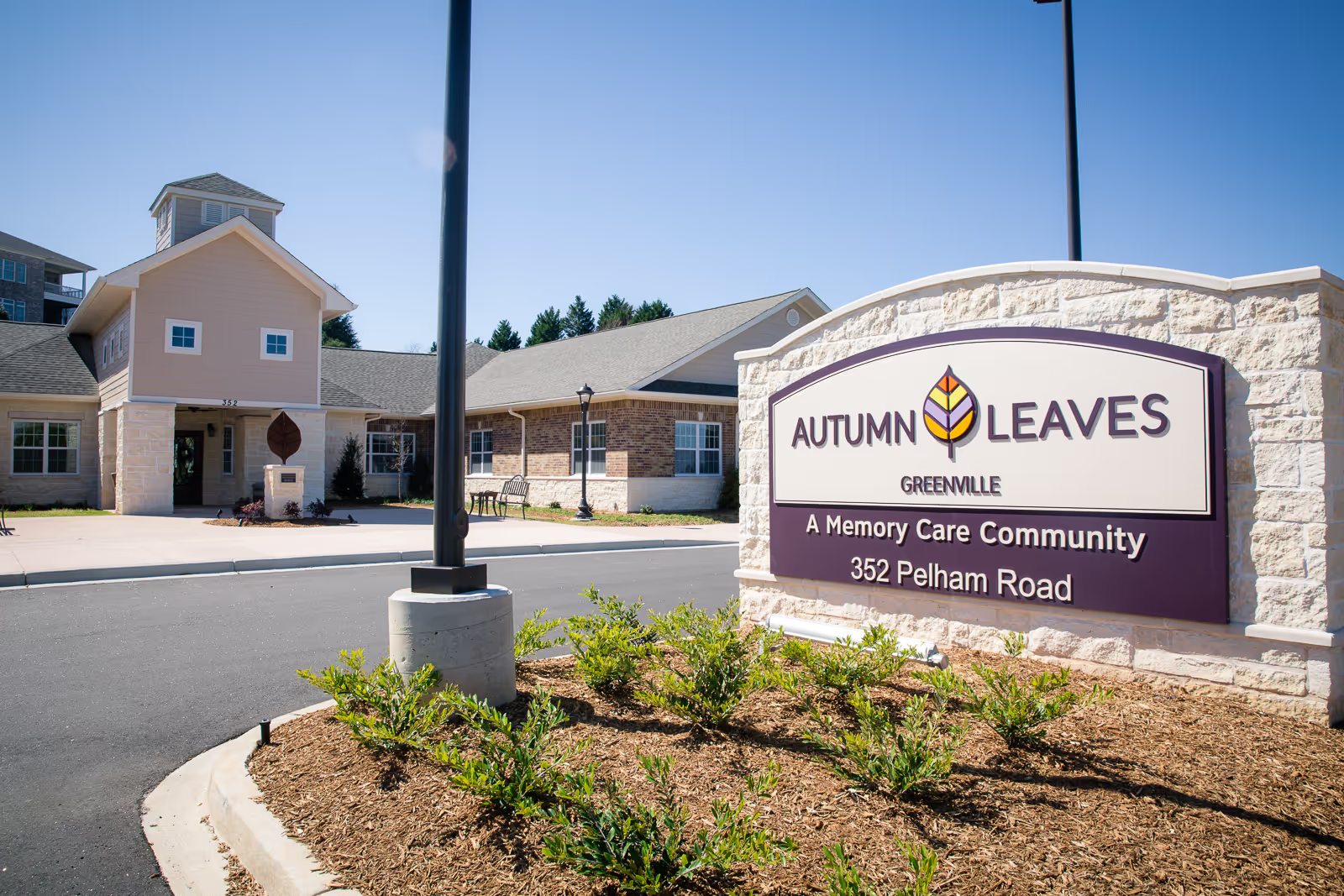
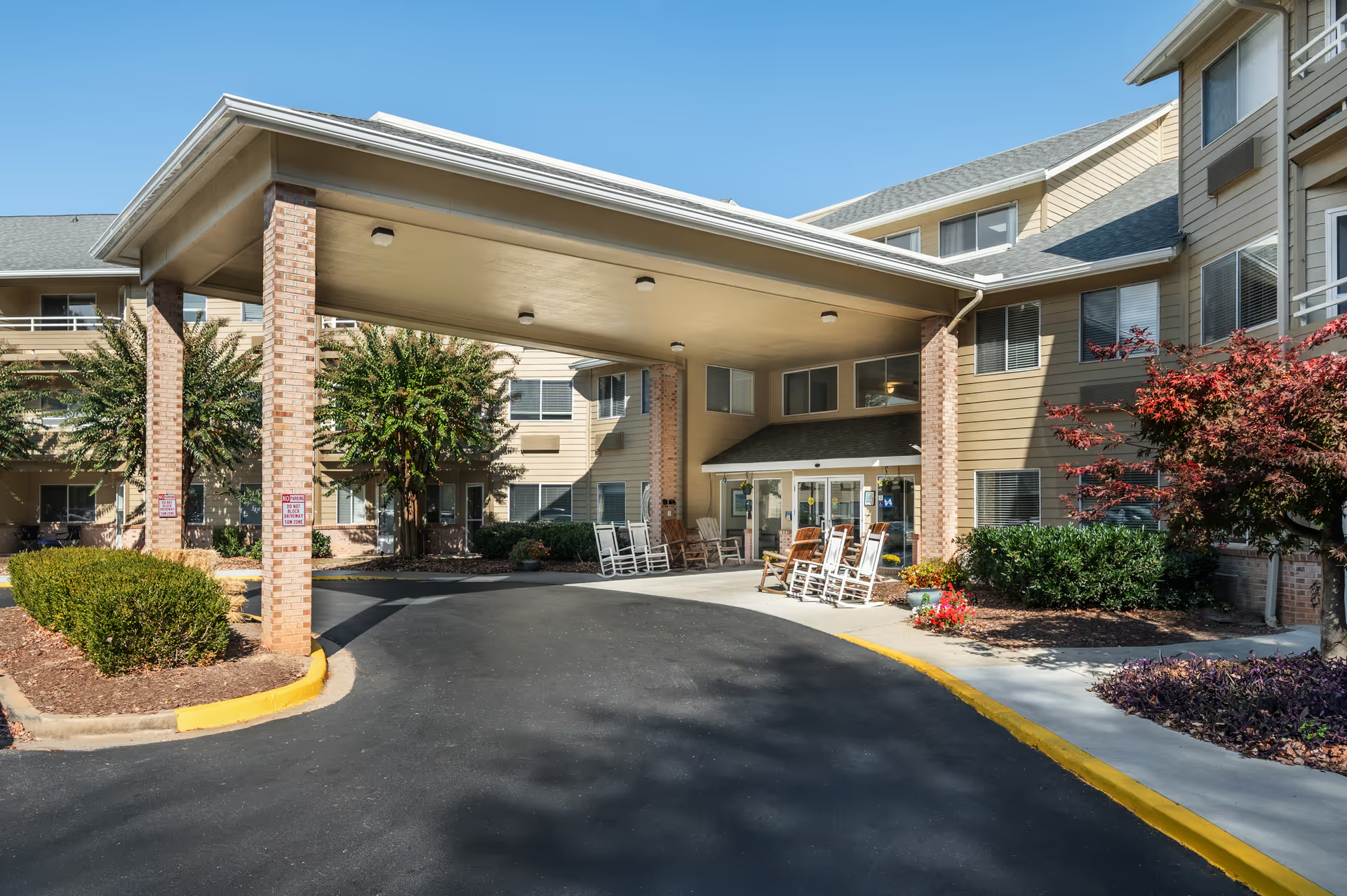
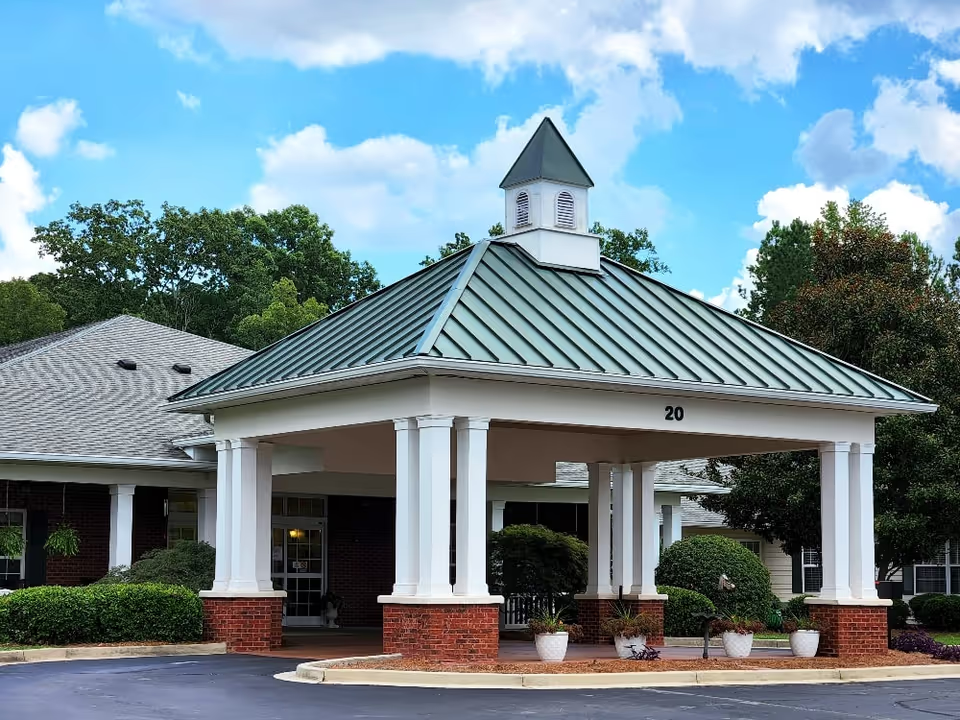
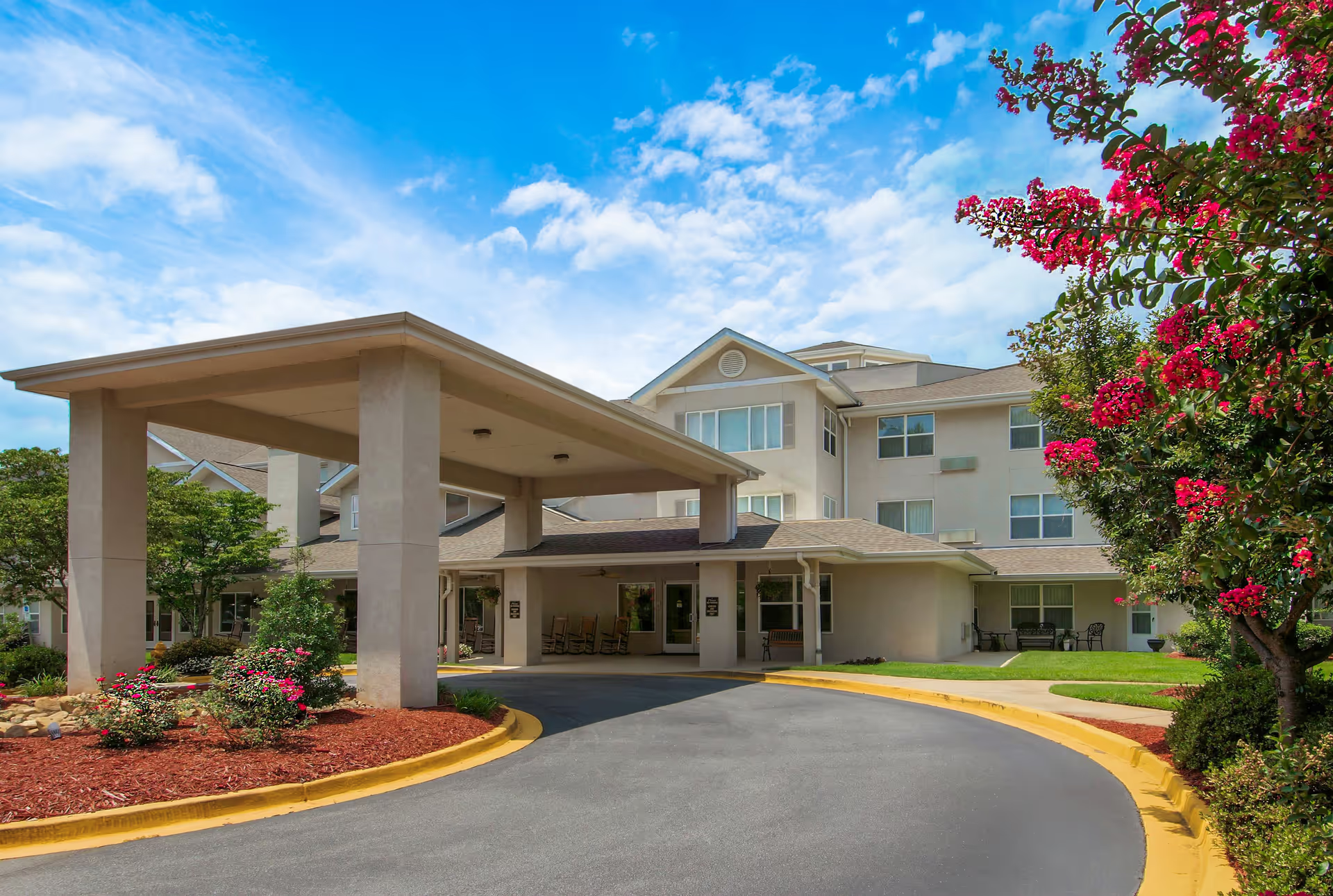
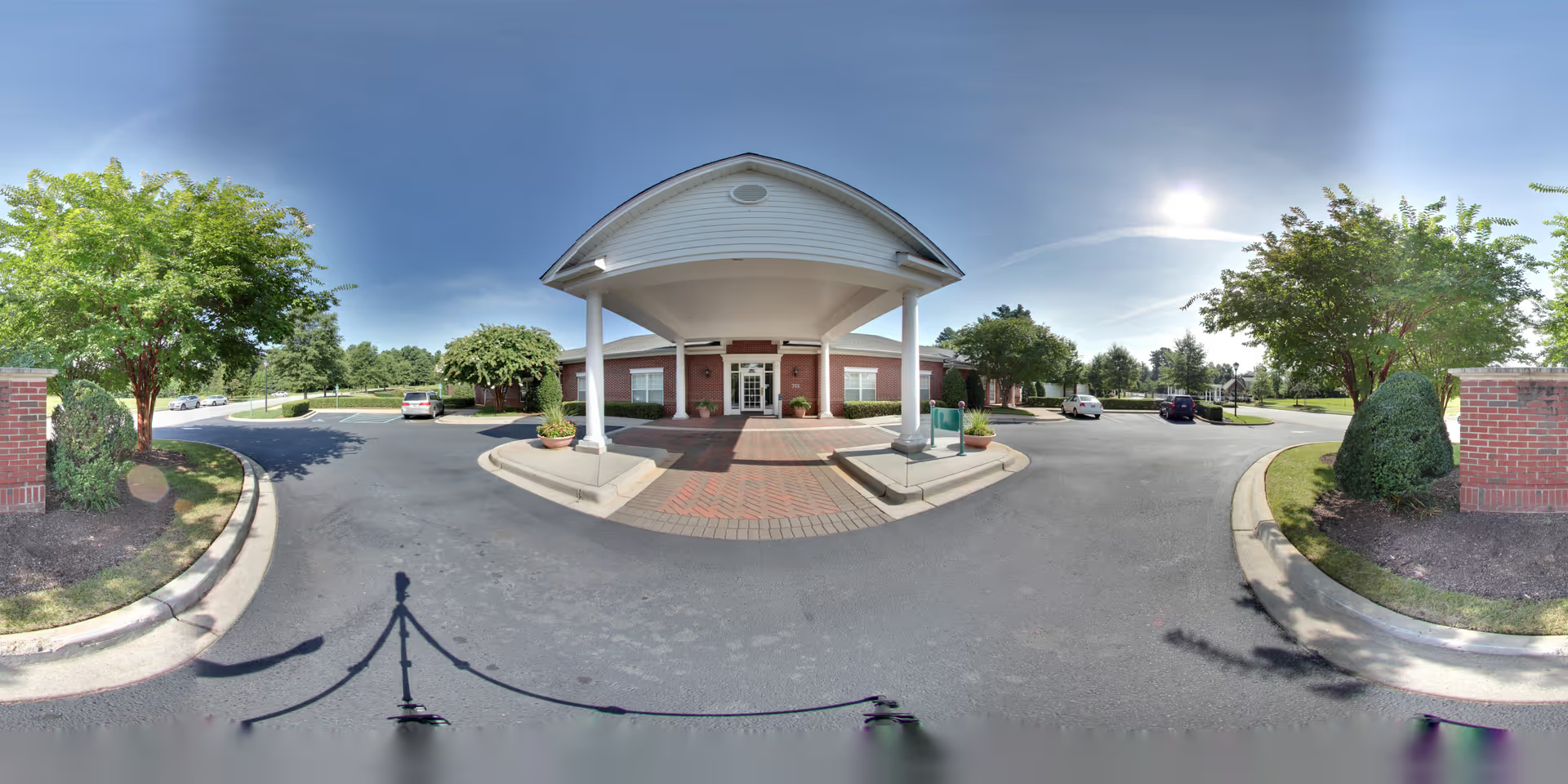
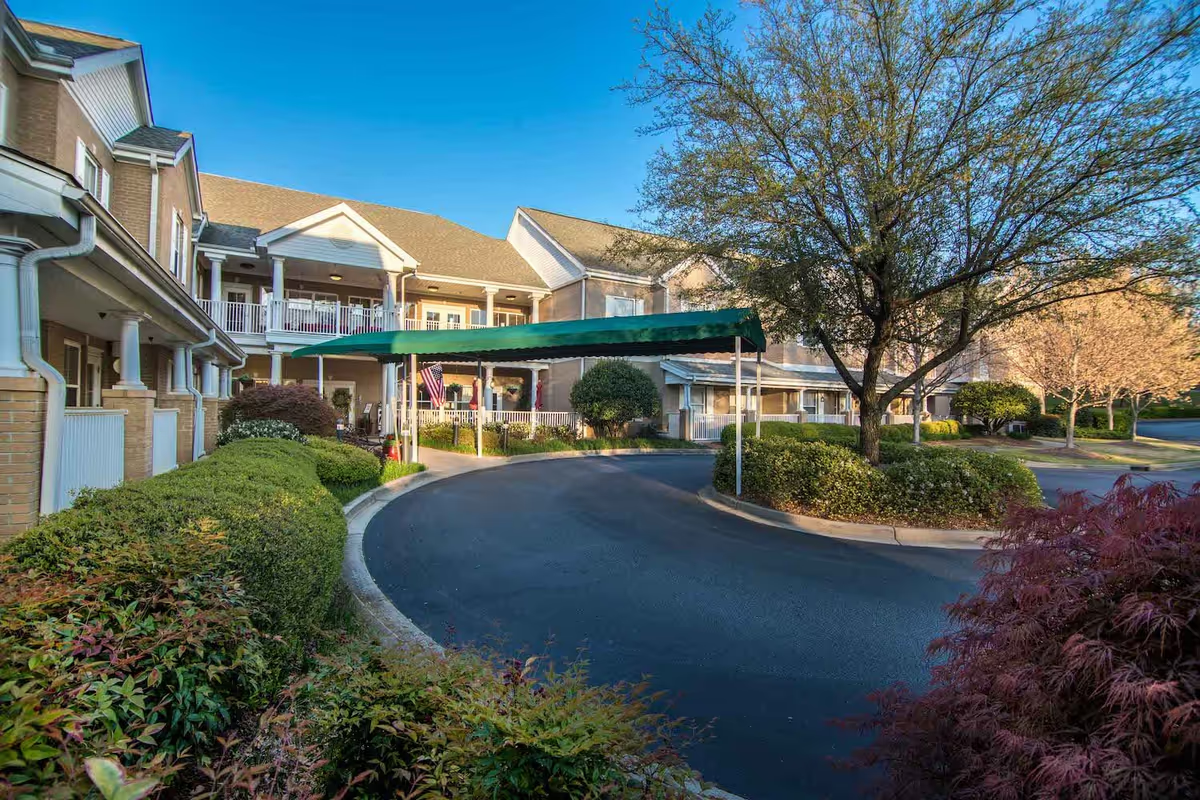
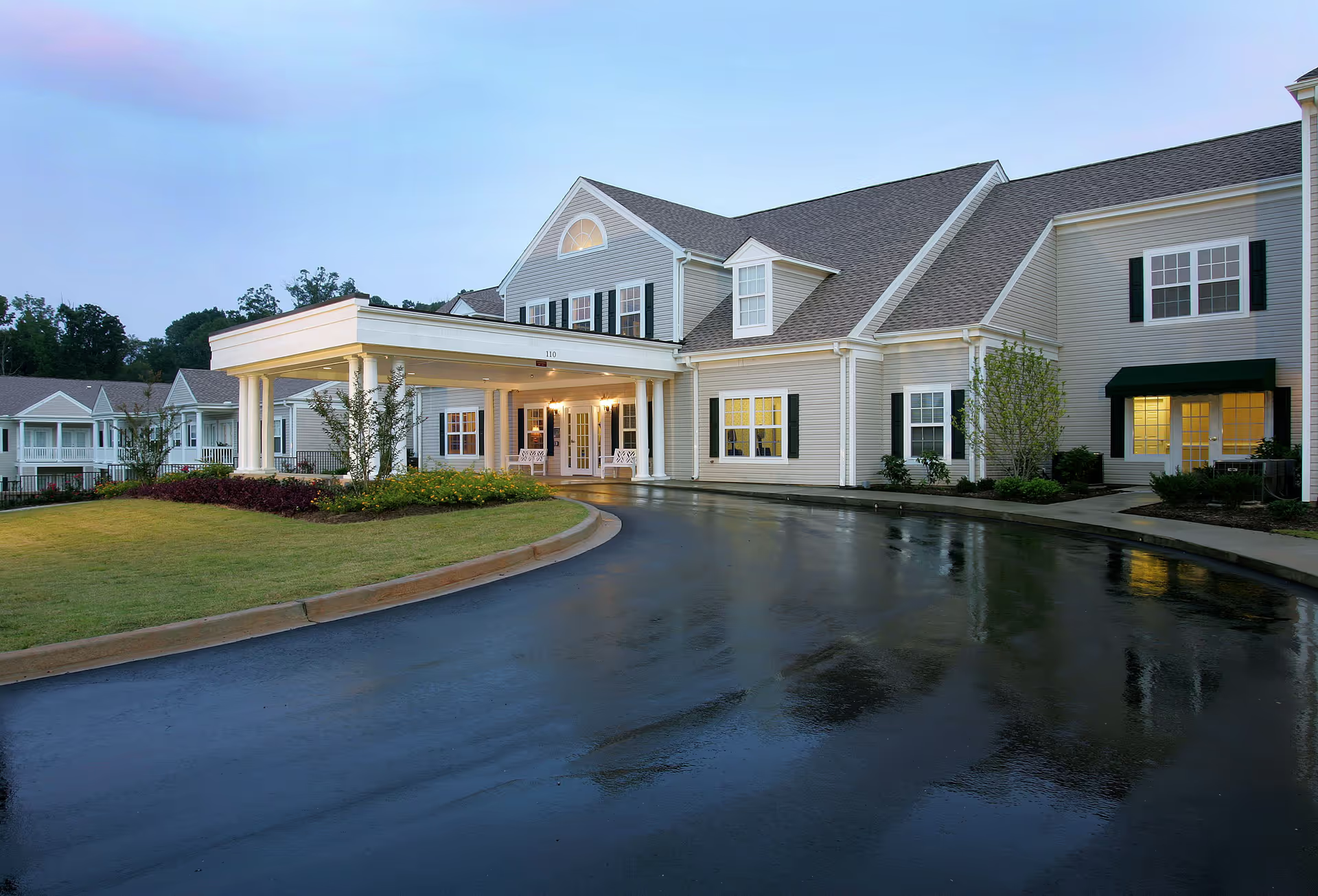
Overall impression: Reviews present a broadly positive view of the environment and programming at Spring Park alongside recurring operational concerns. Many families and visitors highlight the facility’s attractive grounds, well-kept public areas, and spacious resident rooms. Housekeeping and laundry services are frequently praised, and the facility’s small-community feel and social atmosphere are cited as strengths by numerous reviewers. Tour staff and admissions personnel are described as informative and helpful, which supports move-in and onboarding experiences.
Care and staff: The facility receives consistent praise for compassionate, personable caregivers and nursing staff who are attentive and build relationships with residents. Long-tenured staff and examples of responsive follow-up and rapid problem resolution are noted. At the same time, reviewers describe variability in staffing levels and turnover, which appears to affect continuity of care. Several reviews raise concerns about inconsistent training and supervision among clinical staff, and a pattern of medication-management lapses (missed medications, incorrect administration practices, and inconsistent documentation) is described often enough to be a notable operational issue. A subset of reviews referenced hospice involvement and other serious end-of-life situations; these contributed to family concerns about coordination and communication after a resident’s decline.
Dining and mealtimes: Dining quality is a clear strength for many residents — reviewers commonly describe chef-driven, restaurant-quality meals and an active process for menu feedback and dietary accommodations. Meals are generally described as tasty and well prepared. However, there are recurrent concerns about mealtime support for residents who require assistance. Comments include inconsistent monitoring during meals and insufficient staff attention to eating assistance, which can affect residents with higher needs. A few operational complaints also referenced food portioning or presentation variability.
Activities and engagement: Spring Park offers a broad schedule of activities — bingo, live music, crafts, outings, religious services, and other social programs — and many reviewers report an engaged, active community with good participation. That said, some reviews note uneven implementation: activities are sometimes posted but not delivered, participation can be low on occasion, and activity staffing can be pulled to other units, reducing program continuity. For residents with dementia or higher-care needs, engagement in group programming can be limited despite the available schedule.
Facilities and cleanliness: The facility’s physical plant, grounds, courtyards, and shared dining and gathering spaces are consistently described as attractive and well maintained. Housekeeping and laundry services receive positive mentions for responsiveness and thoroughness. Conversely, a minority of reviews cite sanitation concerns in specific instances or units and mention maintenance issues (for example, mold in an ice machine, dated rooms in some areas). These comments point to variability in environmental controls and routine maintenance across the property rather than a uniformly poor condition.
Management, billing, and communication: Management is frequently credited with being responsive when contacted and effective at resolving paperwork or move-in issues. Admissions and tour staff are often described as informative. Nonetheless, several reviewers reported billing problems, delayed refunds, double charges, and confusion over pricing or extra fees; combined with reports of perceived upsell pressure, these issues indicate weaknesses in financial transparency and administrative processes. Communication and care coordination between clinical teams and families are generally good in many cases but uneven in others — gaps in sharing care instructions and inconsistent follow-through are recurring themes.
Notable patterns and guidance for prospective families: Spring Park has clear strengths in atmosphere, dining, housekeeping, and a friendly caregiving culture, making it appealing for families seeking a well-appointed, socially active community. At the same time, patterns of inconsistent staffing, variable clinical supervision, isolated sanitation and medication-management concerns, and administrative/billing problems mean prospective residents — particularly those with higher clinical needs — should perform targeted due diligence. Recommended pre-move checks include asking about current staffing ratios and turnover, medication-administration protocols, on-site clinical coverage, mealtime assistance procedures, recent sanitation/maintenance logs, and full clarification of contract terms and extra fees. For families of residents with higher-care needs or cognitive impairment, verify how activity participation is supported and how care coordination with hospice or outside clinicians is handled.