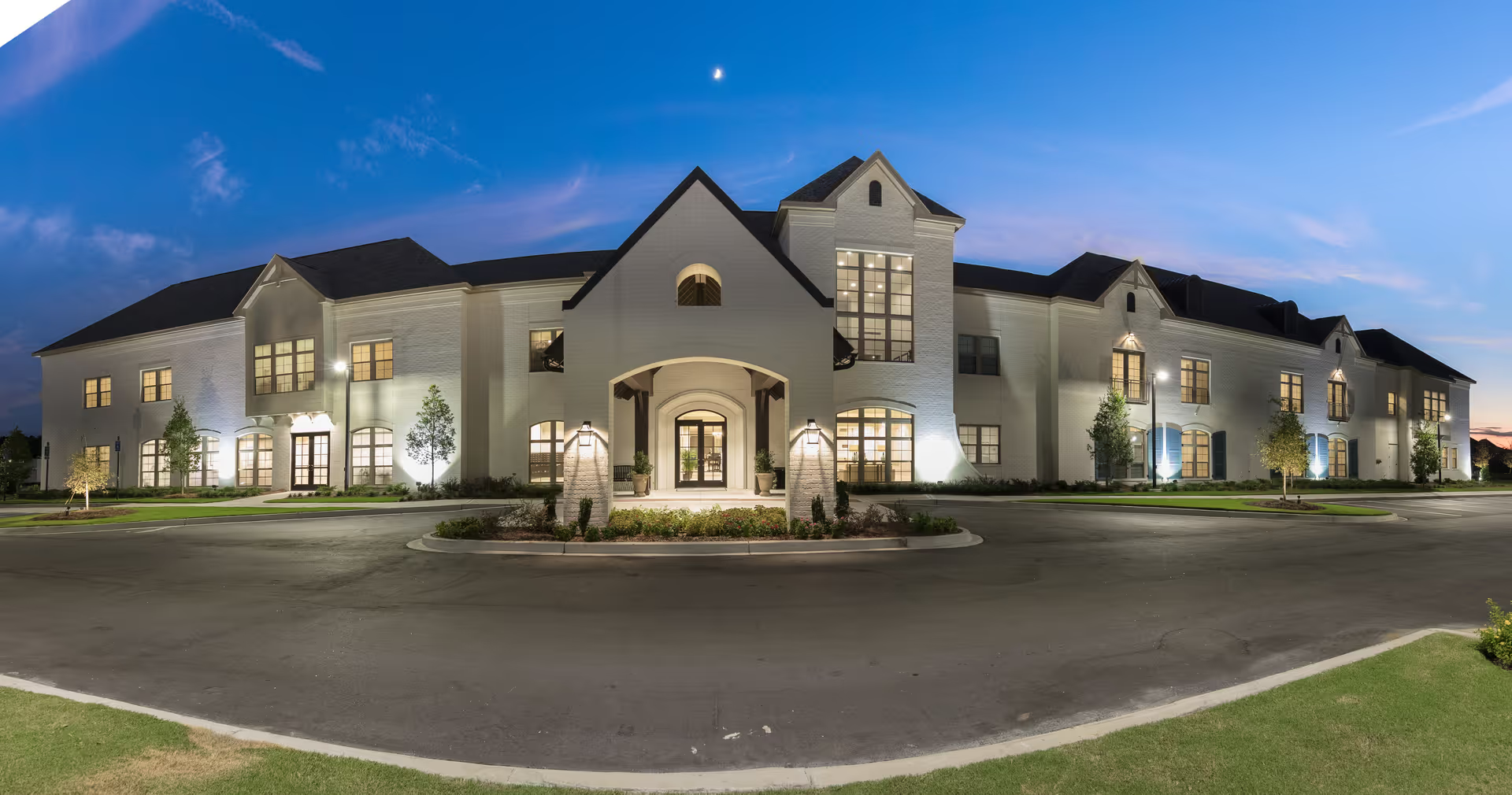
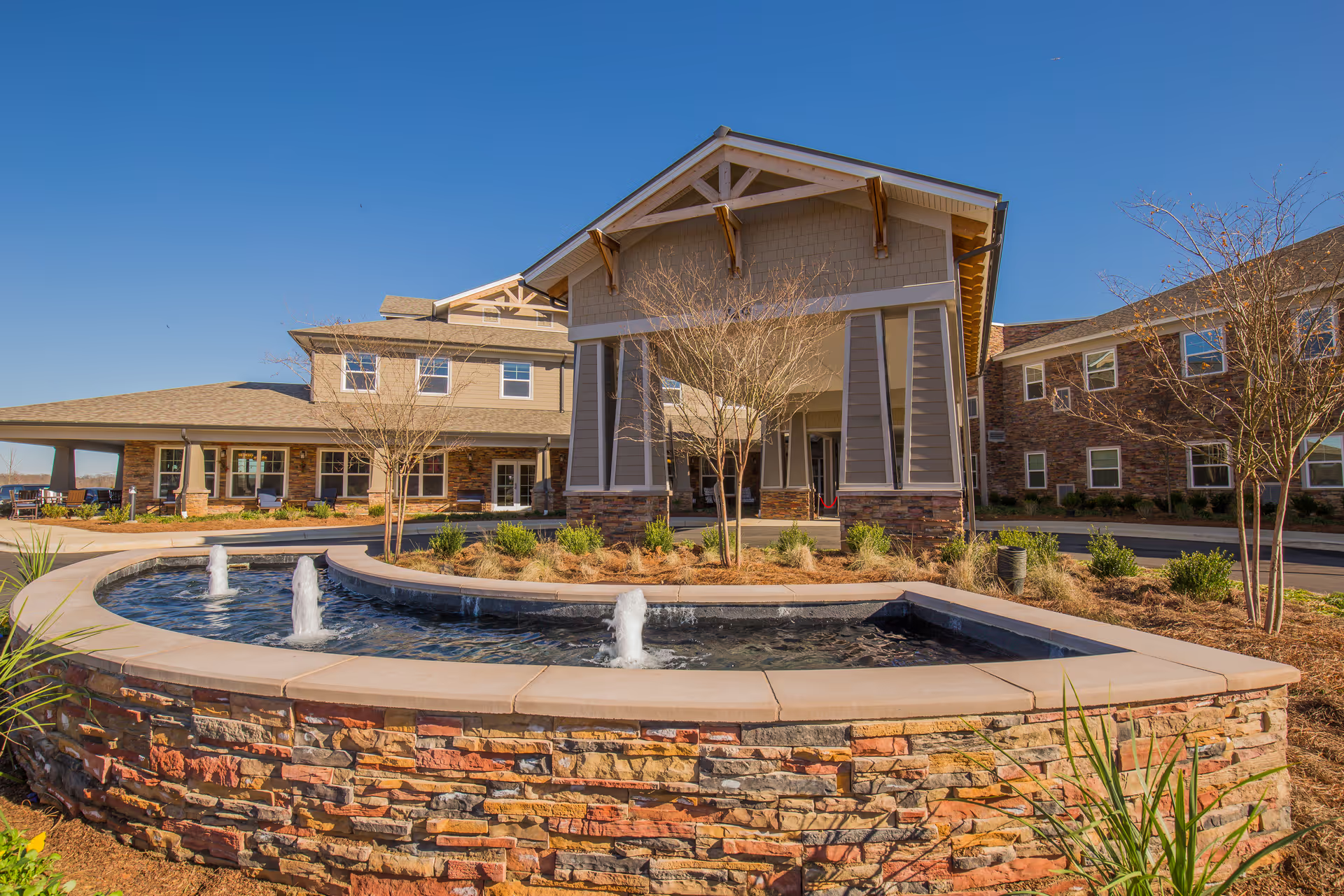
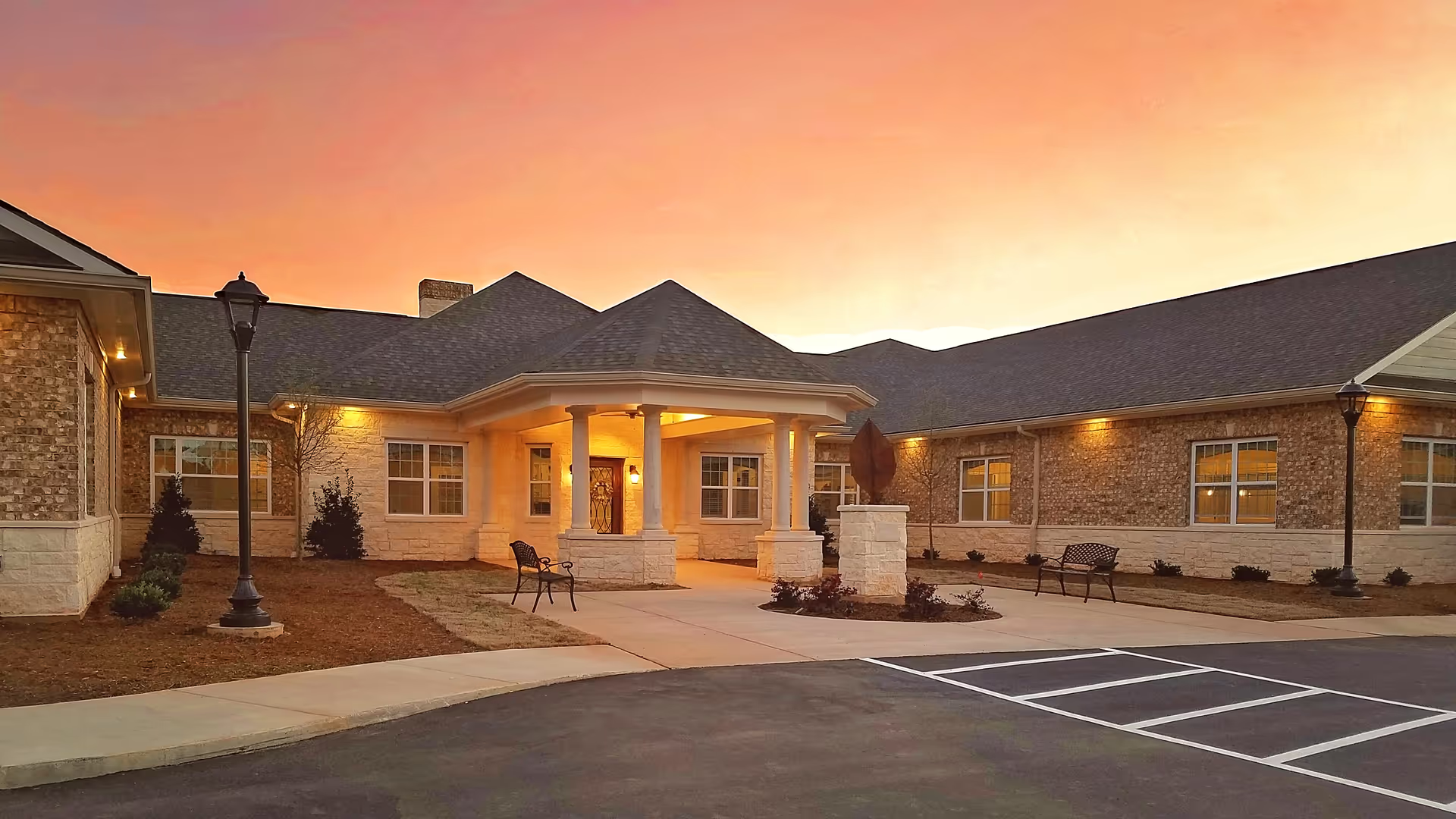
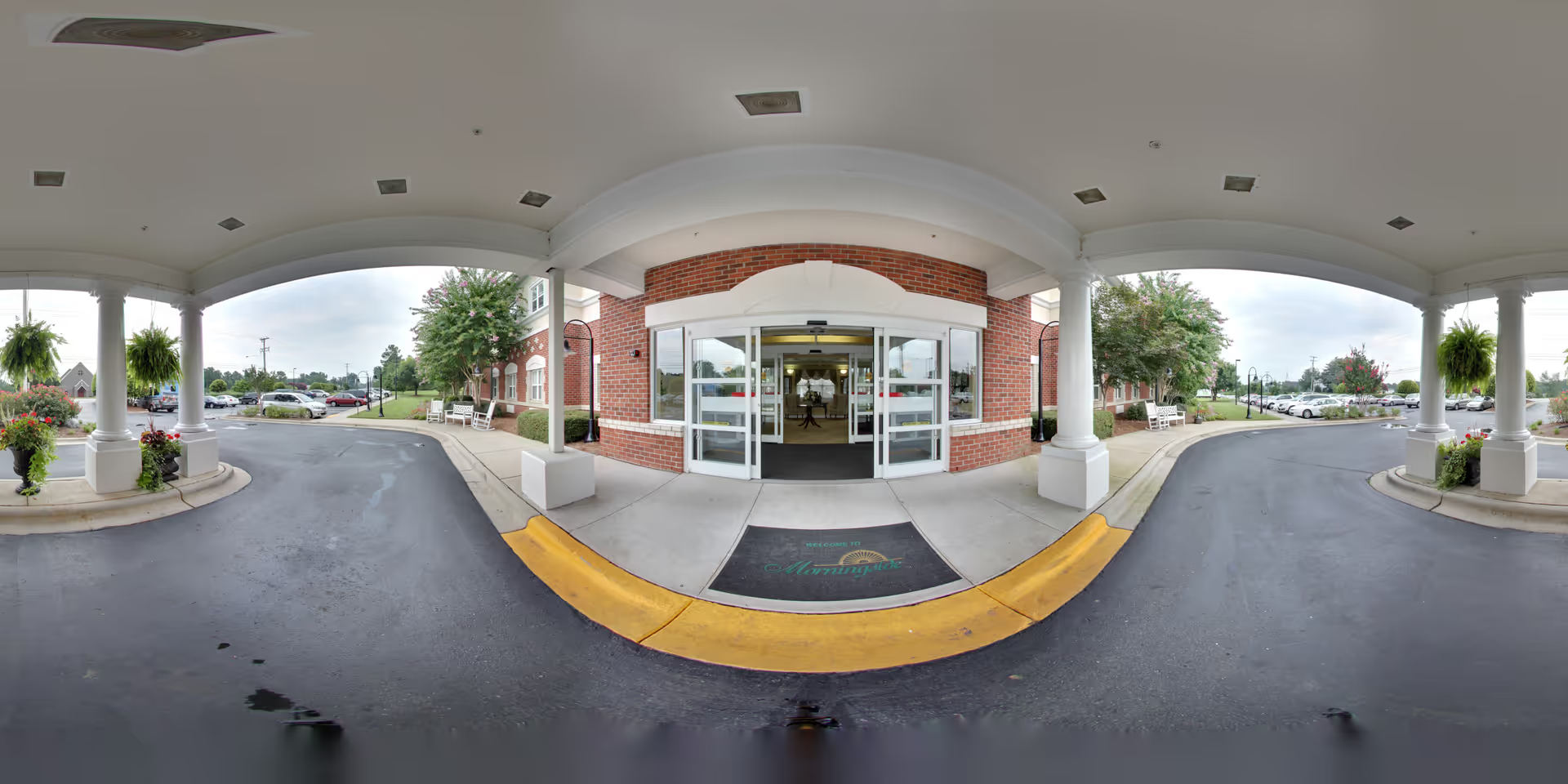
White Oak Manor York elicits a mixed but distinct set of impressions. Many families and residents praise the interpersonal aspects of care: staff are frequently described as compassionate, attentive, and family-oriented. Therapy services (physical, occupational, and speech) receive consistent positive mention, and dementia-specific accommodations, diet modifications for swallowing, and regular physician visits are described as strengths. Several accounts highlight clean, well-kept rooms and hallways, timely laundry, and an engaging activities program that residents find inclusive and comforting.
Clinical care is described as capable in many cases, particularly around therapy and end-of-life support, but there are also concerning patterns related to clinical oversight. Some reviewers reported issues with equipment checks, oxygen management, and post-acute complications that led to rehospitalization. These accounts suggest inconsistency in monitoring and in follow-through when care needs change. Rehabilitation services are praised for quality, yet families also described variability in how quickly therapy was resumed or advanced after a setback.
Staffing and management present a mixed picture. Numerous reviews emphasize individual caregivers and nurses who go beyond routine duties and provide emotional support; these relationships are a clear institutional strength. At the same time, reviewers describe lapses in responsiveness for basic personal care (for example, bathing assistance), occasional unprofessional conduct, and at least one allegation of threatening behavior that required external intervention. Communication practices vary: some families receive regular, helpful updates, while others experienced limited contact, restricted visitation, or unclear explanations of care plans.
Dining and activities are generally seen positively: meals are described as appealing with dietitian oversight and accommodated preferences, and activities are plentiful and well attended. However, intermittent problems with meal delivery accuracy and timing were also noted, indicating operational inconsistencies in the kitchen or food-service routines.
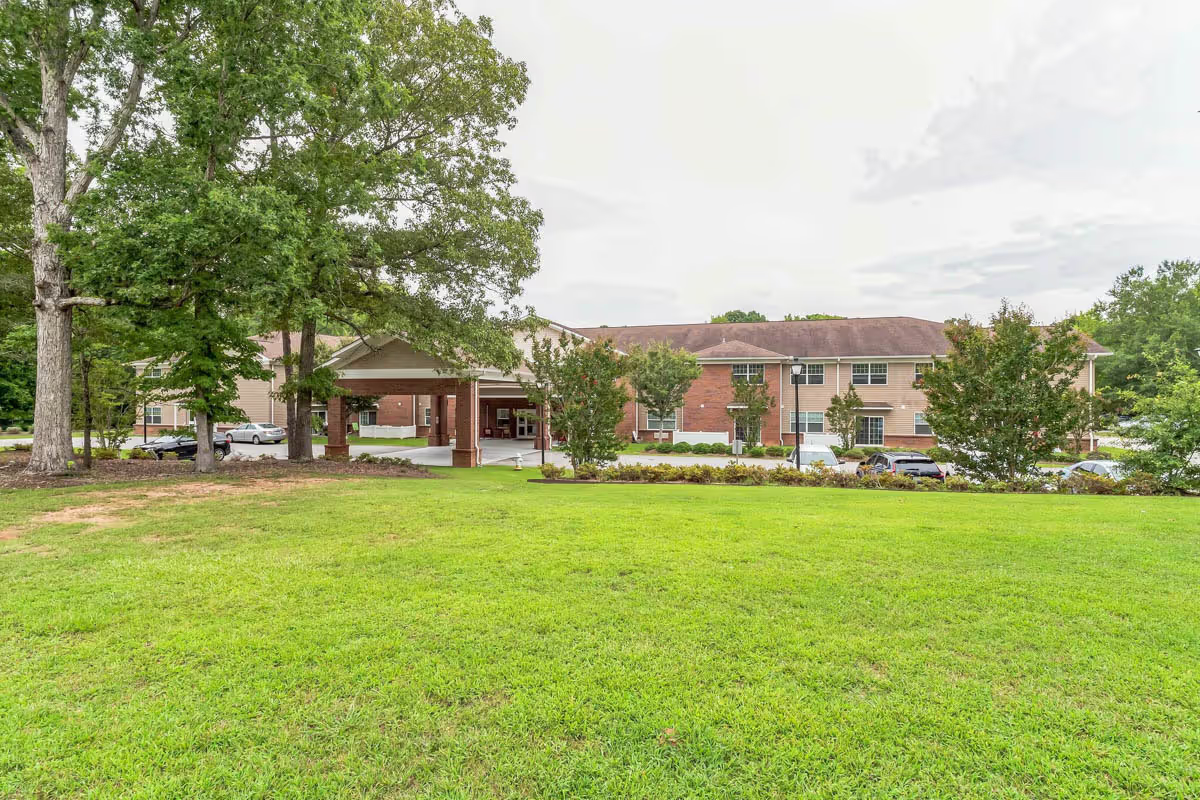
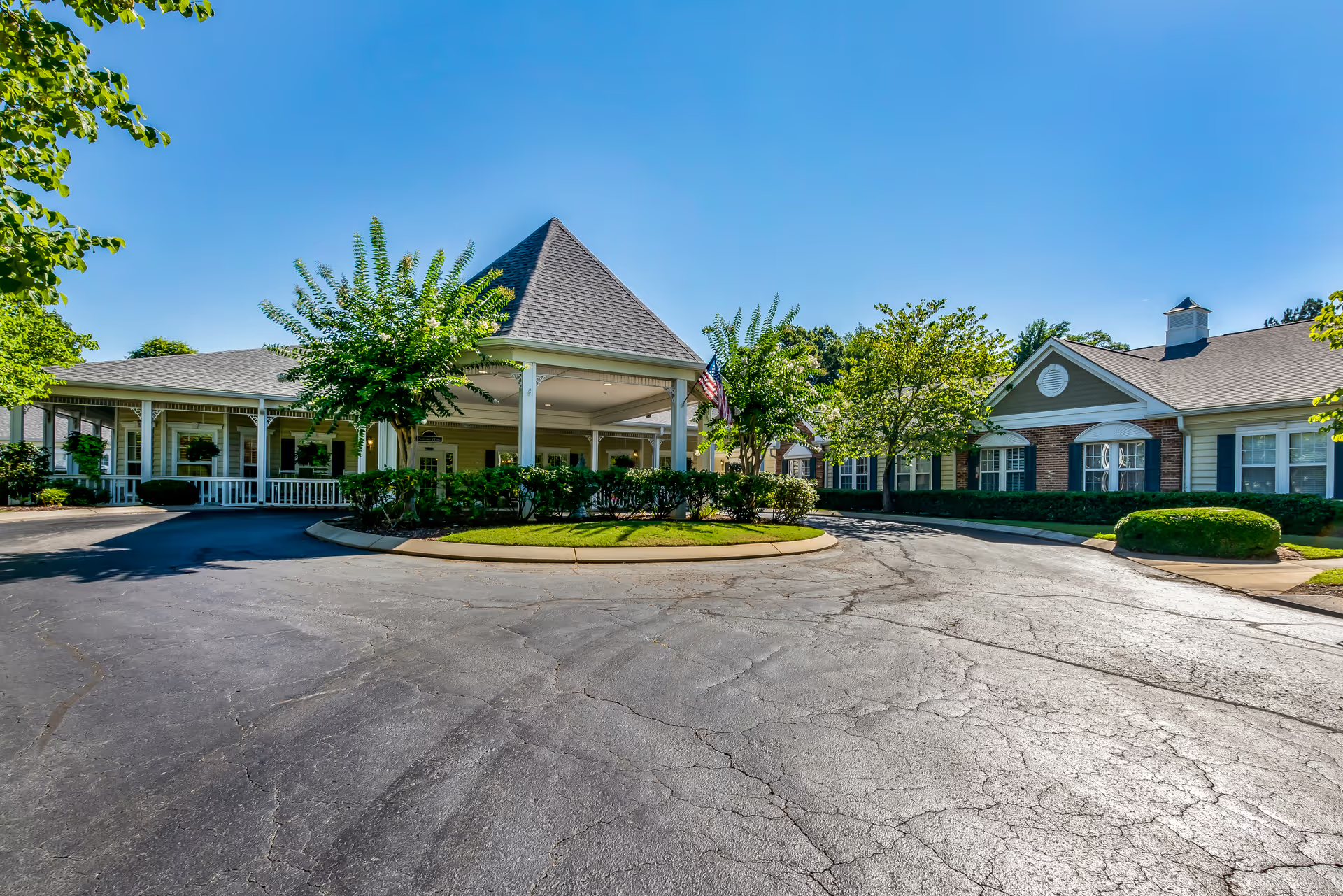
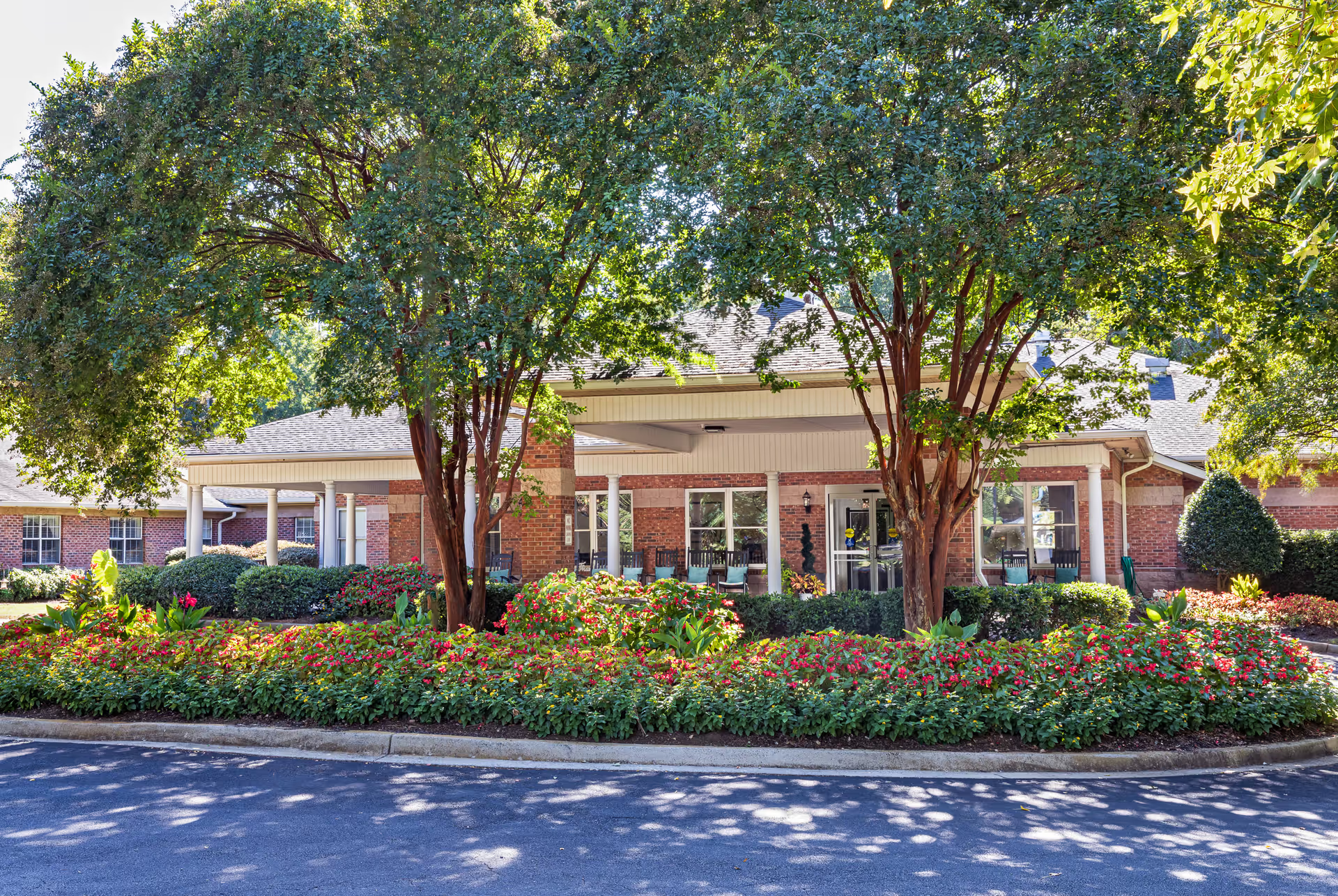
Facility condition feedback is similarly mixed. Multiple reviewers appreciate clean rooms and a pleasant interior environment, but the building is repeatedly characterized as older and in need of capital updates. A subset of reviews described sanitation or plumbing-related incidents and maintenance delays; these accounts point to uneven facility upkeep rather than a universal condition.
For prospective residents and families, the salient pattern is variability: strong relational care, good therapy offerings, and meaningful activities coexist with operational weaknesses in staffing consistency, clinical monitoring, communication, and facility maintenance. Recommended due diligence includes an in-person visit to observe staffing levels and mealtime, direct questions about equipment-check procedures and discharge planning, review of therapy schedules and supervision, and discussion of sanitation/maintenance protocols and recent corrective actions.