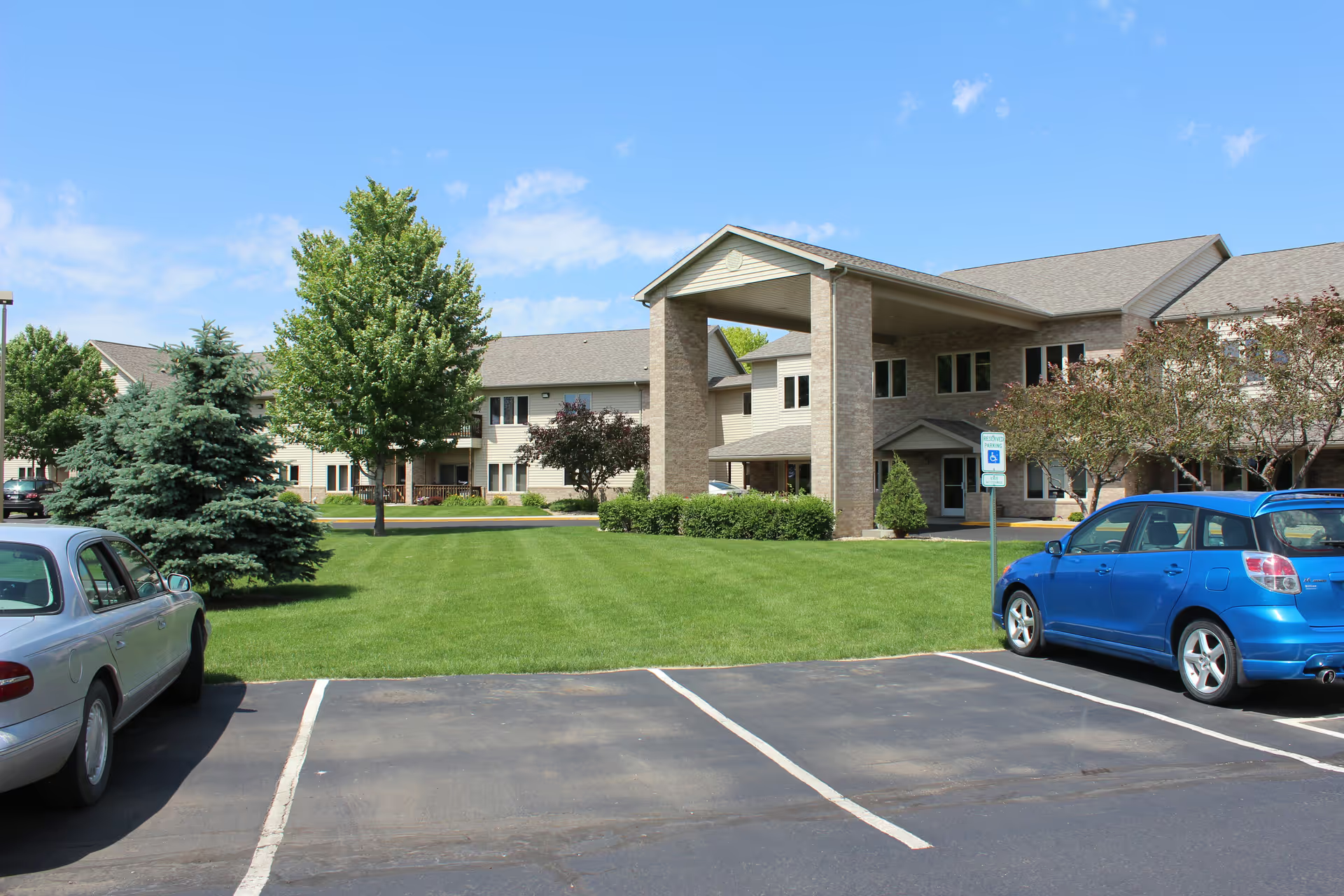
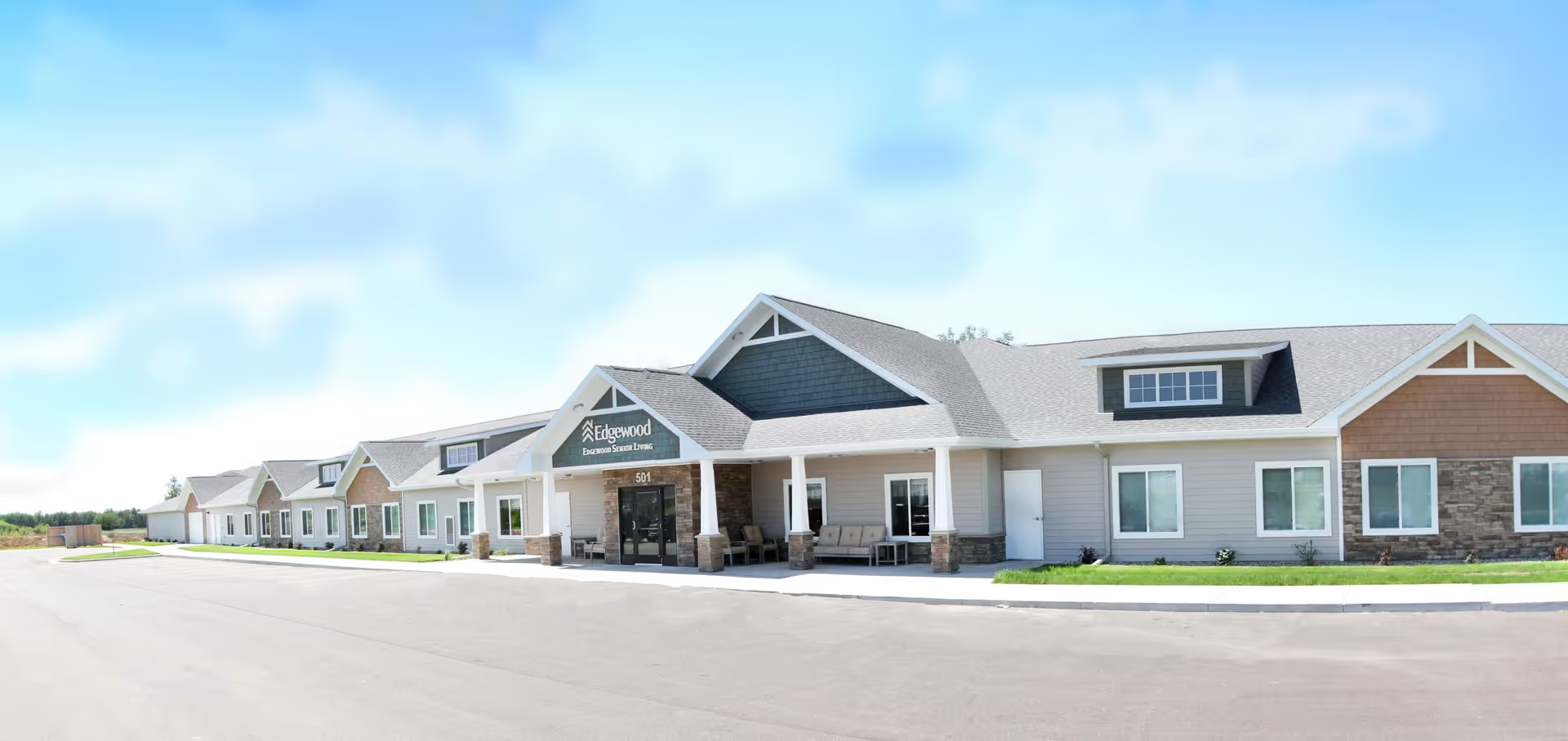
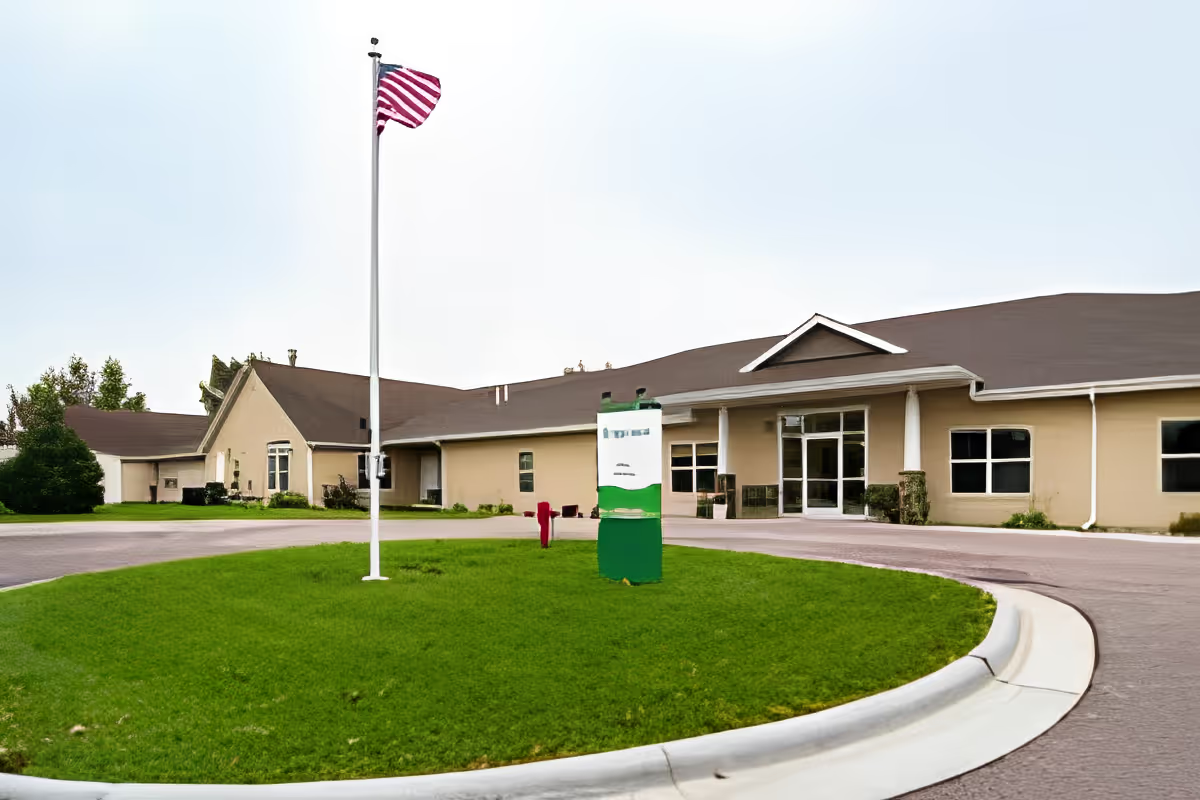
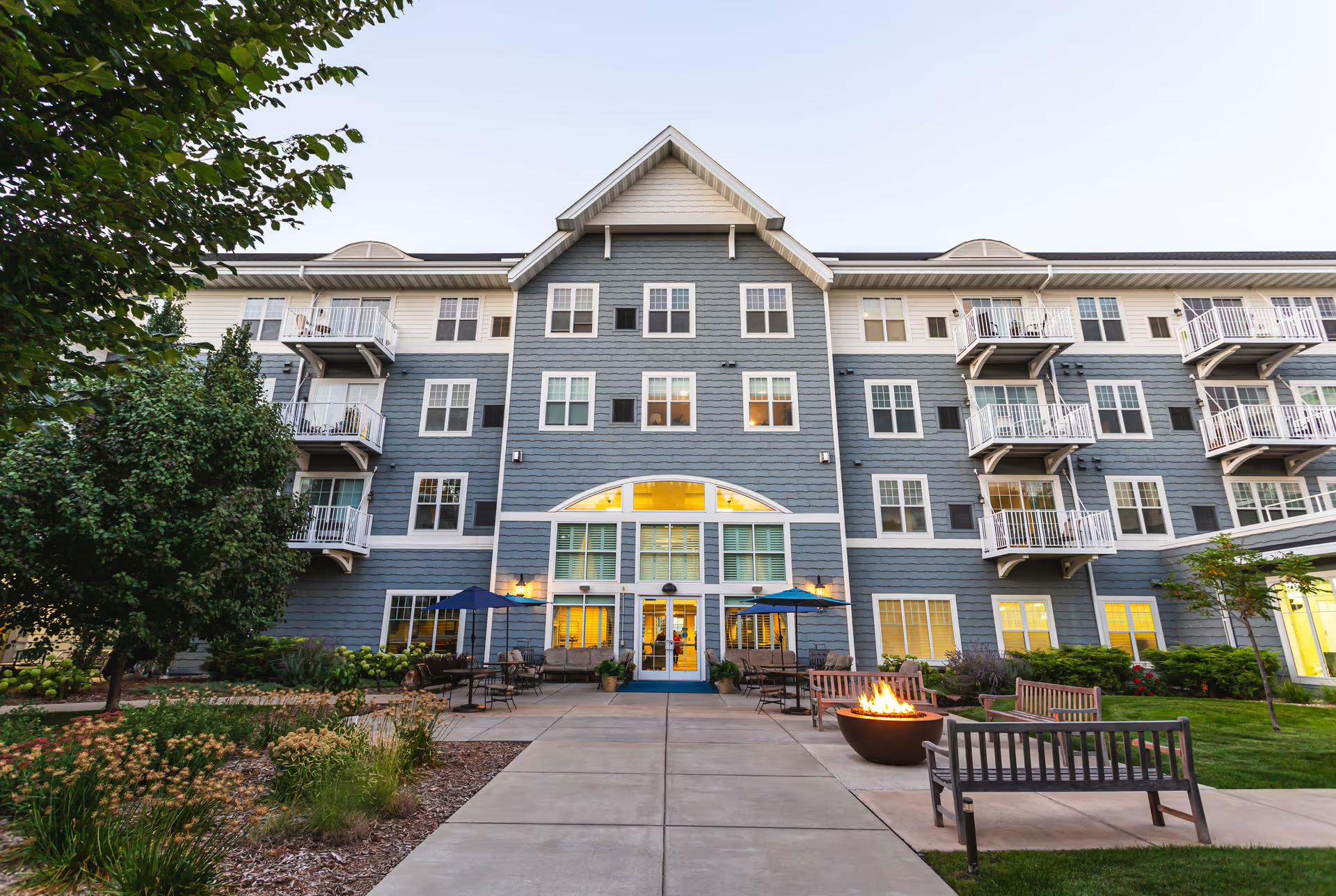
Edgewood Mitchell Memory Care receives consistently positive comments about daily life and the environment: reviewers describe a small, single-level building with well-kept interiors, private single-occupancy rooms with bathrooms and bay windows, and an attractive outdoor garden. Many families and residents found the atmosphere home-like and peaceful, and several noted the facility’s convenient, accessible location.
Activity programming is a clear strength. The facility is described as having an active, engaged activity director who organizes diverse offerings—morning exercise, devotional sessions, weekly pastoral visits, seasonal/holiday events, music and singing, baking, gardening, crafts, and group social sessions. Reviewers repeatedly highlight individualized attention from the activities team and steady opportunities for social engagement that support quality of life for residents with memory needs.
Caregiving staff earn generally favorable comments for compassion and hands-on assistance. Positive CNA–resident interactions, attentive personal-care assistance (bathing, hair, laundry), and an overall perception of caring, professional staff appear regularly in accounts. Dining is portrayed positively as well; several residents and families commented that the food is satisfactory and without complaint.
At the same time, there are recurring operational concerns that prospective families should evaluate. Management instability and leadership turnover are noted, and several accounts describe inconsistent administrative responsiveness—delays in returned calls, postponed care conferences, and difficulty obtaining timely updates. These communication and administrative gaps are tied to reported problems with care-plan documentation and updating, which can affect continuity of care.
Staffing stability is another area to watch. Reviewers describe caregiver turnover and variability in staff attentiveness or conduct across shifts. A few families raised serious clinical concerns—including hospitalizations and declines in condition—that they linked to gaps in monitoring or delayed intervention. Those accounts suggest potential weaknesses in clinical oversight and escalation processes rather than uniform practice across the facility.
In summary, Edgewood Mitchell appears to offer a strong activities program, compassionate direct-care staff, a comfortable physical environment, and generally satisfactory dining. However, patterns of management turnover, inconsistent administrative communication, gaps in care-plan maintenance, and staffing instability have emerged as operational weaknesses. Prospective residents and families should visit in person, ask for recent care-plan examples and staffing-stability metrics, request direct contact procedures for urgent concerns, and clarify how the facility documents and updates clinical needs to assess fit and mitigate the operational risks identified in reviews.