The reviews for Firesteel Healthcare present a polarized picture: many families and residents describe attentive, compassionate staff and strong short-term rehabilitation services, while others raise serious concerns about timeliness, safety practices, and management responsiveness. Prospective residents should weigh the facility’s evident strengths in therapy, social programming, and certain staff relationships against recurring operational weaknesses that appear to affect day-to-day care reliability.
Care quality appears inconsistent. Positive accounts emphasize personalized care plans, attentive pain management at times, frequent engagement by staff, and successful rehabilitative outcomes. Conversely, multiple accounts cite delayed responses to calls for assistance, long waits for bathroom help, and variability in medication timing. These patterns suggest that while clinical capability exists, reliability of basic care tasks and timeliness may fluctuate depending on staffing and shift coverage.
Staffing and staff conduct are central themes. Many reviewers praise caring, friendly, and familiar staff who know residents’ preferences and provide emotional support. At the same time, other reviewers describe concerns about professionalism, dismissive communication, and conduct that undermines family confidence. These mixed reports point to variability in staff performance and communication style across shifts and teams.
Dining and daily living services are described as a mix of strengths and weaknesses. Several families note nutritious meals with substitution options and responsive dietary accommodation; others report cold meals, inconsistent beverage service, and problems with laundry or clothes drying. Environmental issues such as inconsistent building temperature control, dryer performance, and small shared rooms are cited as affecting comfort and perceived quality of life.
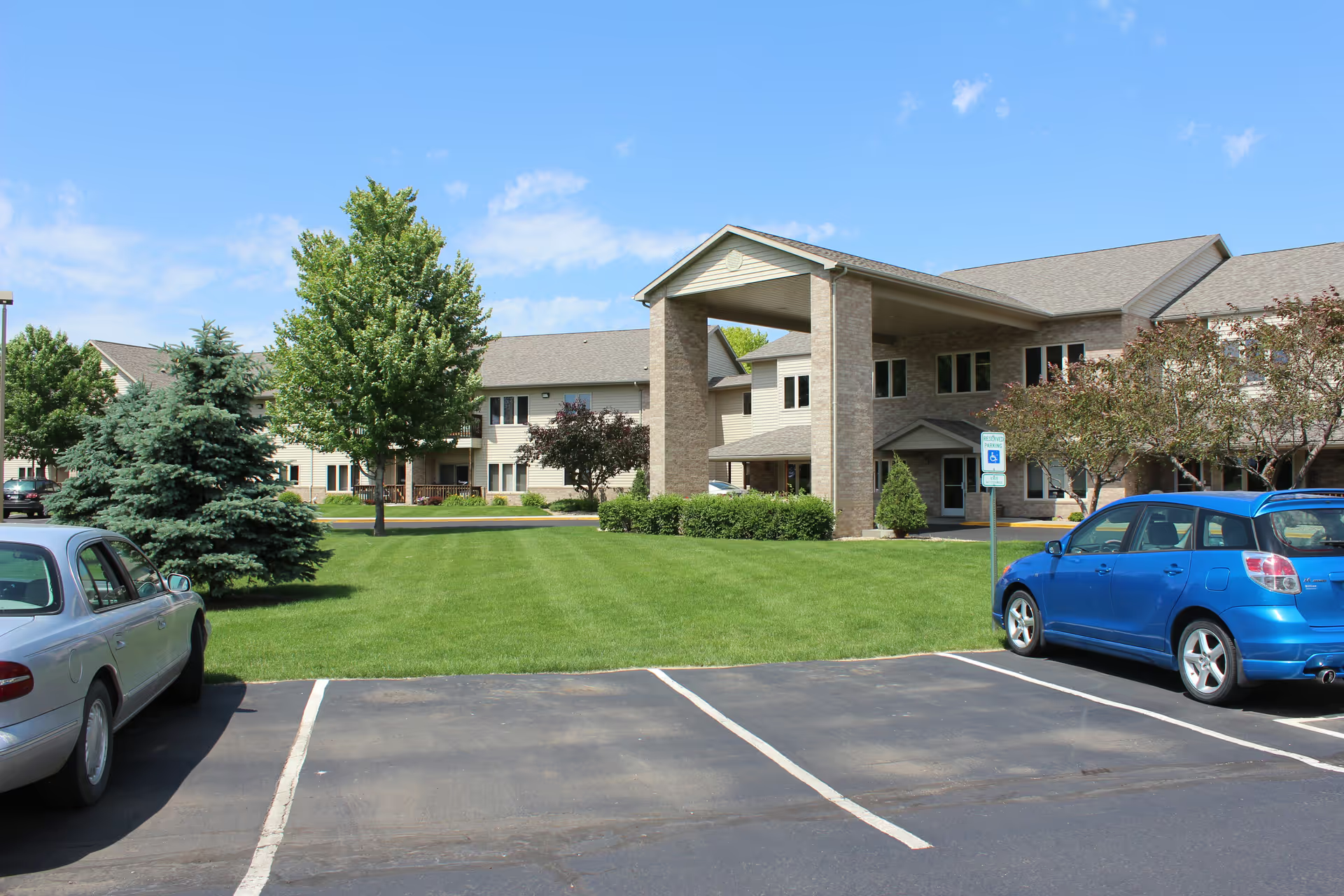
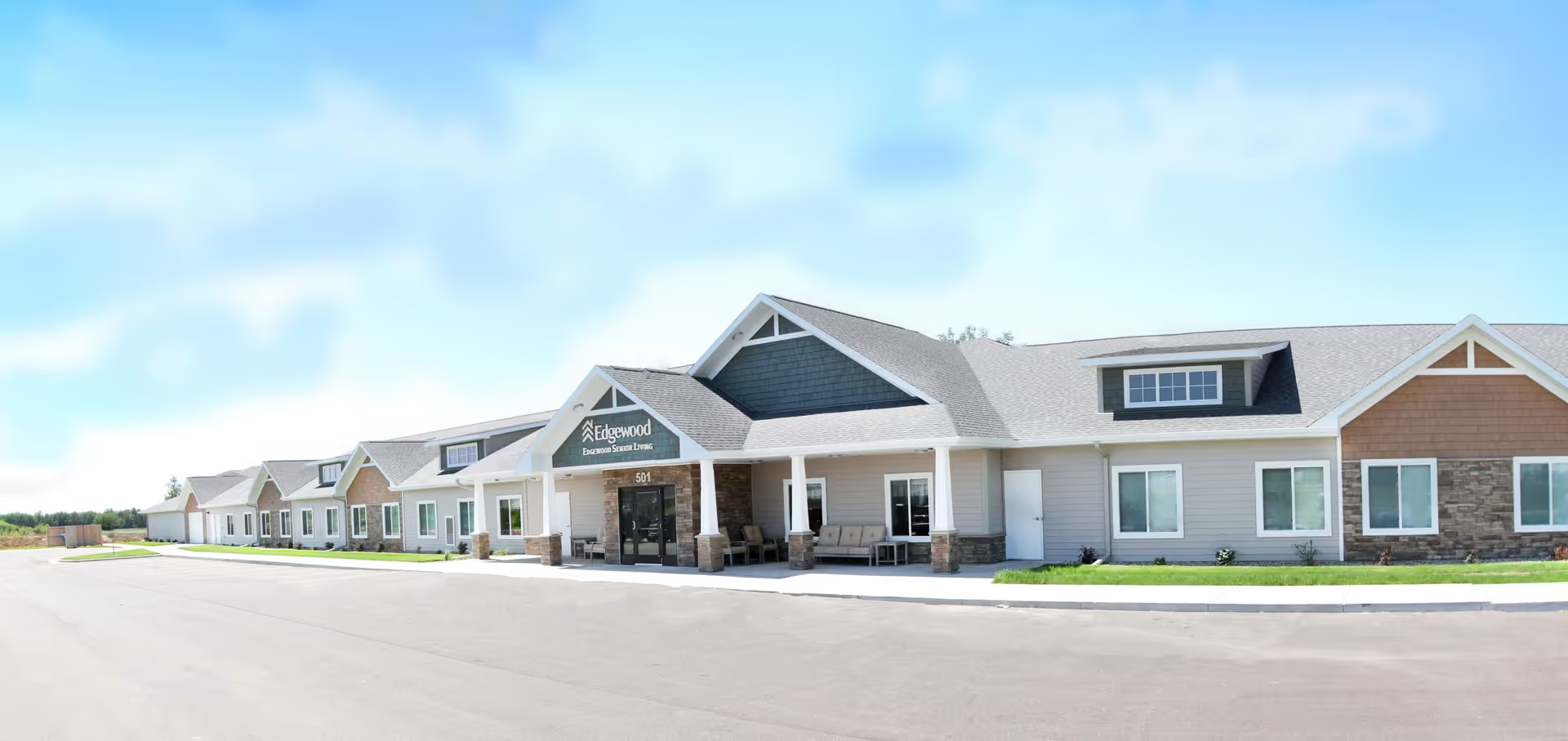
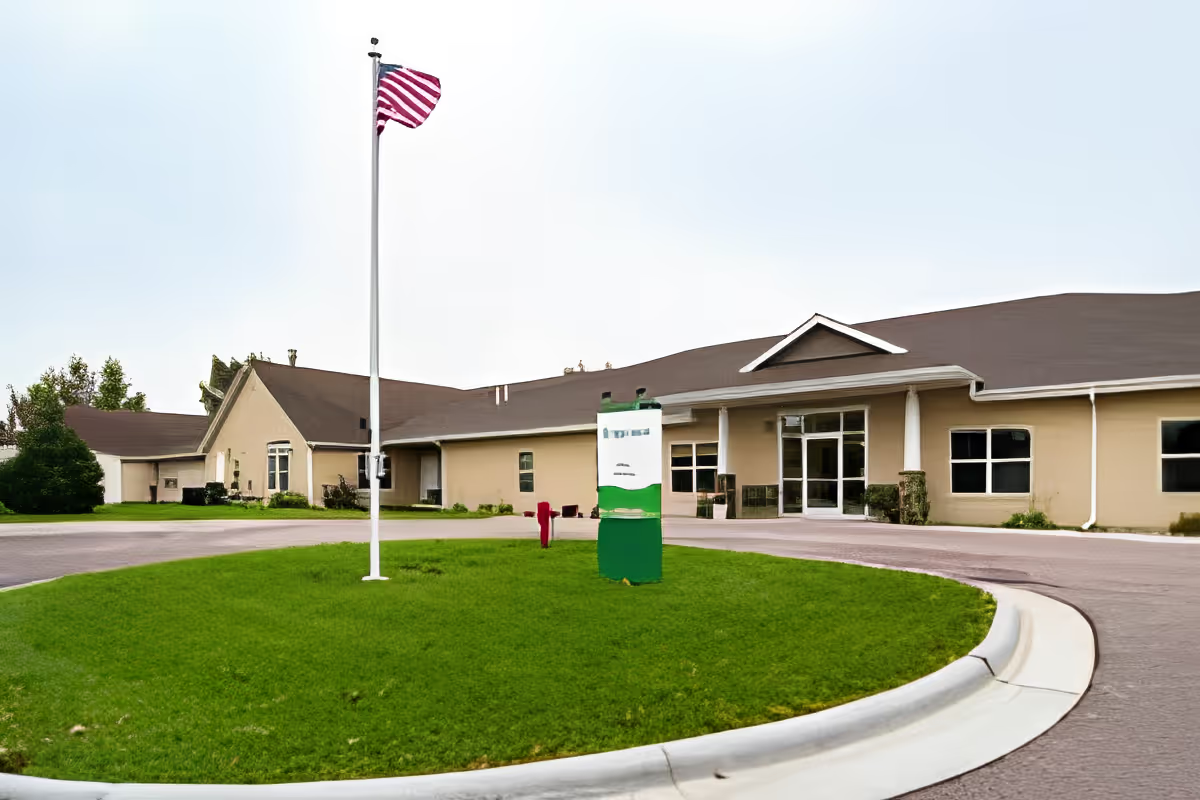
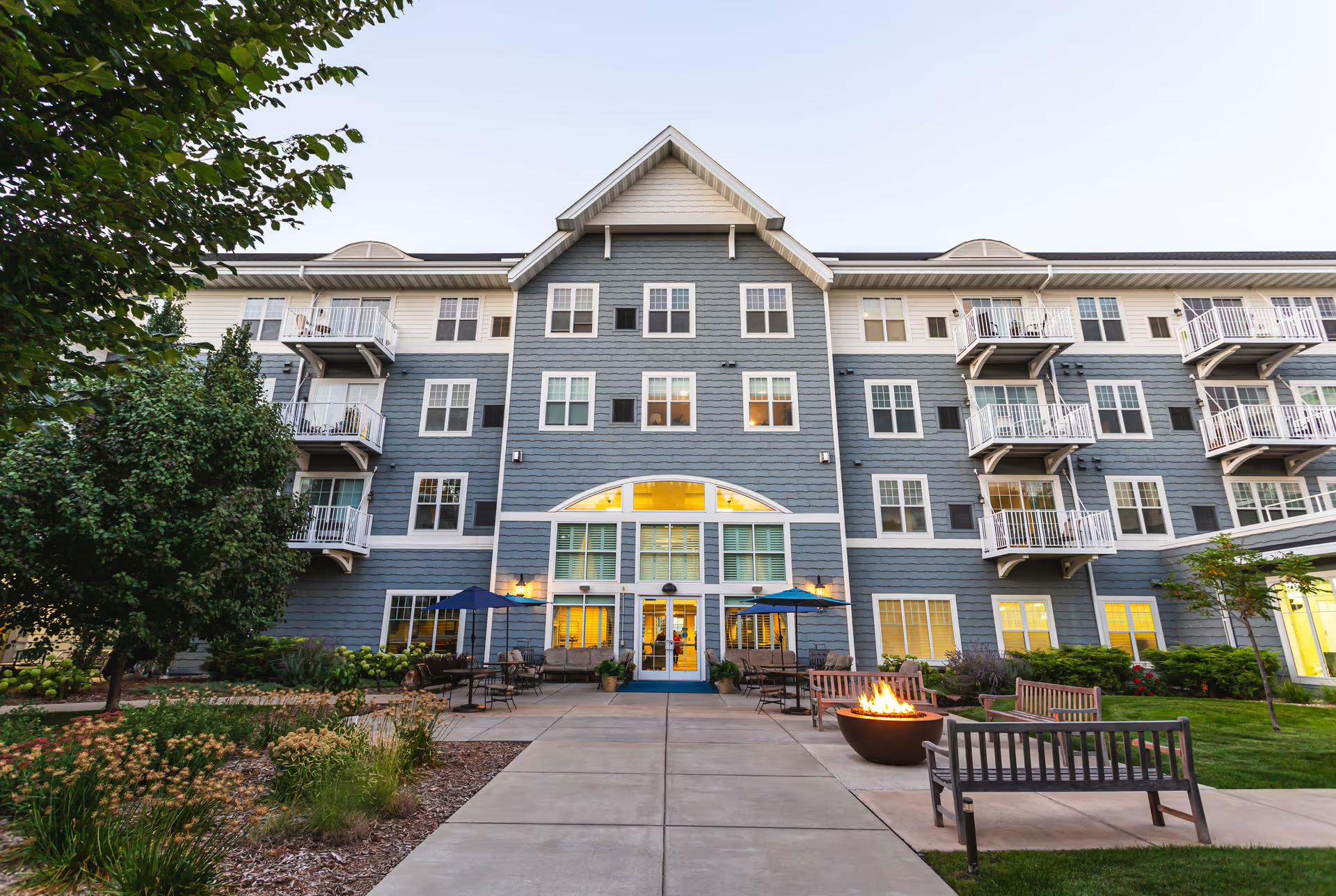
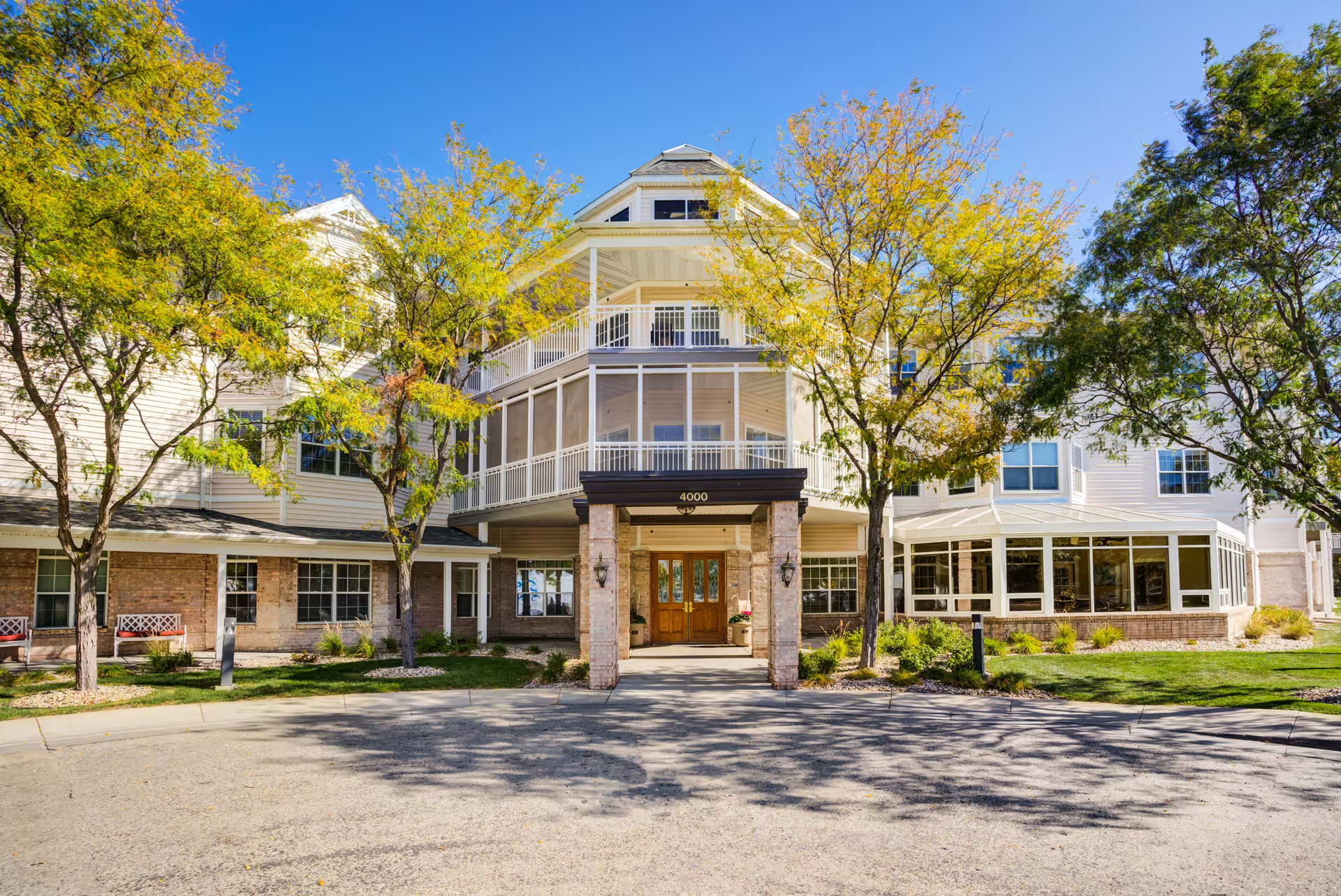
Activities and amenities are frequently highlighted as positives. The facility offers a range of social and spiritual activities — including devotional/hymn services — along with on-site salon services and pet programs that some residents and families find meaningful. The physical environment is also described positively in places as clean and recently remodeled, though room size and shared-bathroom configurations limit privacy for some residents.
Management, safety, and compliance present mixed signals. Some families report clear communication and administrative updates, while others describe unresponsive leadership and difficulty getting complaints addressed. Reviews reference past regulatory citations and improvement initiatives, in addition to operational safety concerns such as exposed hardware and after-hours door-access delays. There is at least one allegation of inaccurate vital-sign documentation and accounts raising concerns following a resident’s death and infection-control issues; these items suggest that oversight and quality-control processes merit careful inquiry.
Overall pattern and guidance: the facility appears capable of providing high-quality, compassionate care in many cases — particularly for short-term rehabilitation and therapy — but consistency is an issue. The recurring operational themes are uneven staffing, variability in response times and medication administration, maintenance and environmental control shortcomings, and mixed experiences with management responsiveness. Prospective residents and family members should ask targeted questions about current staffing ratios and turnover, medication-administration protocols, incident-response and complaint-resolution processes, recent regulatory findings and corrective actions, and after-hours access procedures. A visit during different shifts and conversations with current families can help determine whether the facility’s strengths are reliably delivered for a specific resident’s needs.