Edgewood Spearfish consistently presents as a well-run assisted living and memory-care community with numerous strengths emphasized by families and residents. Clinical care and day-to-day caregiving are cited as strengths: staff are described as compassionate and trained for dementia care, nursing oversight and on-site medical support are noted, and 24/7 monitoring is available for residents with higher needs. Several accounts highlight supportive transitions into the community and positive end-of-life or hospice experiences, indicating attention to continuity of care and dignity.
Staffing and interpersonal engagement are core strengths. Reviewers describe attentive, friendly caregivers who provide personal attention, encourage social interaction, and add to residents' quality of life. Family communication is repeatedly described as strong and flexible; staff accommodate changes and provide updates through photo-sharing and video-chat options. At the same time, there are occasional comments indicating variability in staff responsiveness or tone, which suggests that interpersonal consistency can fluctuate depending on shift or circumstance.
Dining and daily services are frequently praised: meals prepared on-site, a wide variety of snacks, and nourishing, well-balanced menus are common positive notes. Housekeeping, apartment cleaning, and laundry services contribute to a home-like, low-maintenance living experience. A minority of comments raise concerns about dining quality or preferences, indicating that meal satisfaction may vary by resident taste or by day and may merit periodic menu reviews and resident feedback loops.
The Life Enrichment program and activity schedule are prominent features. The community offers exercise classes, crafts, bingo, crochet groups, outings, and resident-recognition programs that foster social engagement and mental stimulation. These offerings, together with amenities such as a chapel, beauty salon, and small theater, create a resort-like atmosphere for many residents. However, a few notes suggest that activity frequency or availability is uneven for some residents, pointing to an operational opportunity to ensure consistent access across units and schedules.
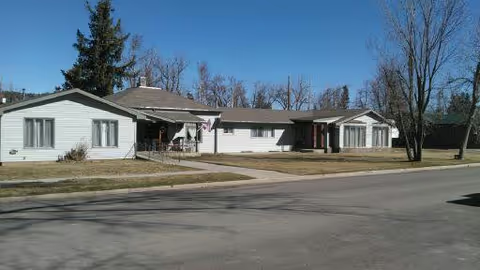
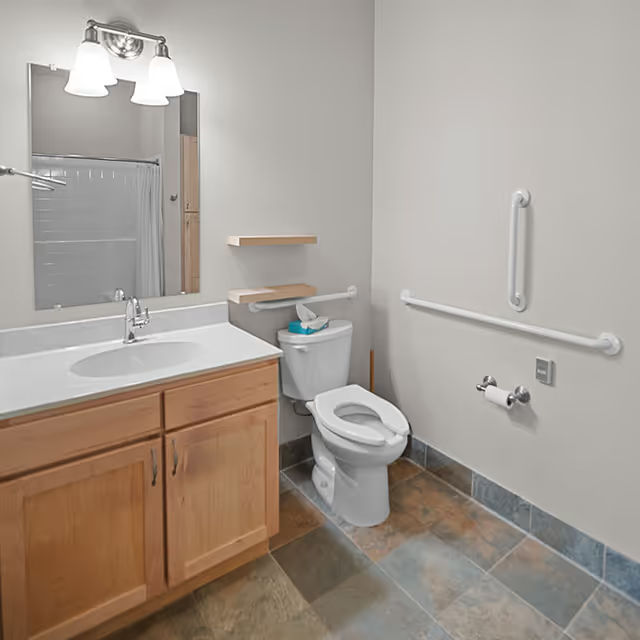
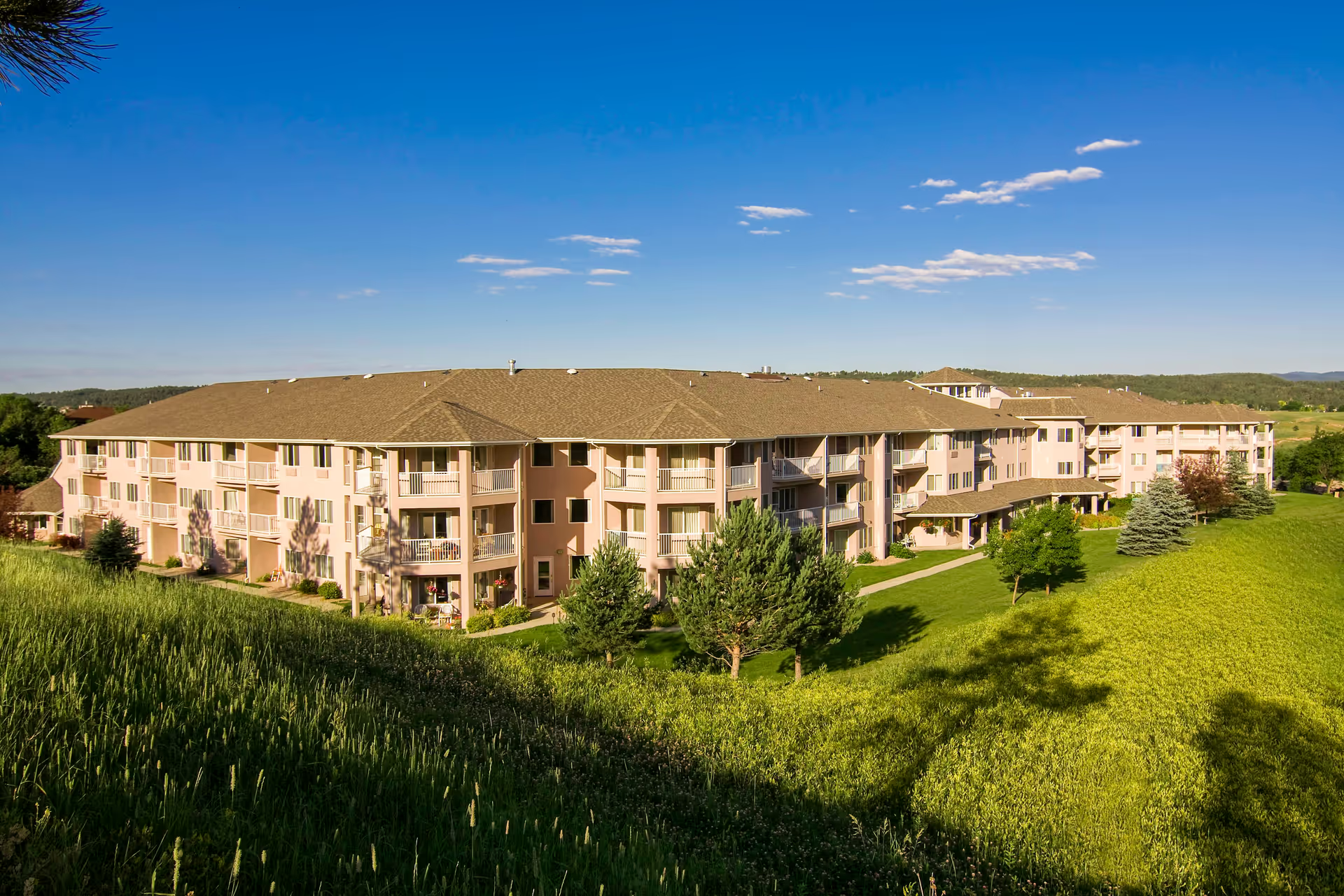
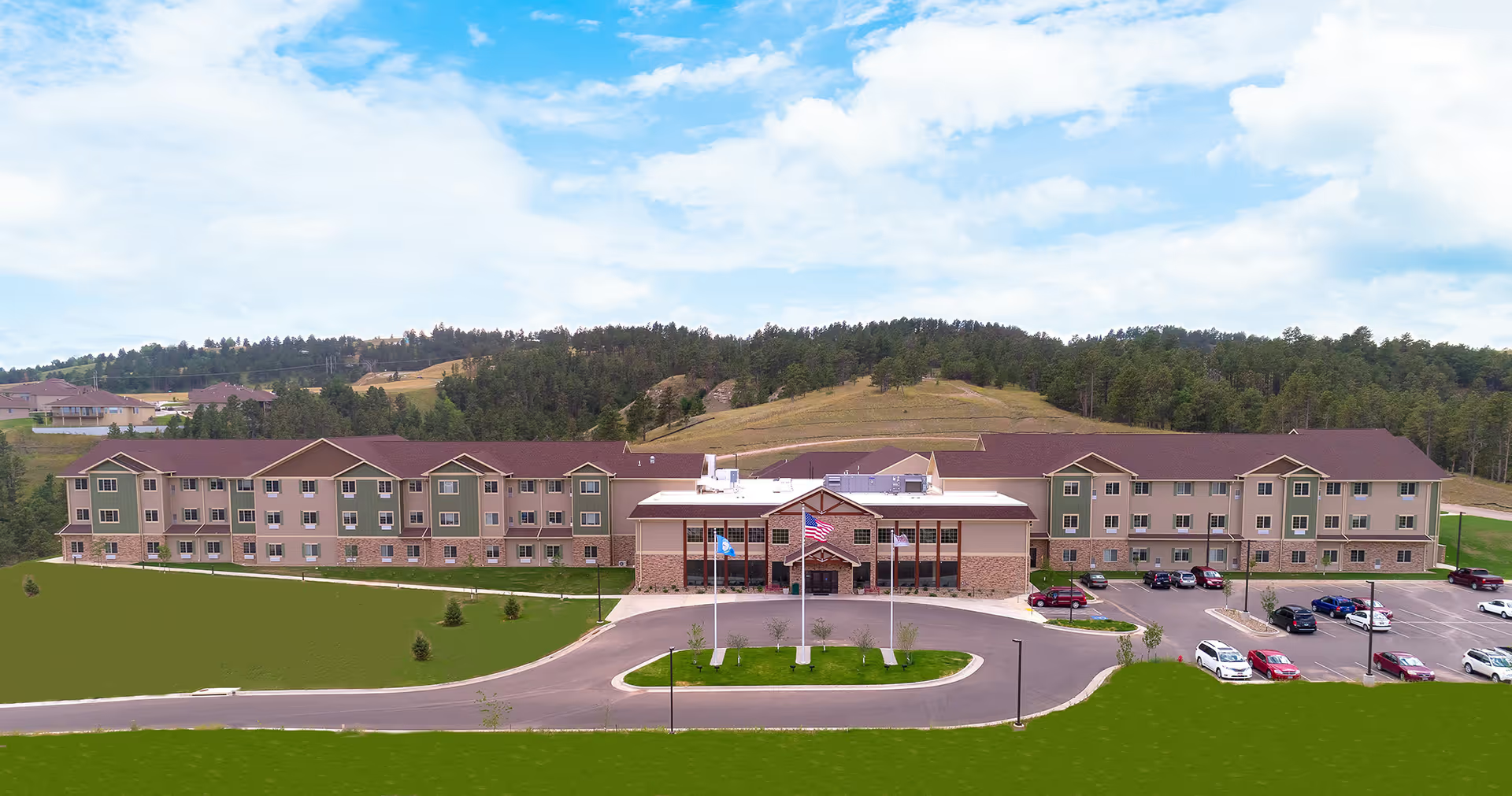
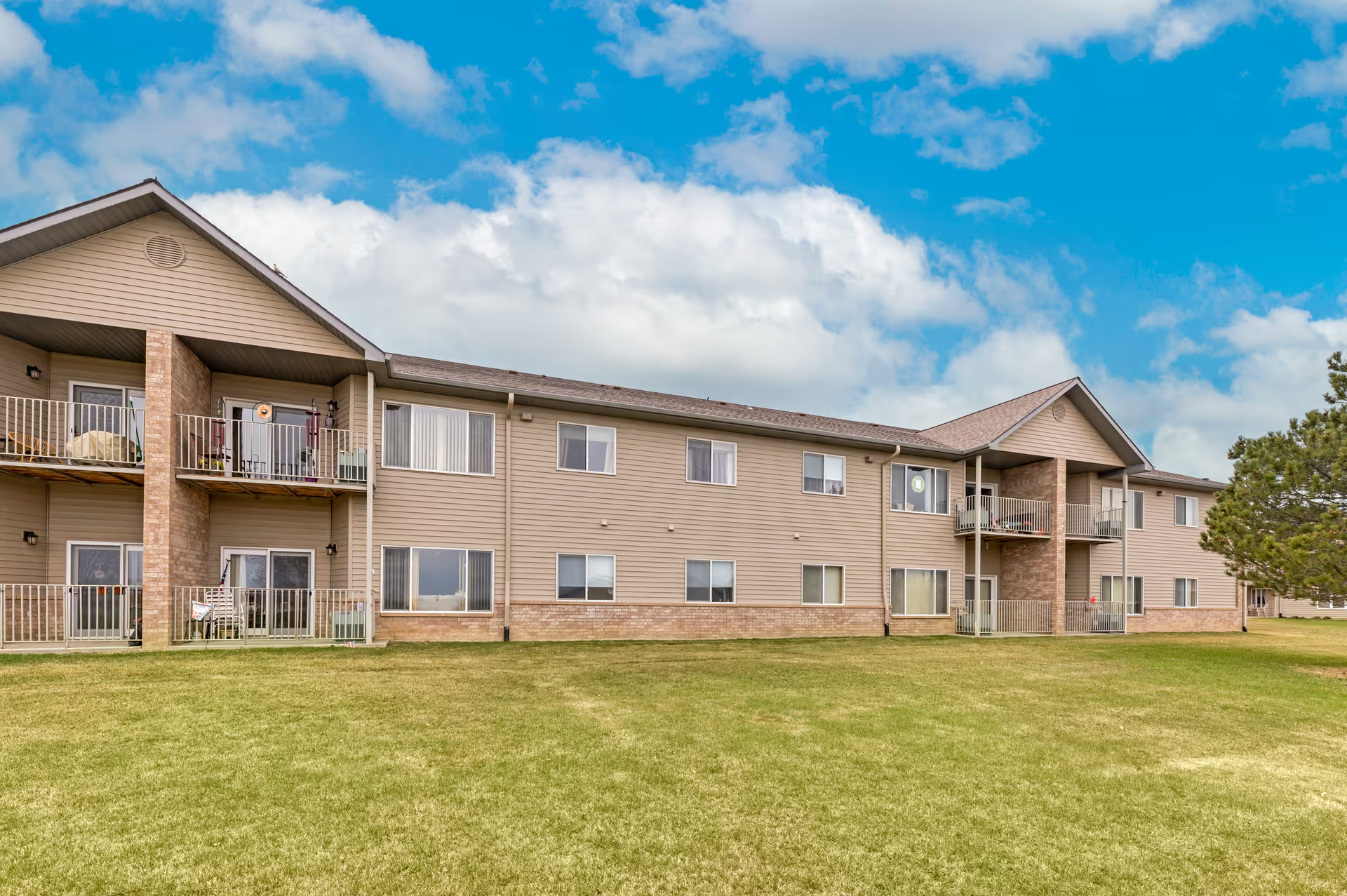
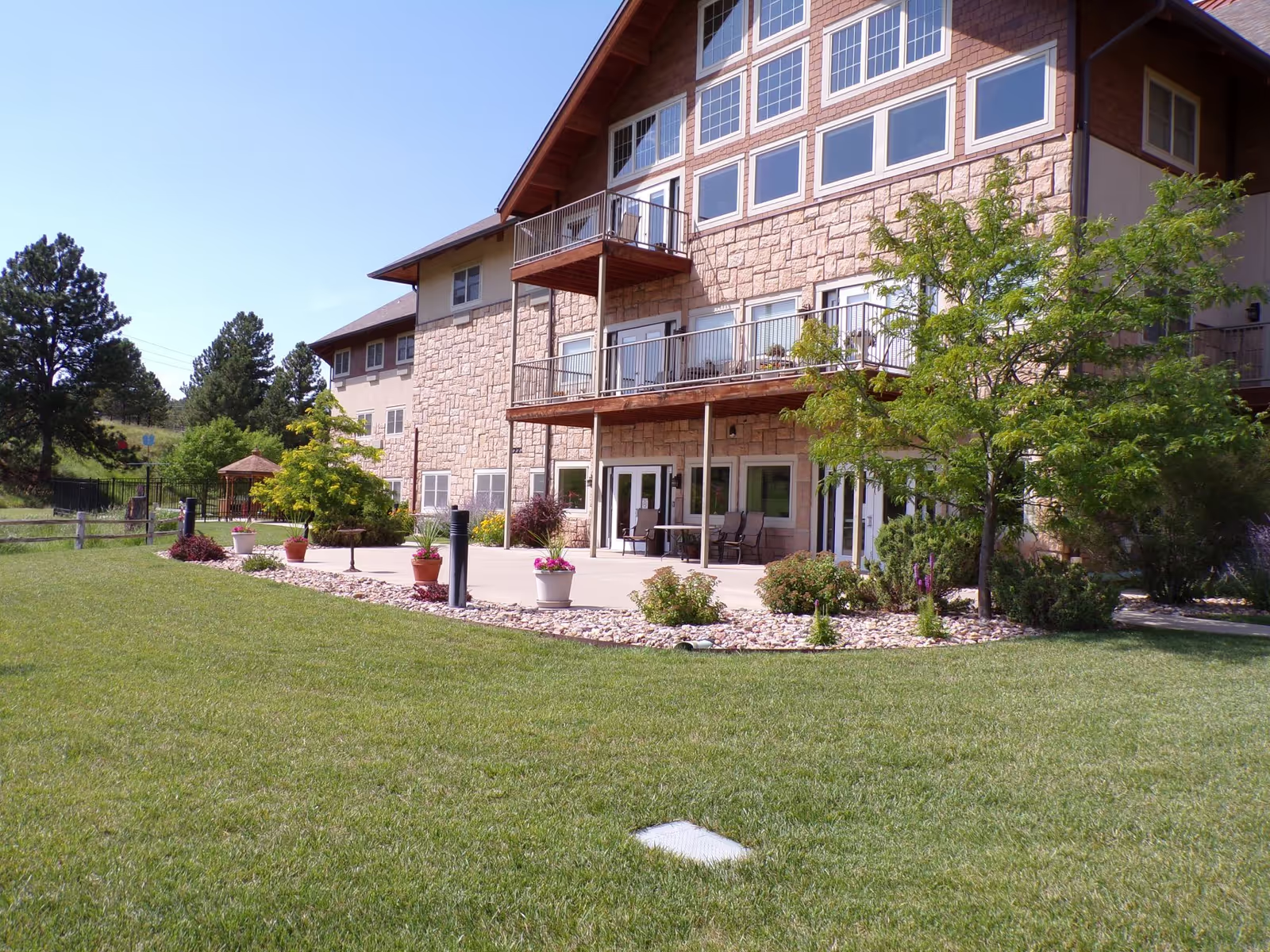
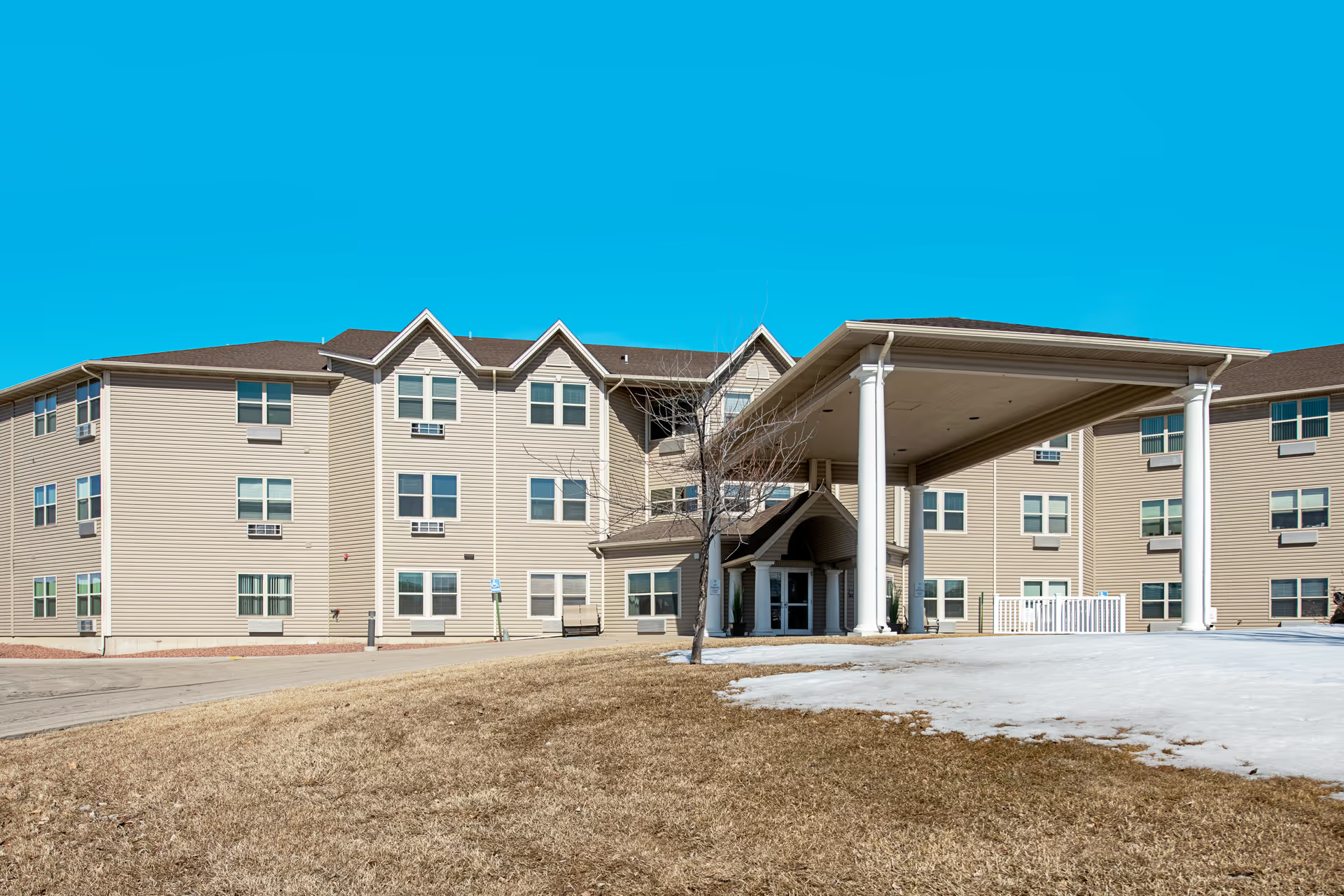
Facility condition and campus amenities receive strong marks for cleanliness, maintenance, and a welcoming atmosphere. The environment is described as safe and secure, and pet-friendly policies add to resident satisfaction. Management and leadership earn positive comments for professionalism and responsiveness; families express gratitude for individualized attention. One operational theme that appears intermittently is perceived value-for-cost—some families question whether certain elements of care fully align with price expectations—so transparent cost communication and regular care-plan reviews could help address this perception.
Overall, the pattern across comments is strongly positive: Edgewood Spearfish appears to deliver compassionate, competent care with robust programming and services that support resident well-being. The primary areas for managerial attention are ensuring consistent meal satisfaction, standardizing activity access across residents, and addressing occasional variability in staff responsiveness and perceived value. Addressing these operational items would align the service experience more uniformly with the otherwise strong reviews of clinical care, amenities, and resident quality of life.