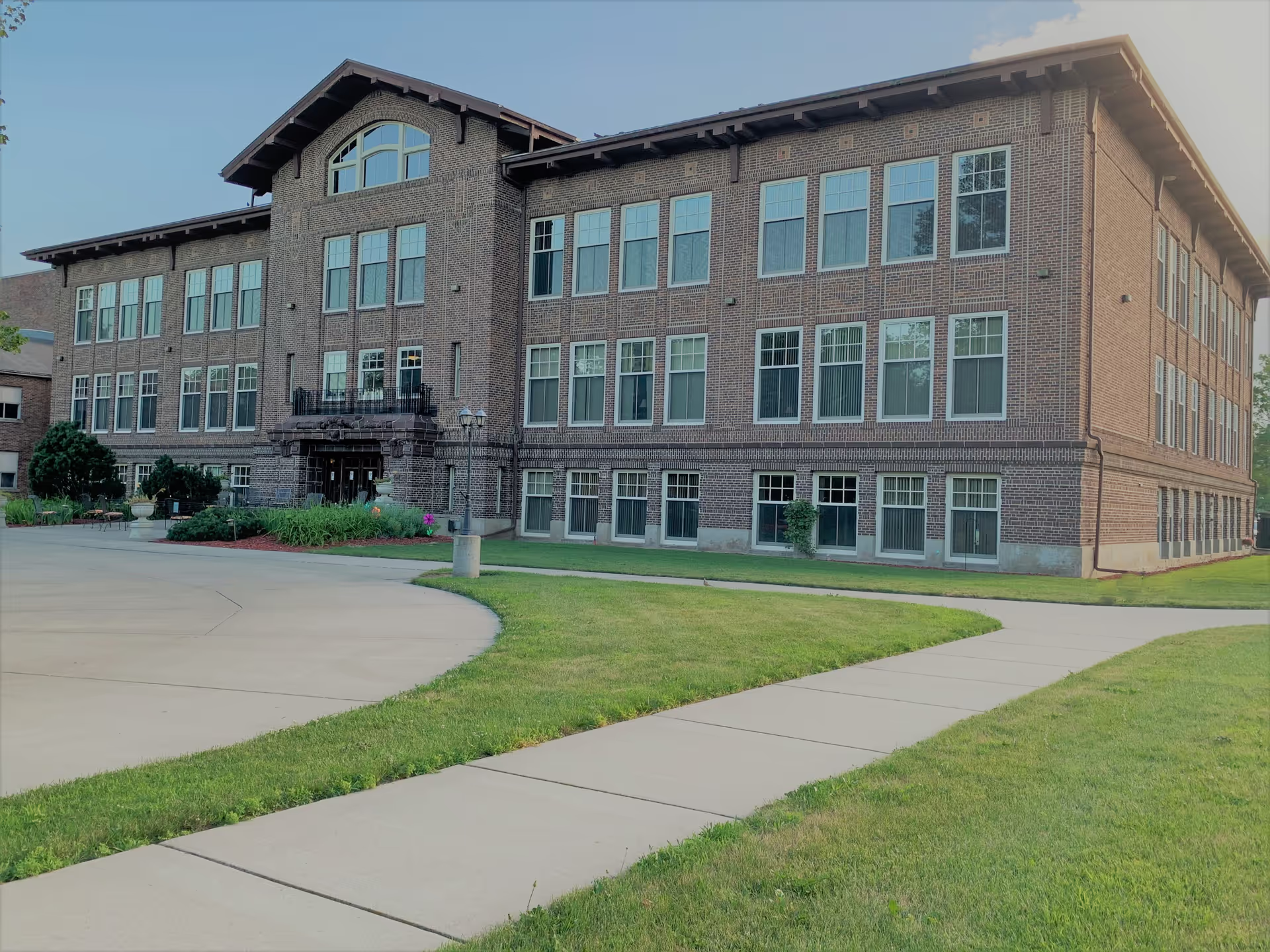
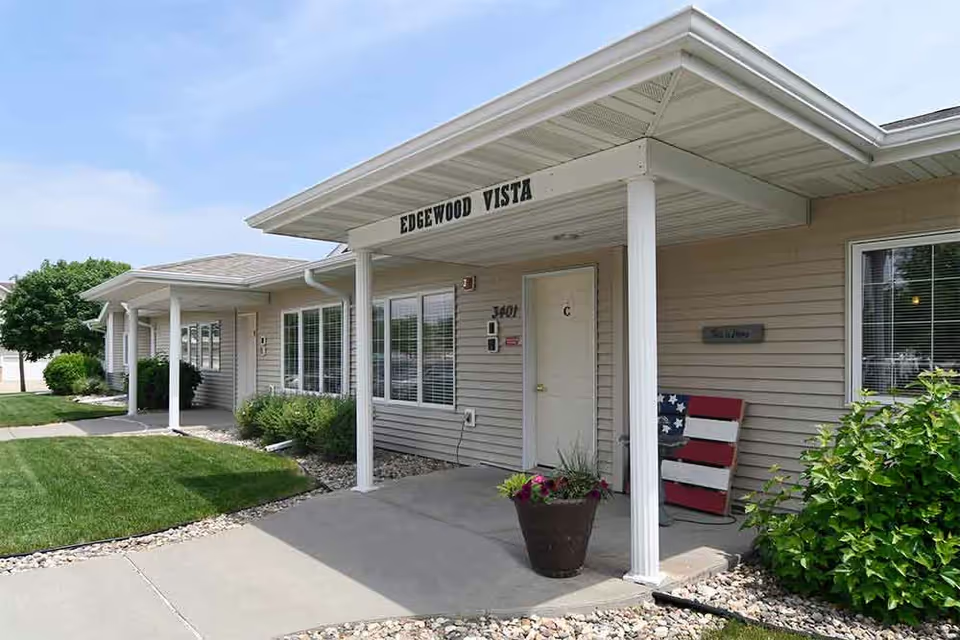
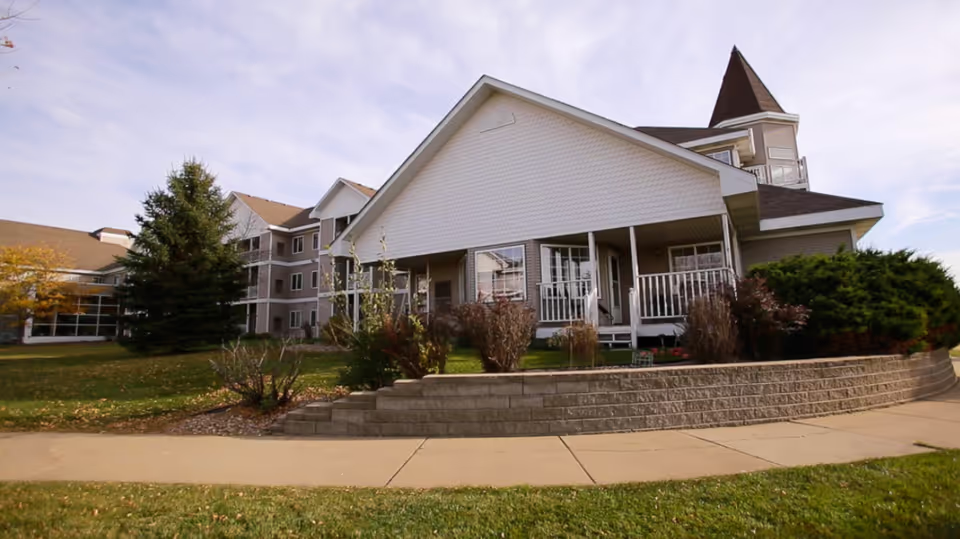
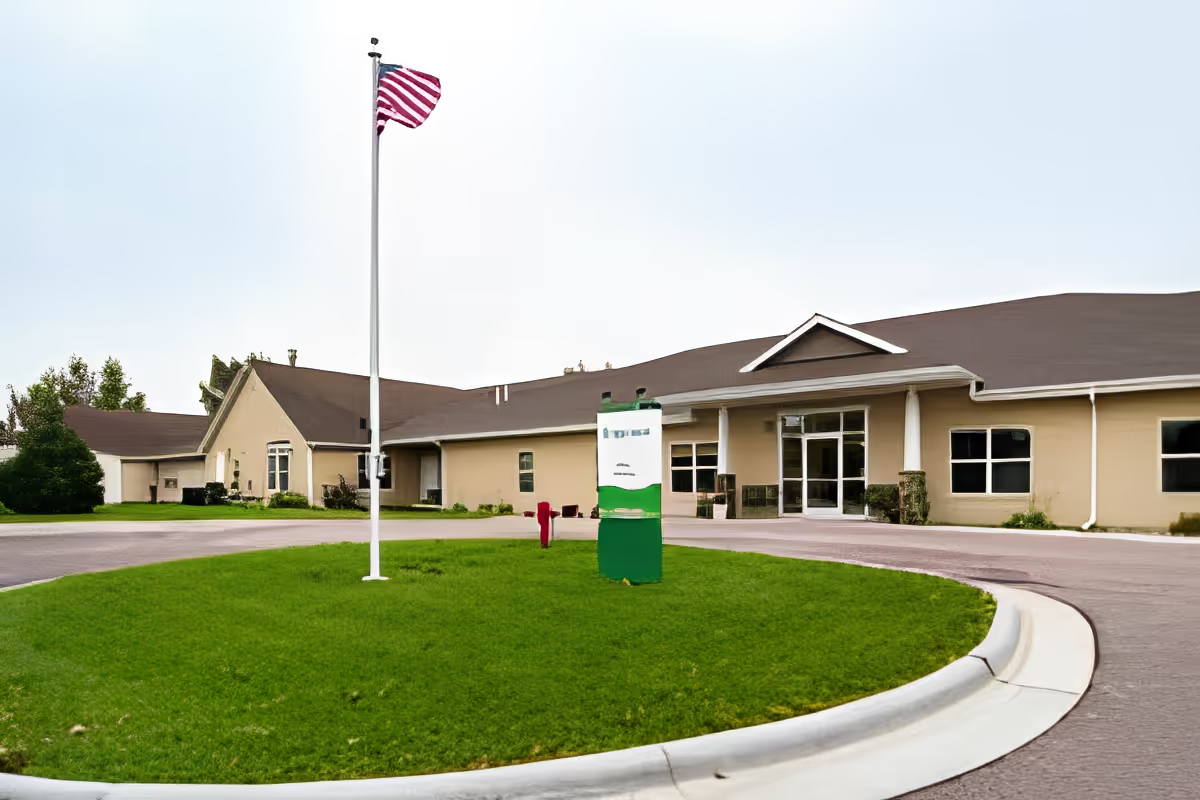
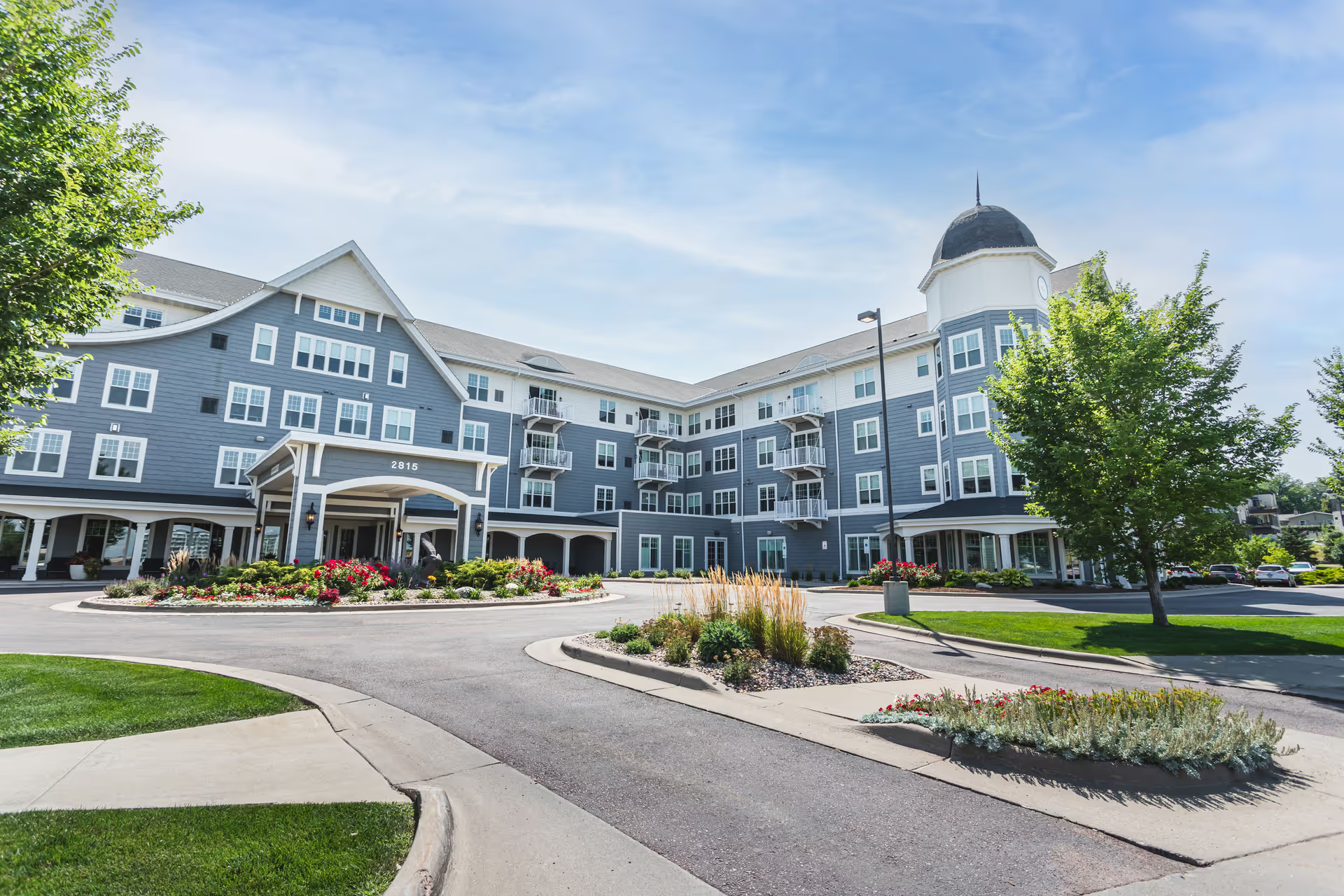
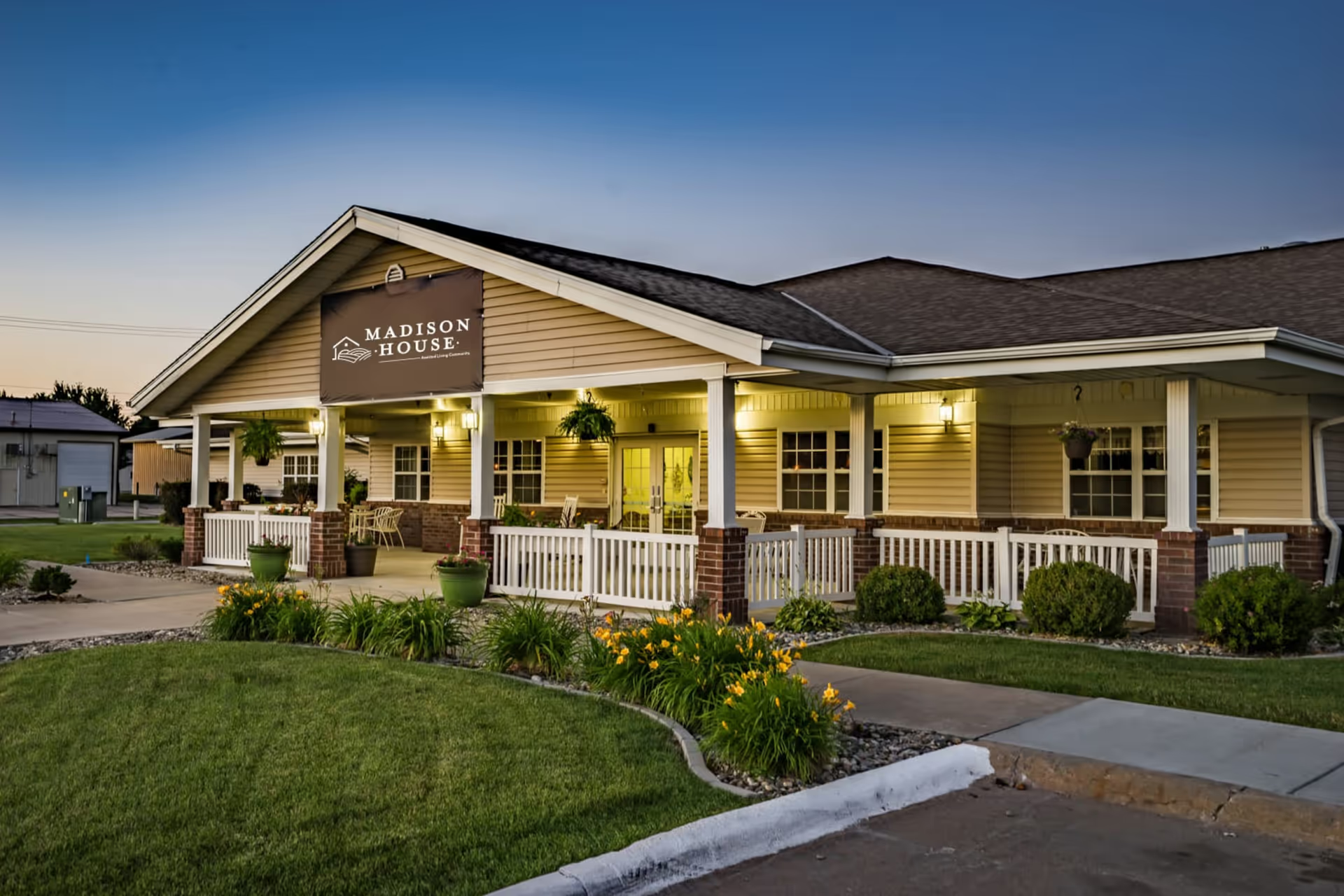
The reviews reflect a mixed experience at Sister James Care Center, with clear strengths in housing and rehabilitative services alongside repeated operational concerns. The facility's physical environment is frequently praised for private single rooms, which many families and residents find comfortable and dignified. On-site therapy and rehabilitation are highlighted as a strong component of the care continuum; reviewers describe positive therapy outcomes and staff in rehab who deliver effective, goal-oriented services.
Staffing and direct care are described inconsistently. Several reviewers praised individual nurses and aides as compassionate and capable, particularly within therapy programs; however, a recurring pattern points to understaffing and variability in caregiver performance. That understaffing appears to contribute to delays in responding to resident needs, including delayed pain relief and slower-than-expected attention to changes in condition. These operational gaps are linked in reviews to families needing to intervene or escalate concerns to obtain timely attention.
Medication management and clinical oversight emerge as notable areas of concern. Reviews cite inconsistent medication-administration practices and questions about the use of potent analgesics or sedative approaches for symptom control. These are presented as process and oversight issues rather than isolated incidents, suggesting the facility may benefit from clearer protocols, documentation practices, and clinical escalation pathways.
Dining and daily-life aspects also show mixed feedback. Multiple reviewers describe the kitchen as providing consistent, uniform meals that lack variety and tend toward higher sodium content. While nutrition and meal scheduling are not universally criticized, the uniformity and seasoning of meals were identified as areas for improvement. Activity programming beyond therapy is less frequently discussed in the reviews; the strongest activity-related comments emphasize the therapeutic offerings rather than broader social or recreational programming.
Management and family communication are other recurring themes. Reviews indicate gaps in proactive family notification and in escalation procedures when clinical concerns arise; several families reported needing to step in to address care issues. The overall tone suggests that administrative attention to staffing levels, medication protocols, and family communication would address many of the operational weaknesses identified. Finally, a subset of reviewers recommended smaller, more intimate facilities for residents who prioritize consistent one-on-one attention, suggesting the center's scale and operating model may not align with every family's expectations.
In summary, Sister James Care Center presents as a facility with clear rehabilitation strengths and comfortable private rooms but with operational challenges around staffing, medication oversight, timely clinical responsiveness, and meal variety. Prospective residents and families should weigh the strong therapy program and private accommodations against the documented concerns about staffing consistency, medication processes, and communication practices, and consider discussing these topics directly with management during touring and contracting discussions.