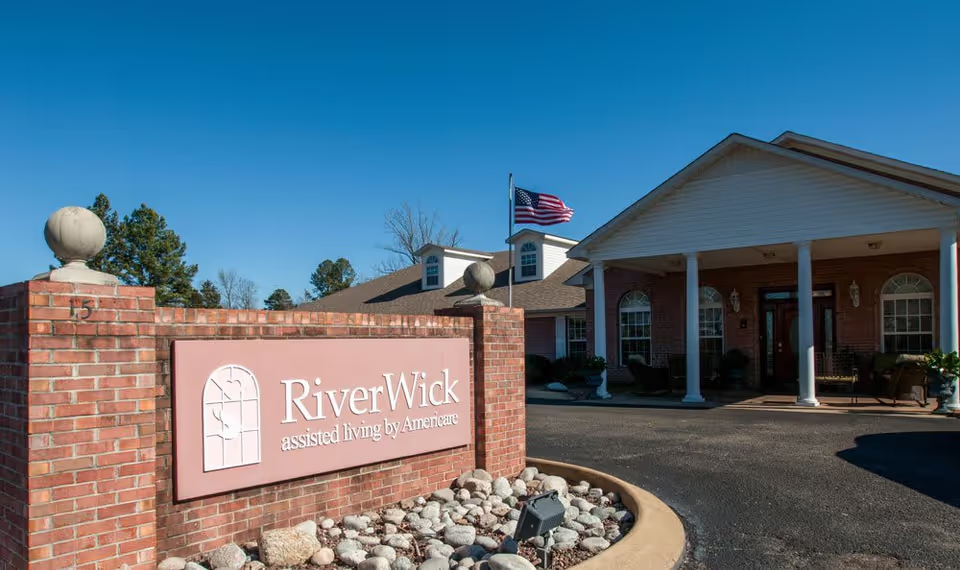
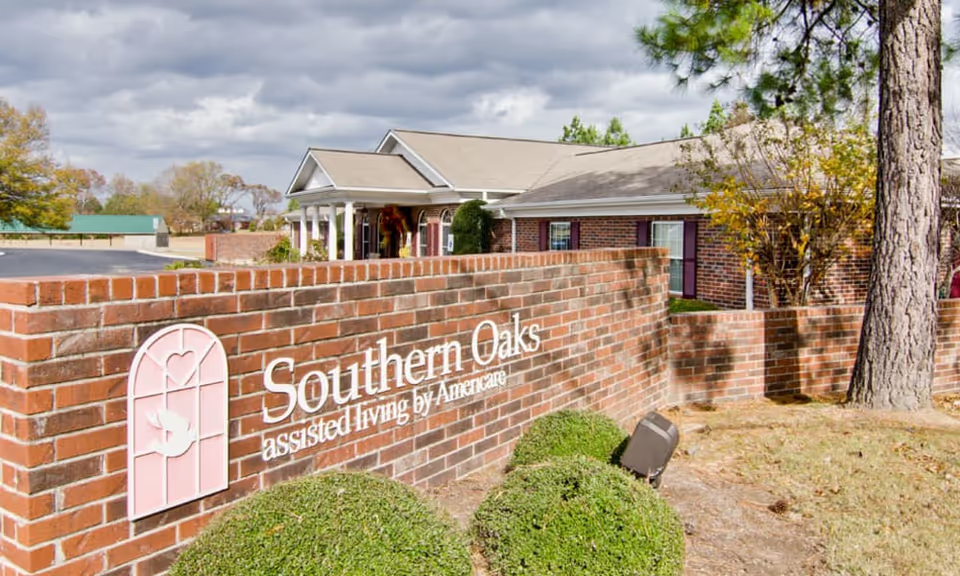
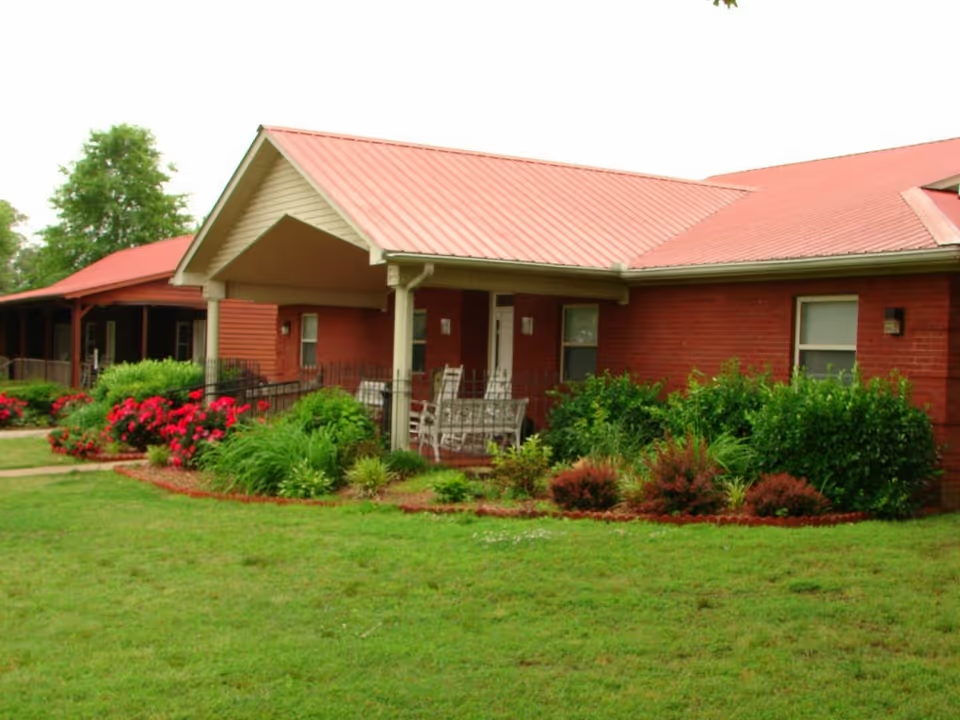
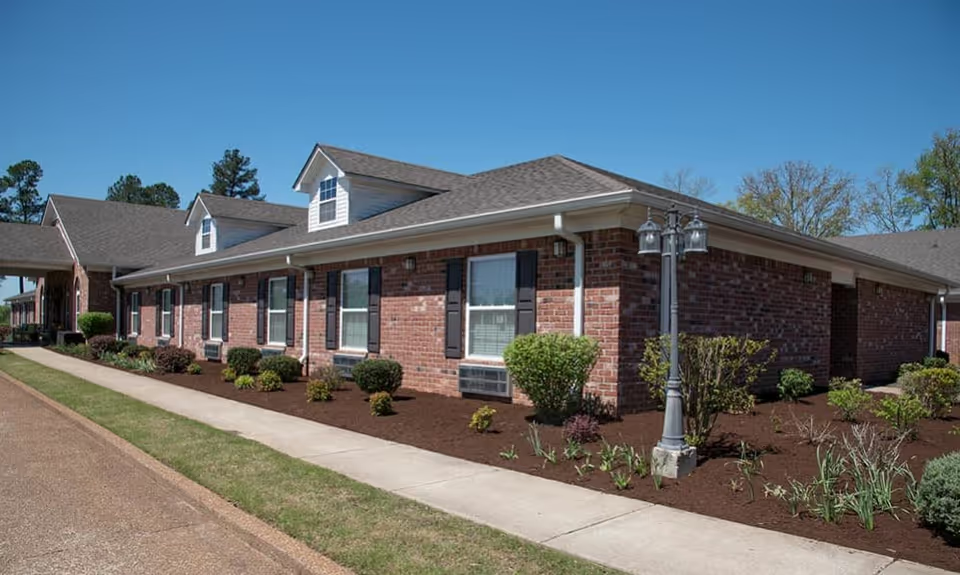
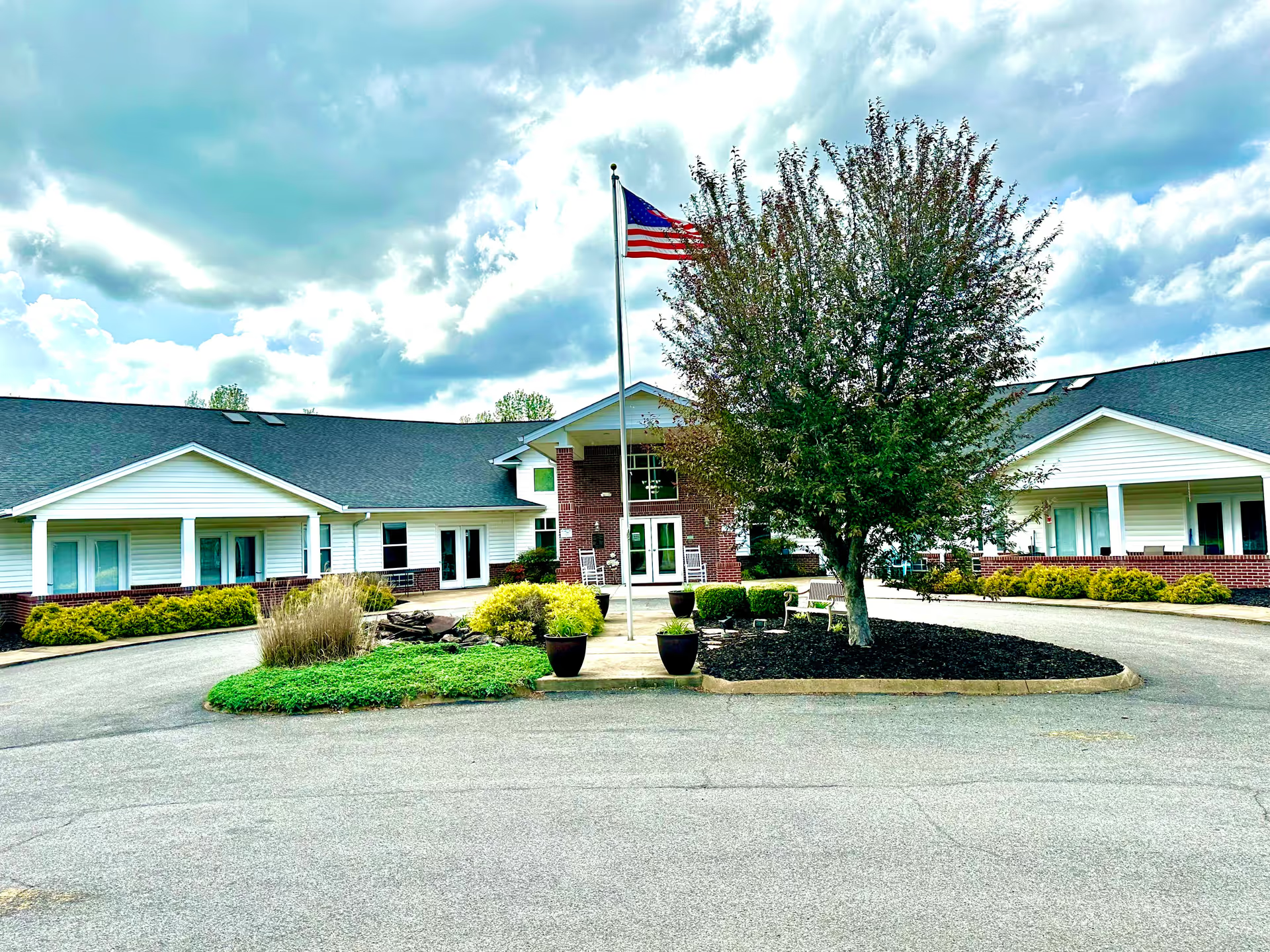
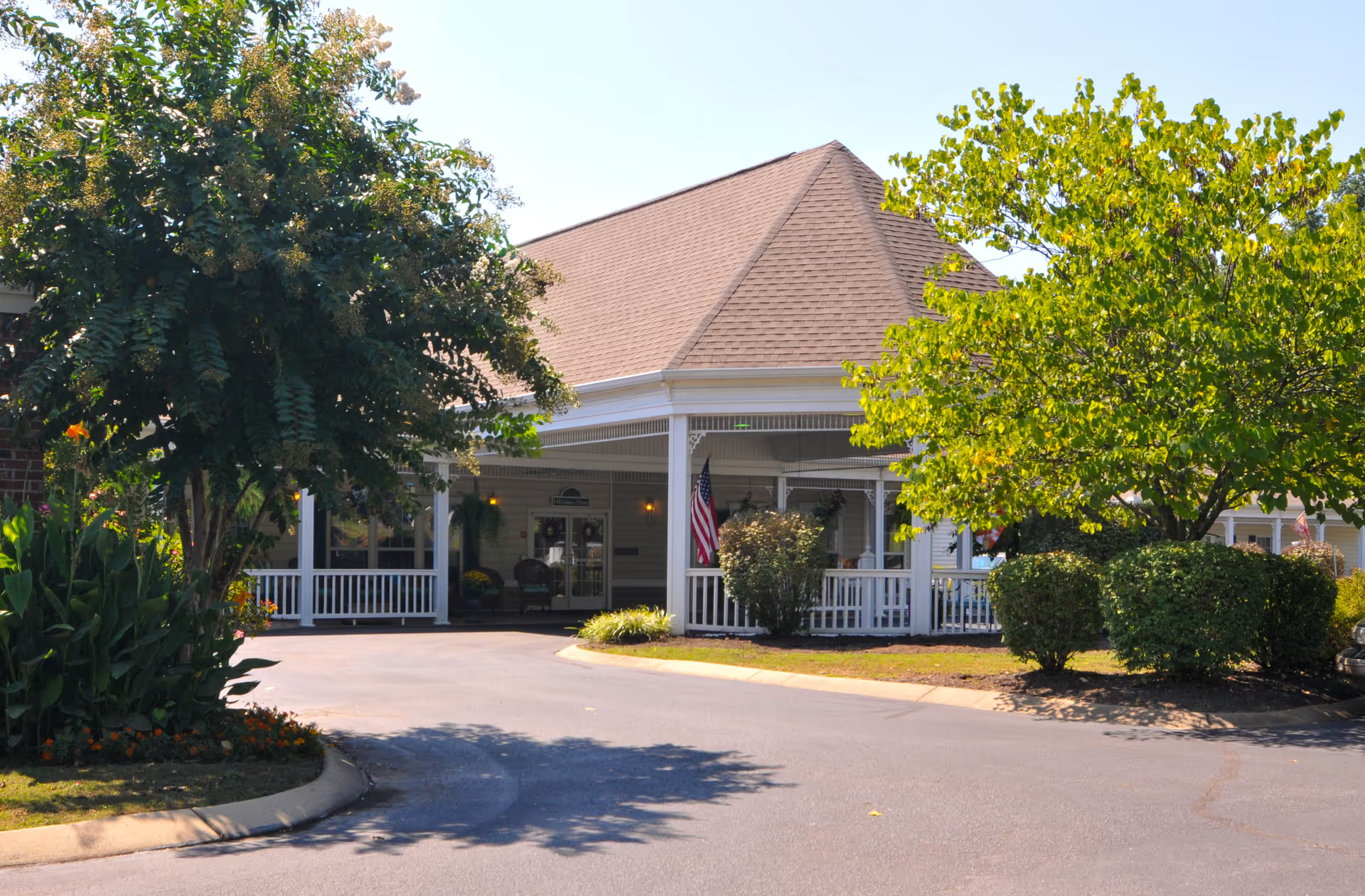
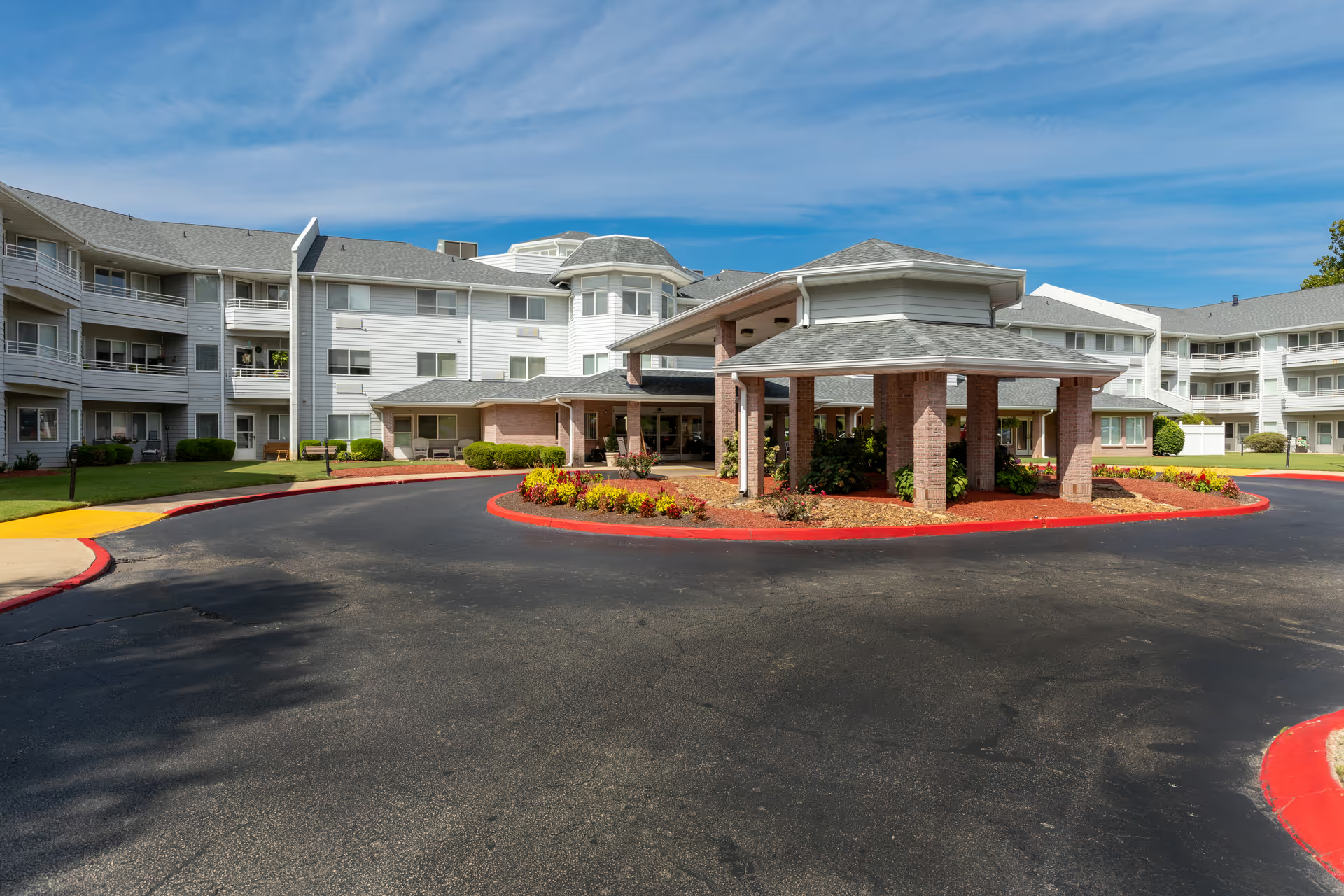
Adamsville Healthcare and Rehabilitation Center elicits strongly mixed but actionable impressions. Many families and visitors describe a clean, recently updated building with a welcoming, home-like atmosphere and well-maintained common areas. The facility offers a dedicated memory-care unit, a range of activities and events, and visible security measures at entrances. Admissions and room-assignment processes are frequently described as smooth, and housekeeping and maintenance receive consistent praise.
Clinical and day-to-day care elements draw both positive and critical commentary. Numerous accounts highlight compassionate nurses, attentive CNAs, and effective rehabilitation and therapy teams, with some families noting weekly physician checks and individualized therapy attention. At the same time, reviewers describe inconsistent responsiveness to call bells and care requests, delays in overnight checking and incontinent-care follow-up, and uneven medication administration practices. These operational gaps have, in some cases, led families to raise concerns about how clinical incidents are managed and communicated to relatives.
Staffing and management emerge as central drivers of variability. The facility is praised for many long‑term, caring staff members and for staff who go above and beyond, but there are consistent observations about understaffing at night and on weekends, reliance on different staffing models across shifts, and elevated turnover. These patterns are associated with intermittent lapses in attentiveness and, in isolated accounts, concerns about staff conduct and family communication. There are also a small number of serious claims, including allegations of theft and property loss; such claims warrant careful inquiry during any tour or meeting with leadership.
Dining and ancillary services are described inconsistently. Some reviewers appreciate personalized meal preparation and improvements under newer leadership, while others describe variability in food quality and portioning that prompted alternative meal arrangements. Housekeeping and general cleanliness are often commended, though a few comments raised pest-control and odor concerns in specific areas, indicating uneven standards across the building.
For prospective residents and families: the facility demonstrates clear strengths in environment, memory-care programming, therapy services, and many dedicated staff members. At the same time, operational issues—especially staffing patterns during off hours, medication and overnight-care consistency, dining variability, and occasional management or communication shortfalls—are recurring themes. Recommended due diligence includes touring the memory and long‑term care units, asking about night and weekend staffing levels, reviewing medication-handling and incident-notification protocols, inquiring about pest-control and housekeeping routines, and discussing property-security safeguards with administration.