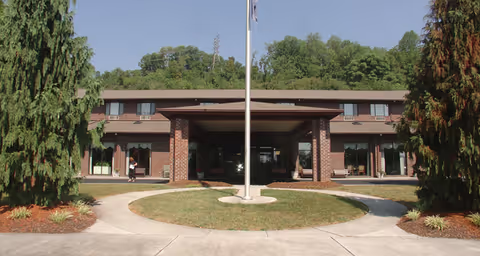
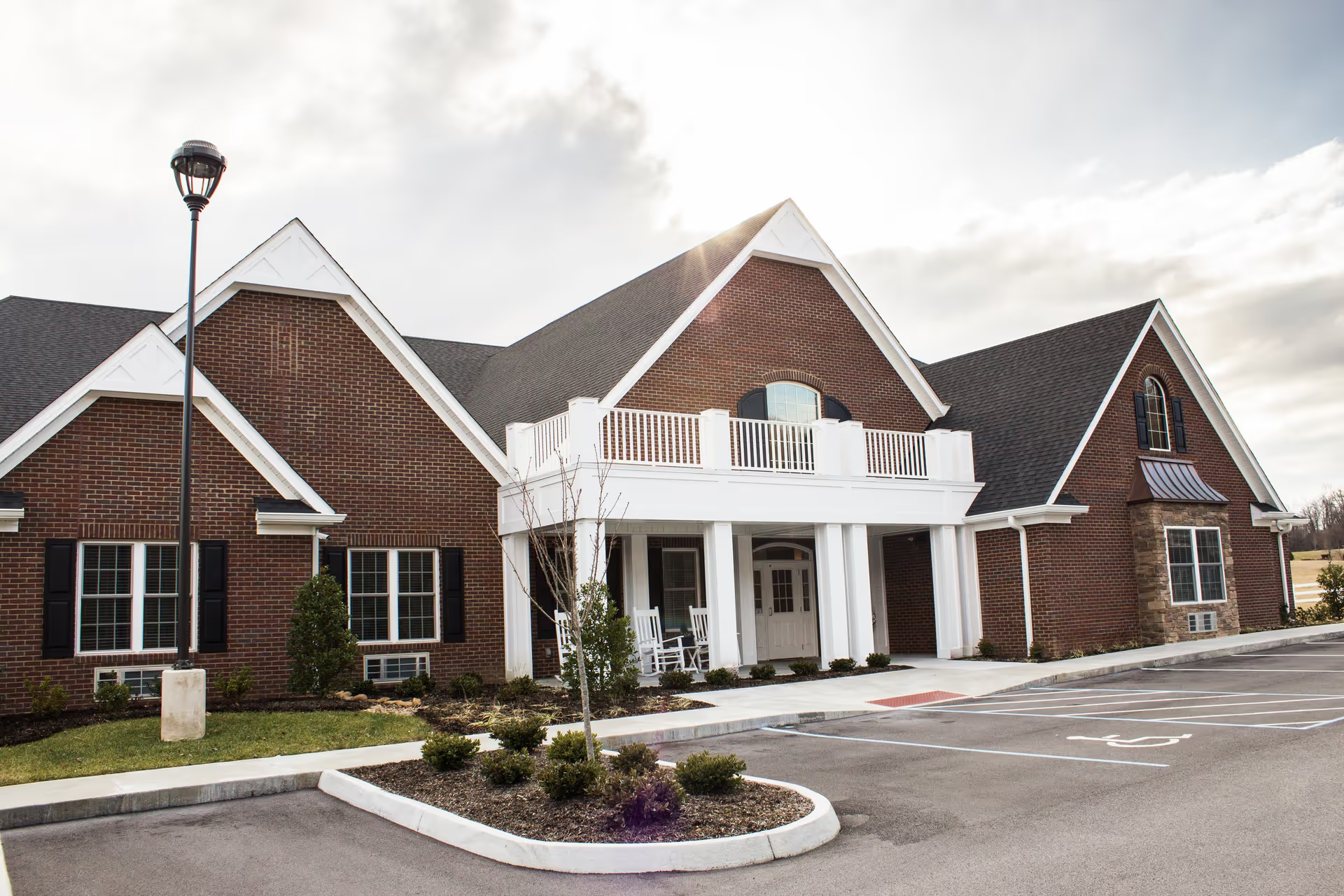
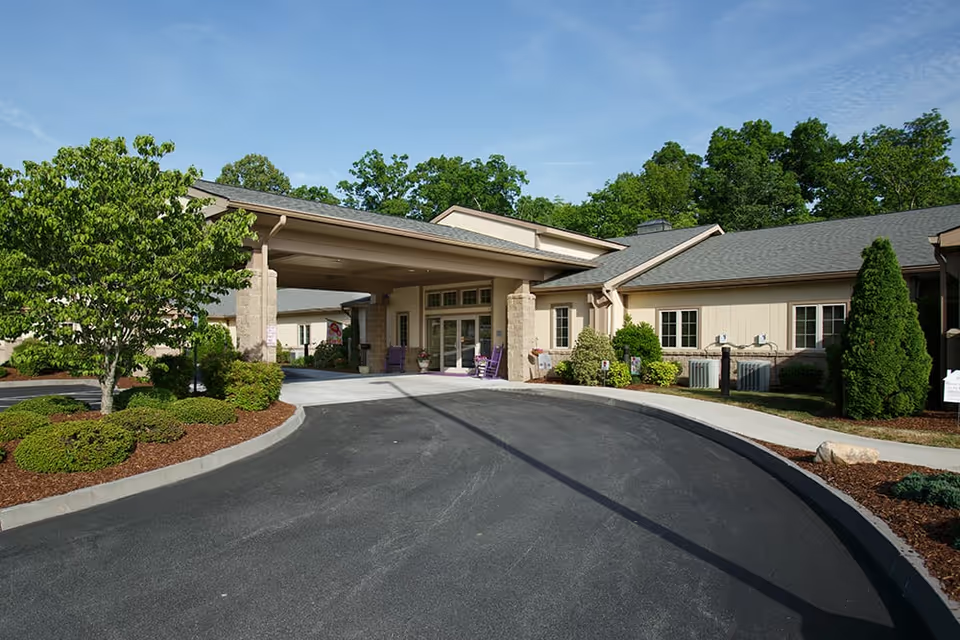
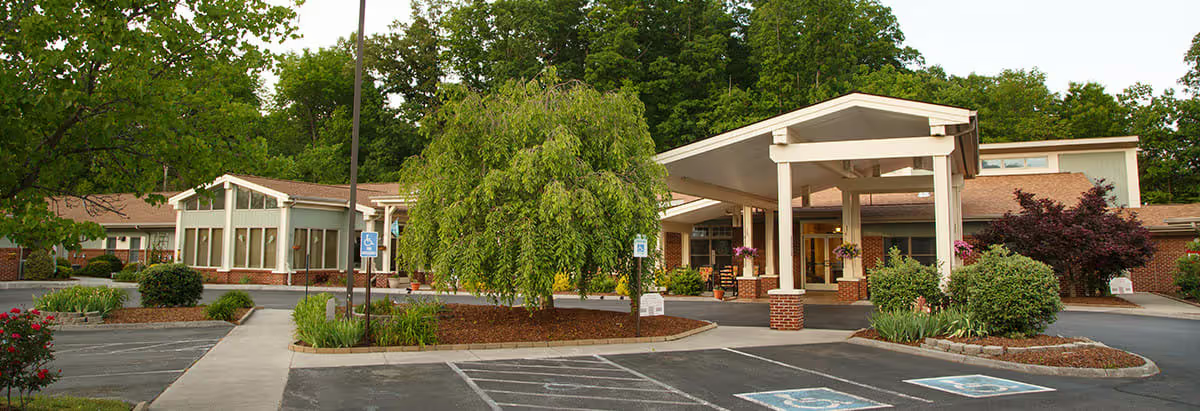
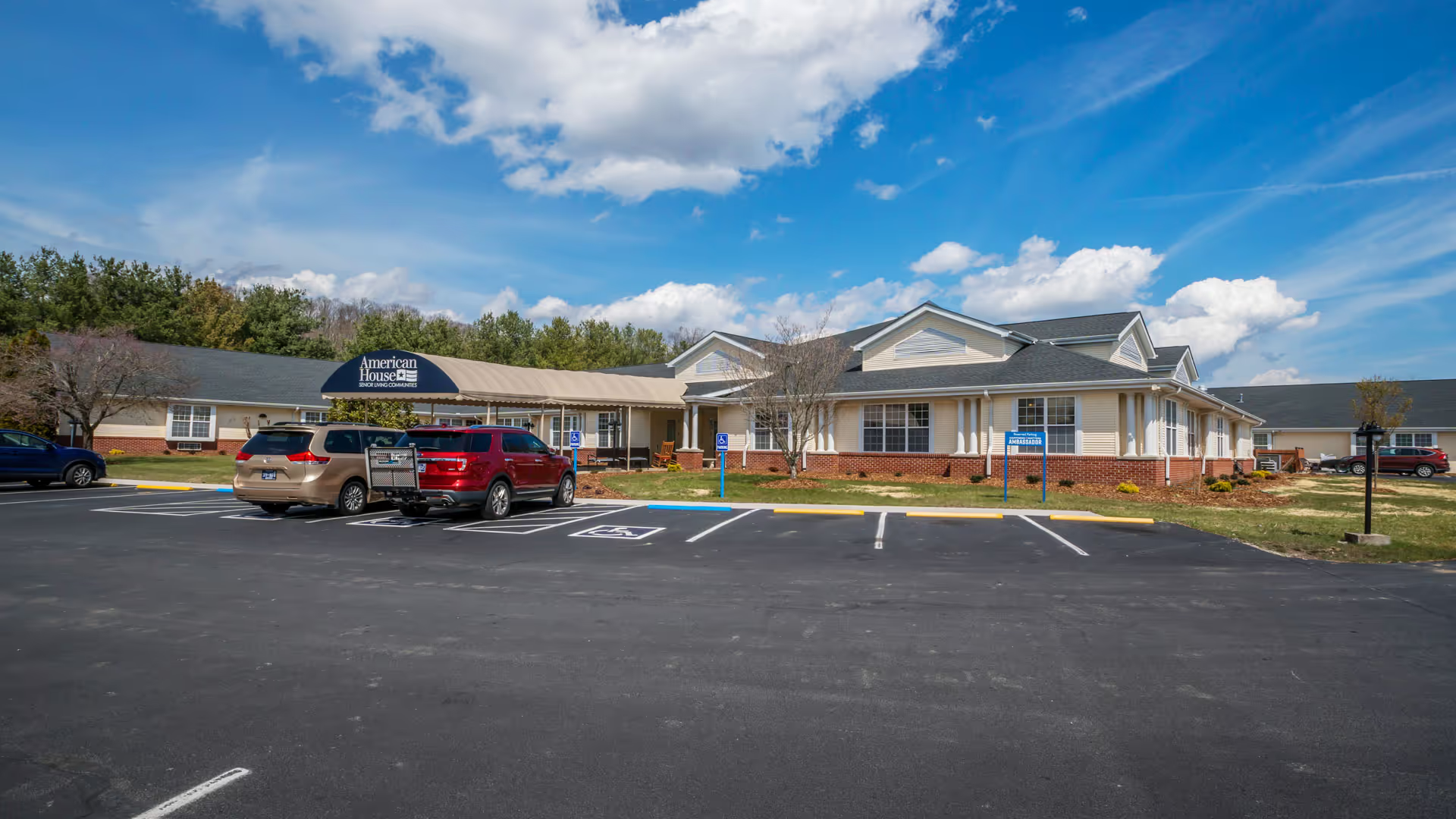
Dominion Senior Living of Bristol is consistently described as a modern, purpose-built memory-care community with a clear dementia focus and an explicitly Christian mission. Reviewers commonly praise the facility’s physical environment — bright, single-level spaces with wide hallways, a secure locked unit, pleasant courtyards, and up-to-date common areas — and describe a small, home‑like resident population. The facility offers a range of on-site amenities, including therapy rooms, an on-site salon, and accessible outdoor areas. Admissions and transition support are frequently characterized as responsive and supportive.
Staff and day-to-day caregiving receive strong positive emphasis across many accounts: staff are described as compassionate, patient, and engaged; families note attentive aides and nursing shifts, respectful treatment, and a family-like culture. Programming is robust for a memory-care community: reviewers highlight regular activities (arts and crafts, painting classes, live music), outings (local zoo and short trips), and holiday events. Dining is repeatedly cited as a strength — chef-prepared, nutritious meals with accommodating service and good portions — and ancillary services such as laundry and cleaning are often mentioned as functioning well.
Alongside these strengths, several operational concerns recur. Staffing levels are described as a constraint at times, with reviewers noting that short staffing can affect continuity of care and responsiveness. Related clinical concerns include reported gaps in medication-administration processes (including pharmacy coordination), weaknesses in clinical documentation and recordkeeping, and inconsistencies in personal-care and hygiene protocols. A portion of feedback raises serious clinical issues — falls, post‑injury complications, and questions about incident response and family communication — that point to potential gaps in fall‑prevention practices and in the facility’s capacity to manage higher‑acuity medical needs. Reviewers also emphasize that Dominion is not a skilled nursing facility, which may limit its suitability for residents who require intensive medical oversight.
Management and culture are generally viewed positively, with many families praising leadership, mission-driven values, and staff morale. However, some comments indicate variable experiences with admissions and hiring processes, and a few families cited cost or distance as barriers. For prospective residents and families, the overall pattern is of a well-appointed, activity-rich memory-care community with strong relational care; those considering placement should balance the facility’s strengths in environment, food, and compassionate caregiving against reported operational gaps in staffing, medication/pharmacy coordination, clinical documentation, and advanced medical capability. During a tour or intake, suggested areas for focused questions include staffing ratios, medication delivery and pharmacy contracts, fall-prevention protocols, documentation practices, and contingency plans for residents who develop higher-acuity needs.