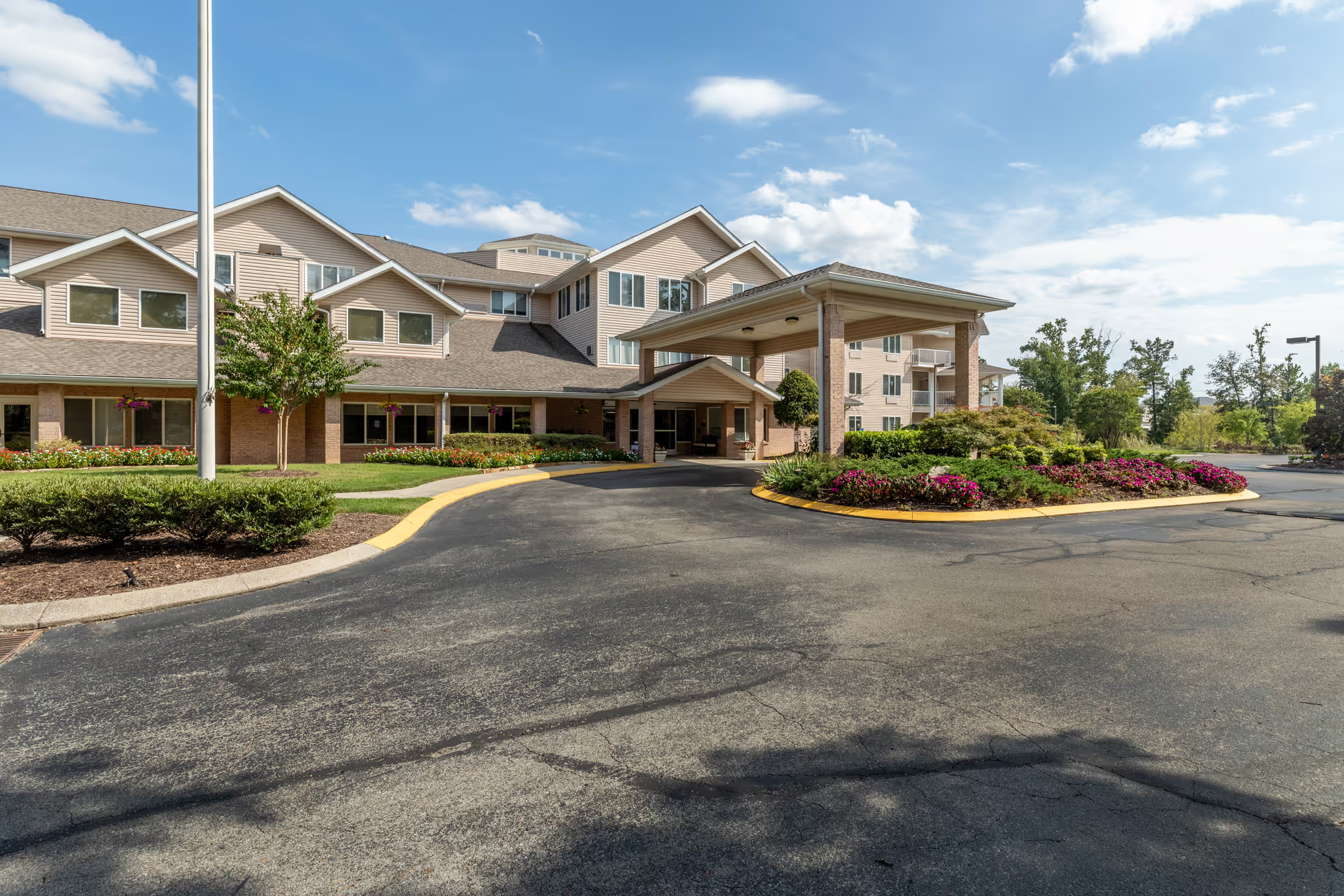
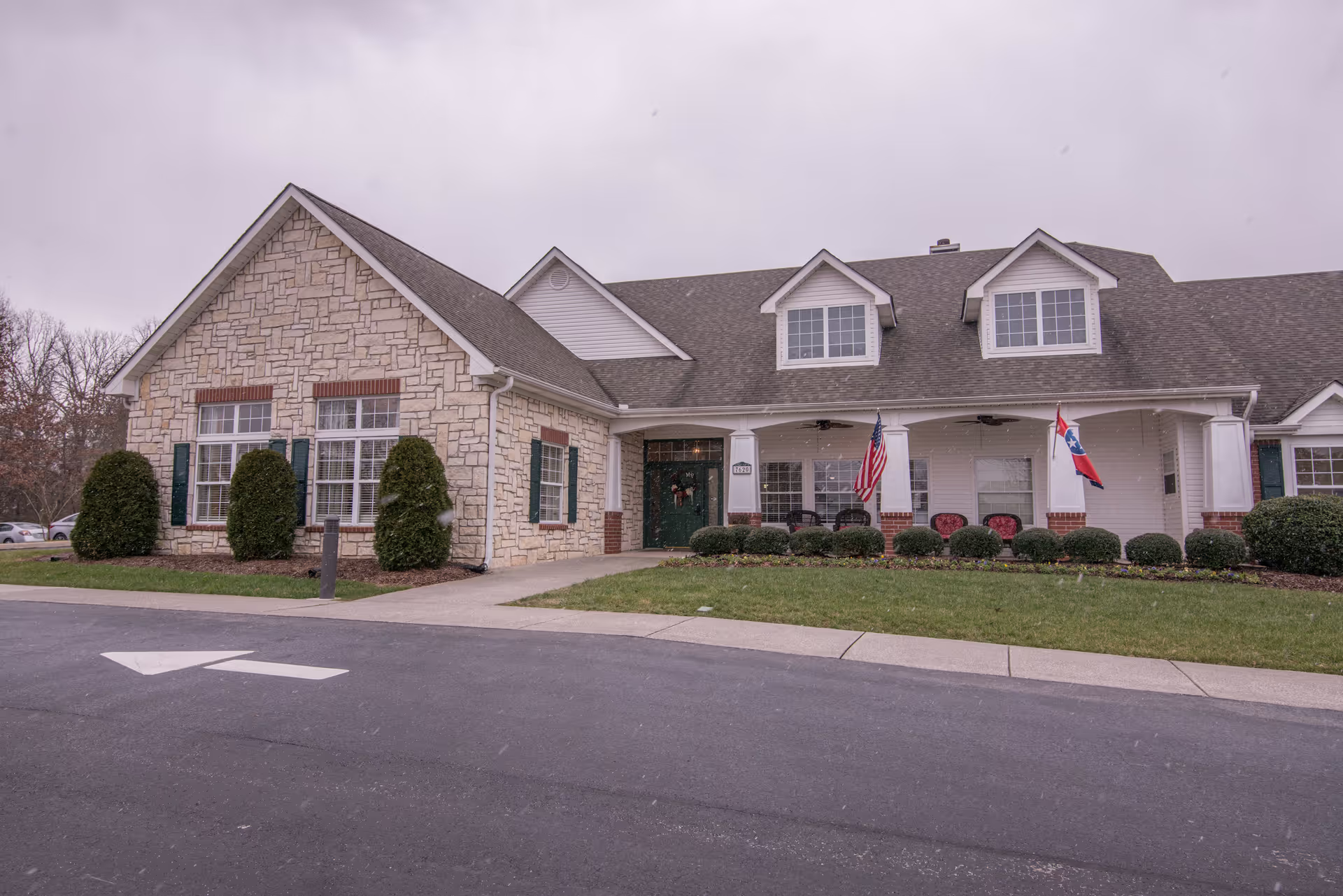
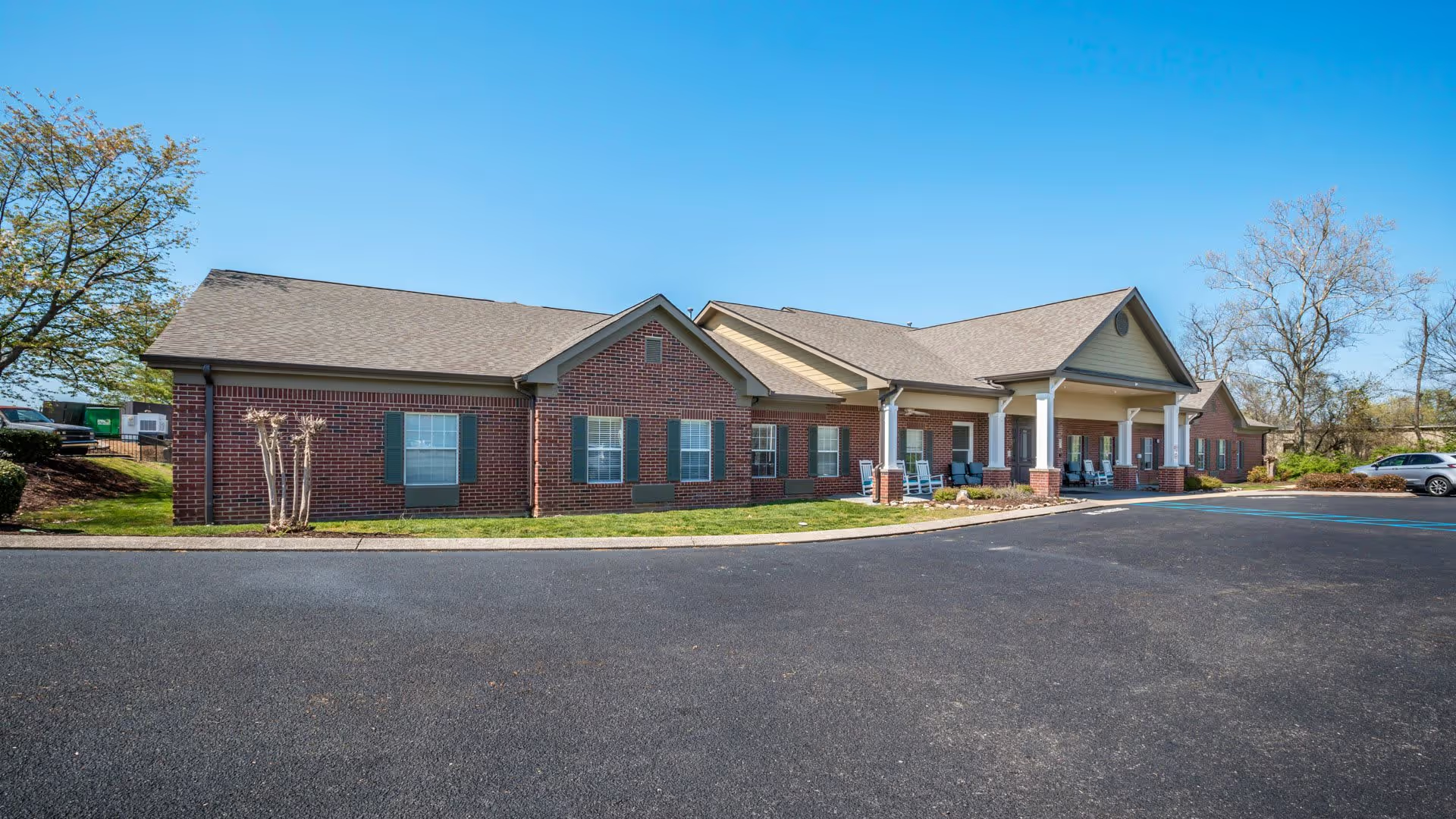
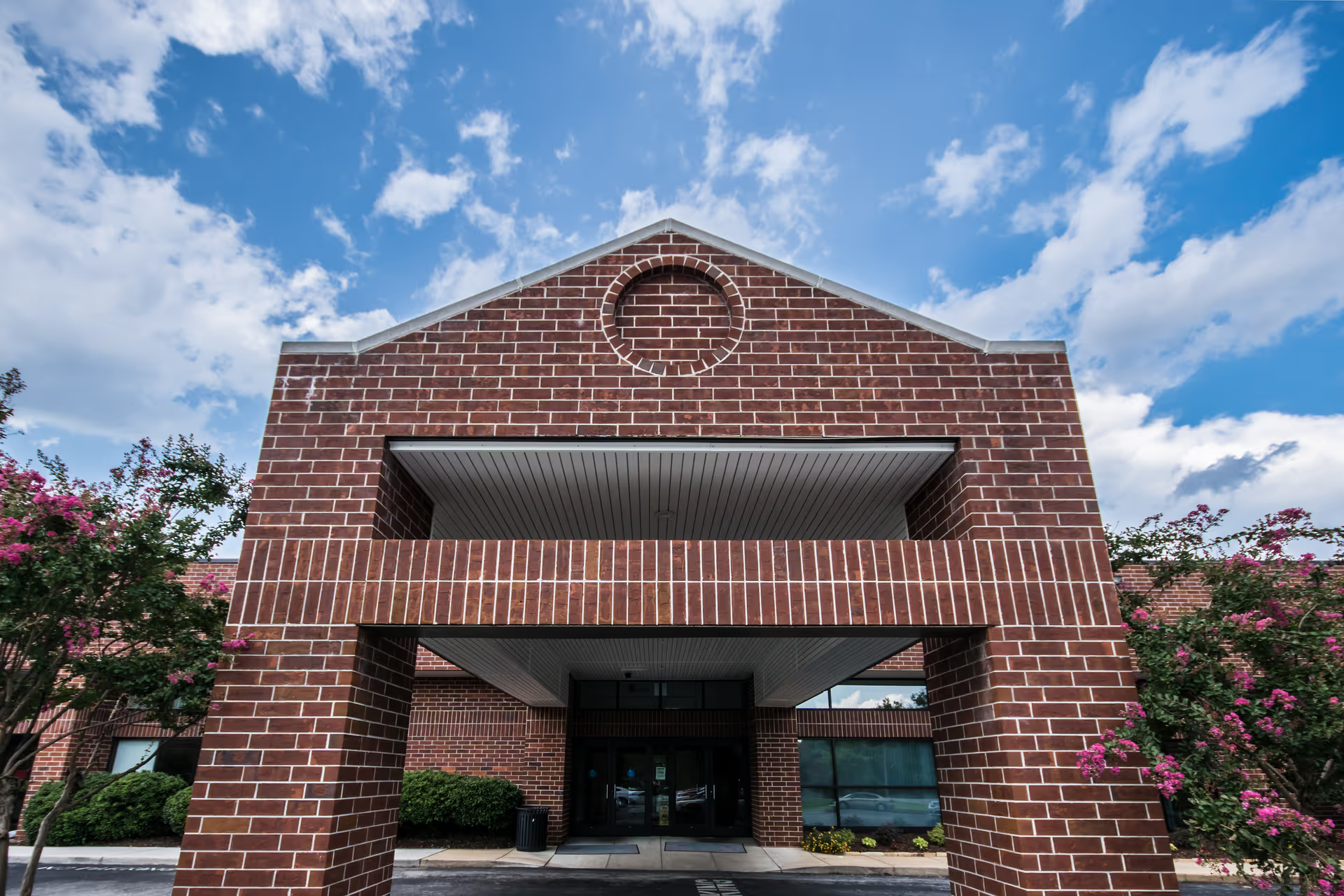
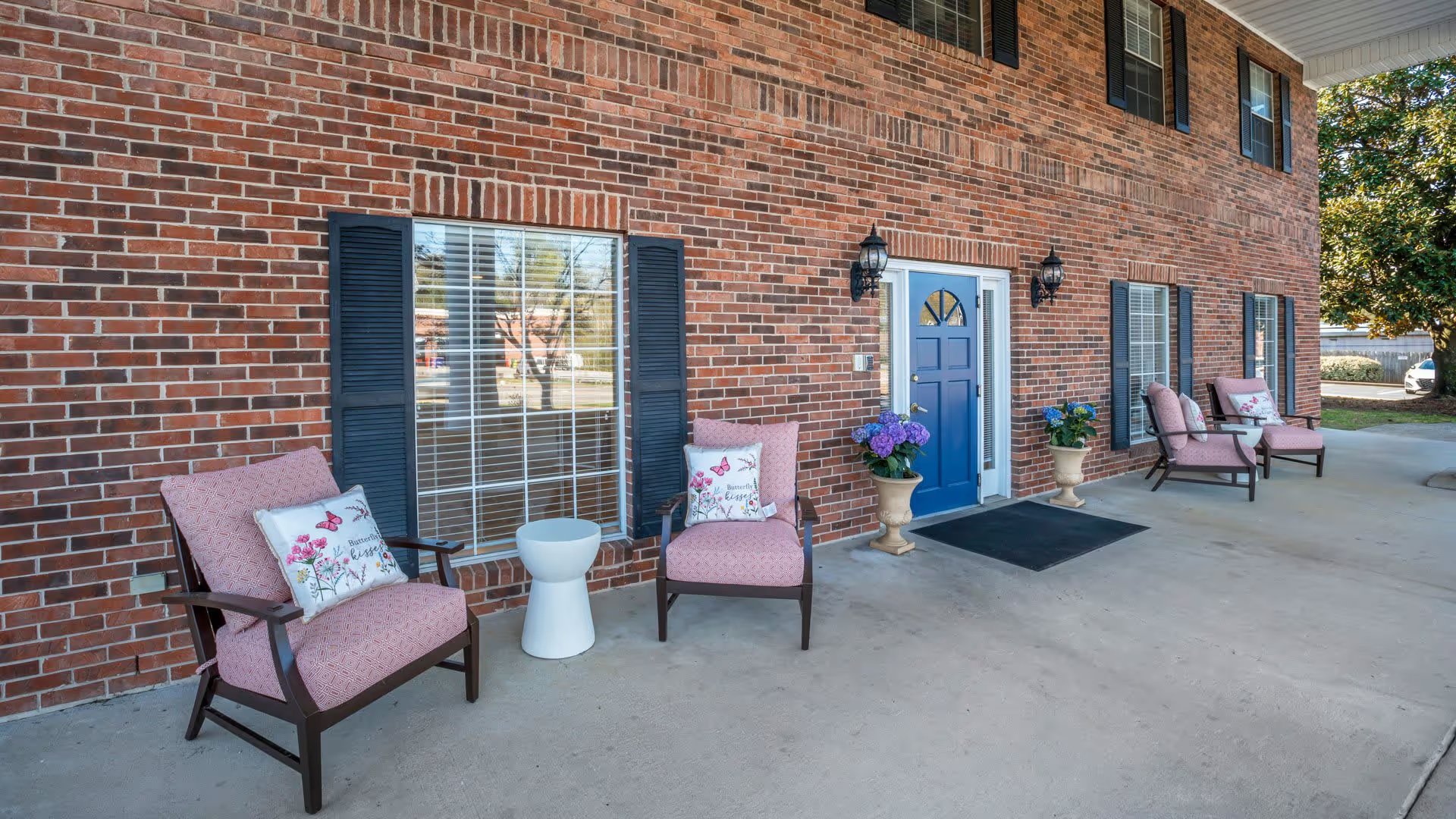
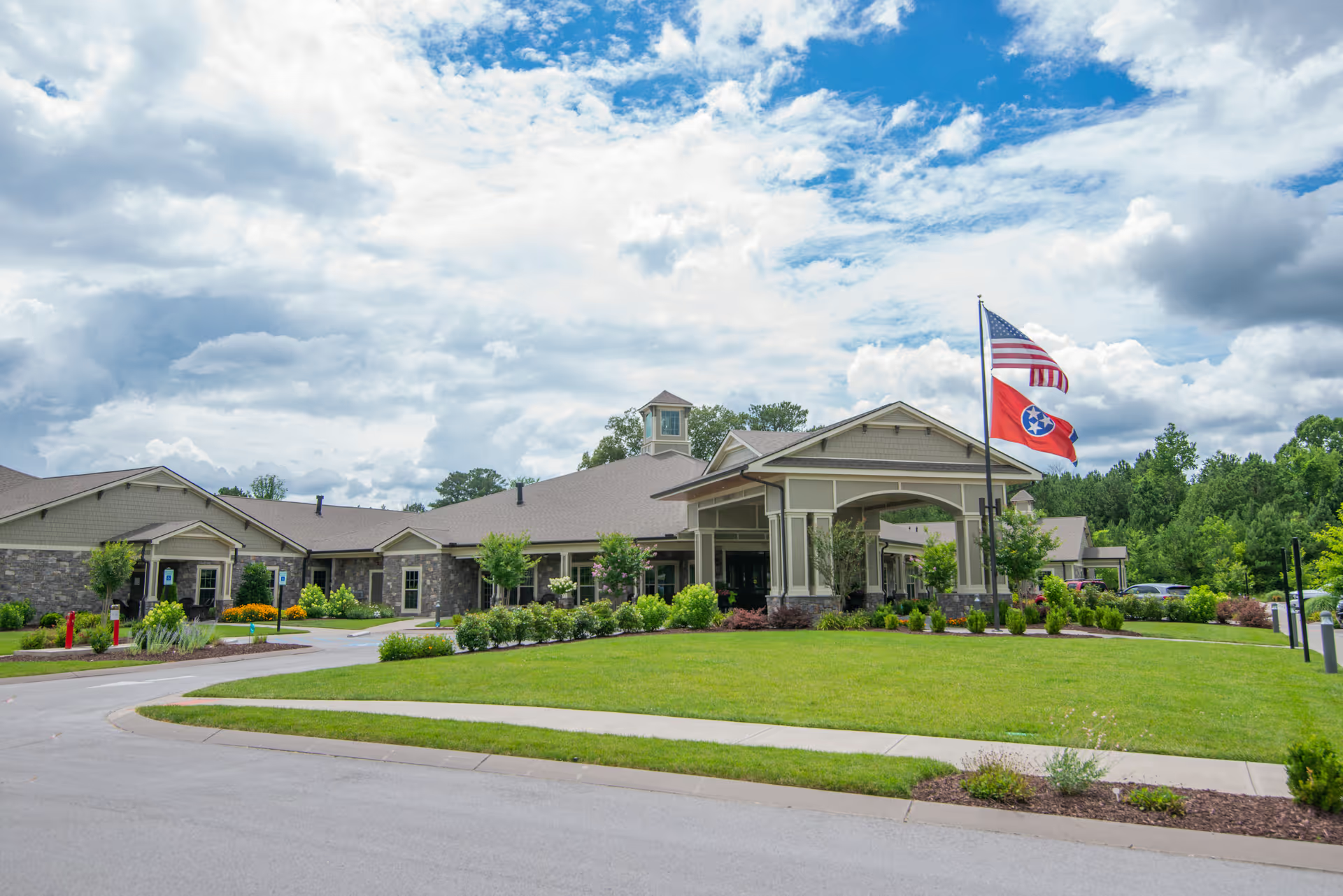
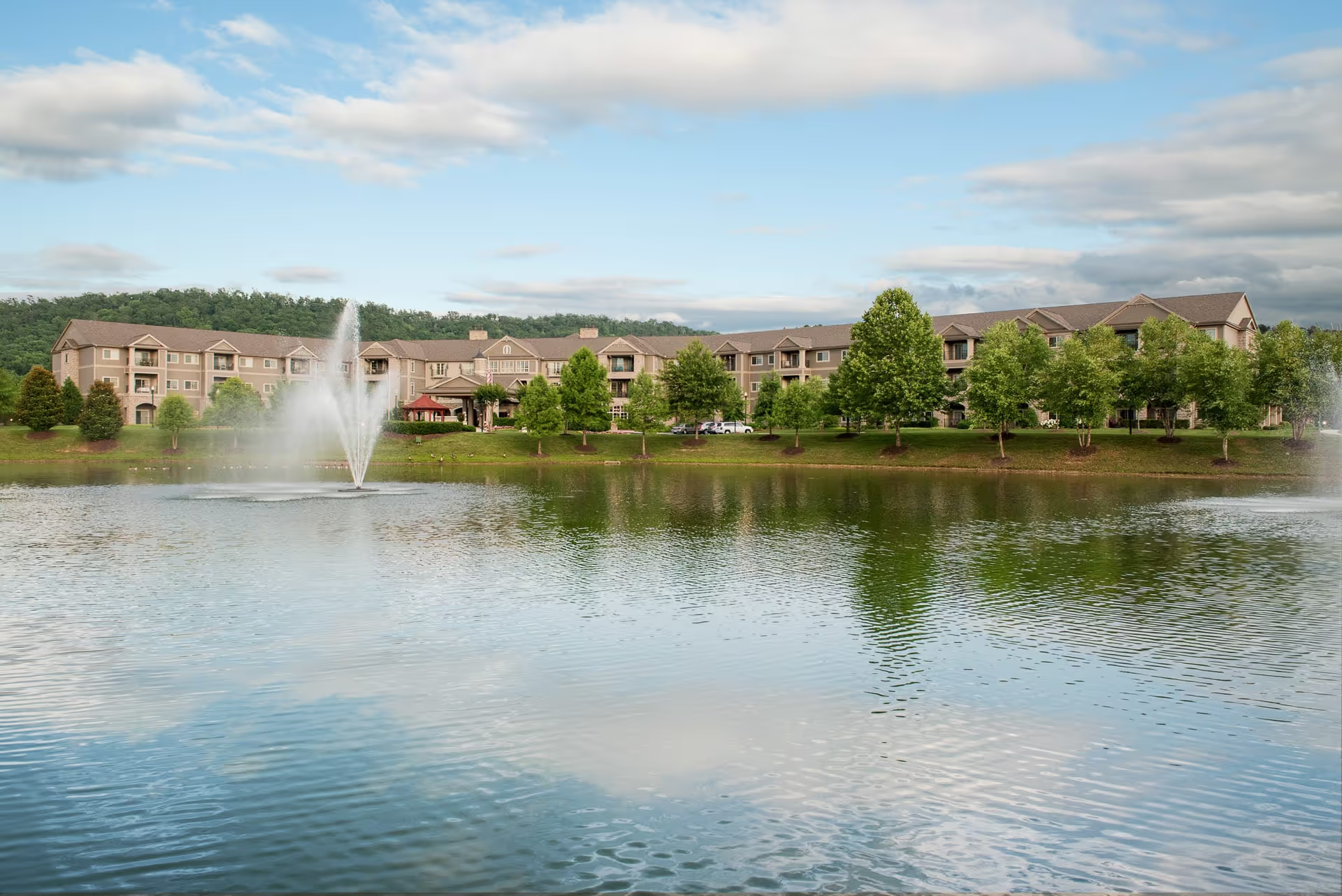
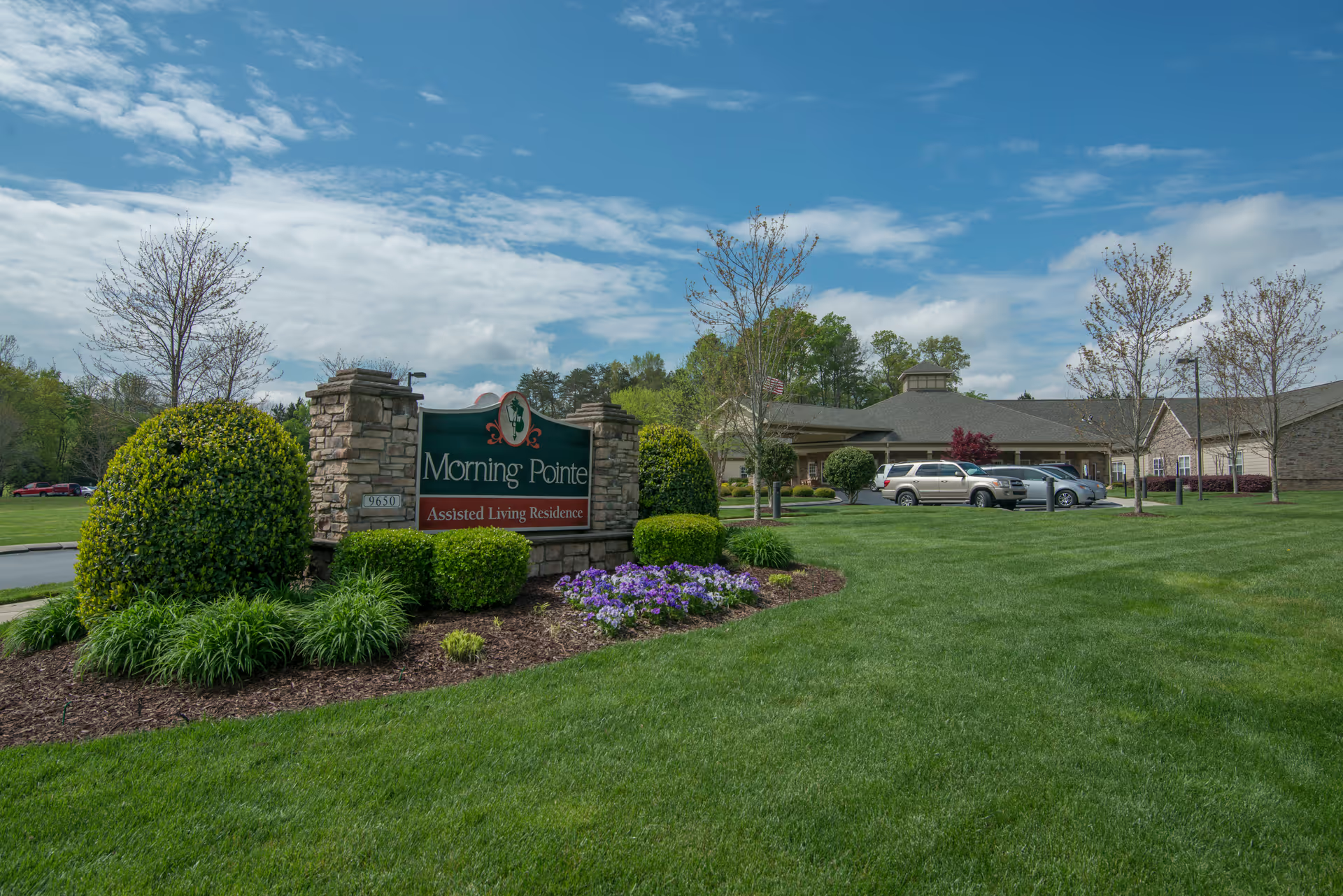
The Lantern at Morning Pointe Alzheimer’s Center of Excellence in Chattanooga is consistently described as a modern, purpose-built memory-care community with many features aimed at dementia care. Reviewers emphasize the facility’s new construction (following tornado damage), accessible design (no steps, color-coded corridors), and attention to environmental supports such as personalized shadow boxes outside rooms, sensory spaces, and a range of amenity areas (hair salon, ice cream parlor, physical therapy, dining room, old-timey kitchen). Many families and staff highlight spacious single-occupancy studio rooms with large bathrooms and generally well-maintained interiors.
Care and staffing receive a mix of strong praise and notable concern. A substantial number of reviewers describe compassionate, communicative caregivers and directors who provide client-centered support, education, and prompt responses during care transitions. Staff members themselves frequently express pride in their work and an engaged team culture, and leadership is described by some as assuring and informative. At the same time, several families reported declines in perceived care quality associated with management changes, and a subset of reviews raised serious concerns about staff conduct and responsiveness. A few reviewers raised allegations of inappropriate care practices; these are not presented as facility-wide conclusions but indicate an area for close inquiry by prospective families.
Dining and activities are generally regarded as strengths. Reviewers often mention good food, active and varied programming, and routine outings that promote engagement. The facility’s memory-focused activity spaces and sensory supports are cited as helpful for residents with cognitive impairment. Overall, activity staff and programming receive positive remarks for keeping residents involved and offering meaningful experiences.
Facility operations and management show mixed signals. The institution’s physical upkeep and the breadth of amenities earn repeated praise, and rebuilding after a tornado is noted as a positive reset. Conversely, recurring themes point to operational weaknesses: communication gaps at the front desk and between staff and families, inconsistent room cleaning and sanitation processes, limited outdoor/therapeutic sun exposure for residents, and concerns about staff morale and employee treatment that can affect continuity of care. Additionally, several reviewers indicated that the community may be a poor fit for residents with very high agitation or specific behavioral needs, suggesting variability in admissions matching or behavior-support resources.
In summary, the Lantern at Morning Pointe presents as a well-appointed, memory-care–focused community with strong environmental supports, active programming, and many caregivers who are viewed as compassionate and engaged. Prospective families should weigh these strengths against reports of variable management practices, communication and sanitation inconsistencies, and occasional concerns about staff conduct and suitability for highly agitated residents. Those considering the community may benefit from asking targeted questions about leadership stability, direct examples of behavior-support plans, outdoor/therapeutic access, cleaning schedules, and how the facility addresses family communication when care issues arise.