The collected reviews for Church Hill Post-Acute and Rehabilitation Center present a strongly mixed picture with recurring themes of exceptional frontline caregiving and rehabilitation counterbalanced by serious safety incidents, inconsistent management, and variable cleanliness and administrative performance.
Care quality and clinical outcomes are among the most frequently praised aspects. Many reviewers report strong, effective physical and occupational therapy programs, rapid progress in rehabilitation, and successful discharges back home. Specific accounts describe residents regaining the ability to walk and return to independent living after stays, and reviewers frequently highlight helpful, encouraging therapists and staff who tailor care plans and support family involvement. Named staff members (for example Rachel, Jennifer, and social worker Holly) receive repeated commendations for dedication and personal attention. The facility is also described by many as having a warm, family-like atmosphere where staff treat residents with respect and affection.
At the same time, multiple serious safety and quality-of-care concerns appear repeatedly and cannot be ignored. There are reports of frequent falls, poor supervision, and inadequate therapy or follow-up after falls. Notable incidents include a resident being dropped from a Hoyer lift that resulted in an ER visit and a knot on the head, a near-fatal episode of sepsis following UTI/pneumonia with alleged poor mouth/feeding tube care, and situations where call lights were left wrapped around beds. These safety lapses often tie back to staffing and supervision concerns: reviewers mention short staffing, slow or unresponsive call systems, and staff taking unscheduled breaks (smoking breaks) that contribute to neglectful outcomes. Several reviewers explicitly state the level of clinical oversight and oral care (particularly for tube-fed patients) was inadequate.
Staff behavior and professionalism show stark contrast across reviews. A large number of comments praise the caregiving team as compassionate, hardworking, and going above and beyond within limited resources. Other reviews detail rude, accusatory, or unprofessional conduct from individual employees, including a nurse accusing a family member of cursing and general reports of inattentive or uncaring staff. This variability suggests uneven hiring, training, supervision, or morale: while some teams and managers are lauded for personal involvement and responsiveness (with administrators who apologize and engage families), other accounts describe management failing to follow through, billing problems (failure to provide itemized bills), and even state-level flags being raised.
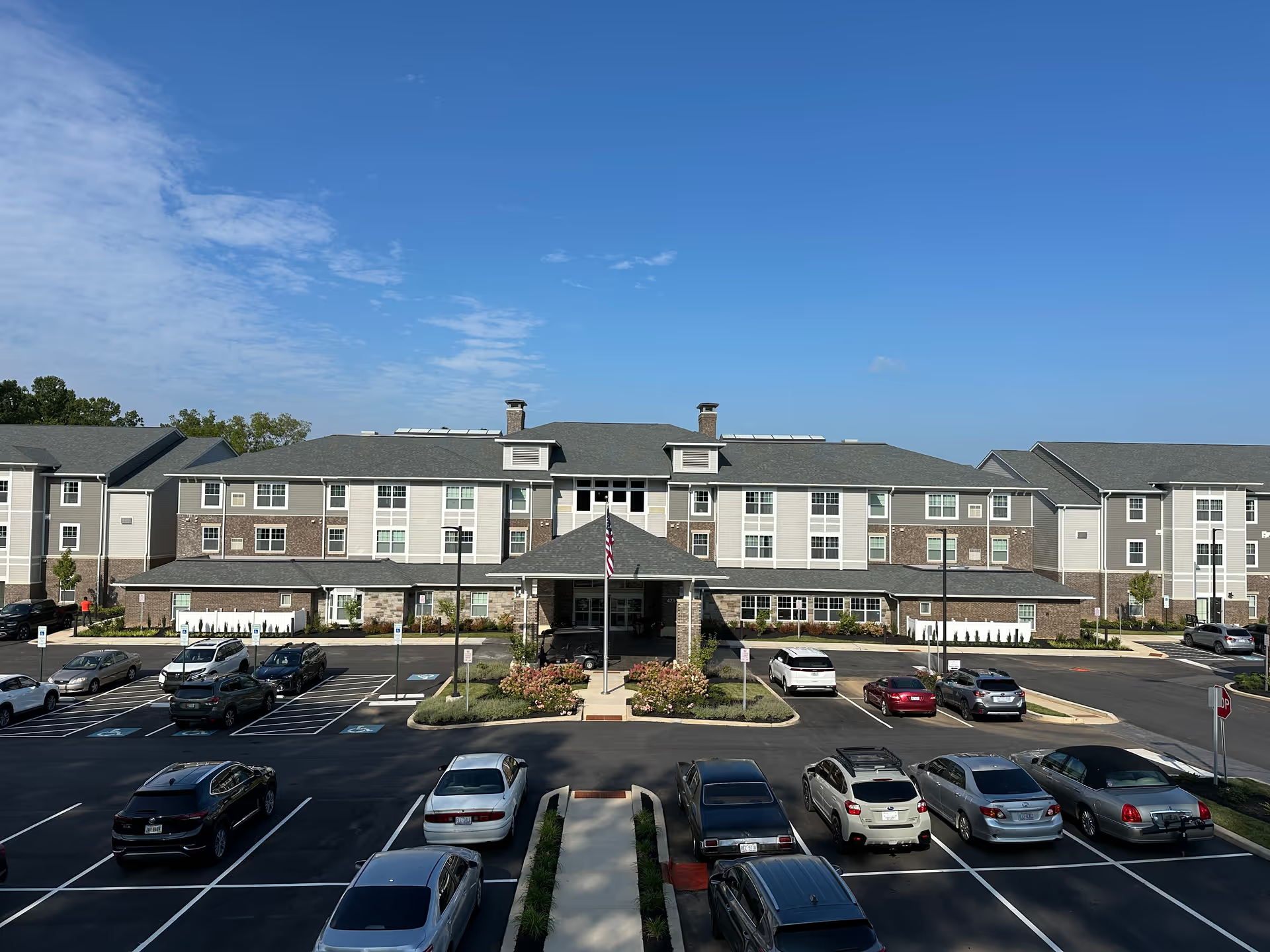
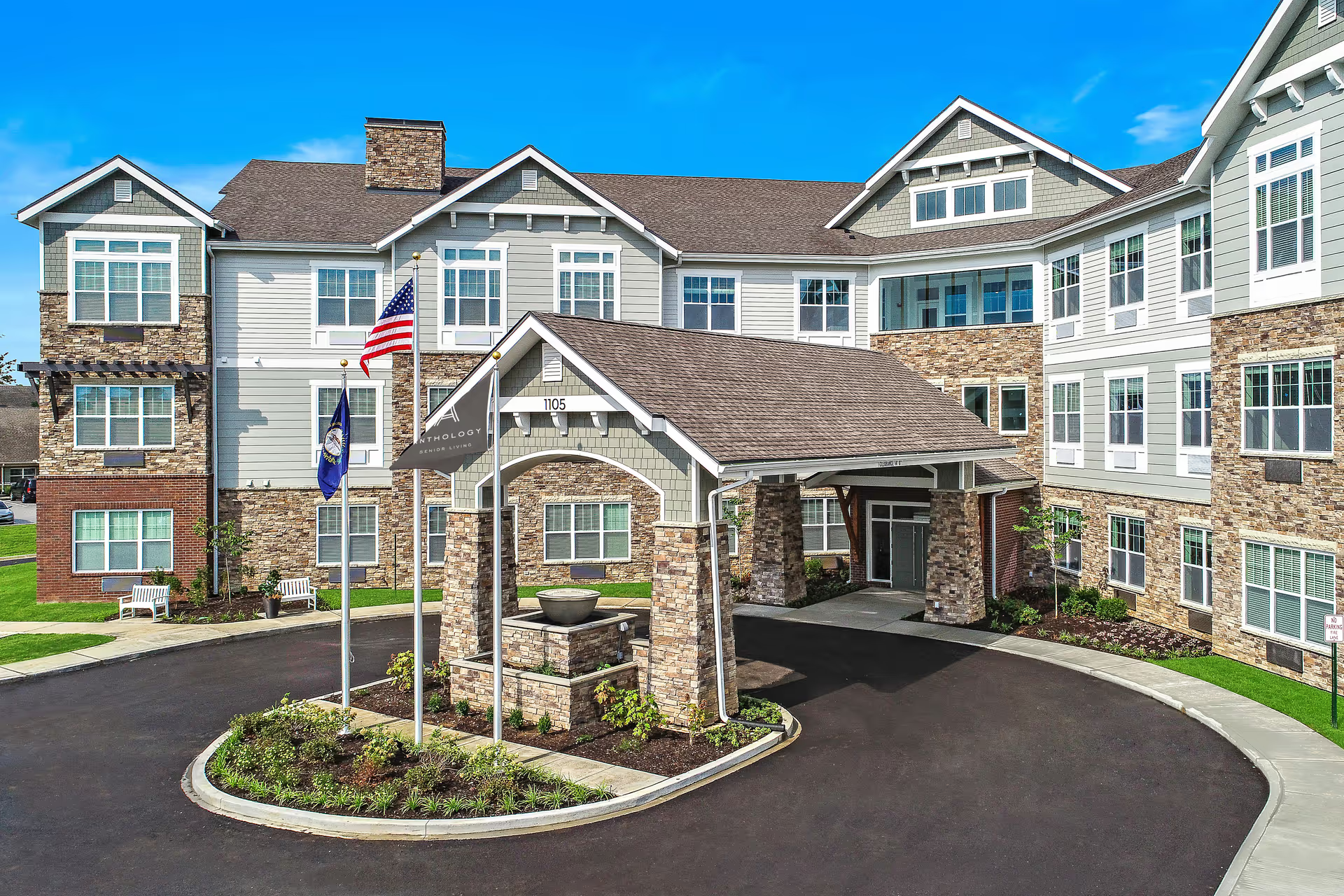
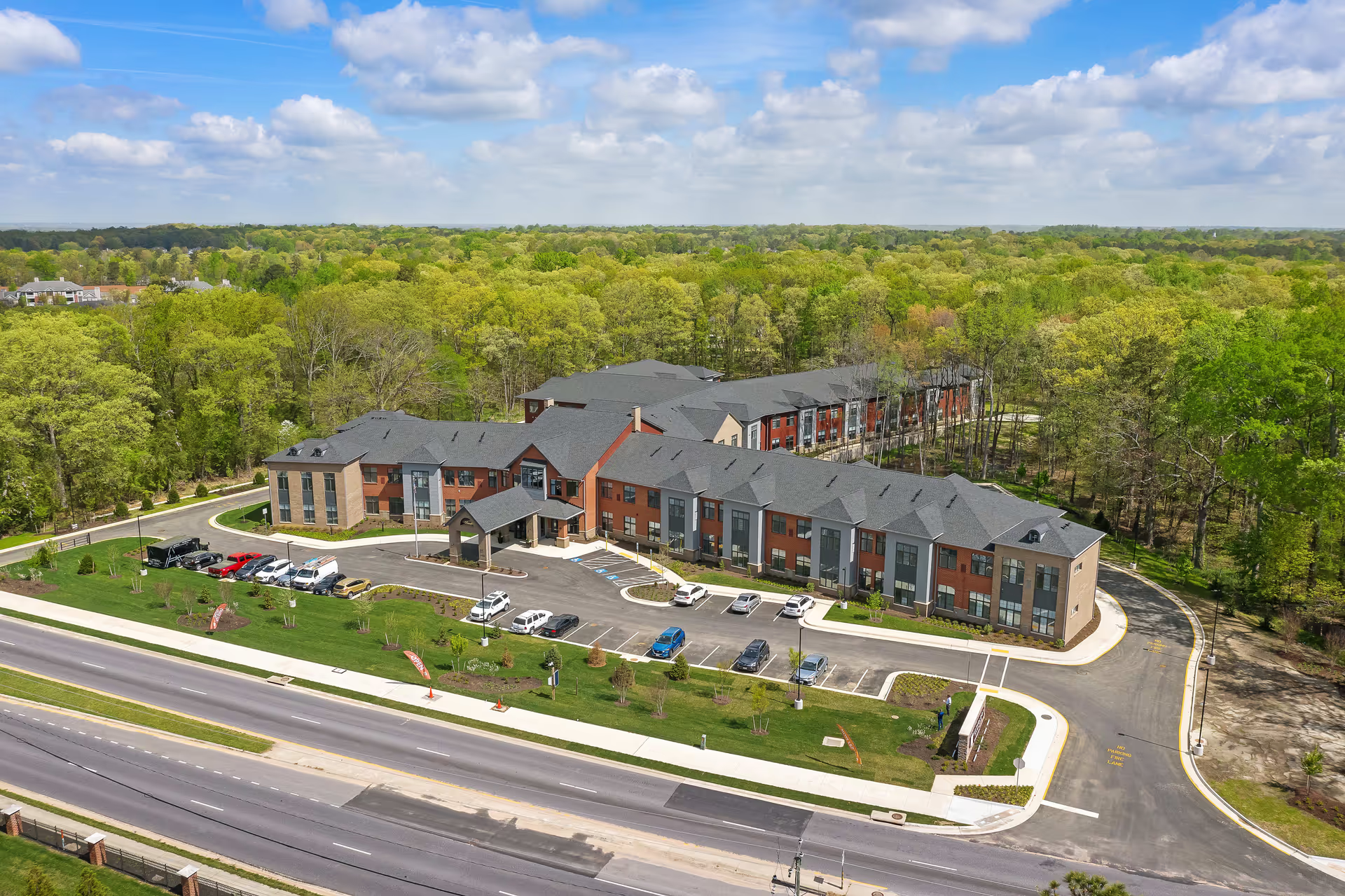
Facility conditions and amenities likewise receive mixed feedback. Many families report clean rooms, daily housekeeping, a pleasant smell, well-maintained buildings, good food (with specific praise for home-cooked meals and cheesecake), and on-site conveniences such as a barber/beauty shop. The activities program is highlighted positively for providing spiritual services, entertainment, and social engagement. Conversely, several reviewers describe filthy conditions, poor overall cleanliness, crowded or small rooms, missing personal items (clothes disappearing), and the need for cosmetic updates. These conflicting observations may reflect differences in unit-level upkeep or variations over time.
Administrative and operational issues are another recurring theme. Positive reports note administrators who engage with families, offer apologies, and take corrective action. Negative reports describe inconsistent follow-through by management, slow or unhelpful responses to concerns, billing disputes, and perceptions that staff are underpaid and underappreciated — which may contribute to turnover and the mixed quality of care. A few reviewers also raised concerns about policies perceived as unwelcoming to particular populations.
Overall sentiment: the facility produces strong, positive outcomes for many residents driven by committed direct-care staff and effective rehabilitation services. However, the reviews collectively document significant and recurring safety, hygiene, staffing, and administrative problems that have led to severe adverse events for some residents. The balance of praise and serious criticism suggests that quality at Church Hill Post-Acute and Rehabilitation Center may be uneven across shifts, units, or staff teams. For prospective residents and families, it would be prudent to: (1) ask about current staffing levels and unit-specific supervision/falls-prevention protocols, (2) inquire how the facility handles lift training, Hoyer transfers, and mouth/tube feeding care, (3) request recent state inspection and corrective-action records, (4) meet direct-care staff and specific managers who will oversee care, and (5) monitor personal-item security and billing transparency. For the facility, priorities should include standardized staff training on safe transfers and oral care, transparent management follow-through on complaints, targeted efforts to address staffing shortages and morale (including compensation/recognition), and a unit-level cleanliness and safety audit to reduce preventable adverse events.