Overall impression: Review summaries indicate a facility with strong caregiver commitment and clinically capable teams alongside operational and administrative inconsistencies. Staff at all levels — nursing assistants, nurses, nurse practitioners, therapy teams, dietary employees and activity staff — are repeatedly described as compassionate, resident-focused, and willing to go beyond basic expectations. Rehabilitation services are highlighted for returning residents to home and improving function, while life-enrichment programming (bingo, concerts, church services, singing and chaplain visits) contributes positively to social engagement and resident mood.
Care quality and staff: Clinical care is frequently characterized as skilled and person-centered. Families repeatedly praise CNAs, nurses, and therapy staff for empathy, individualized attention, and teamwork. At the same time, multiple accounts describe variability in responsiveness (long panic-button or nurse response times in some situations) and occasional clinical-administration issues such as medication-processing errors and documentation gaps. These safety- and process-related concerns appear intermittent but meaningful to families and suggest the need for stronger clinical operations oversight.
Dining and activities: Dining receives mixed but generally positive comments. The cafeteria and some dietary staff are singled out for good meals and pleasant dining spaces; however, other comments note inconsistencies in meal temperature and occasional cold food. Activity programming is a consistent strength — a broad schedule of social, spiritual, and creative offerings and active life-enrichment staff are viewed as enhancing resident quality of life.
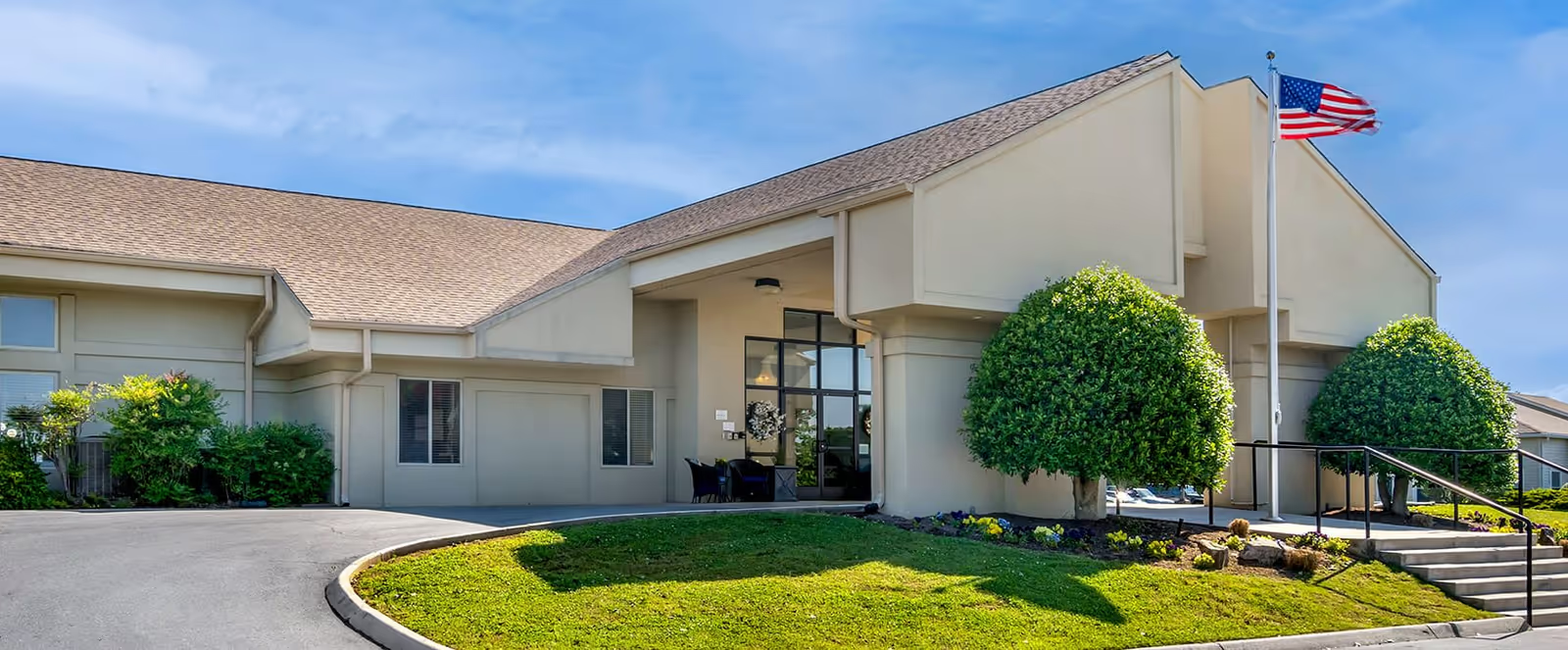
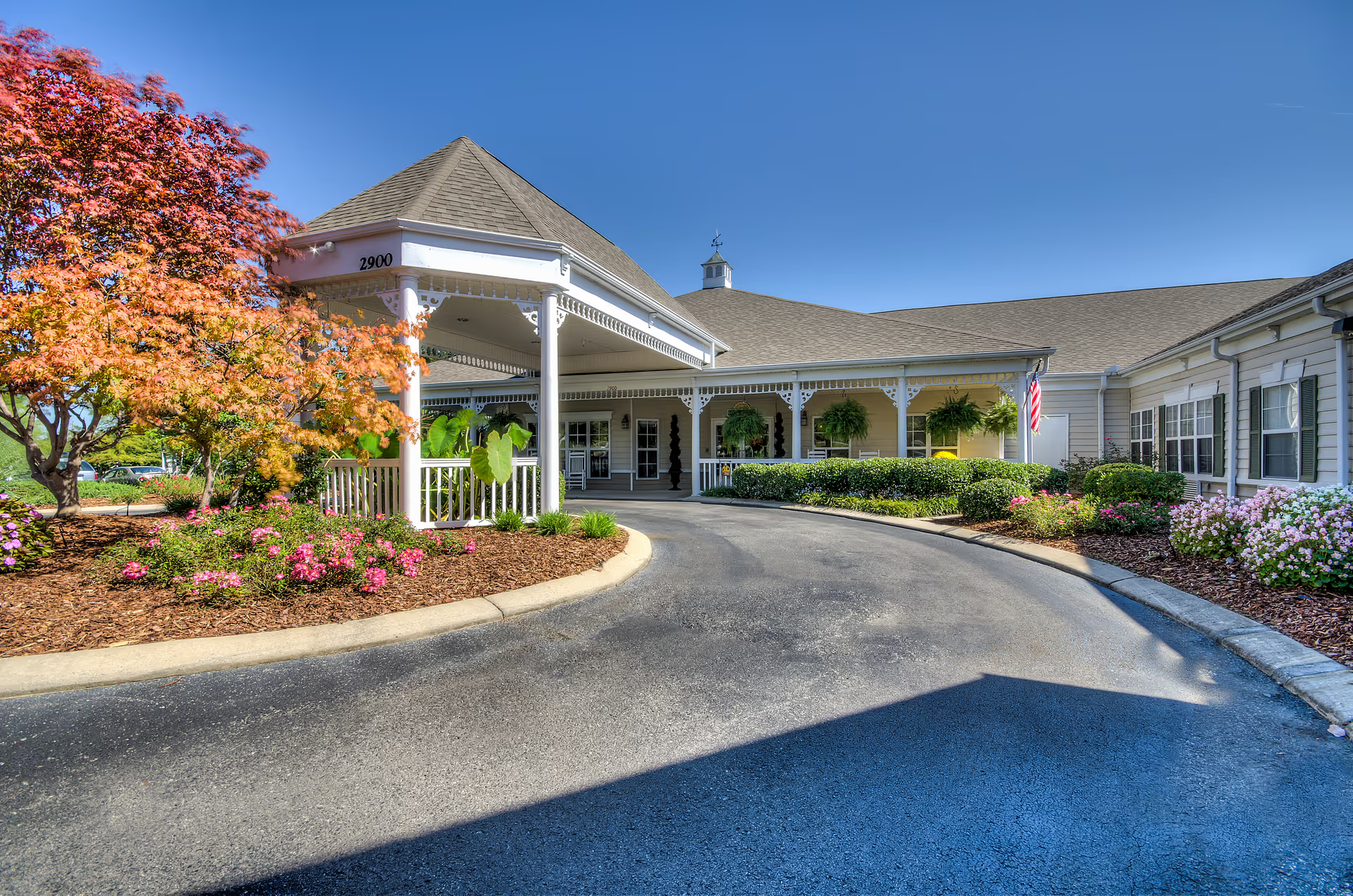
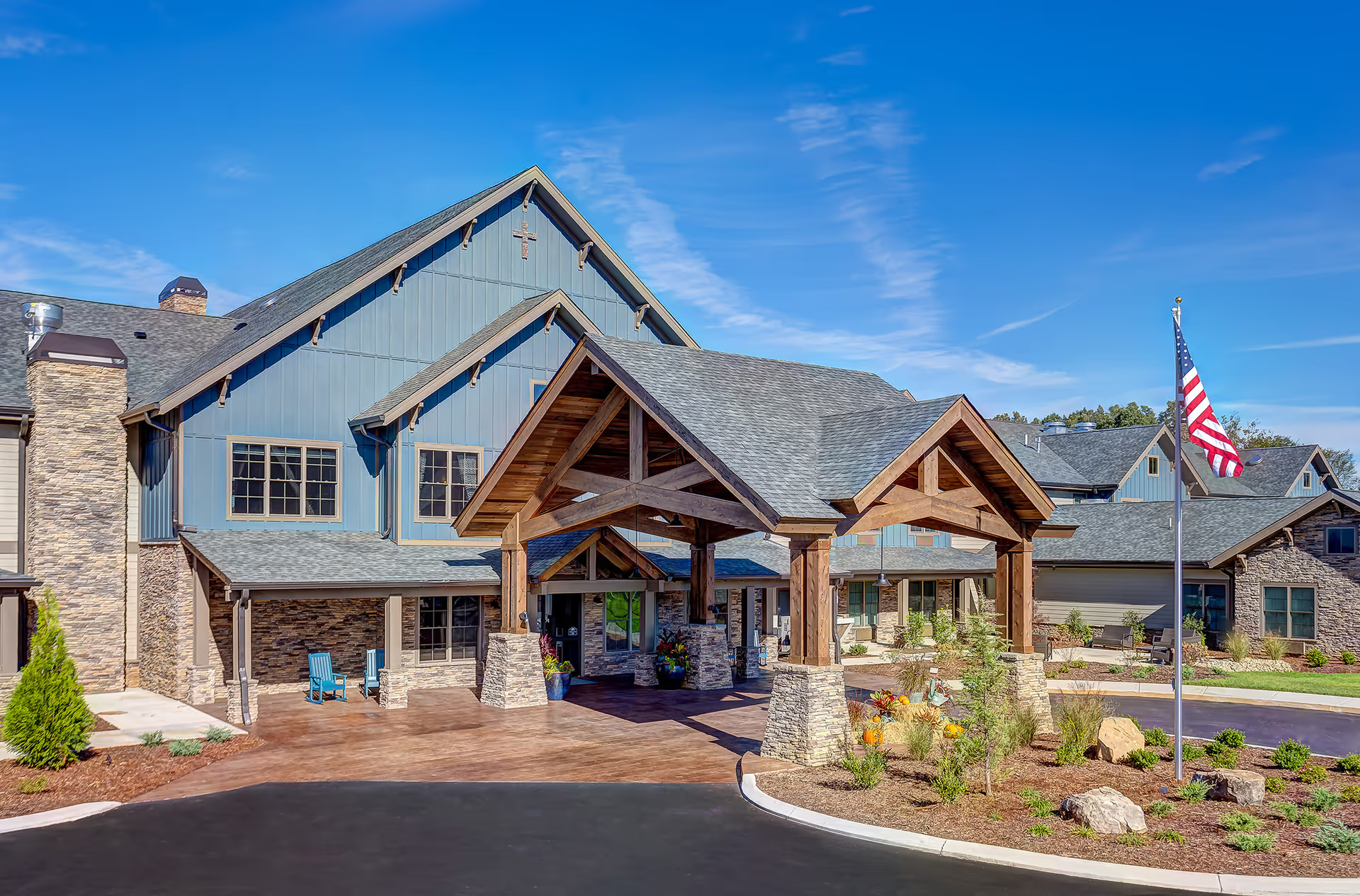
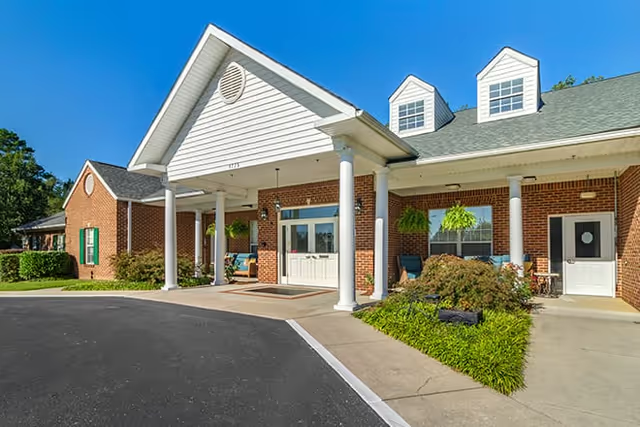
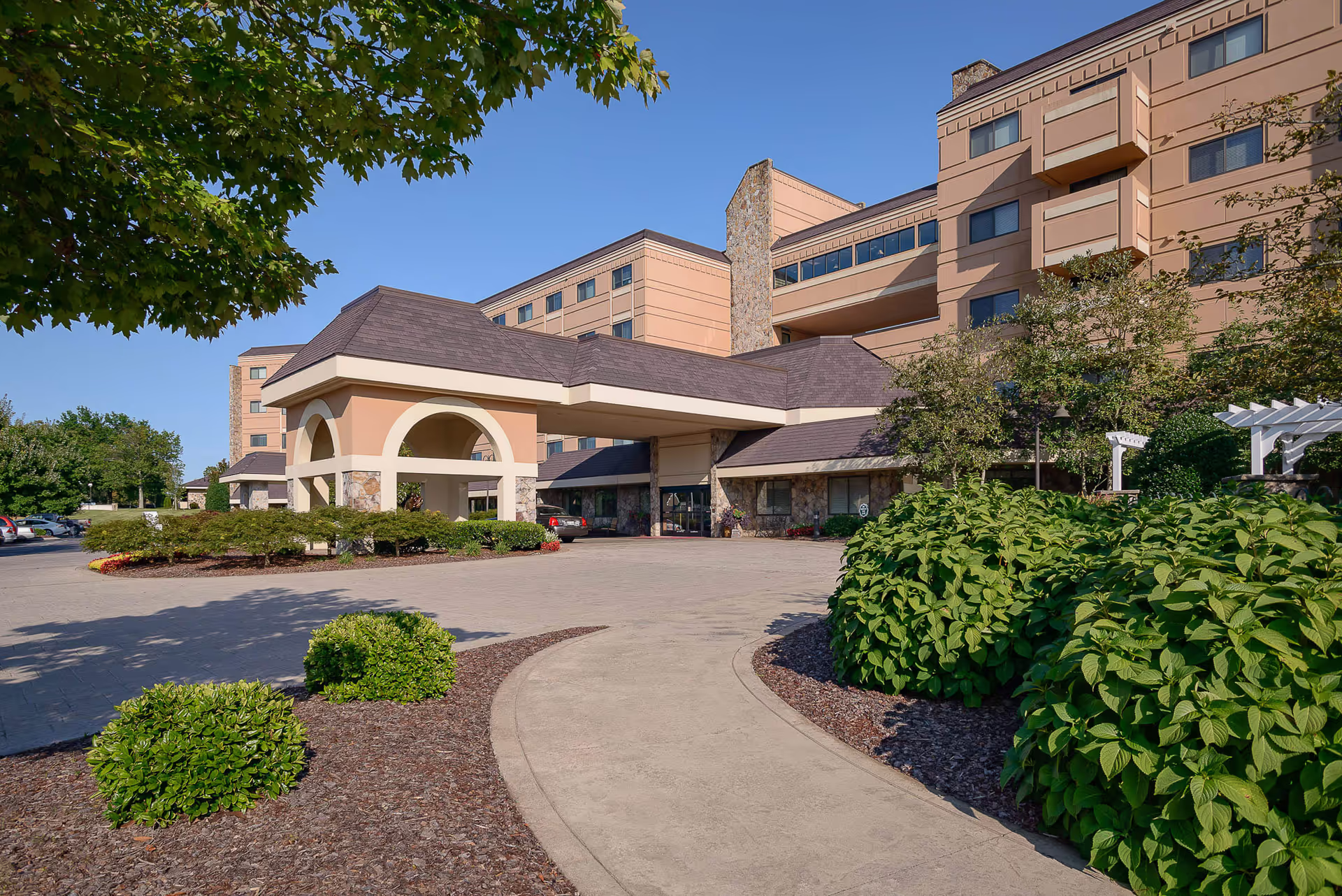
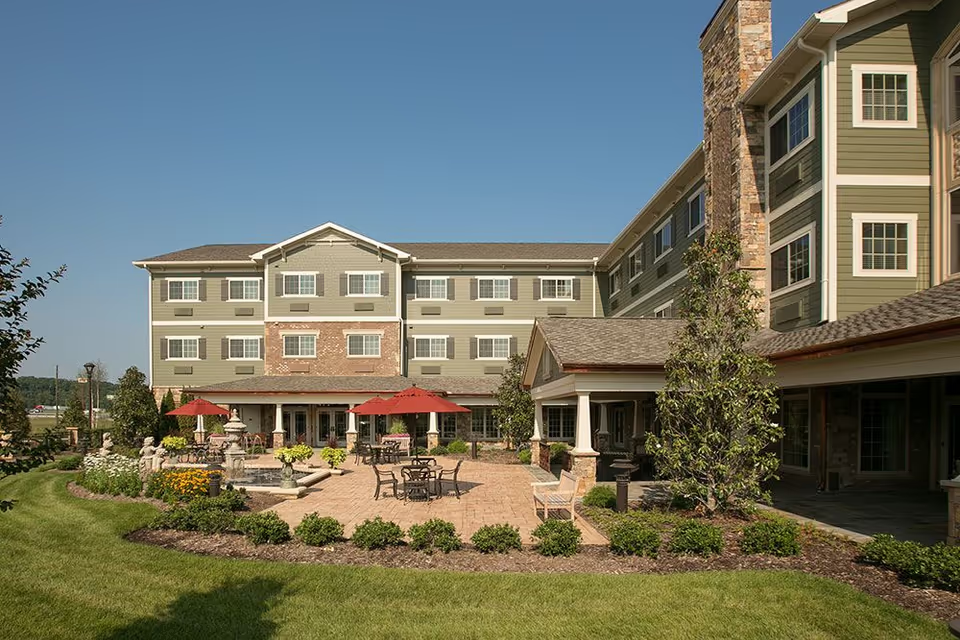
Facilities and accommodations: Cleanliness of common areas is often noted positively, yet there are repeated references to a building that needs maintenance or updating: worn furniture, hard beds, and areas that appear dated. Room configuration is another practical limitation described by families — shared rooms, limited closet and storage space, and small sleeping areas reduce privacy and comfort for some residents.
Management and administration: Leadership and frontline management receive mixed evaluations. Several families commend a visible, caring leadership team and point to turnover improvements and strong staff morale. Conversely, administrative communication and customer-service responsiveness are uneven — examples include delayed callbacks, admissions-process frustrations, and inconsistent handling of insurance-based admission decisions. Visitation policy enforcement and PPE provision are also described as inconsistent and, at times, inflexible; this has influenced family willingness to visit.
Notable patterns and risks: The dominant positive pattern is one of dedicated, compassionate caregiving and effective therapy and activity programming that many families found central to resident well-being. The main operational risks are inconsistent administrative communication, staffing variability that can delay clinical responses, and occasional process failures around medication and documentation. There are also serious, isolated concerns — including allegations of financial misconduct and record inaccuracies and questions that arose after a resident's death — which have affected trust for some families and would warrant targeted investigation by management. Prospective residents and families should weigh the facility's strong interpersonal care culture and rehabilitation outcomes against these operational and administrative variability factors when making placement decisions.