Overall impression The Lantern at Morning Pointe - Collegedale is portrayed across reviews as a small, community-focused memory-care provider with consistent praise for compassionate caregiving, dignity-focused clinical approaches, and active family communication. Families repeatedly describe attentive nursing and caregiving, routine communication updates, and a climate where residents are treated with respect and familiarity. The facility’s smaller scale is associated with a homelike atmosphere and frequent one-on-one interactions.
Care and staff Care quality is a prominent strength in the reviews. Nursing and caregiving teams are characterized as professional, patient, and skilled in dementia-specific approaches; reviewers frequently note individualized attention, tender interactions, and sensitivity to residents’ preferences and histories. The activities director and volunteer base are highlighted as energetic and committed, and the facility’s use of community groups and family nights supports social engagement. While the majority of comments emphasize high staff engagement and teamwork, a limited number of critical remarks referenced workplace dissatisfaction—these appear isolated but suggest it is worthwhile to inquire about current staff turnover and morale during a tour.
Dining Dining is another repeatedly praised area: reviewers describe scratch-made, adaptable meals with variety and nutritious options that accommodate resident needs. The kitchen and dining staff receive frequent commendation for food quality and responsiveness to preferences. There is at least one critical observation about meal timing that indicates potential variability in service schedules; prospective families may wish to confirm typical meal times and continuity of meal service during a visit.
Activities and programming The program of activities is described as broad and purposefully integrated with memory-care goals. Offerings include music, horticulture-related activities, visiting church and singing groups, mental exercises, and multiple weekly activity groups—often tailored to residents’ former hobbies and occupations. Reviewers report that this programming contributes to improved mood, reduced agitation, and sustained engagement for many residents.
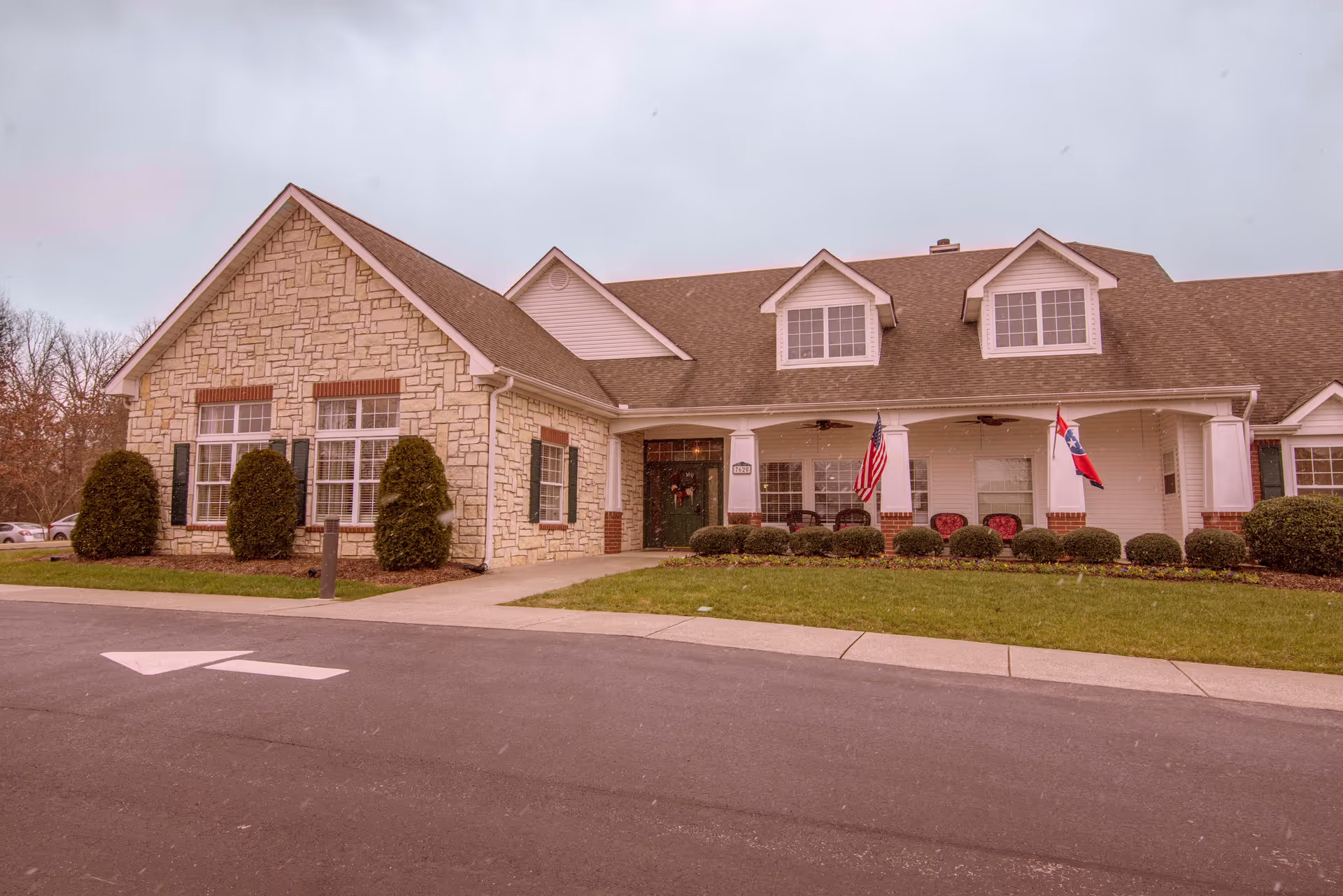
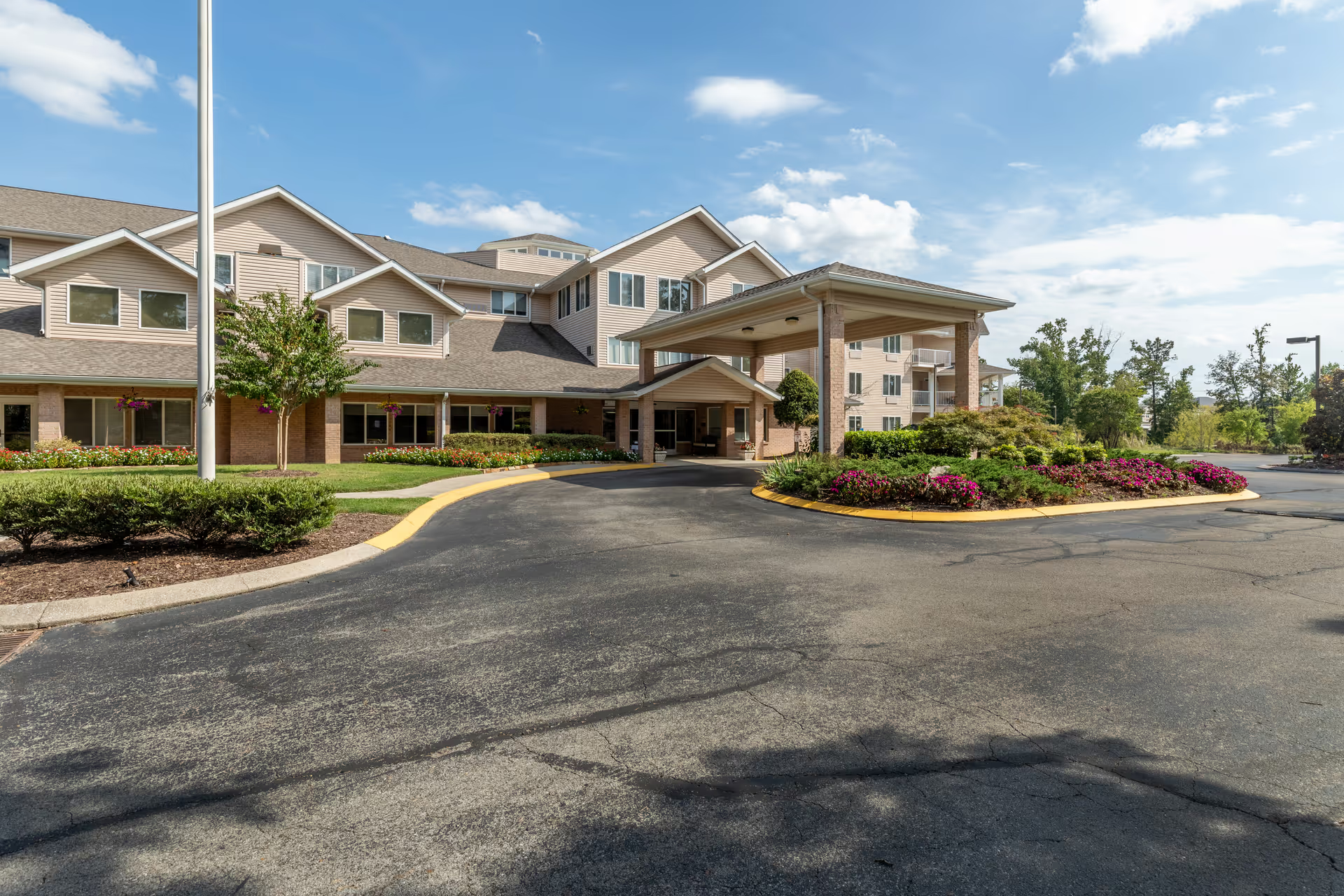
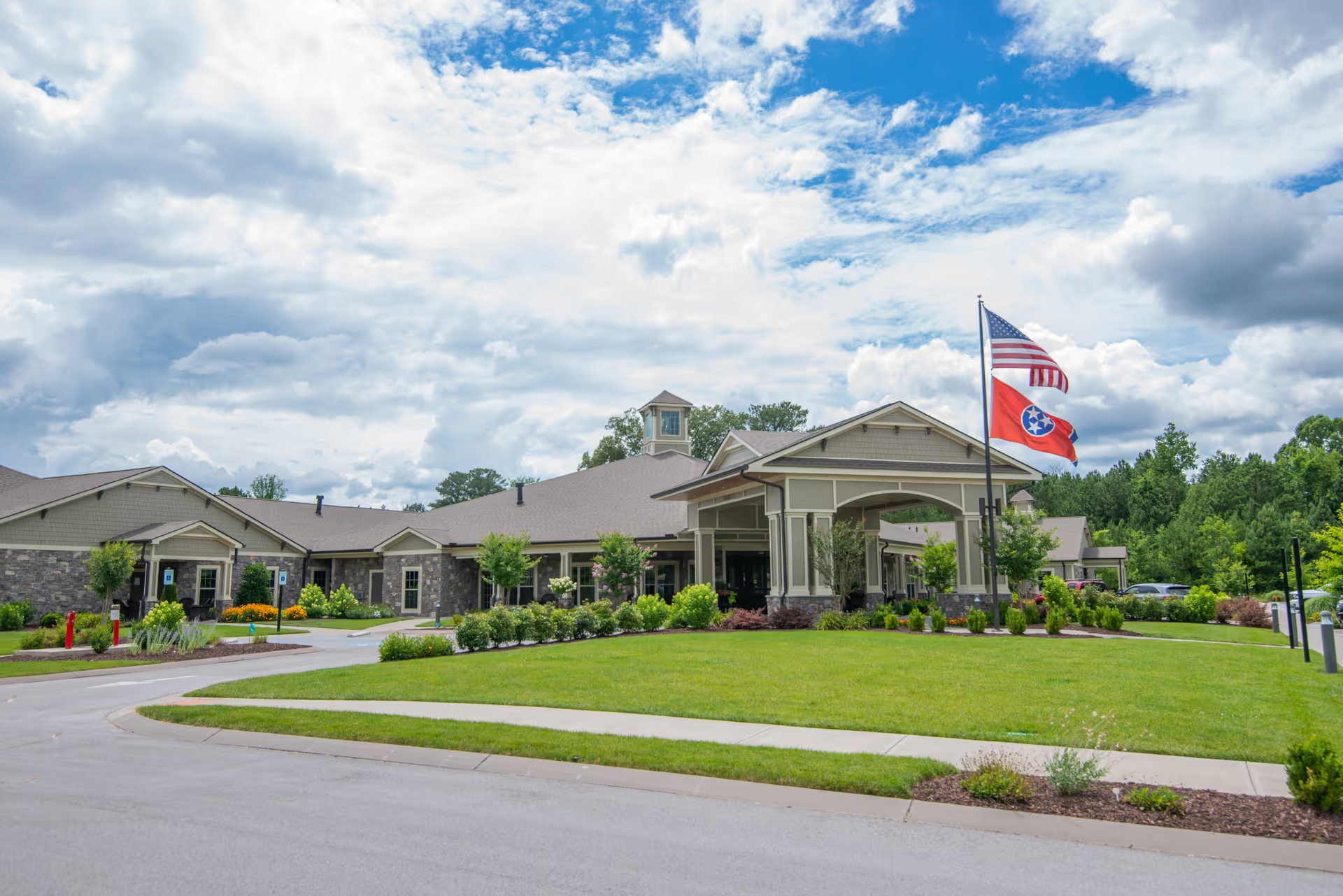
Facilities and operations Physical spaces are described as clean, well-maintained, and comfortable, with a pleasant courtyard and an intimate scale that supports social connection. The primary operational caveats to investigate further are the prevalence of shared rooms that some reviewers find small, and a staffing model that mixes strong full-time coverage with part-time employees; this can introduce variability in assignment continuity. Those operational traits, combined with isolated reports concerning meal-scheduling delays and occasional staff-workplace concerns, are the main contrasts to the otherwise favorable feedback.
Notable patterns and guidance for families The dominant pattern is consistent praise for compassionate, personalized memory-care in a smaller, community-oriented setting with strong dining and activity programs. For families considering this community, recommended follow-ups include: touring shared versus private accommodations to assess room sizes, asking about typical meal schedules and contingency plans for service continuity, inquiring about staffing ratios and the mix of full- and part-time personnel, and requesting recent examples of staff retention and training. These checks will help confirm that the operational details align with the broadly positive experiences described by many families.