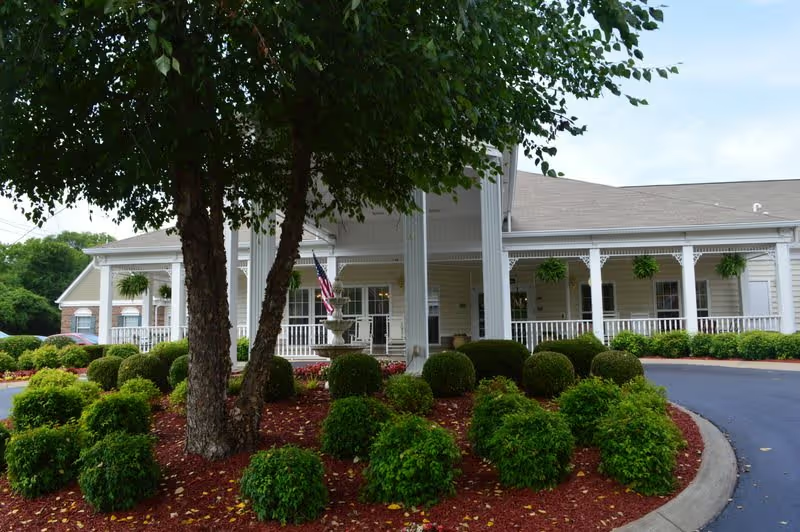
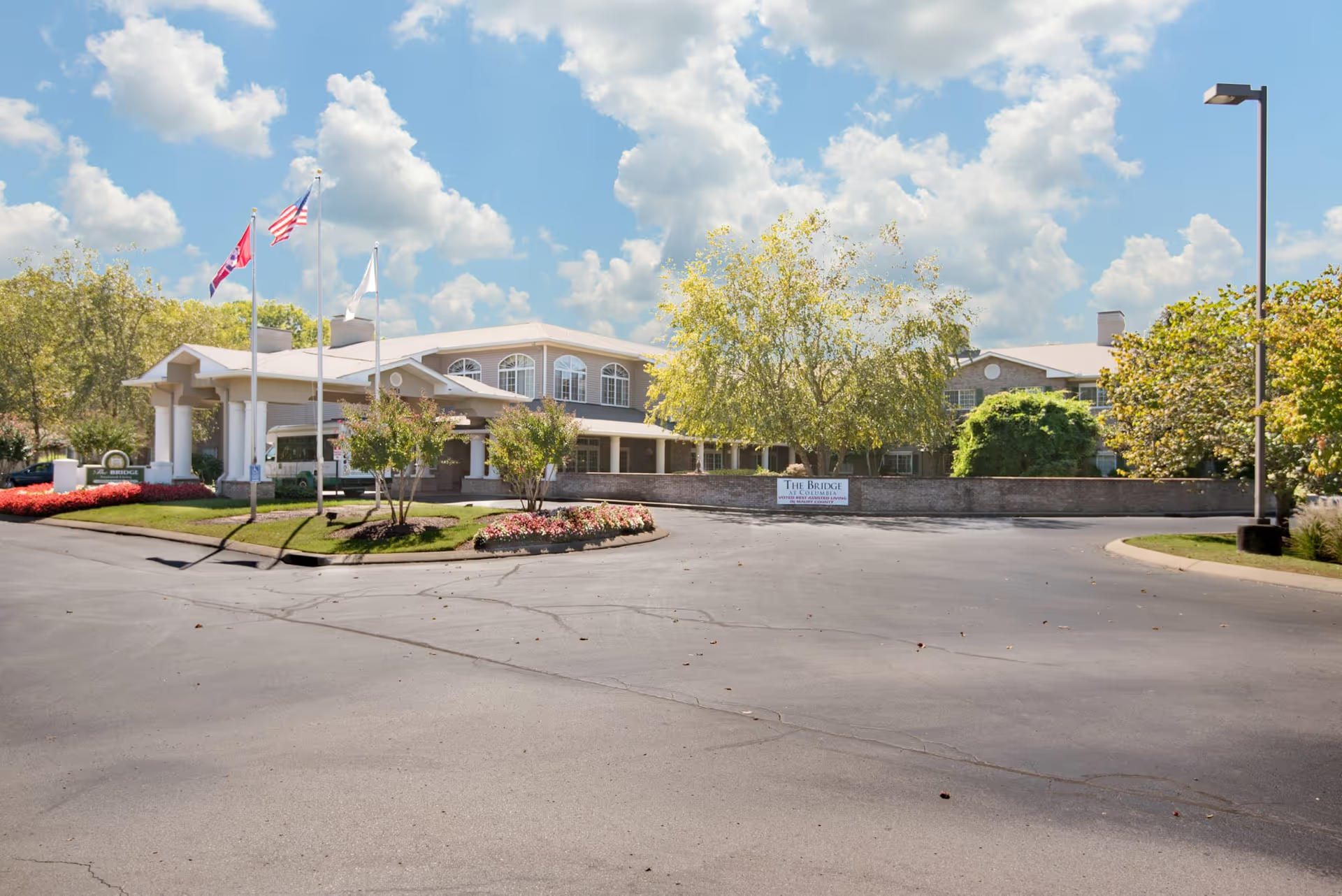
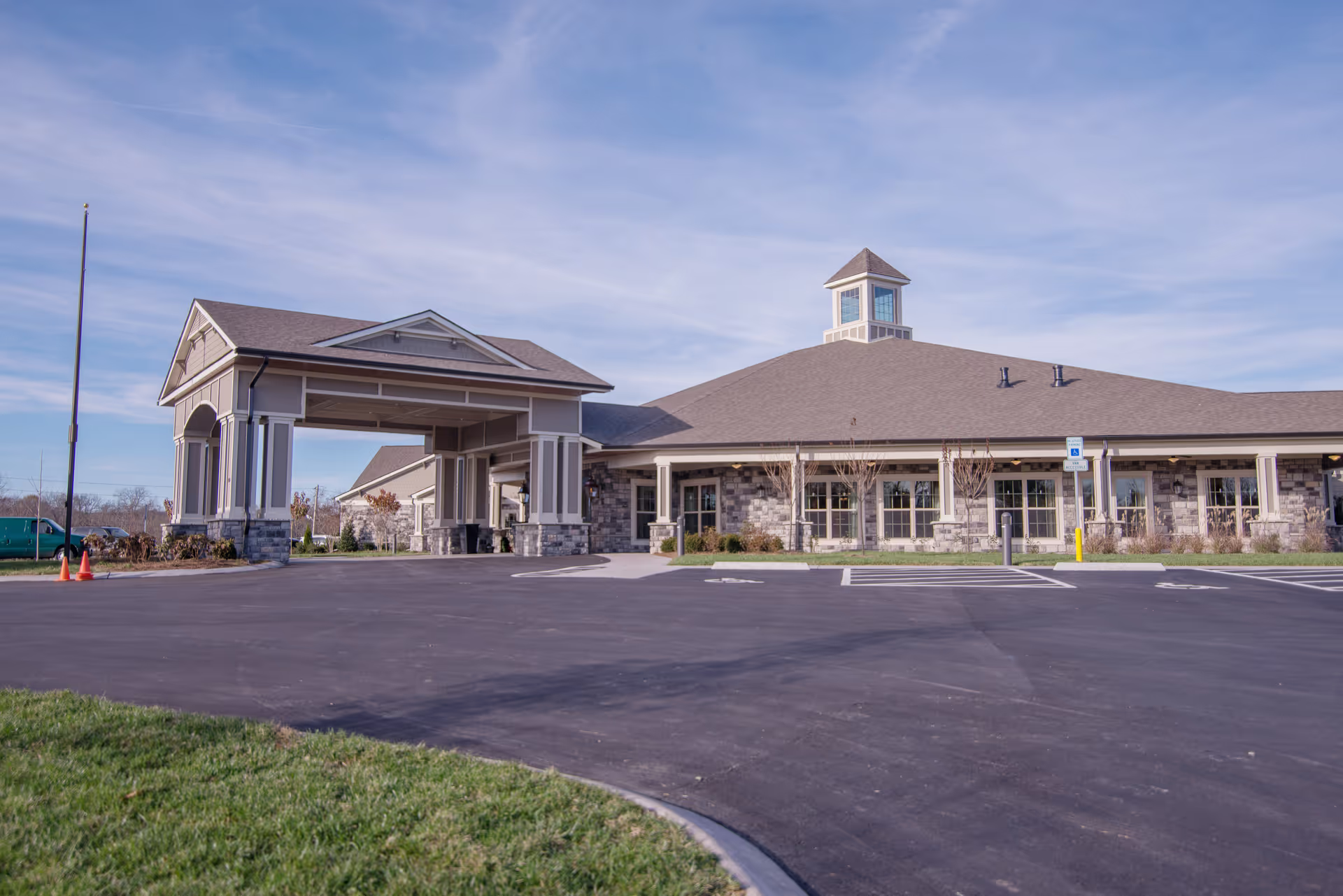
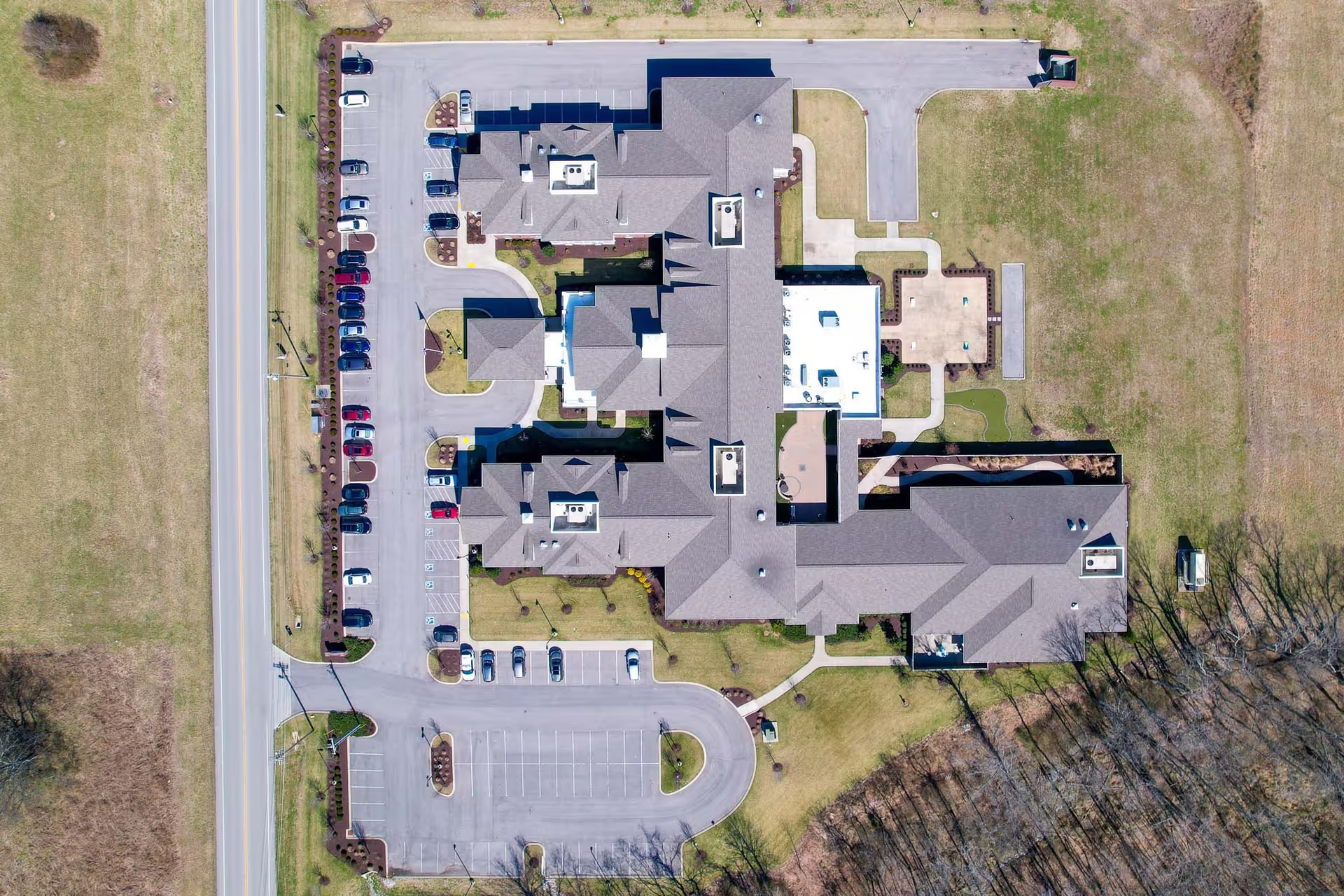
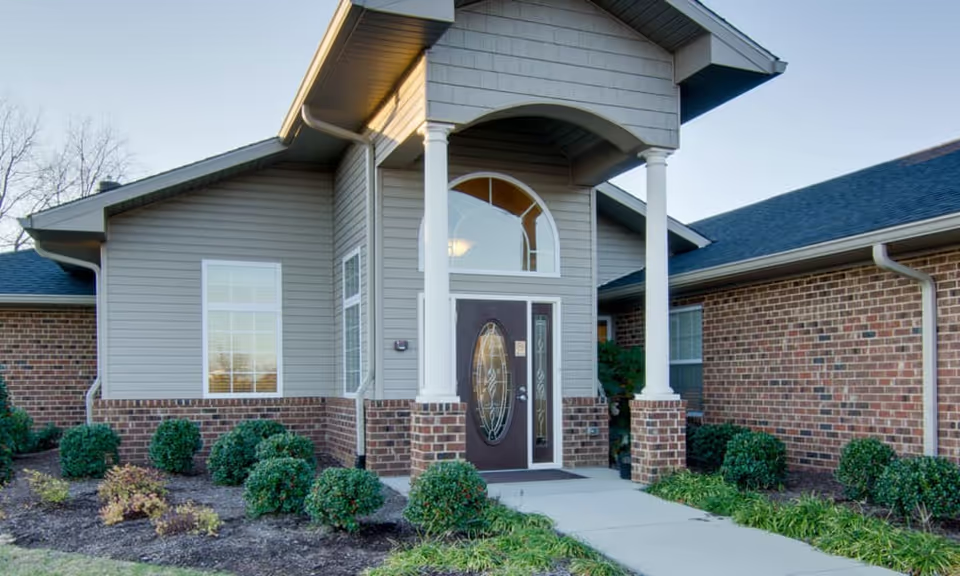
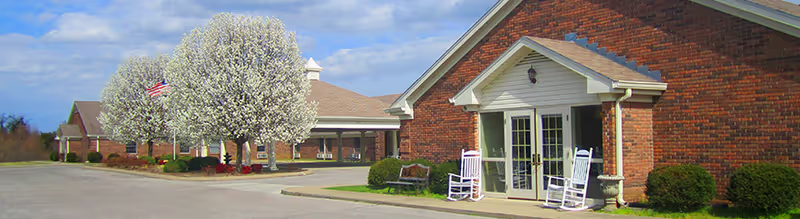
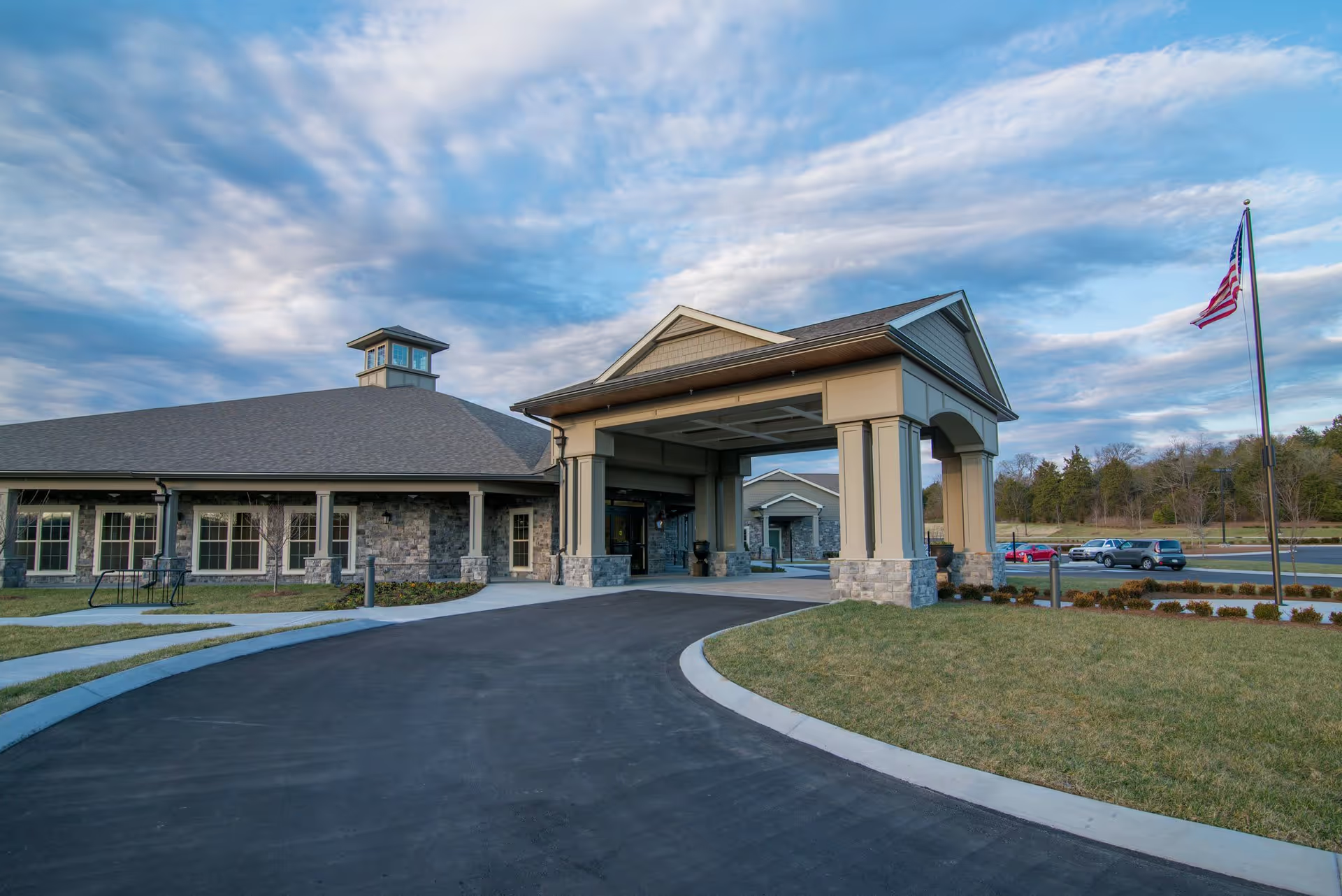
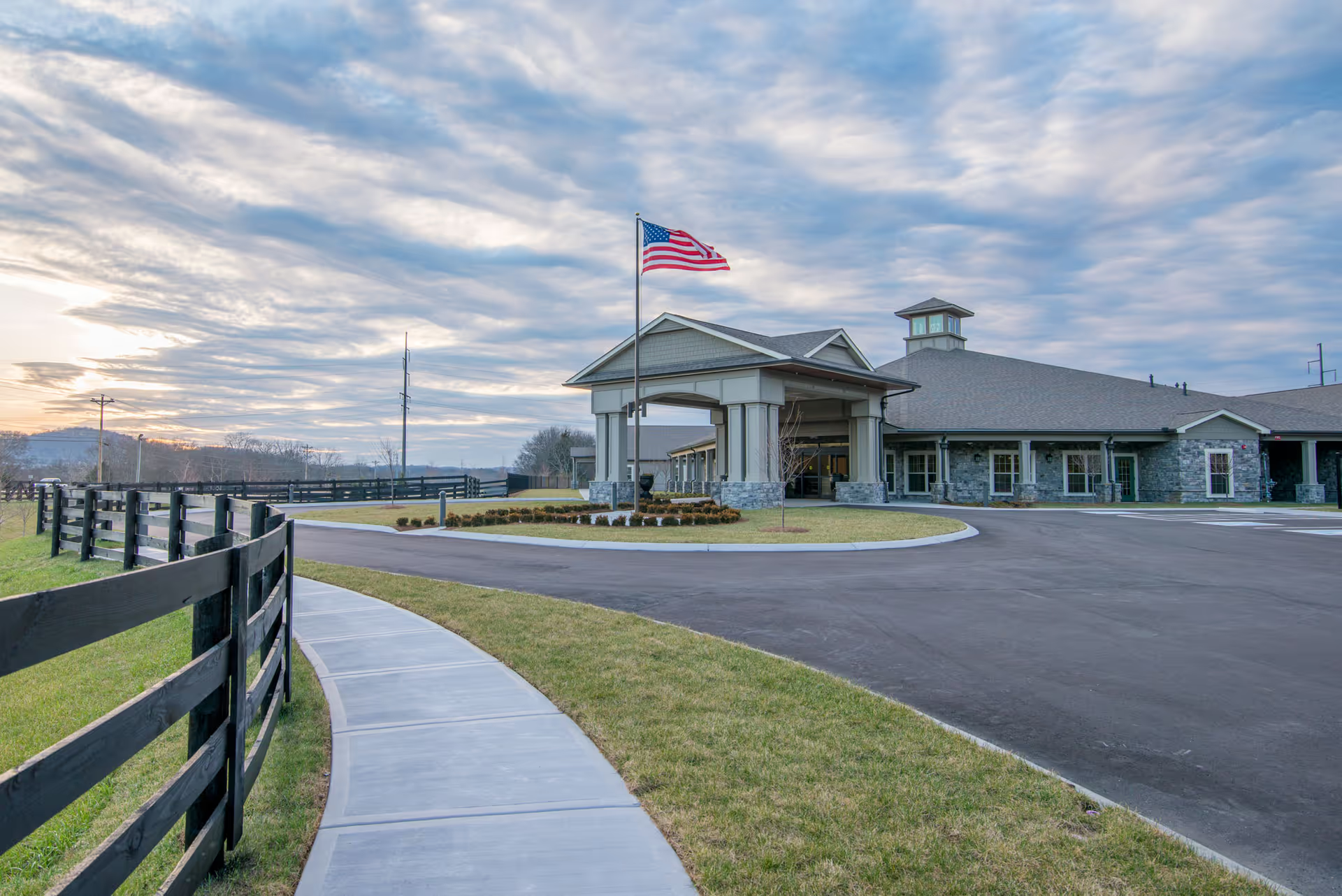
Brookdale Columbia presents as a small, secure assisted‑living community that many families find welcoming and well suited for residents who benefit from a quieter, apartment-style setting. Strengths repeatedly cited include a compassionate, engaged caregiver team, an interior courtyard and circular floor plan designed to support safe wandering for residents with memory impairment, and the presence of clinical staff including round‑the‑clock registered nurse coverage. Apartments tend to be roomy for the building type and include accessible bathrooms, emergency pull cords and options such as kitchenettes in some units; the facility offers an all‑inclusive pricing model with a few ancillary charges (phone/TV) and accepts couples sharing rooms.
Care and staff: Numerous families described staff as attentive, patient and supportive, with staff members and leadership (named individuals were praised) who are communicative during admissions and transition. Clinical supports such as medication administration by on‑duty nurses and RN availability are positive features. However, reviewers also raised concerns that point to operational stressors: periods of understaffing and elevated turnover were associated with delays in routine care and variability in staff interaction tone. There are also isolated but significant accounts indicating inconsistent responsiveness and conduct; these suggest prospective families should ask about current staffing ratios, turnover, and staff training specific to memory‑care communication before finalizing placement.
Dining and activities: The community offers three meals per day with menu choices and a communal dining program that supports socialization and eating. Many families found meals appealing and exceeded expectations, while others experienced inconsistent meal quality and preparation issues. Activity programming is present and an Activities Director is active, with scheduled offerings and church services; nonetheless, participation and day‑to‑day execution appear variable — on some visits activities were ongoing and engaging, while at other times programming was sparse or optional and residents were observed with limited engagement. Prospective residents should review a current activity calendar and ask to see programming during a typical weekday and mealtime.
Facilities and management: The facility has been updated in common areas and maintains a generally clean, odor‑free interior with secure access, but the building is older and exterior maintenance has been noted as inconsistent. Housekeeping and sanitation practices appear mixed across accounts; while many emphasized a well‑kept interior, others reported sanitation concerns in particular units that warrant asking about cleaning protocols and oversight. Management responsiveness was described in both positive and negative terms: some families praised helpful, informed admissions staff and local leadership, while others cited confusing billing, invoicing issues and episodic poor phone/email follow‑up. Given these mixed patterns, families should request examples of recent corrective actions, clarification of additional service charges, and written billing practices.
Notable patterns and suggestions: The community's smaller scale and secure footprint make it a strong match for residents who need a calmer, closely supervised environment and for families prioritizing compassionate direct care and clinical availability. At the same time, variability in housekeeping, food preparation, staffing levels, and administrative responsiveness suggests prospective residents should conduct targeted checks: attend a mealtime, request current staffing ratios and turnover data, inspect a recently vacated/refurbished unit, review cleaning and infection‑control protocols, and obtain a clear, itemized explanation of extra charges and billing procedures. These steps will help families weigh the facility's clear strengths against operational areas that have produced inconsistent experiences for some residents and families.