Overall impression: Reviewers give a broadly positive assessment of The Bridge at Columbia, highlighting a warm, family‑style culture and consistent examples of attentive care. Families and visitors frequently praise nursing and aide staff for compassion and hands‑on attention, noting regular checks and a personalized approach to resident needs. Admissions and front‑desk interactions are described as welcoming and helpful; leadership and program directors are often characterized as accessible and invested in resident well‑being.
Care and staff: Clinical care is described as generally competent and caring, with nurses and aides singled out for responsiveness and respect. That said, comments indicate variability in staff quality and retention: turnover and shift changes have been associated with miscommunication and occasional lapses in conveying resident preferences. Several families emphasized the need to remain engaged and advocate to ensure preferences and individualized care plans are consistently followed. There are also specific concerns about cognition and safety monitoring for residents with memory impairments; families are advised to ask about monitoring protocols and staffing ratios during tours.
Dining and nutrition: Dining is a clear strength in many accounts. The facility offers a 24/7 bistro, well‑presented meals, and some healthier, less‑processed options. Small amenities such as real ice cream and a large in‑apartment refrigerator were noted positively. At the same time, reviewers described variability in meal variety—particularly vegetable selection—and occasional inconsistencies in meal service, so prospective residents should review menu cycles and dietary accommodations with staff.
Activities and social life: Activity programming receives strong praise. Residents are described as socially engaged, with daily exercise classes, art, live music, holiday events, and themed parties contributing to a lively atmosphere. The activities director is repeatedly named as a positive influence. Limitations documented include reduced weekend transportation availability and coordination for off‑site shows; families who prioritize frequent off‑site excursions should confirm weekend services and driver availability.
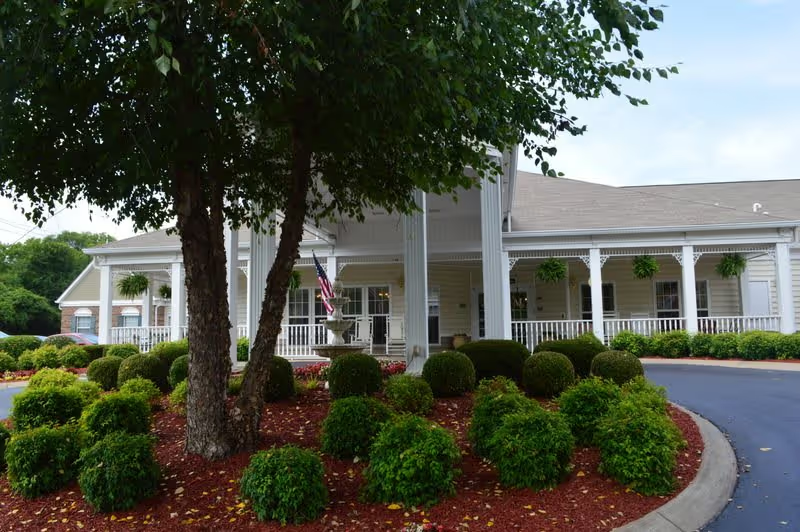
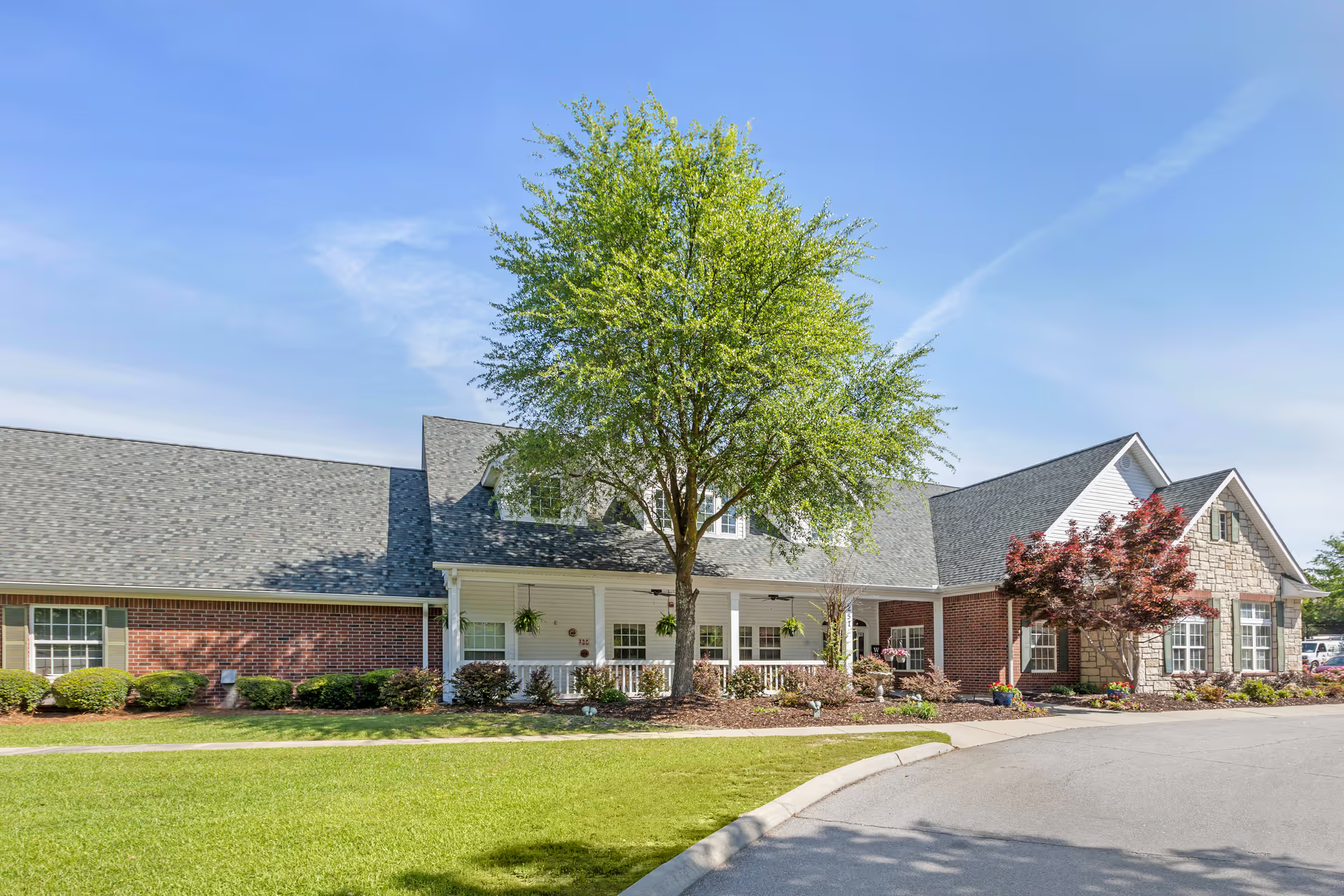
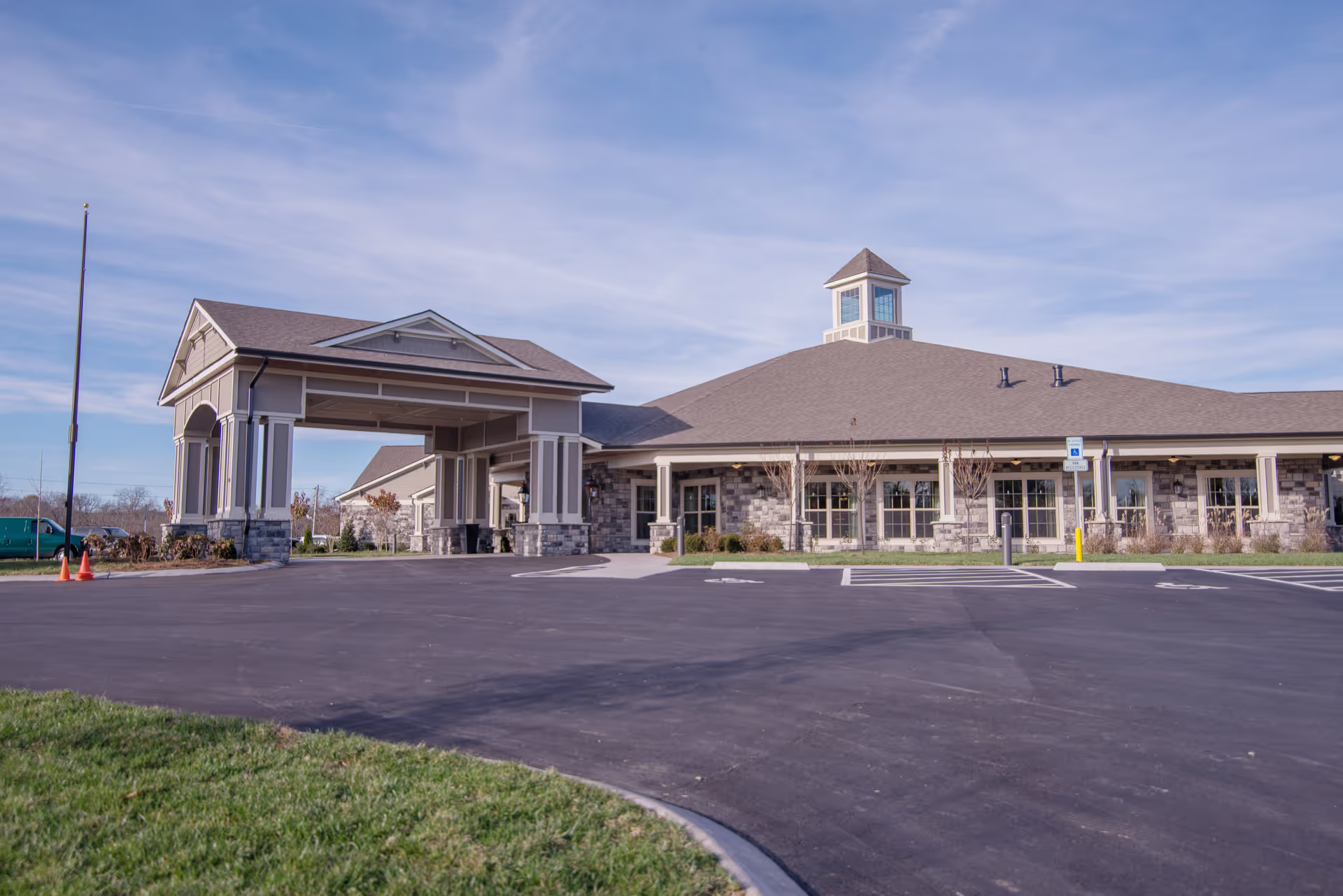
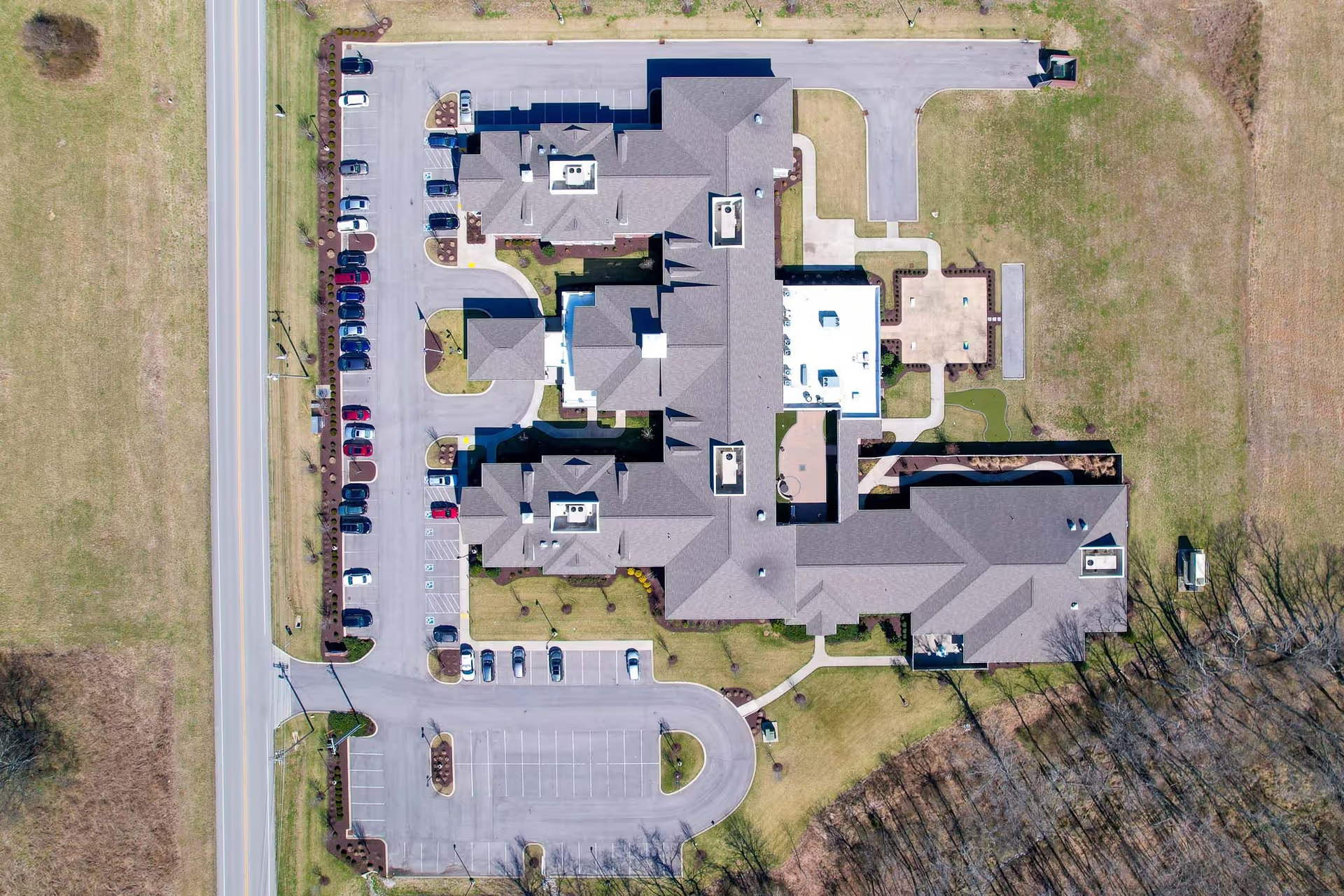
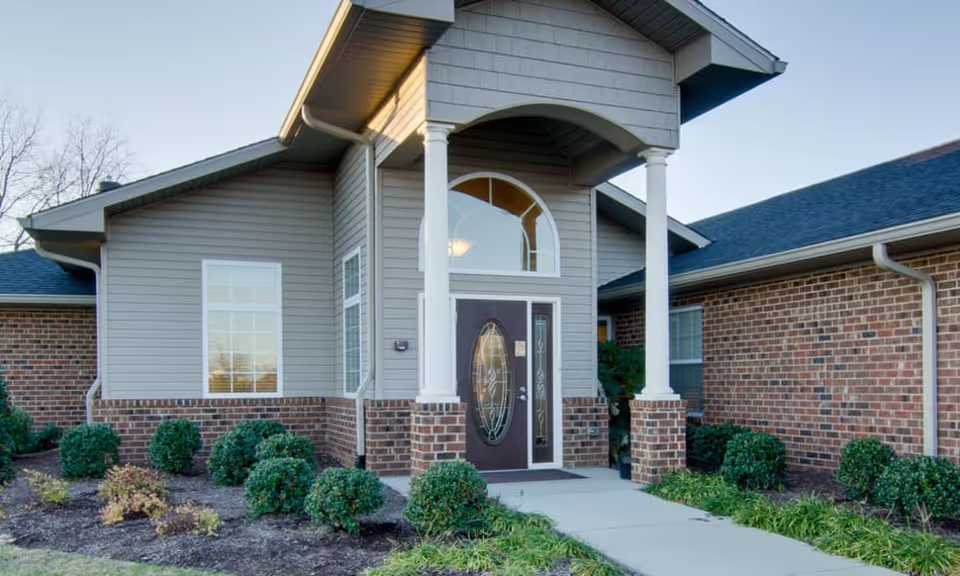
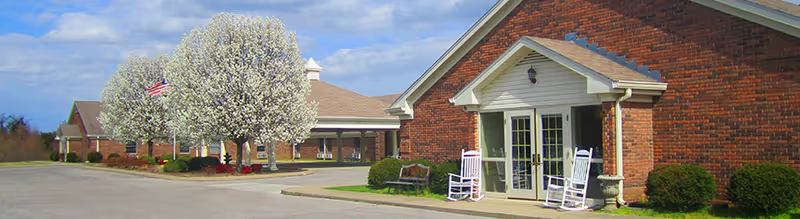
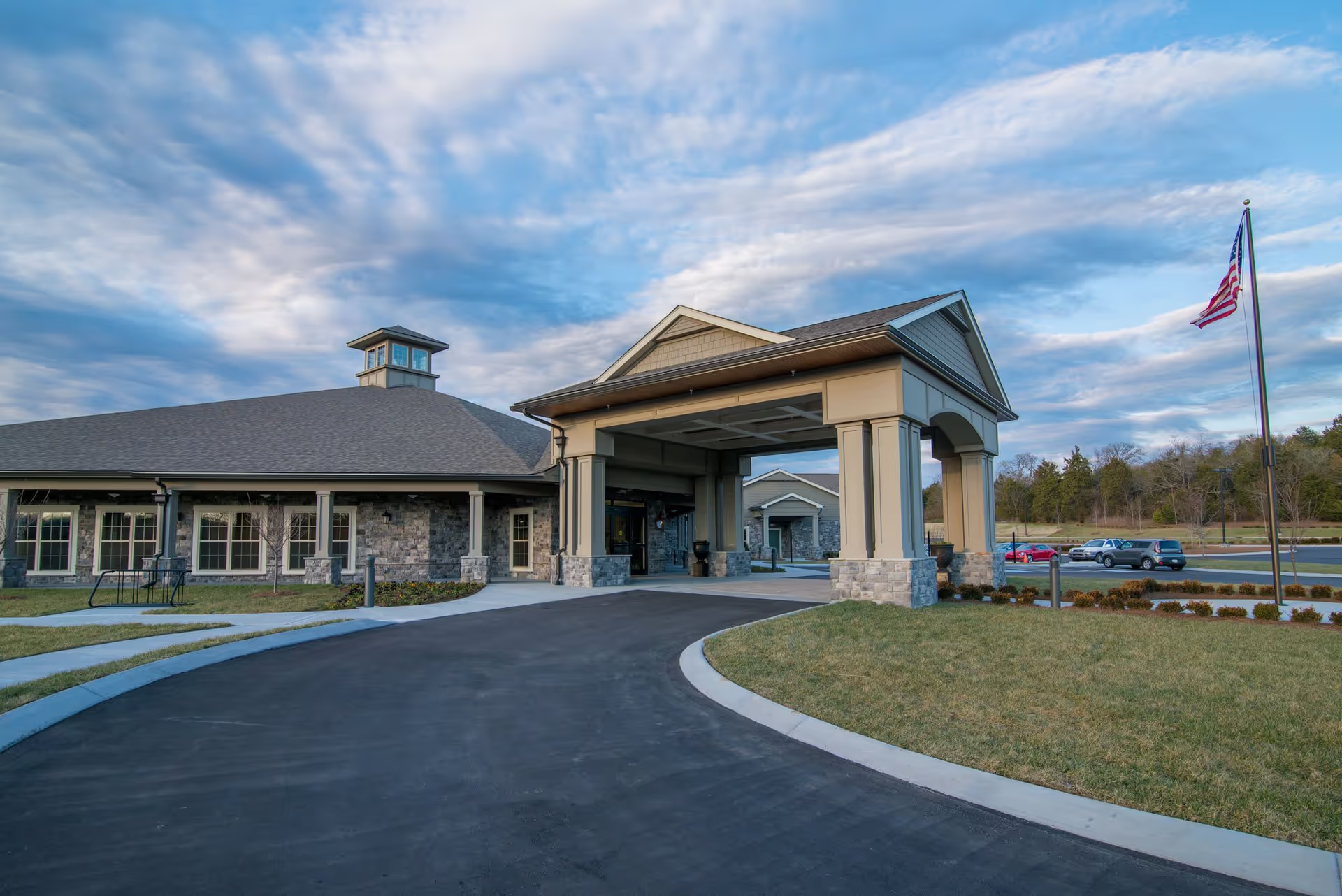
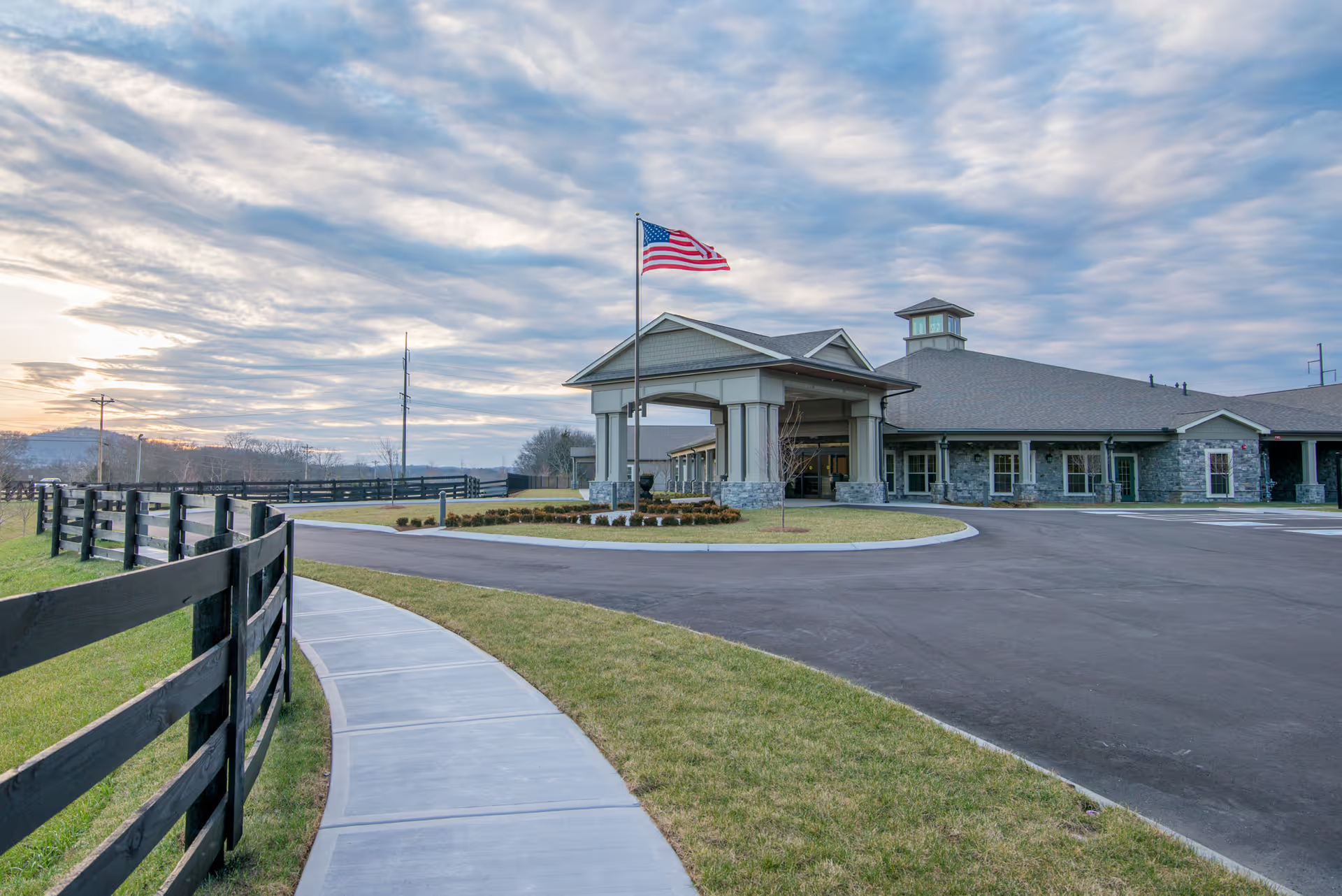
Facilities and amenities: The building and apartments are frequently described as new, attractive, and well maintained. Cleanliness and maintenance are generally highlighted, although a small number of comments indicate occasional cleanliness inconsistencies. The community is characterized as secure and comfortable, with pet accommodations, flexible visitation, and accessible common areas.
Management and operational patterns: Leadership and non‑corporate culture are praised for fostering community and responsiveness. Admissions assistance and placement support, including veteran discounts, were noted as helpful. Operational weaknesses cluster around communication and continuity of care: interdepartmental handoffs, documentation of resident preferences, and staffing stability are areas for improvement. Privacy concerns related to in‑room monitoring (camera placement) were raised by some families and should be discussed explicitly during visits.
Recommendation guidance: The Bridge at Columbia appears to offer a high level of social engagement, attentive staff, and attractive facilities that many families view as good value despite higher fees. Prospective residents and families should confirm specific operational details: staffing ratios and turnover, handoff and documentation practices, camera and monitoring policies, weekend transportation availability, and dietary accommodations. Those who prioritize an active social program and a home‑like atmosphere are likely to find the community a strong fit; families who require highly consistent staffing and tightly defined safety‑monitoring practices should vet those operational elements carefully before deciding.