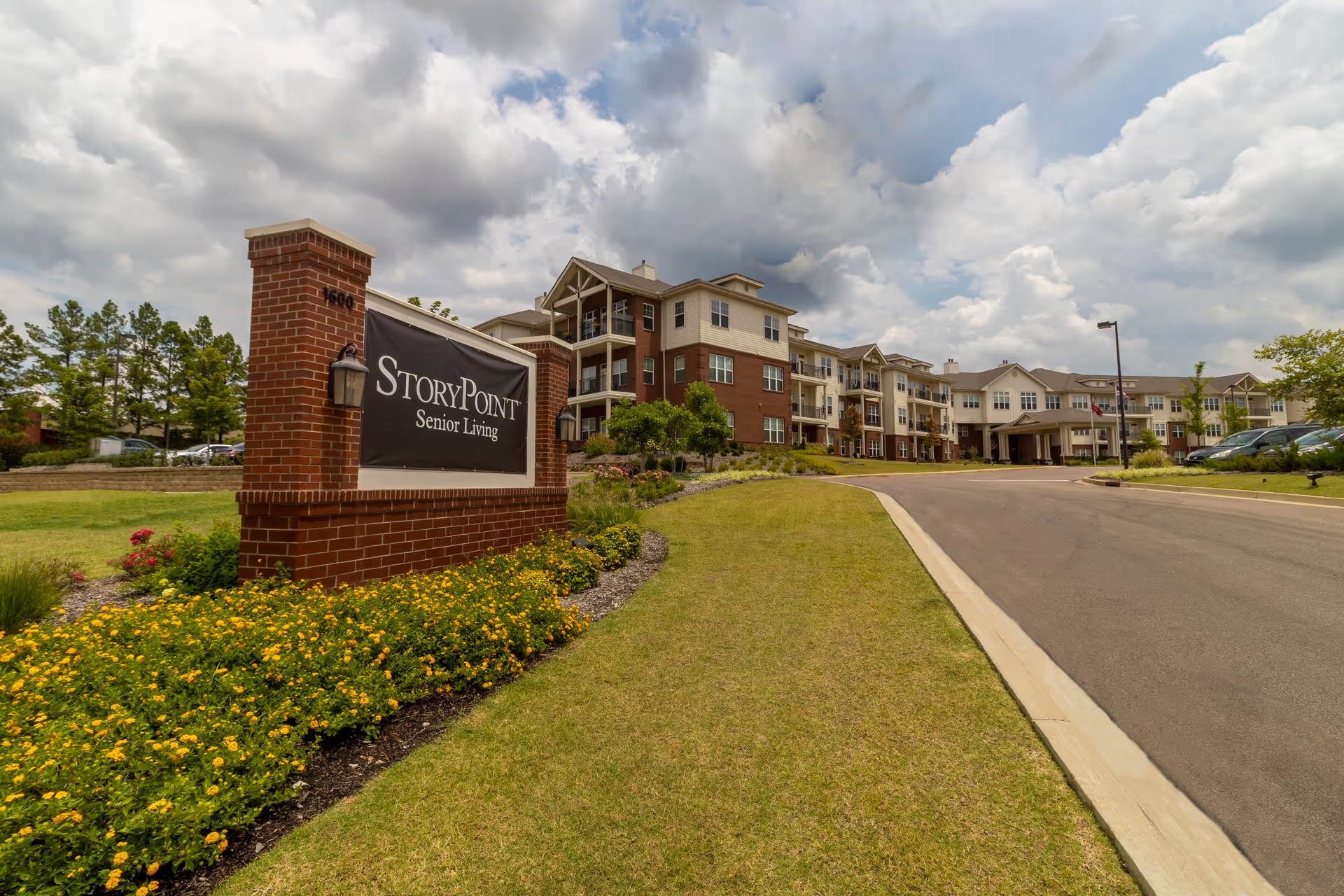
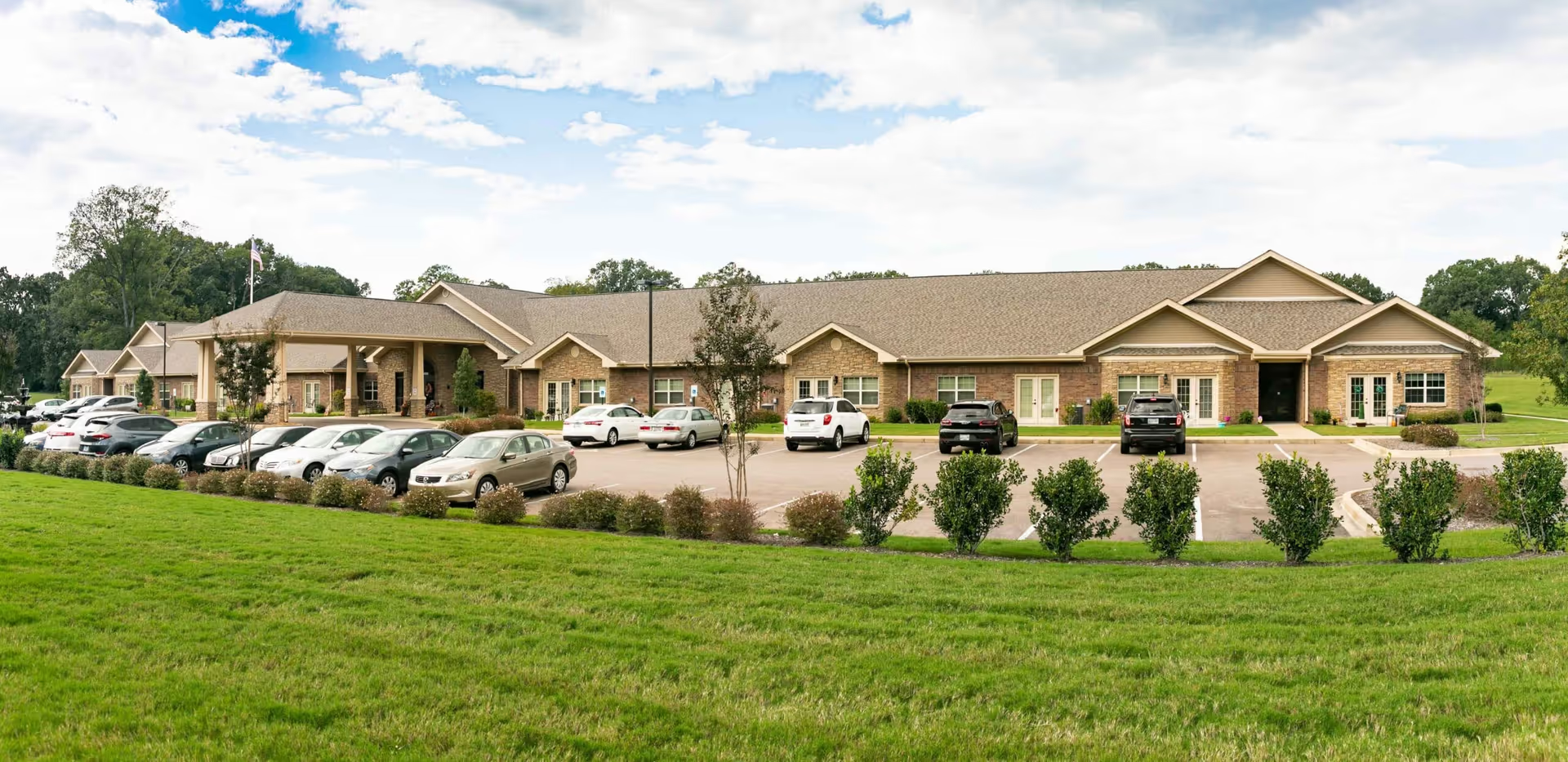
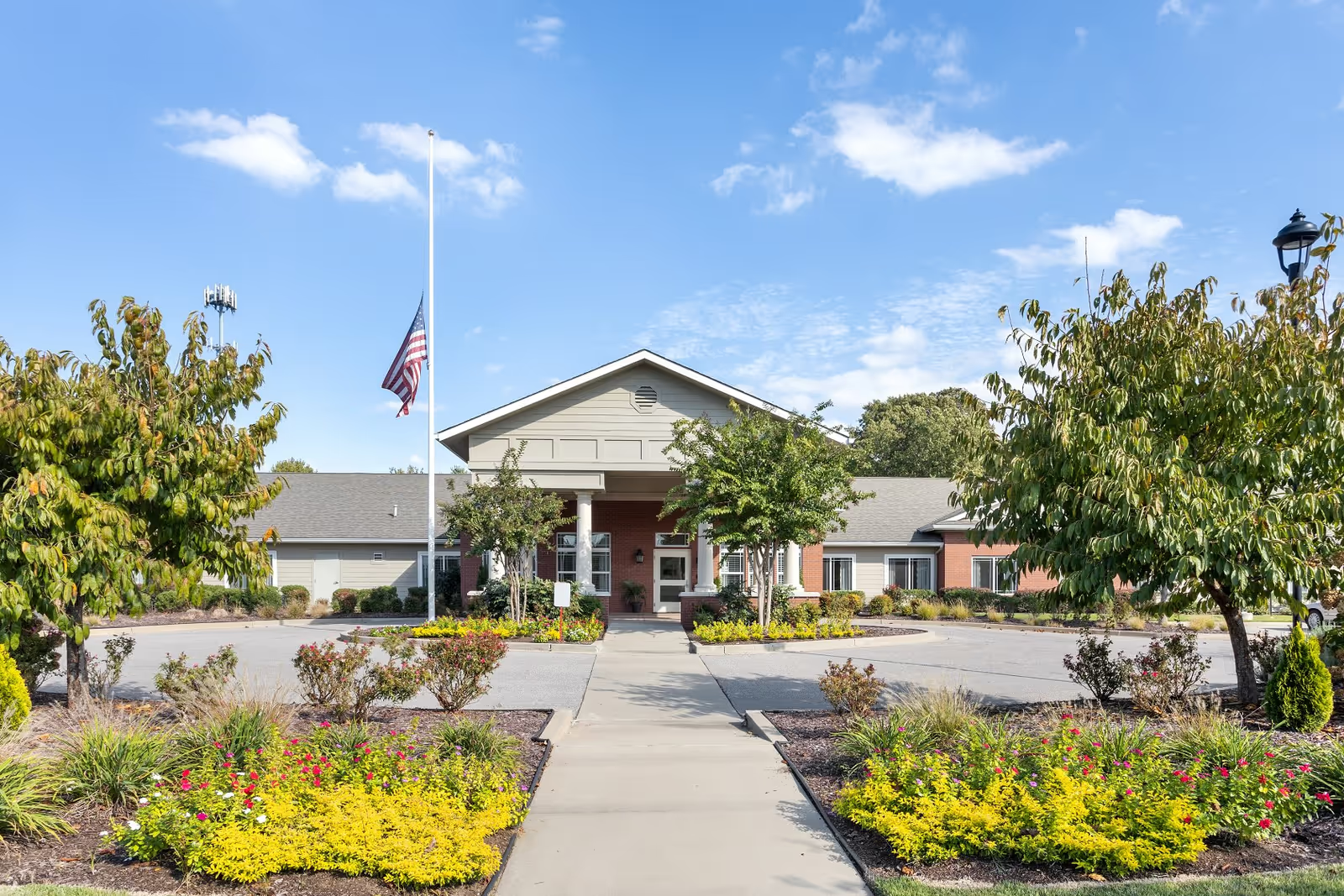
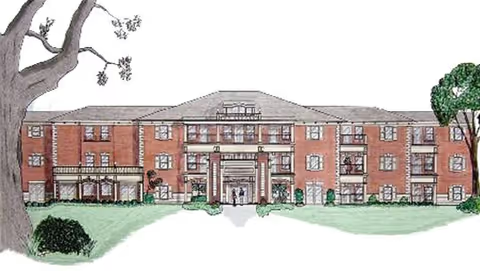
Reviews paint Great Southern Senior Living as a small, residential-style senior living option with consistent strengths in cleanliness, ambiance, and personalized care. Families describe a tidy, renovated property that conveys a quiet, home-like feeling. Private rooms with en-suite baths, well-kept grounds, and multiple family visiting areas are frequently noted as facility-level strengths.
Care quality and staffing emerge as a central positive theme. Reviewers emphasize attentive, respectful caregivers who provide one-on-one, individualized support and maintain ongoing communication with families. Several comments highlight low staff turnover, an approachable administrator and owner who visit the property, and a familial staff–resident dynamic. These features suggest stable staffing patterns and an emphasis on relationship-based care.
Dining and clinical services receive favorable mention. Meals are characterized as healthy and well-prepared, with food quality described positively. On-site clinical resources — including a physician, physical therapy, and pharmacy access — are listed among available supports, which can simplify care coordination for many residents.
Activity programming is presented as resident-focused and engaging; staff are described as keeping people entertained and occupied. Given the facility’s small, intimate scale, activities are likely delivered in a personalized and informal manner rather than through large-scale programming.
Management and operations appear hands-on. The owner and administrator are described as accessible, responsive to questions, and involved on-site. Families report clear communication and regular updates, which supports transparency and trust. The small ownership model is presented as contributing to a family-like culture rather than a corporate approach.
Notable patterns and cautions: the facility’s small size and home-like model are repeatedly cited as strengths, but they also imply operational trade-offs. Prospective residents with complex, high-acuity medical needs should verify the facility’s capacity for skilled nursing and 24/7 clinical oversight, since intimate settings sometimes have limited ability to manage advanced medical care. Similarly, the quality of programming and day-to-day operations appears closely tied to specific staff and owner involvement; families should clarify contingency plans for staff turnover and management transitions. Finally, the smaller resident population creates a close-knit social environment that many families prefer, but it may offer fewer peer-match options for some individuals.
Overall, the reviews indicate a facility that excels at individualized, relationship-focused care in a clean, comfortable setting. Interested families should confirm clinical scope (especially for higher-acuity needs), staffing coverage patterns, and availability to ensure alignment with the prospective resident’s long-term care requirements.