Overall sentiment in the reviews is strongly positive about direct caregiving and the resident experience, while expressing clear concerns about management and organization. Multiple reviewers emphasize high-quality, compassionate care and a responsive staff who "go out of their way" to meet requests. The administrator is singled out as being concerned about residents, reinforcing a feeling among reviewers that resident needs are taken seriously at the care level.
Care quality and staff emerge as the most consistently praised elements. Reviewers describe caregivers as very caring and wonderful, and repeatedly mention that staff are responsive and attentive. That positive description applies across daily care interactions and in how the facility handles resident requests. The recurring language—"extremely happy with the care provided" and staff that "go out of their way"—indicates that families and residents feel personally supported and that direct care staff build trusting relationships with residents.
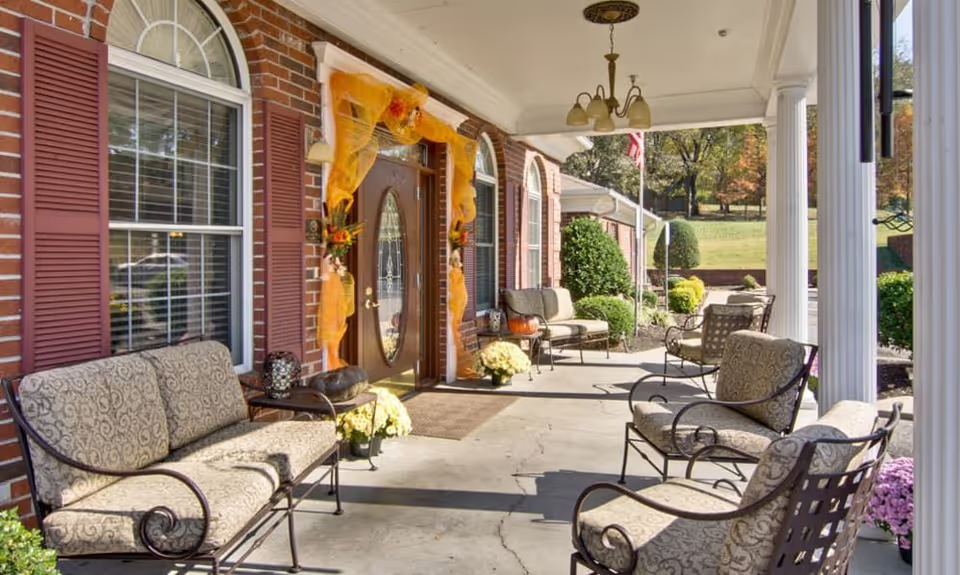
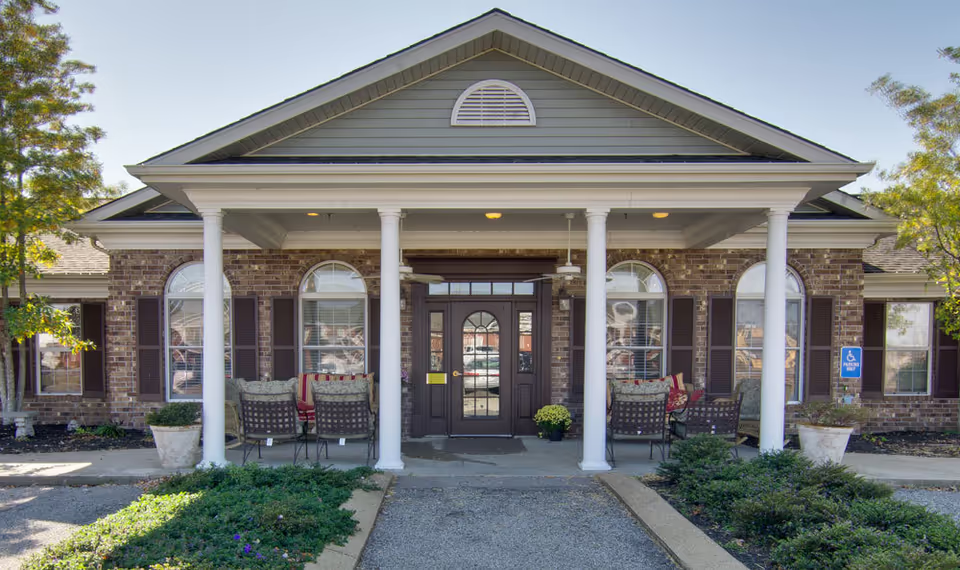
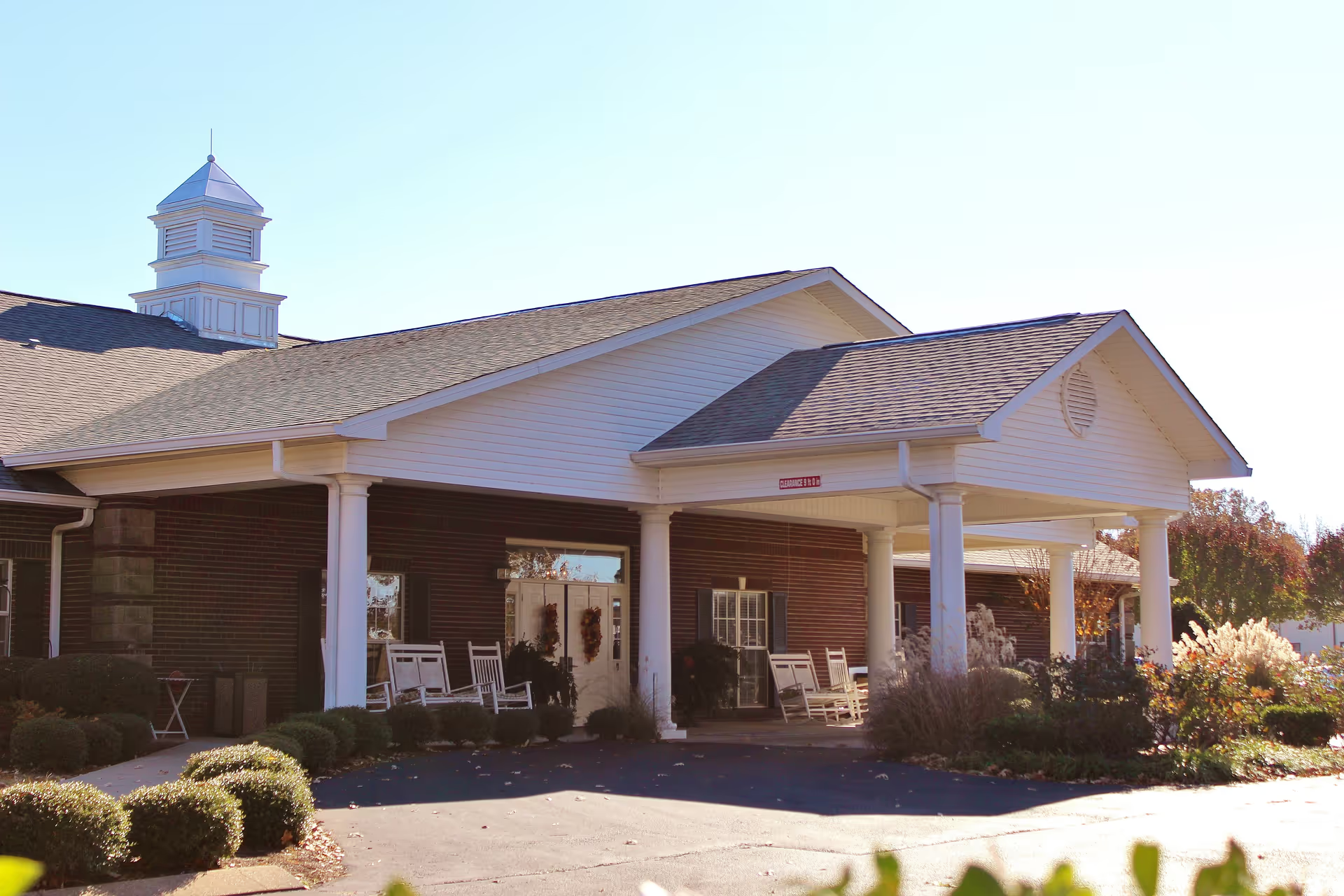
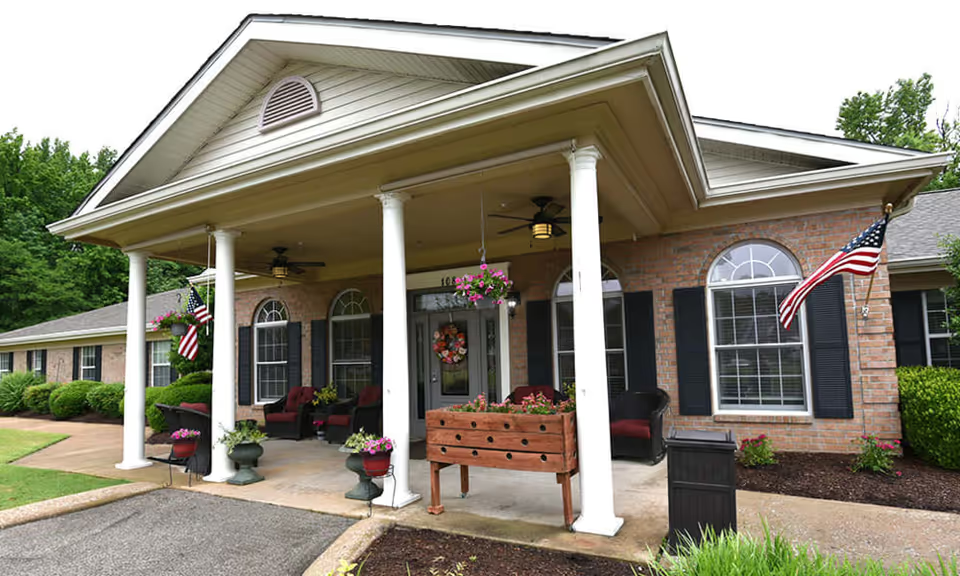
The physical and social environment is portrayed as small, homey, and family-like. Several comments note the facility’s small size as a benefit: it contributes to a comforting, secure atmosphere where residents — including the reviewers' own family members — appear comfortable and at ease. This consistent mention of a "homey" vibe and a "family-like" community suggests a close-knit setting where staff-resident interactions are personal rather than institutional.
Dining is another positively noted area: food quality is called "very good" and "good food" in multiple reviews. While the reviews do not provide extensive detail about dining programs, menus, or meal service beyond satisfaction with the food itself, the repeated positive remark indicates dining is at least meeting expectations for many residents and families.
By contrast, management and organizational issues are the primary negative themes. Several reviewers comment that management communication "could be better," and some describe a perceived lack of leadership and disorganization. These criticisms appear to target administrative or supervisory functions rather than frontline caregiving. That split—strong praise for hands-on staff coupled with concerns about leadership, communication, and organization—suggests that while day-to-day resident care is sound, there may be operational or administrative gaps affecting overall consistency, clarity of information, or long-term coordination.
In summary, the reviews paint a picture of a small, comfortable community where direct care is compassionate and effective and where residents generally feel secure and well cared for. The main caution for prospective residents and families is the reported administrative shortcomings: issues with communication, leadership, and organization that could affect some aspects of the resident experience. Those concerns are important to investigate further (for example, by asking specific questions about leadership roles, staffing stability, and communication protocols during a tour or meeting). Overall, the strengths in hands-on care and atmosphere are significant, but they are tempered by recurring reports of management-level problems that merit attention.