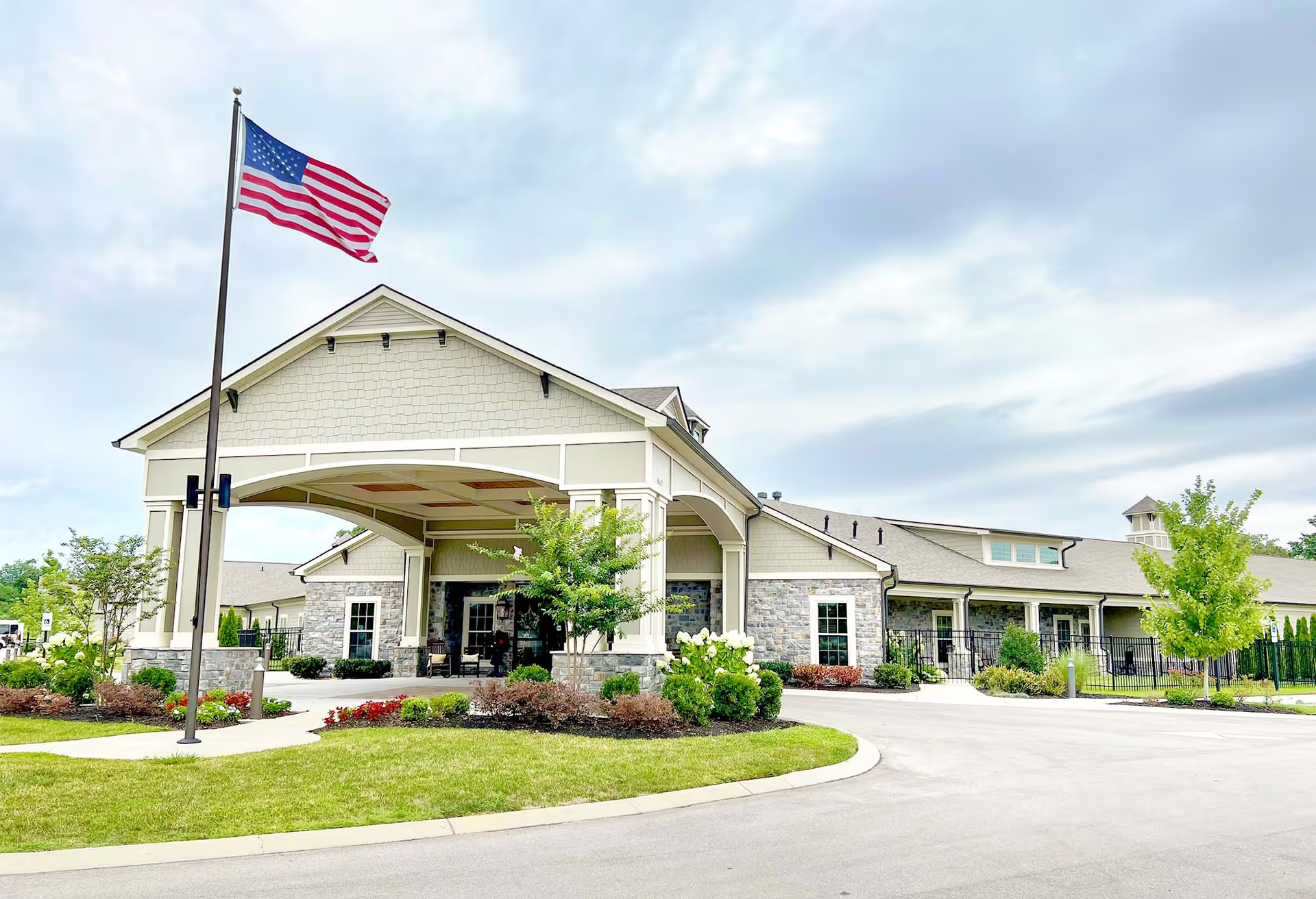
Concord Place Memory Care presents a mixed profile: it is frequently described as a bright, attractively designed memory-care community with a clear focus on Alzheimer’s and dementia needs, a strong activities program, and many staff members who demonstrate dedication and warmth. Families commonly praise an energetic Activities Director and an array of engagement options (art, music, pet therapy, gardening, small-group puzzles) that contribute to a social, home-like atmosphere. The facility layout — including well-maintained common areas and an enclosed central courtyard — is repeatedly noted as conducive to both safety and resident engagement.
Care quality and staff performance show clear strengths alongside notable inconsistencies. Numerous reviewers highlight compassionate caregivers, several long-tenured aides, and individual nursing staff who go above and beyond; these staff members are credited with building trusting relationships and supporting residents’ functional gains. At the same time, there are recurring operational patterns that families flag as concerns: uneven staffing levels, periods of high turnover, and variability in clinical responsiveness. These operational issues manifest as delayed nursing responses, uneven completion of personal-care tasks (including bathing and toileting support), and gaps in supervision that have, in some accounts, contributed to serious safety-related incidents.
Dining and activities are areas of strong positive comment, but they are also subject to variability. When fully staffed, the kitchen receives praise for home-style, tasty meals and attentive dining service. Several accounts indicate that meal quality and consistency can decline when kitchen staffing or corporate support is reduced. Activities are a consistent strength; the program is described as energetic, varied, and well integrated into daily life, with multiple staff members singled out for their engagement and creativity.
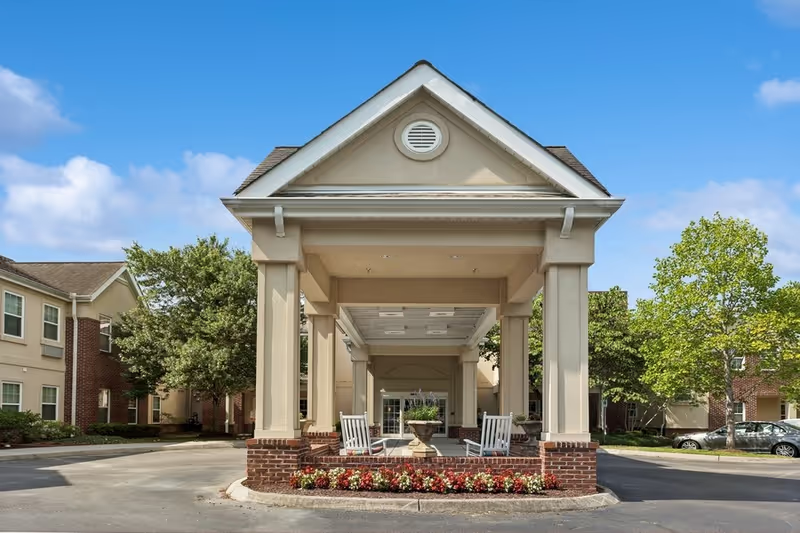
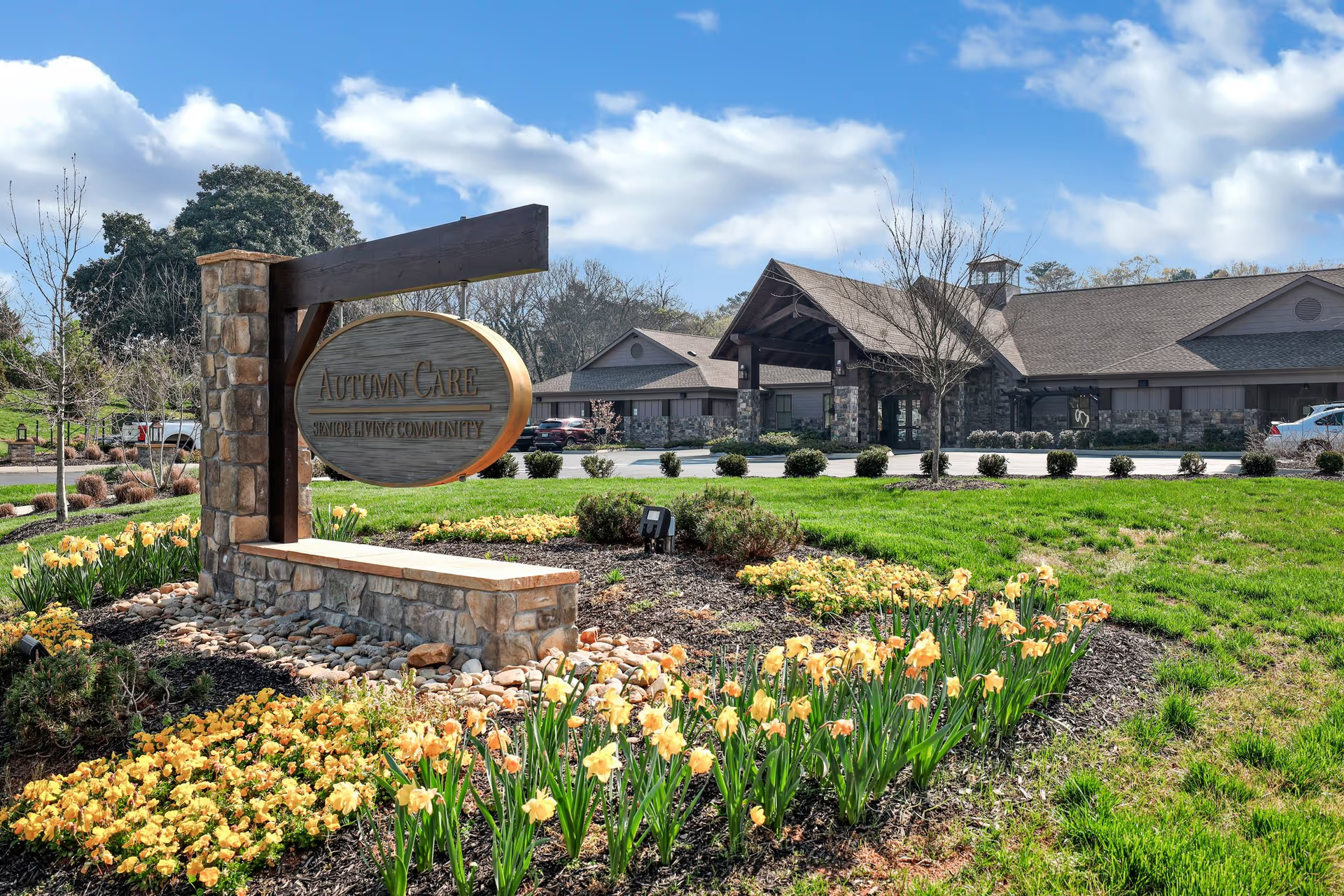
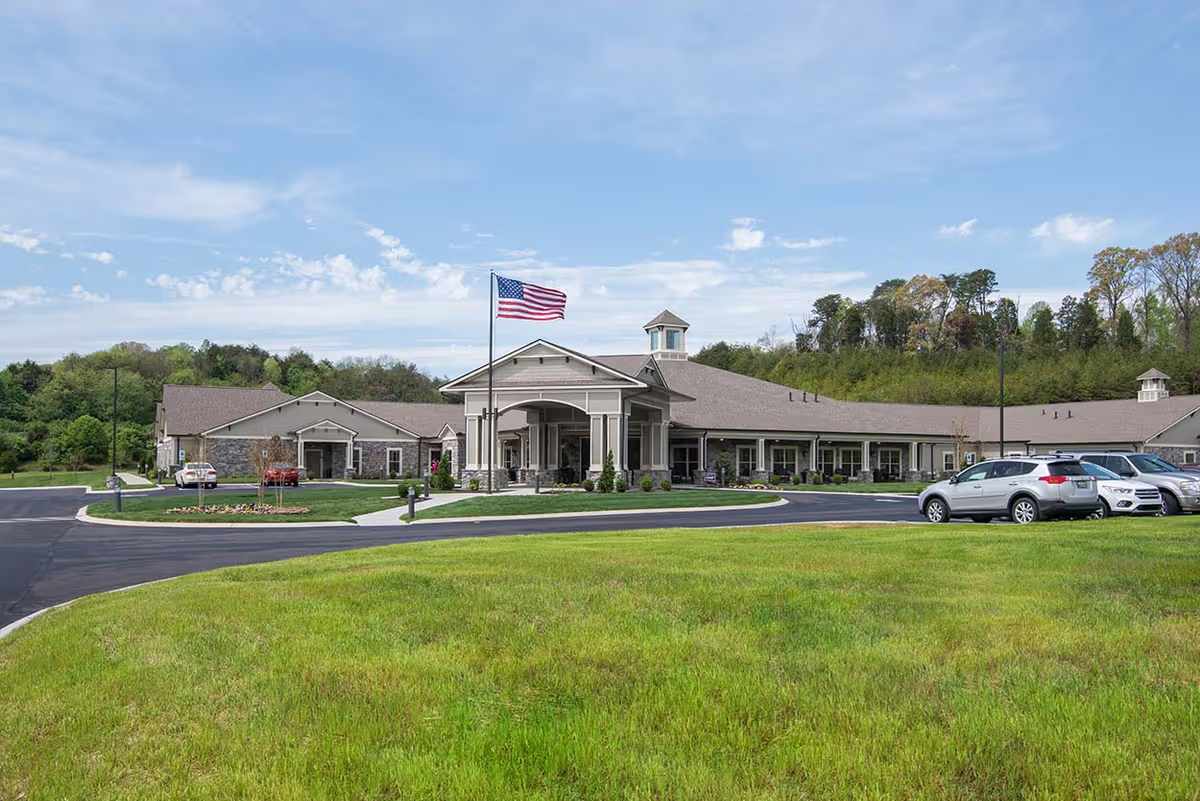
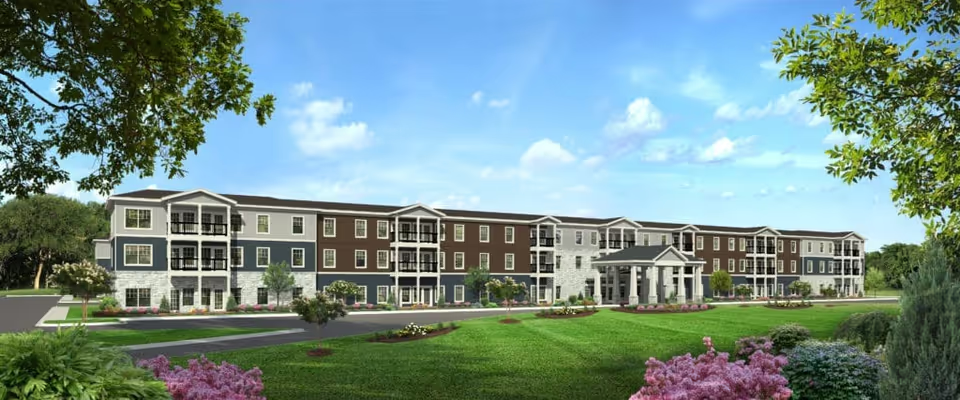
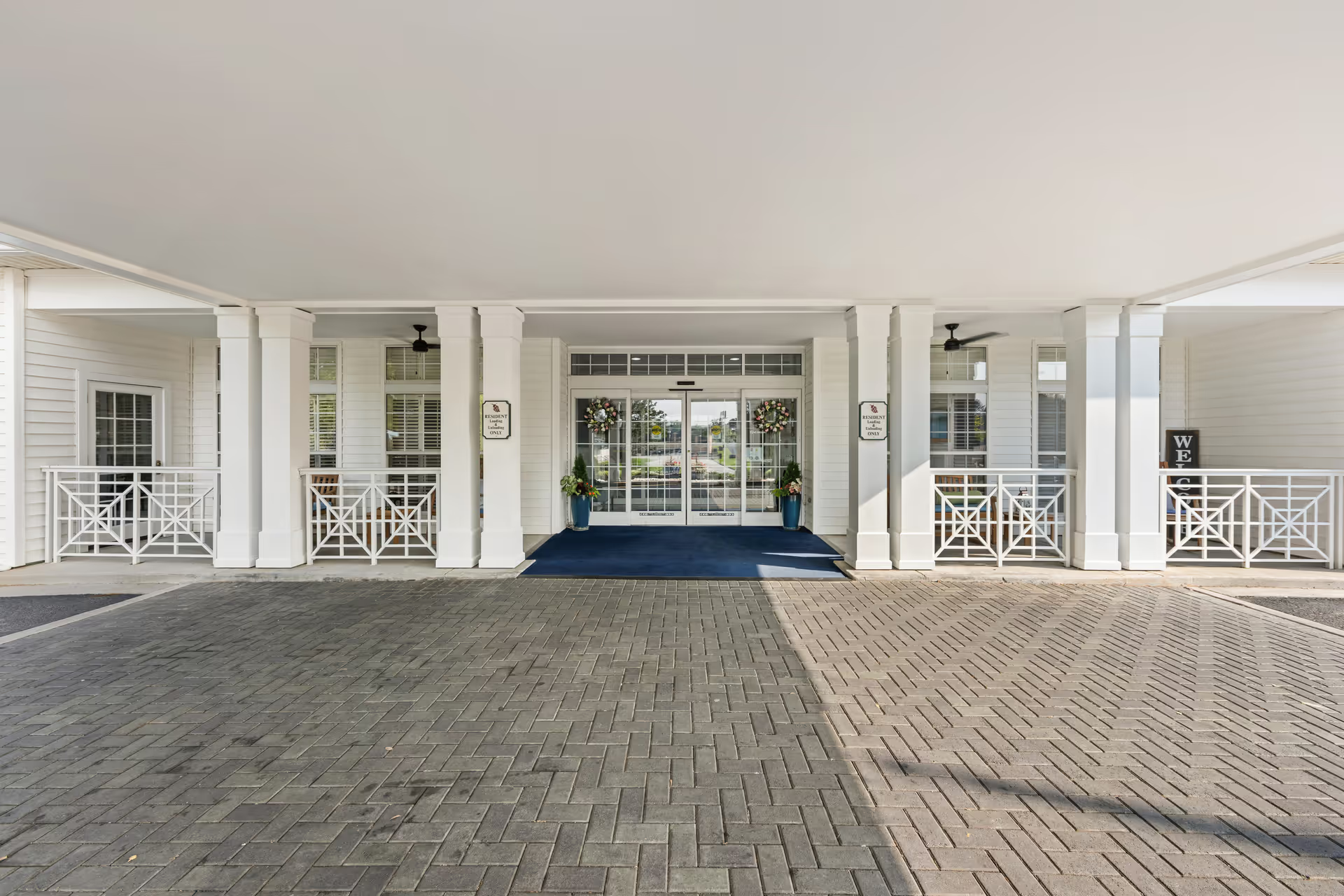
Facility amenities and environment are generally viewed positively. Reviewers describe clean, inviting spaces, comfortable communal rooms, and outdoor areas that support purposeful activity. The scale of the community and layout — smaller residential sections with centralized gathering areas — is often cited as contributing to a family-like feel and easier socialization.
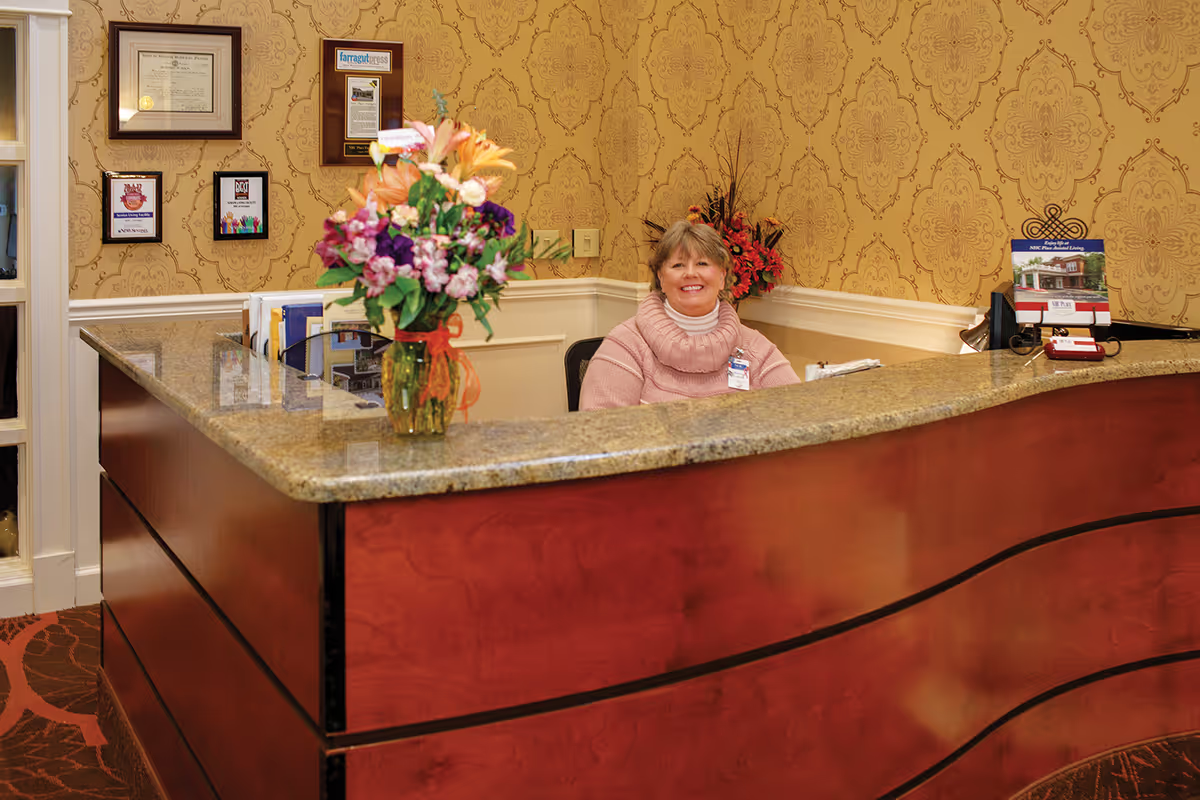
Management and organizational patterns are the most polarized element in the feedback. Positive accounts cite responsive administration and helpful front-desk and admissions staff; negative accounts describe leadership instability, examples of preferential treatment, and concerns about workplace culture that may affect staff morale and retention. Several families raised concerns about medication-handling practices and communication breakdowns — including delays in callbacks and inconsistent family updates — which together suggest room for improvement in clinical governance and family liaison processes. Cost is also a recurring theme, with some families feeling pricing does not consistently match perceived quality when operational weaknesses appear.
In summary, Concord Place offers many features typical of a high-quality memory-care community: engaging programming, a pleasant physical environment, and numerous committed caregivers and nurses. Prospective families should weigh these strengths against recurrent operational issues — especially inconsistent staffing, variability in clinical responsiveness, and management/communication challenges. For families valuing strong activities and a homelike setting, the facility may be a good fit if they confirm current staffing stability, clarify medication and incident-response protocols, and establish regular communication expectations with leadership before move-in.