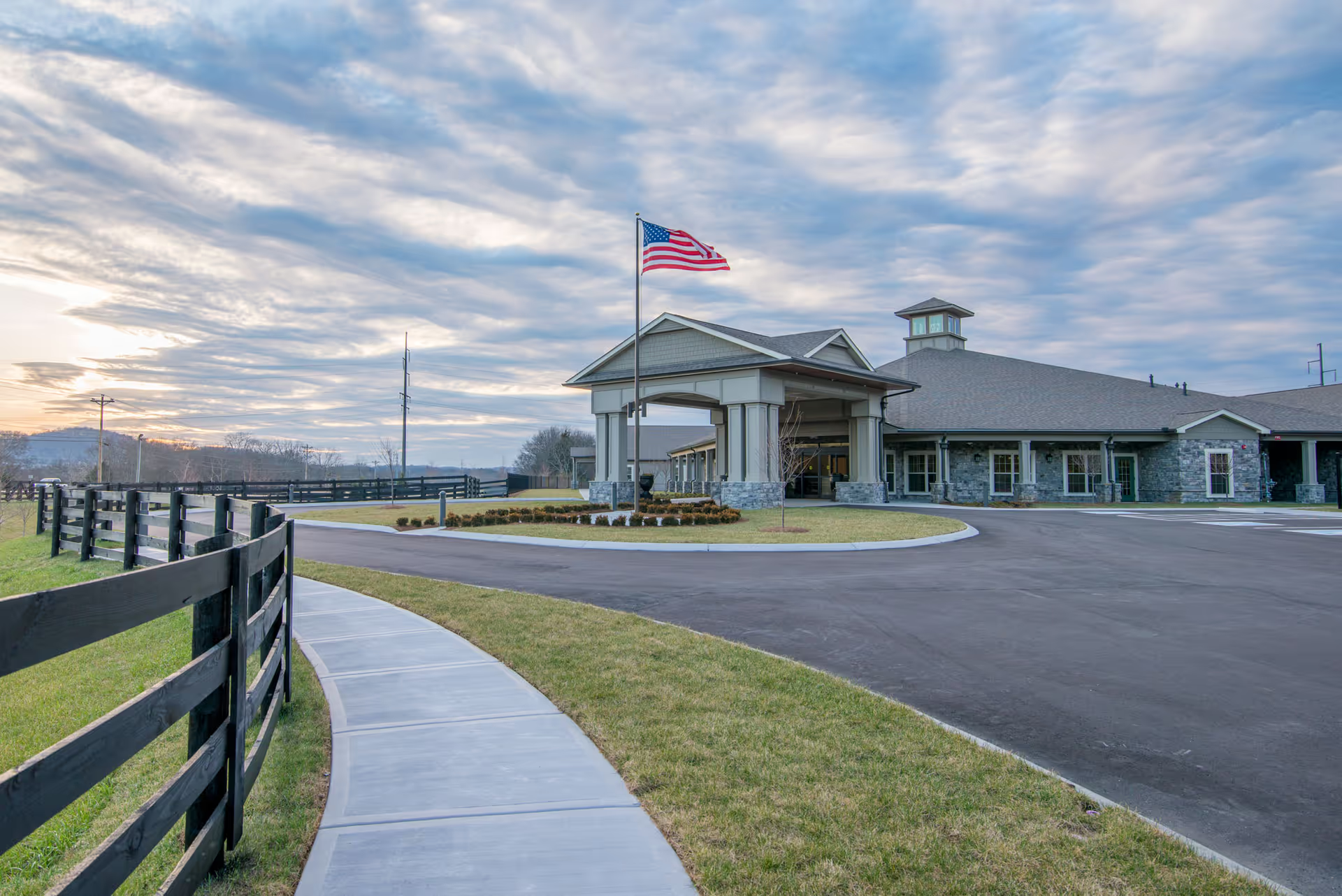
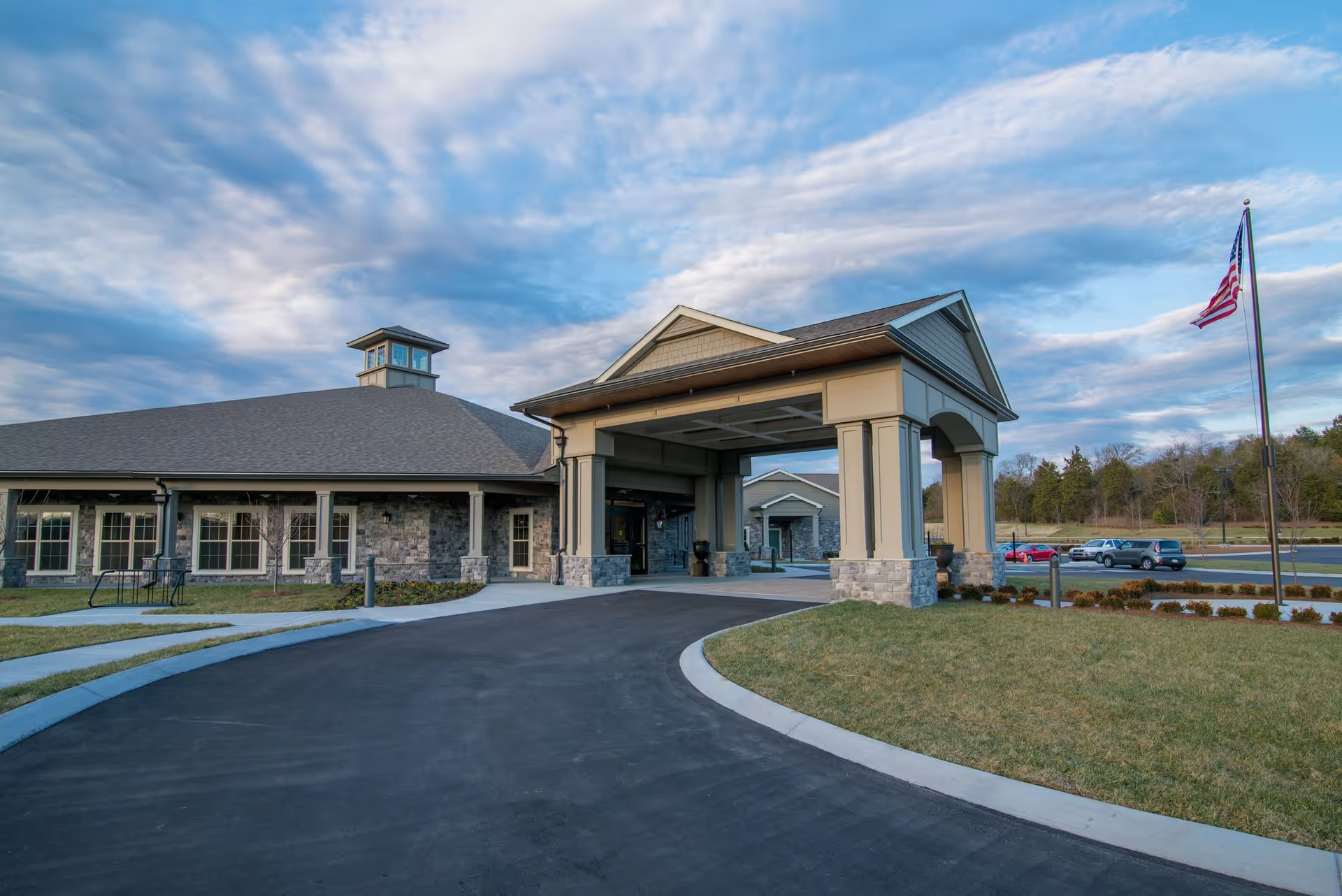
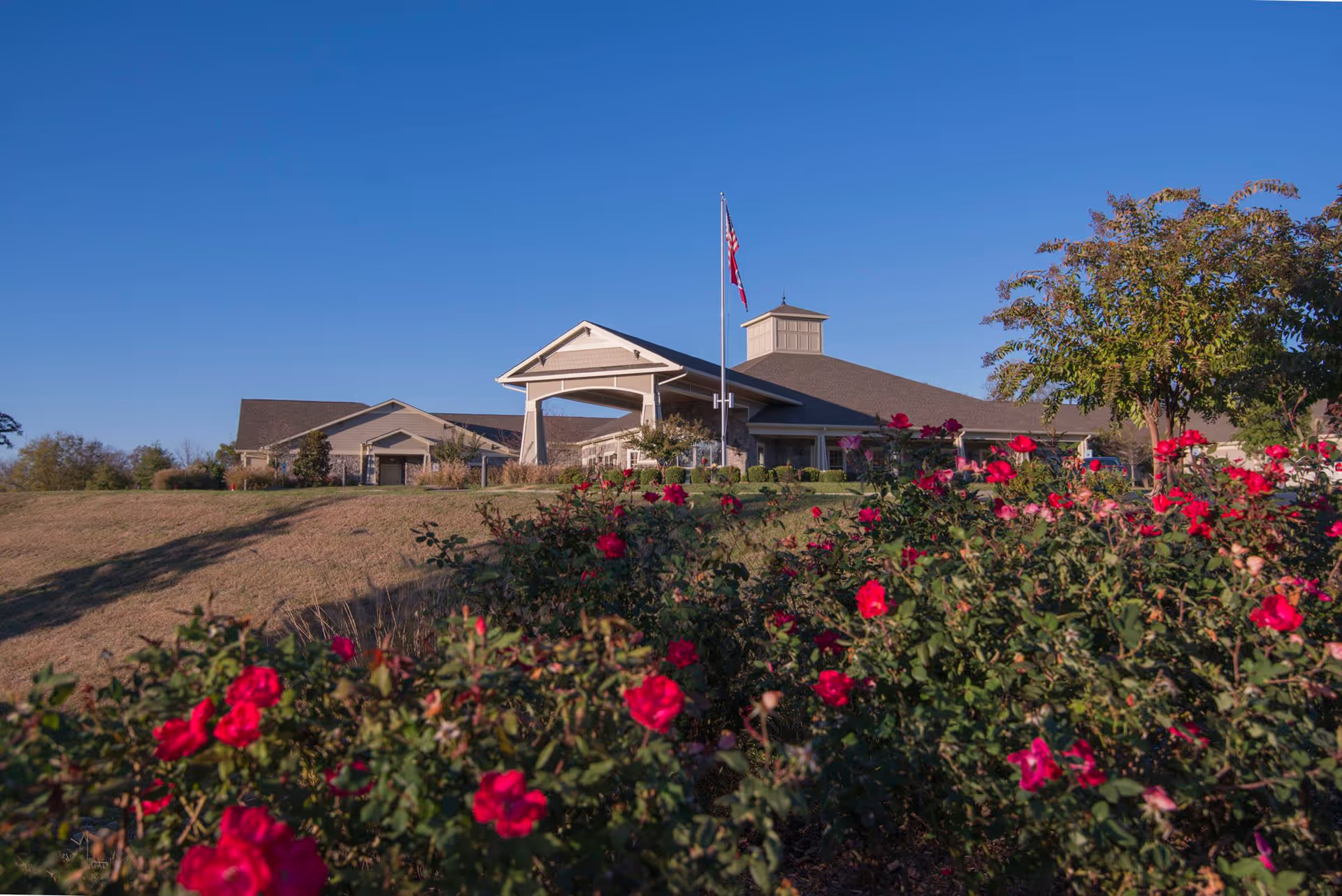
Brookdale Franklin presents as a largely positive independent-living community with several recurring strengths and some operational limitations to weigh. Strengths commonly highlighted include a consistently friendly, personable staff and a strong resident culture: residents and families describe staff who learn names, provide individualized attention, and foster a family-like atmosphere. The community offers numerous on-site amenities — a movie theater, salon, library, fitness center, ballroom/social spaces and multiple common areas — that support an active social life.
Dining and social programming are prominent selling points. Many accounts emphasize chef-prepared meals, varied menus, homemade items, and restaurant-style presentation; dining is frequently described as a highlight, with multiple meal periods, buffet and menu options, to-go meal availability, and attentive dining-room servers. The activities program is extensive and largely resident-driven, with classes, clubs, performances, bus outings, and regular social events (Happy Hour, card groups, music nights) that create a lively atmosphere. For prospective residents seeking an engaging, social independent-living environment, this is a strong match.
Care and day-to-day operations are generally presented as attentive for independent living: routine housekeeping, responsive support for errands and appointments, overnight checks, and visible director interactions are noted. Apartments include practical accessibility features (grab bars, bench showers, movable showerheads) and a range of floor plans from one- to two-bedroom units, although some units are described as compact. Several reviewers noted convenient in-unit amenities (refrigerator, microwave, convection oven) but also limitations such as no full stove in some units.
Notable operational issues recur across accounts and should be considered. Staffing consistency is a common concern: there are reports of turnover, short staffing, and intermittent service delays that may affect dining service and responsiveness to resident needs. Dining quality and continuity are not uniformly consistent — while many praise the chef and dining team, others describe variability in meal preparation and staffing shortages in the kitchen and dining room. Management and billing practices were a frequent friction point for some families, including concerns about fee structure, annual rent increases, and occasional aggressive collection or communication practices. A number of reviews also raise concerns about how the community handles clinical incidents and communicates with families, suggesting opportunities for clearer emergency and clinical-response protocols and family outreach.
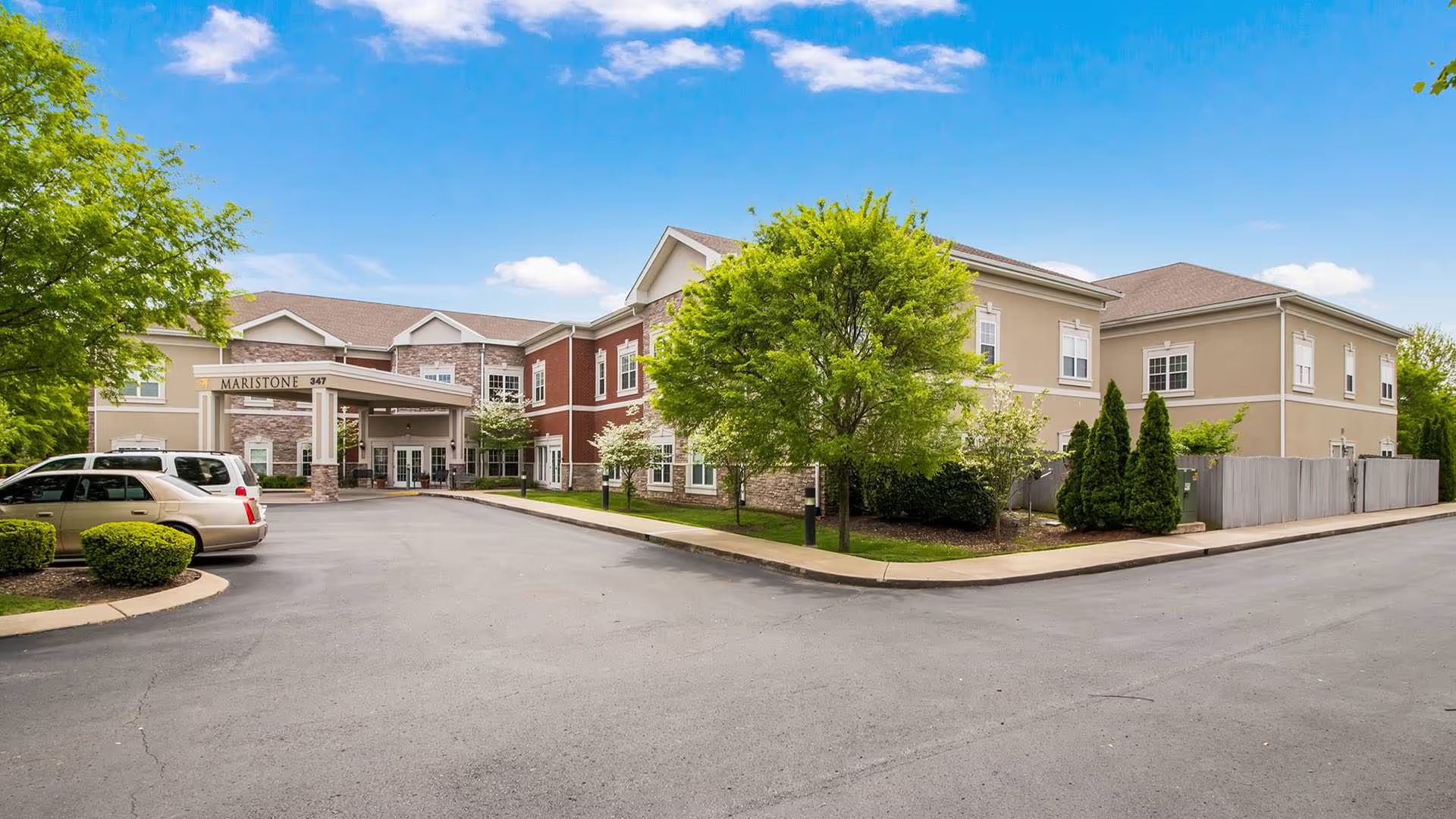
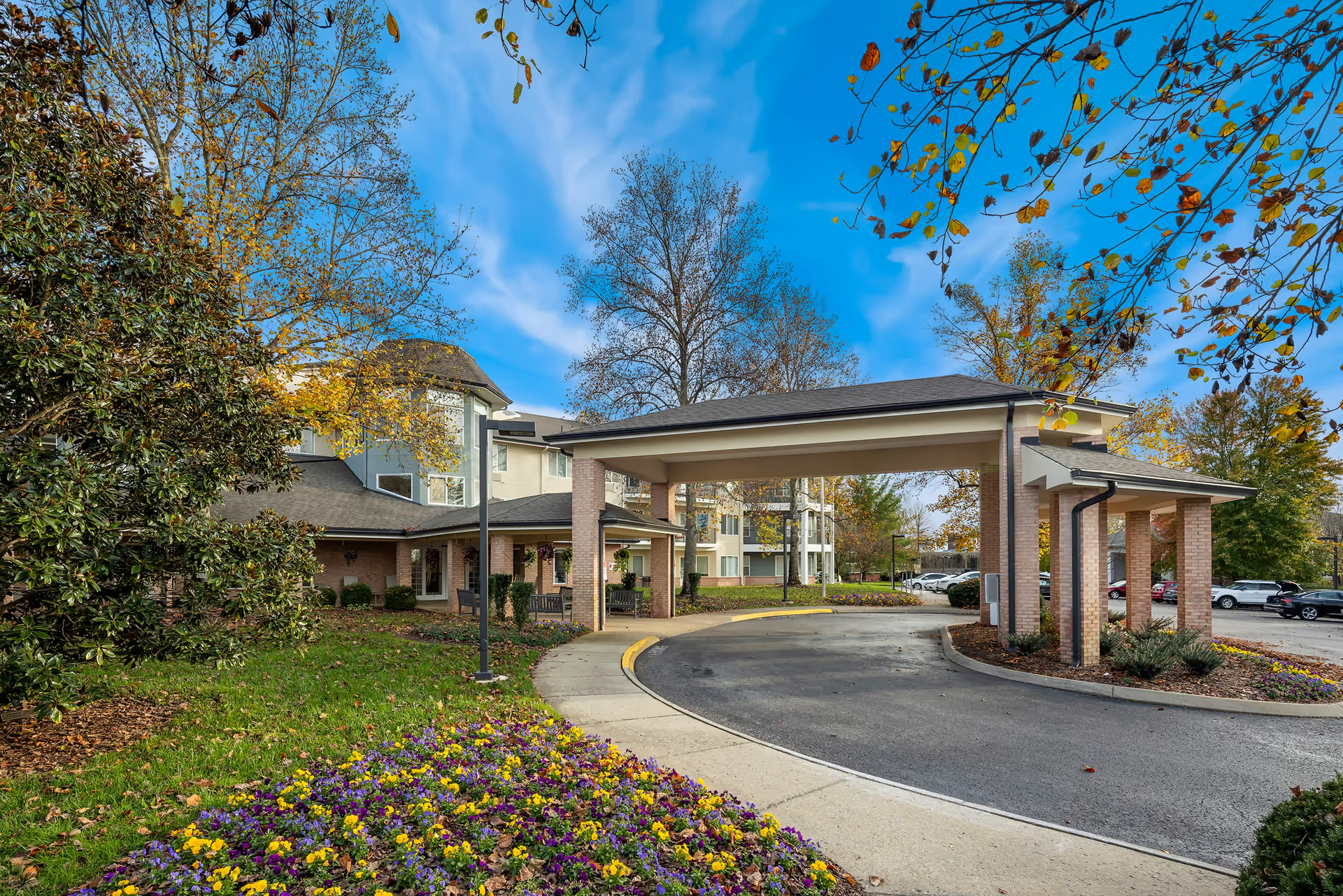
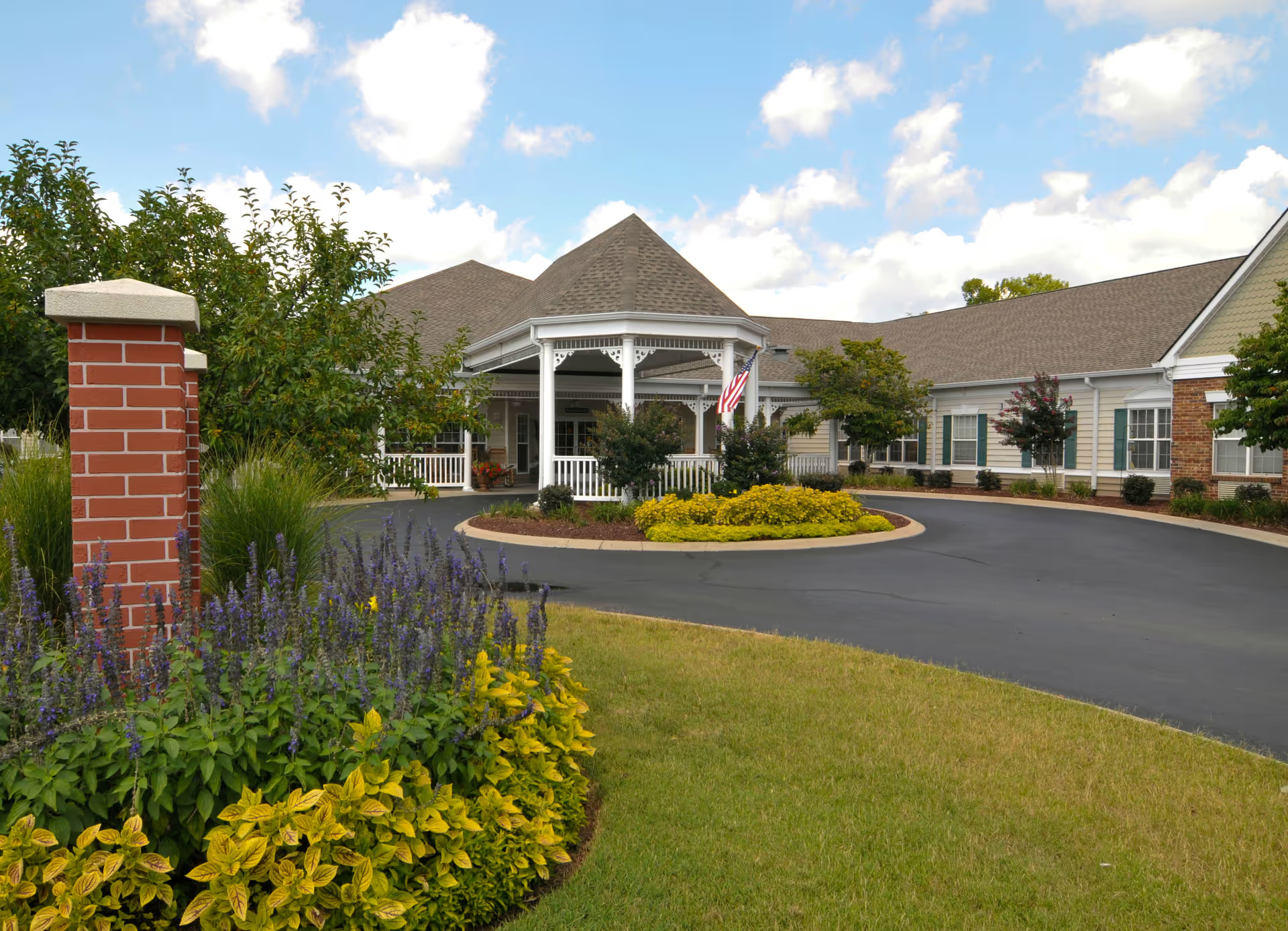
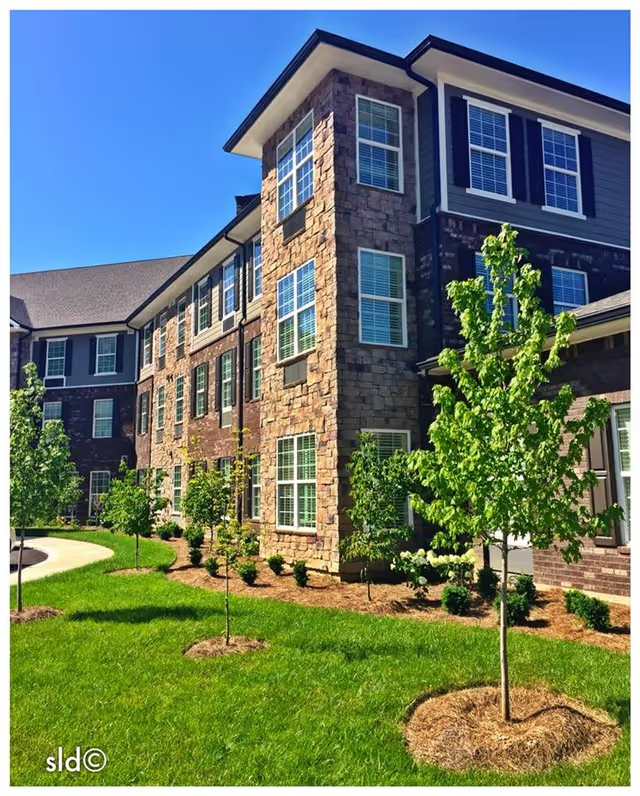
Facility condition and fit should be matched to resident needs. The community is described as clean and well-furnished overall, but elements of the building show age in places and renovation is uneven; the campus is large and can feel overwhelming to people seeking a smaller environment. Outdoor access is somewhat limited (few balconies, modest walking areas), and the setting may be distant for some families. Finally, while Brookdale Franklin appears well-suited for active, mobile independent-living residents seeking robust social programming and strong dining, it is not consistently characterized as the right option for people who require higher-level assisted living or memory-care services.
In sum, Brookdale Franklin's principal strengths are its dining, activities, and a staff culture that emphasizes personal attention and community. Prospective residents and families should balance those strengths against considerations about cost trajectory, staffing consistency, management and billing practices, and the community's fit for residents with escalating care needs. A focused conversation with leadership about staffing plans, emergency/clinical-response protocols, current renovation timelines, and a transparent fee schedule would help address many of the tradeoffs surfaced in reviews.