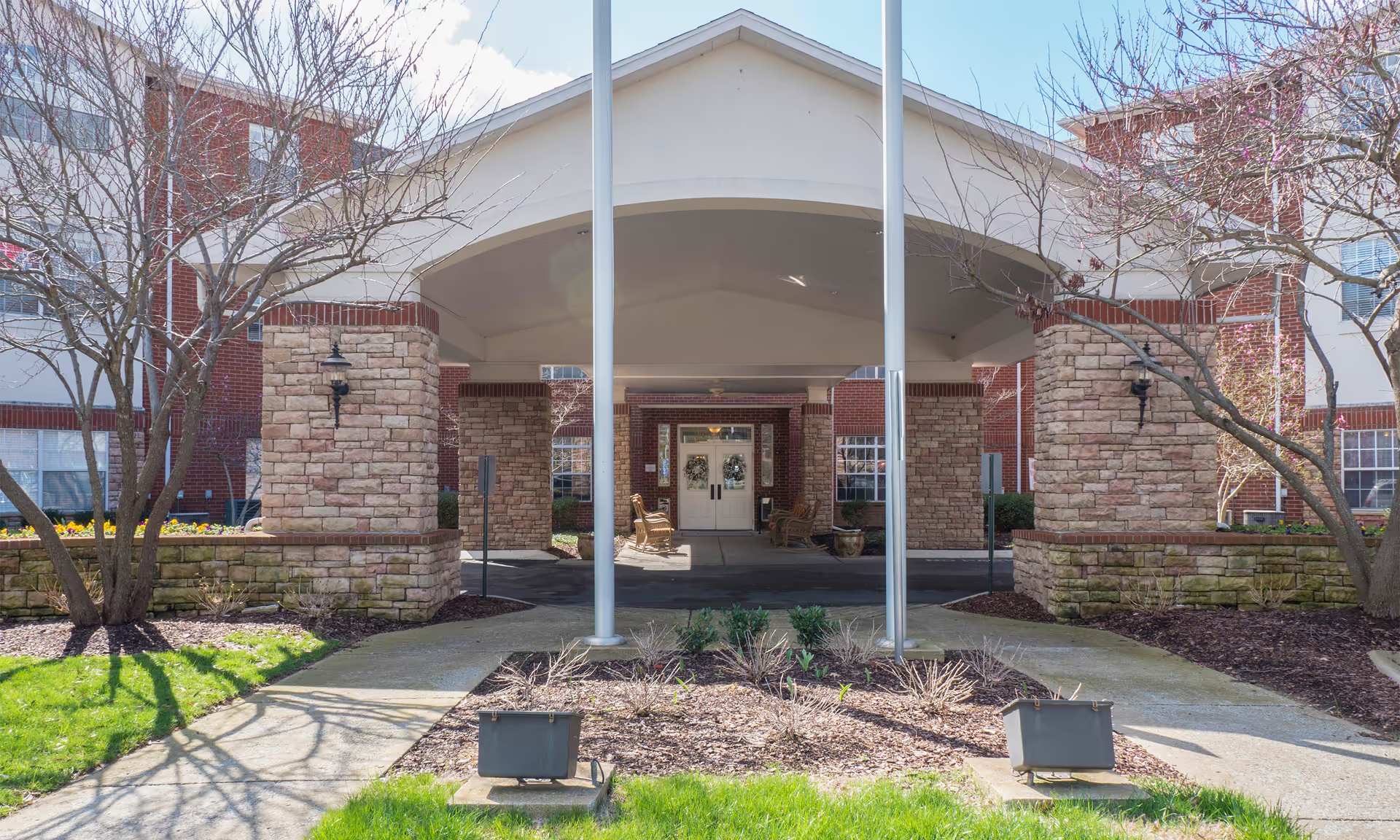
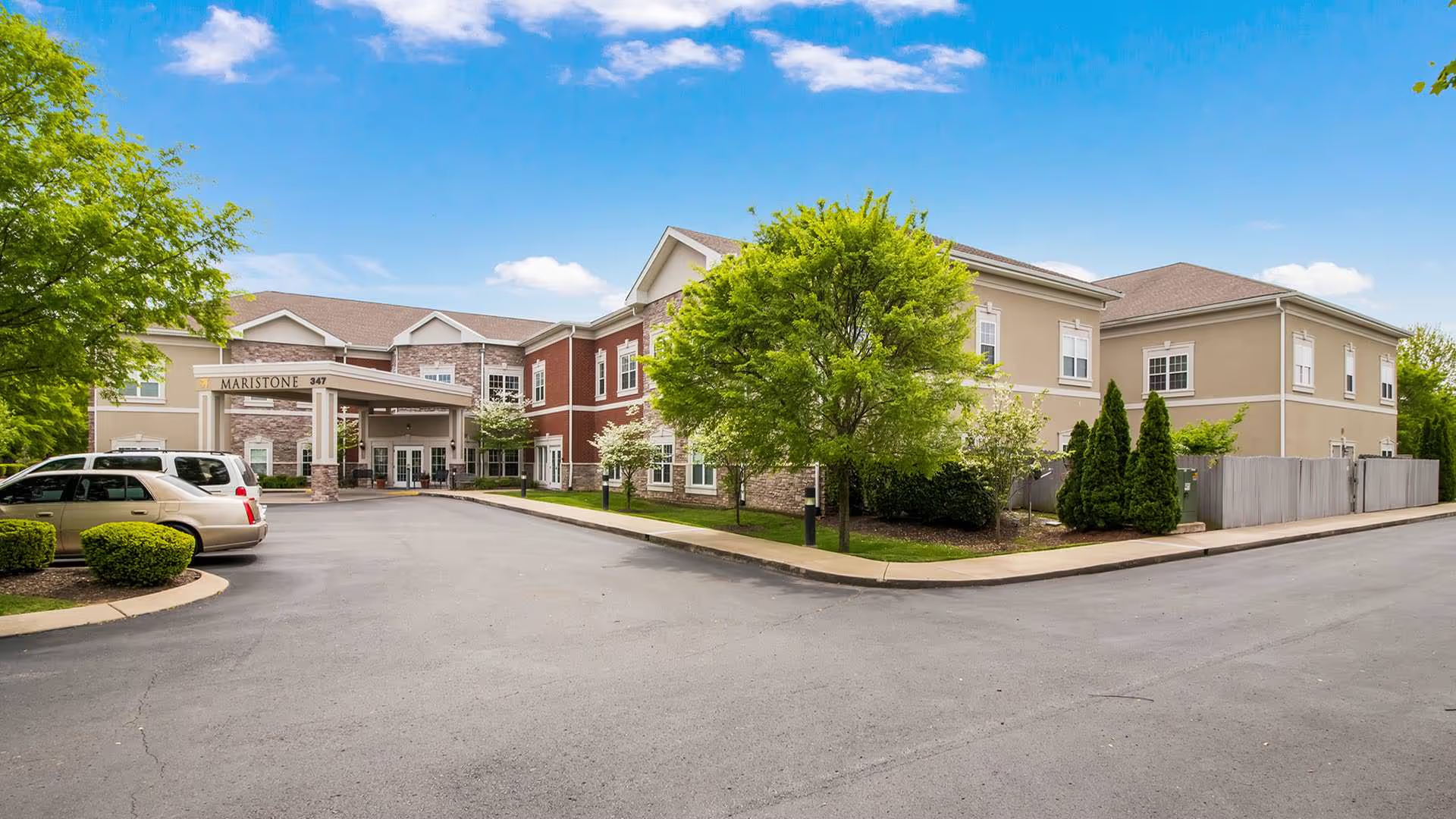
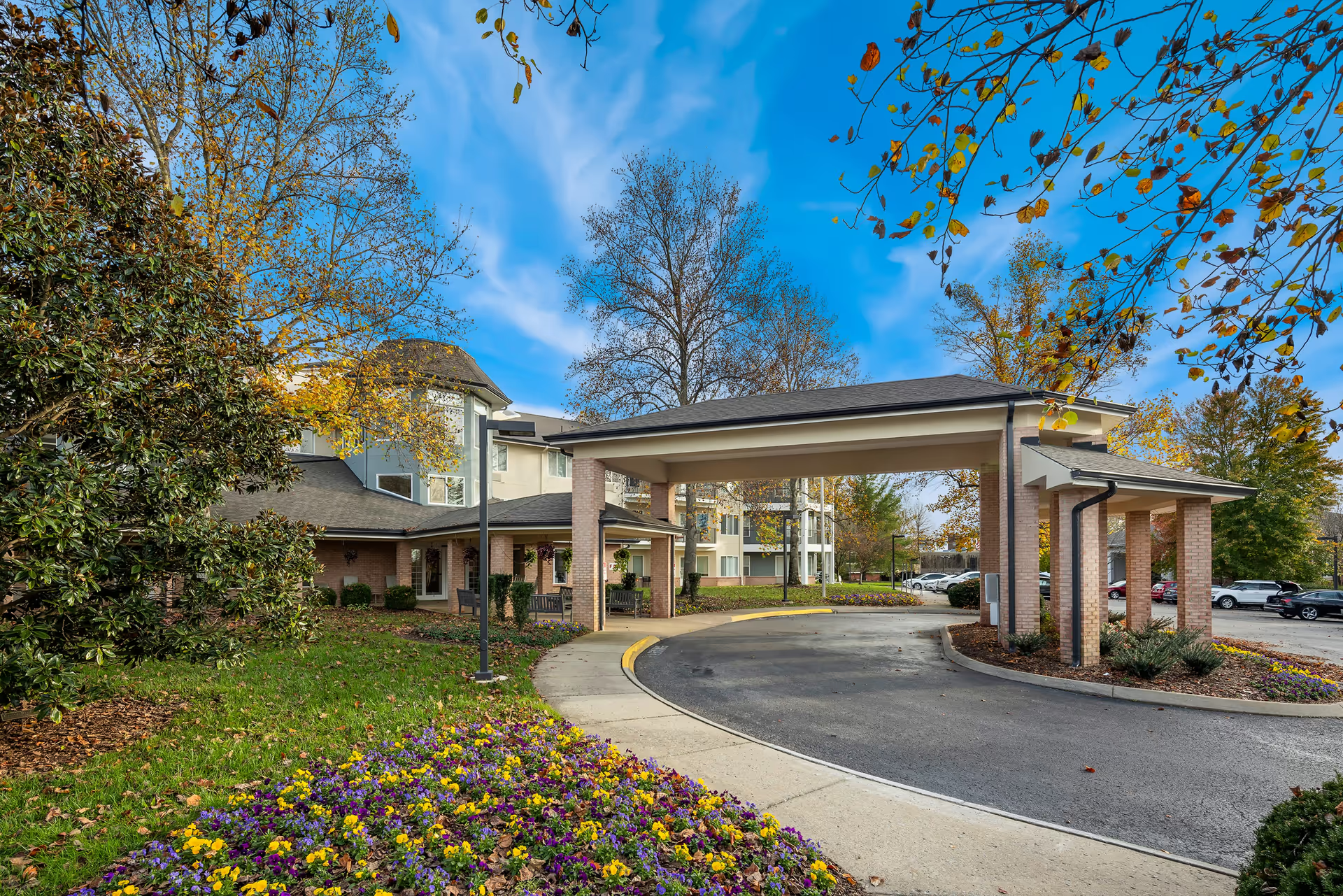
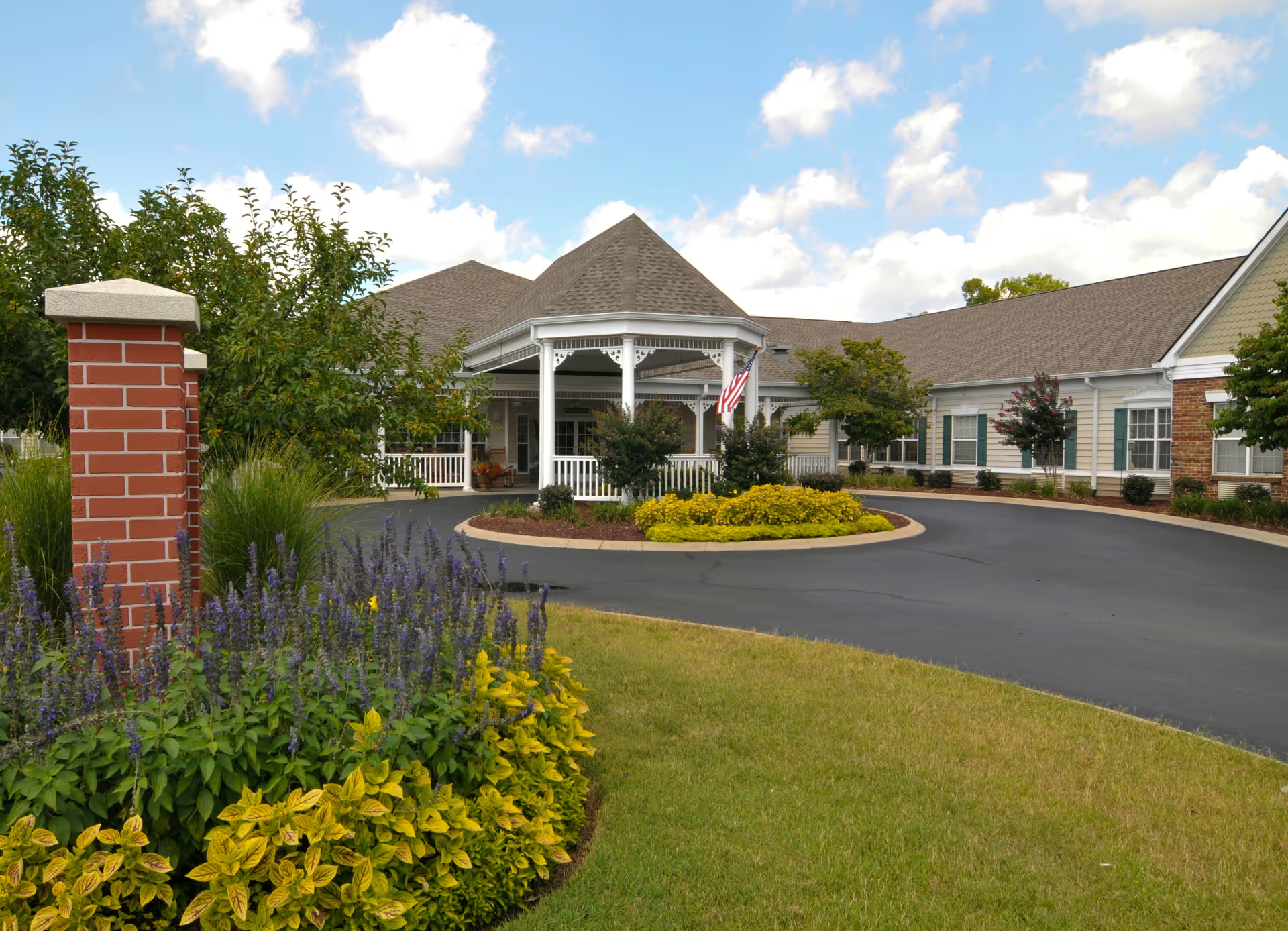
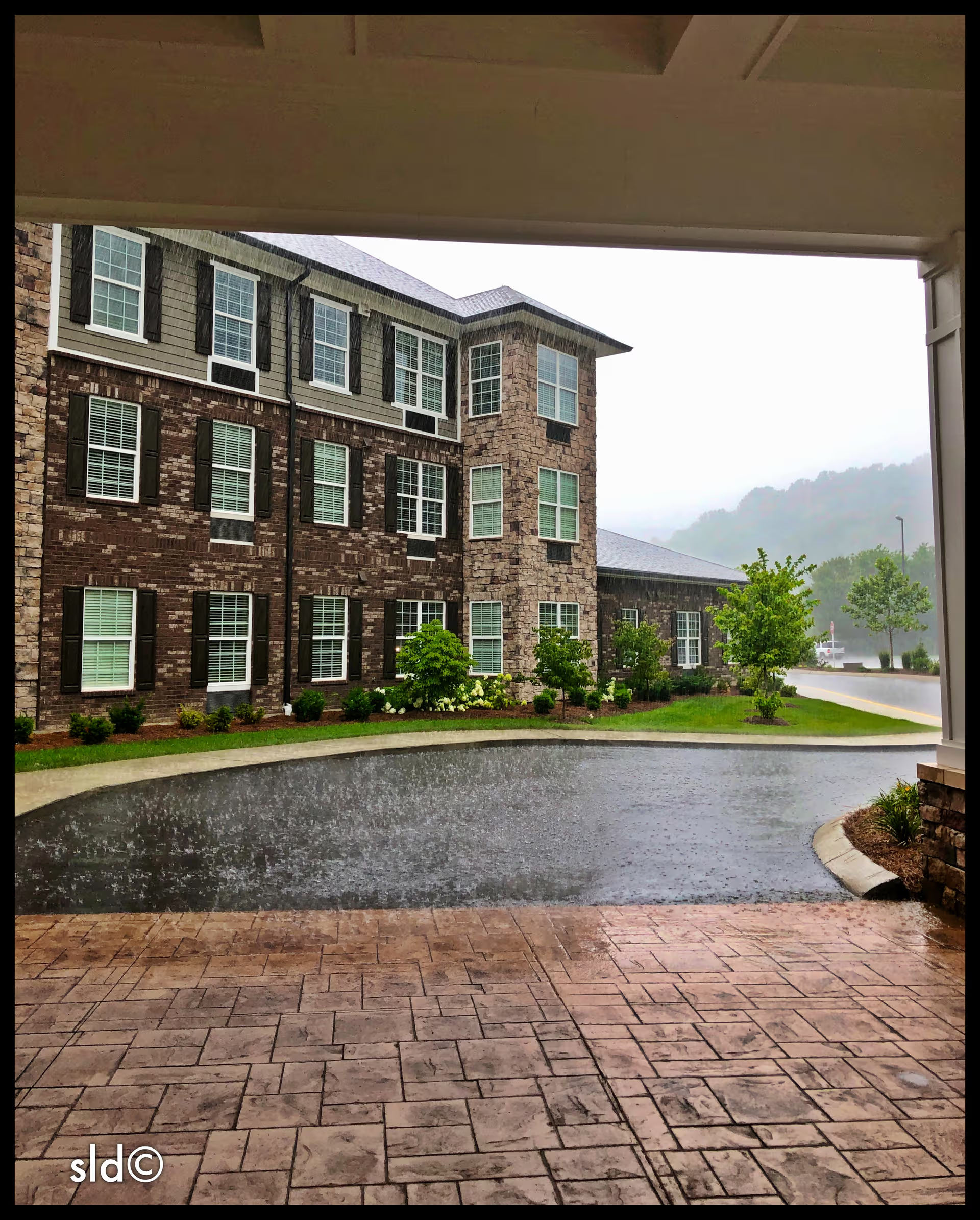
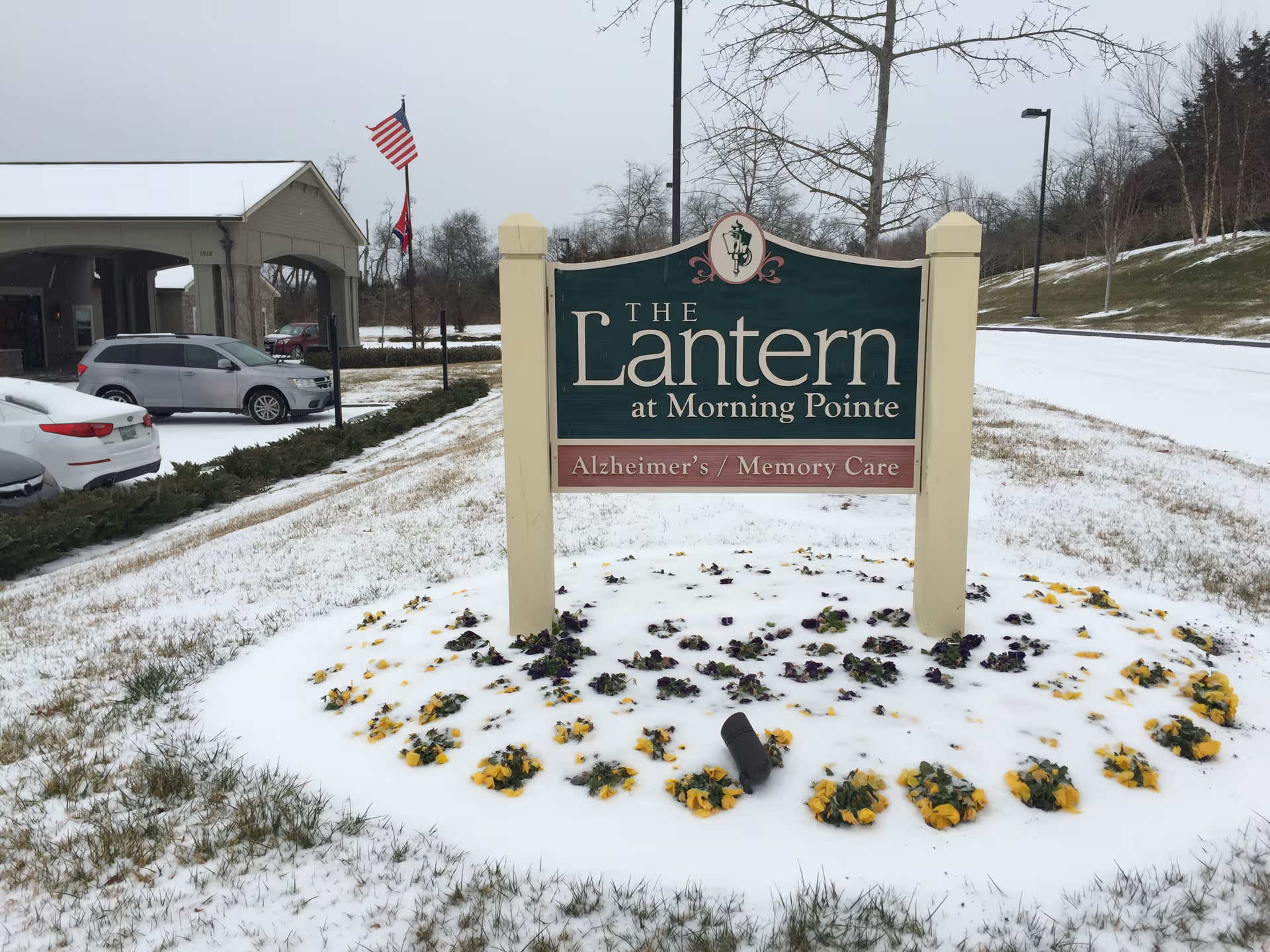
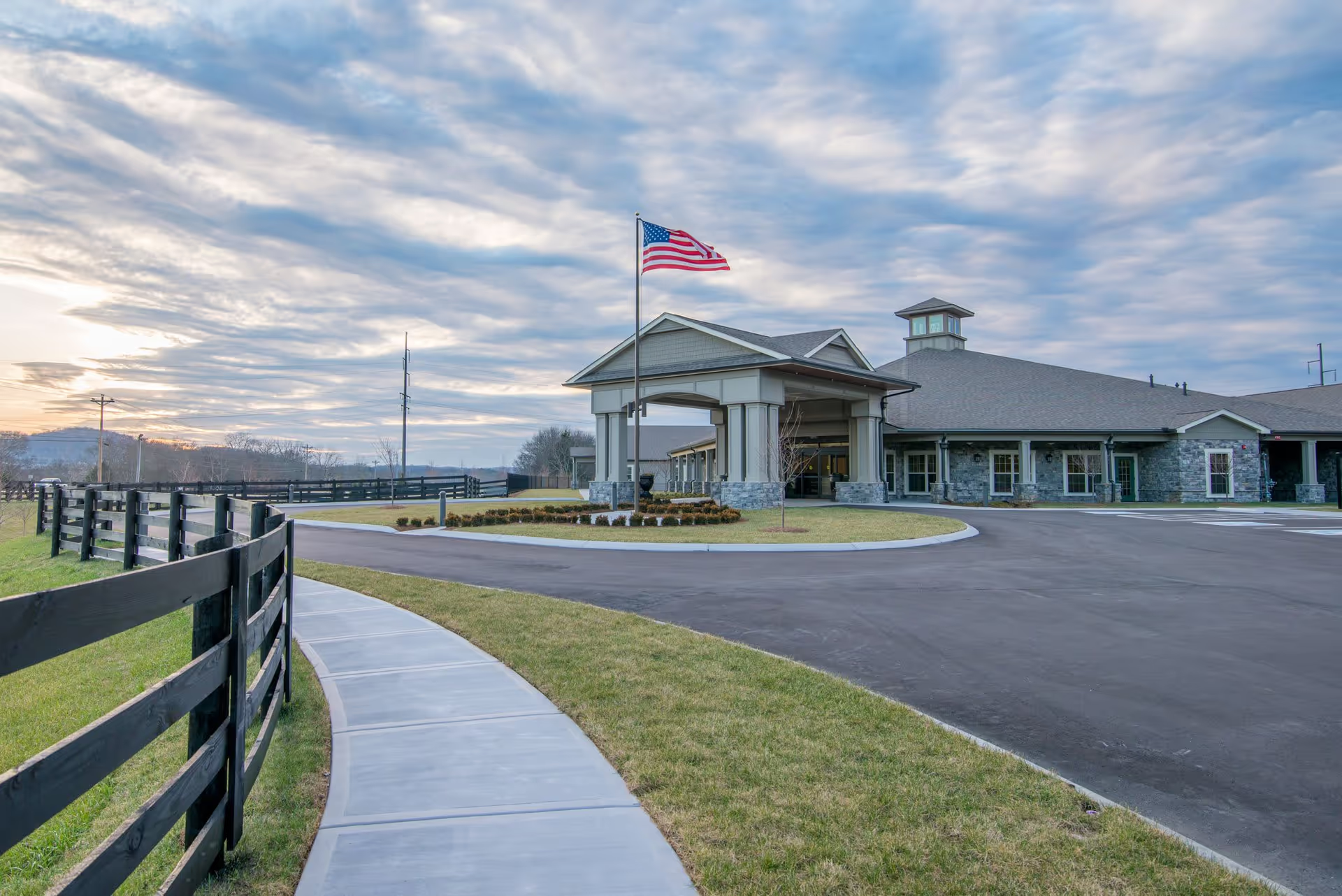
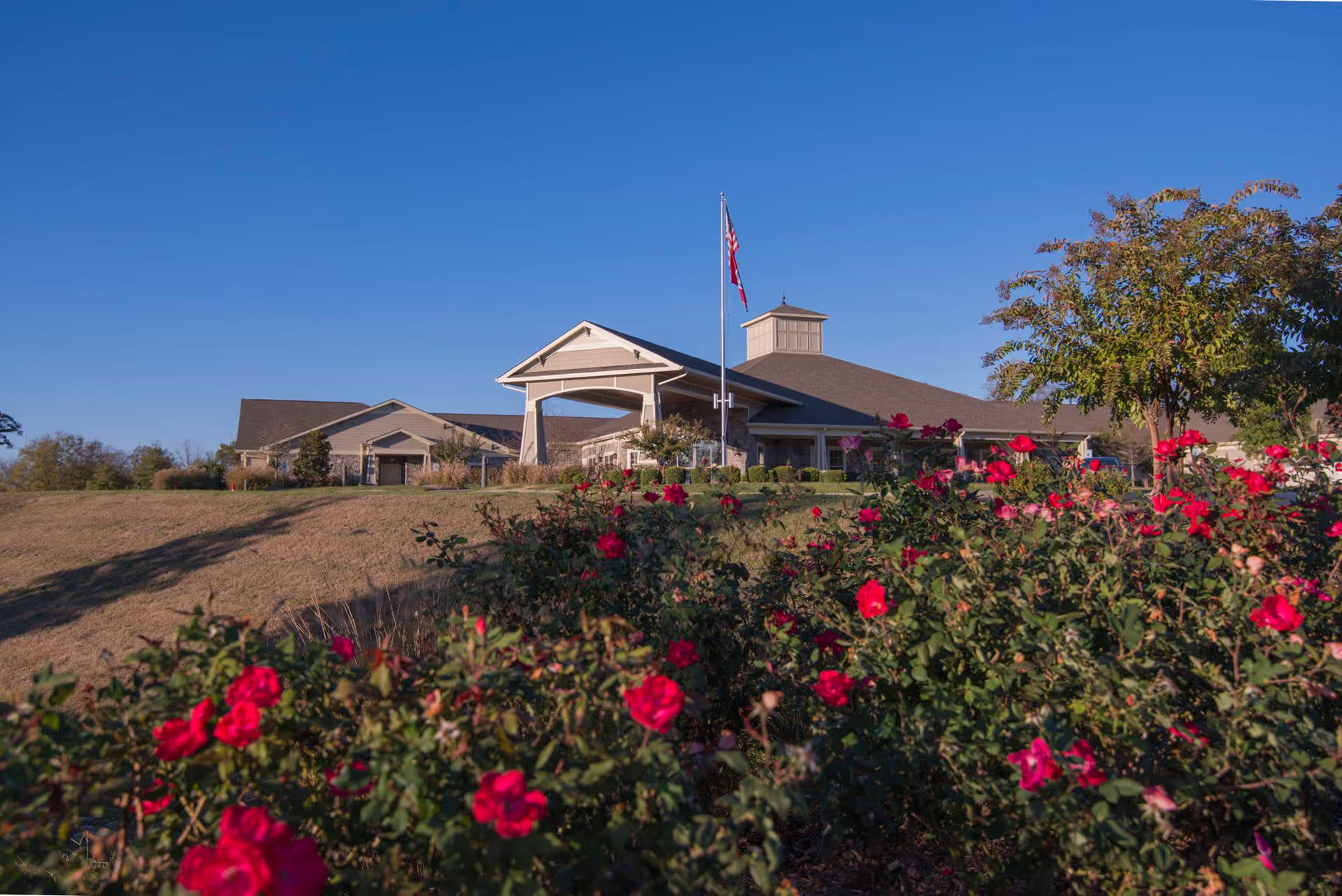
Reviews present a mixed but instructive picture of the Harpeth at Harmony Hills. Many families and visitors highlight strengths in direct care: staff are frequently described as compassionate, personable, and attentive, and the community is often characterized as warm and home-like. The facility’s physical environment is consistently praised—clean, bright common areas, an attractive courtyard with year-round outdoor access, and design details that foster a residential feel. Admissions and move-in processes are noted as smooth, with rooms prepared for new residents and generally positive family communication.
Clinical and caregiving elements receive generally favorable comments, particularly in memory-care services. Several accounts reference dementia-focused programming, daily nursing oversight (including LPN checks), 24-hour nursing availability, and assistance with activities of daily living such as bathing and dressing. These features are paired with reports of meaningful one-on-one attention from caregivers and an orientation toward creating a safe, secure setting for residents with cognitive needs.
Dining and hospitality are strengths for many reviewers: meals are described as generous, thoughtfully planned, and served in bright, family-friendly dining areas. The community also offers ancillary services such as salon/hair services and therapeutic programming (aroma/pet therapies noted) that contribute to an overall restorative atmosphere. The small-scale, family-like size of the community and active recreation leadership are cited as positive contributors to resident engagement and quality of life.
However, there are recurring operational concerns that prospective families should evaluate. Staffing consistency and coverage appear uneven in several accounts; reviewers describe times of understaffing, limited visibility of staff on certain shifts, and variability in how promptly residents are attended to. Related to staffing, some reviewers report inconsistent housekeeping and room upkeep, and a few mention odor concerns in common areas. Activity programming and engagement are reported as variable — while some residents experience lively, well-led activities, others describe minimal or passive programming that leaves residents spending substantial time in rooms.
Administrative and management issues are another notable pattern. Many reviewers praise accessible and communicative leadership, but others describe inconsistent administrative follow-through, incomplete paperwork, and rigid billing policies (including a non-prorated 30‑day cancellation requirement). There are also comments raising questions about occupancy and operational stability, and a small number of reviews include more serious allegations regarding management integrity; these items suggest that families should seek transparent documentation about finances, incident resolution, and leadership turnover.
In sum, the Harpeth at Harmony Hills offers a number of clear strengths—compassionate caregiving, a well-kept and attractive physical environment, memory-care expertise, and strong family communication in many cases. At the same time, variability in staffing, housekeeping, activity programming, billing practices, and certain managerial practices introduce operational risks that merit further inquiry. Prospective residents and families should tour the community (including evening and weekend hours), ask for current staffing ratios and turnover data, review billing and refund policies in writing, and request references from recent family members to confirm that the aspects most important to them are reliably delivered.