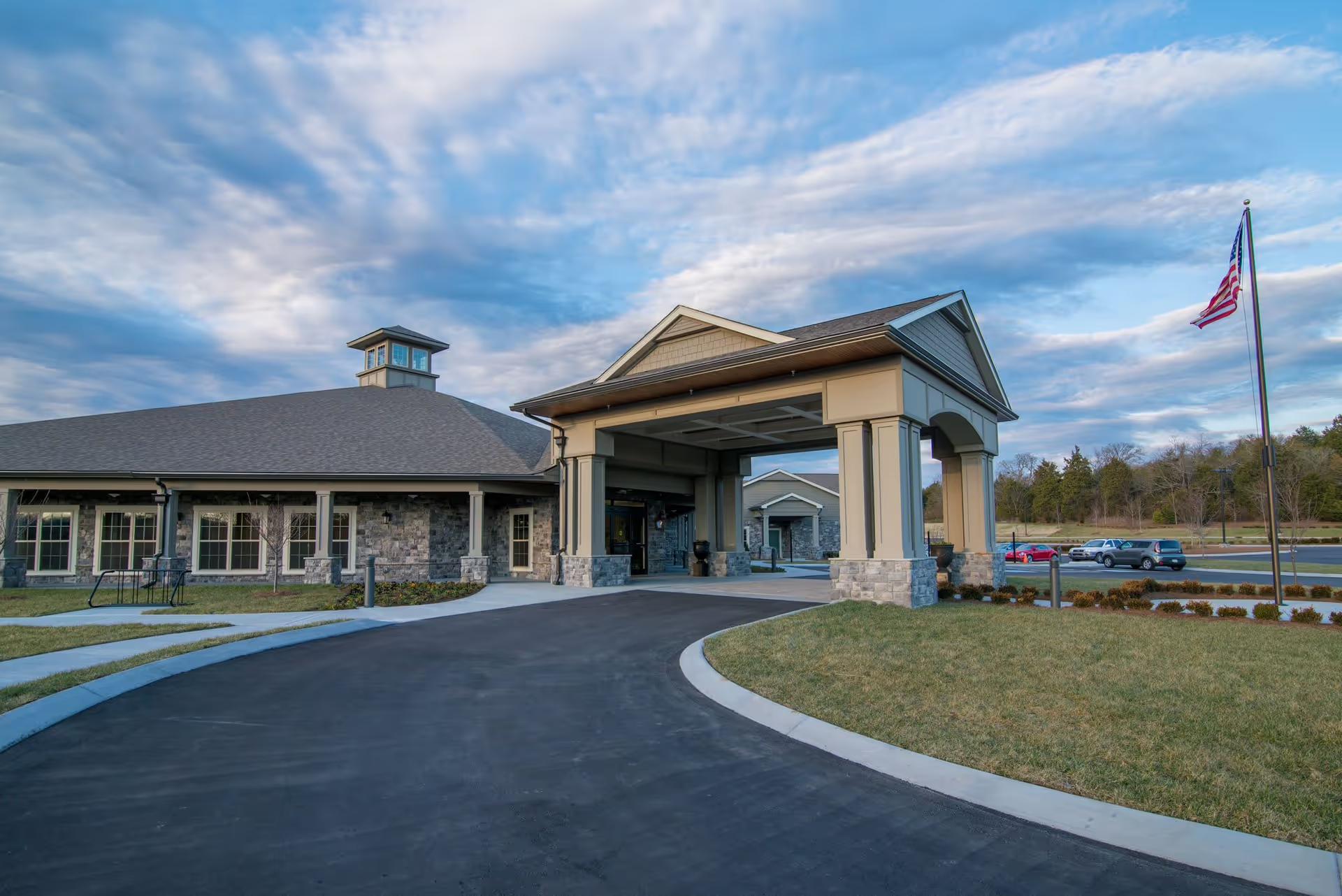
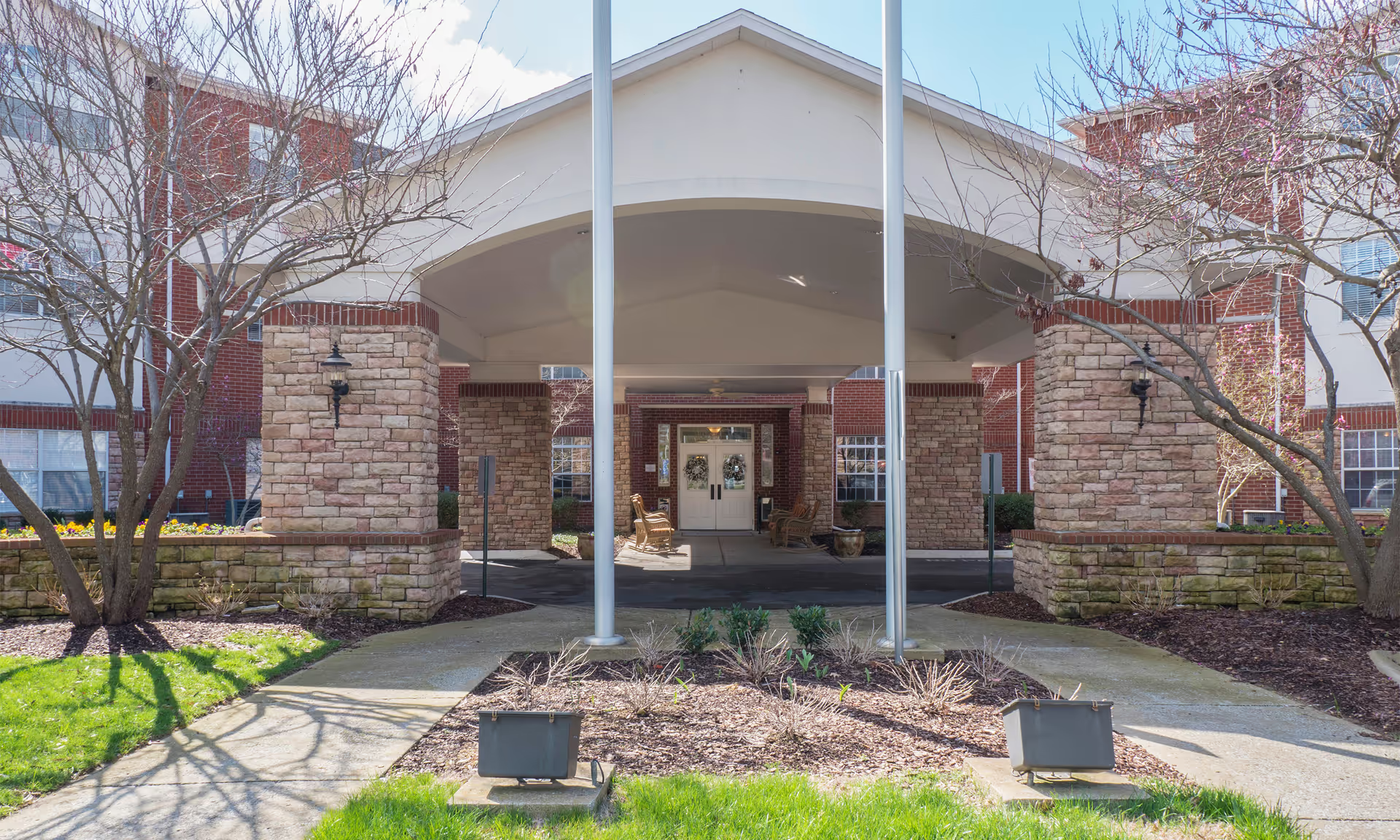
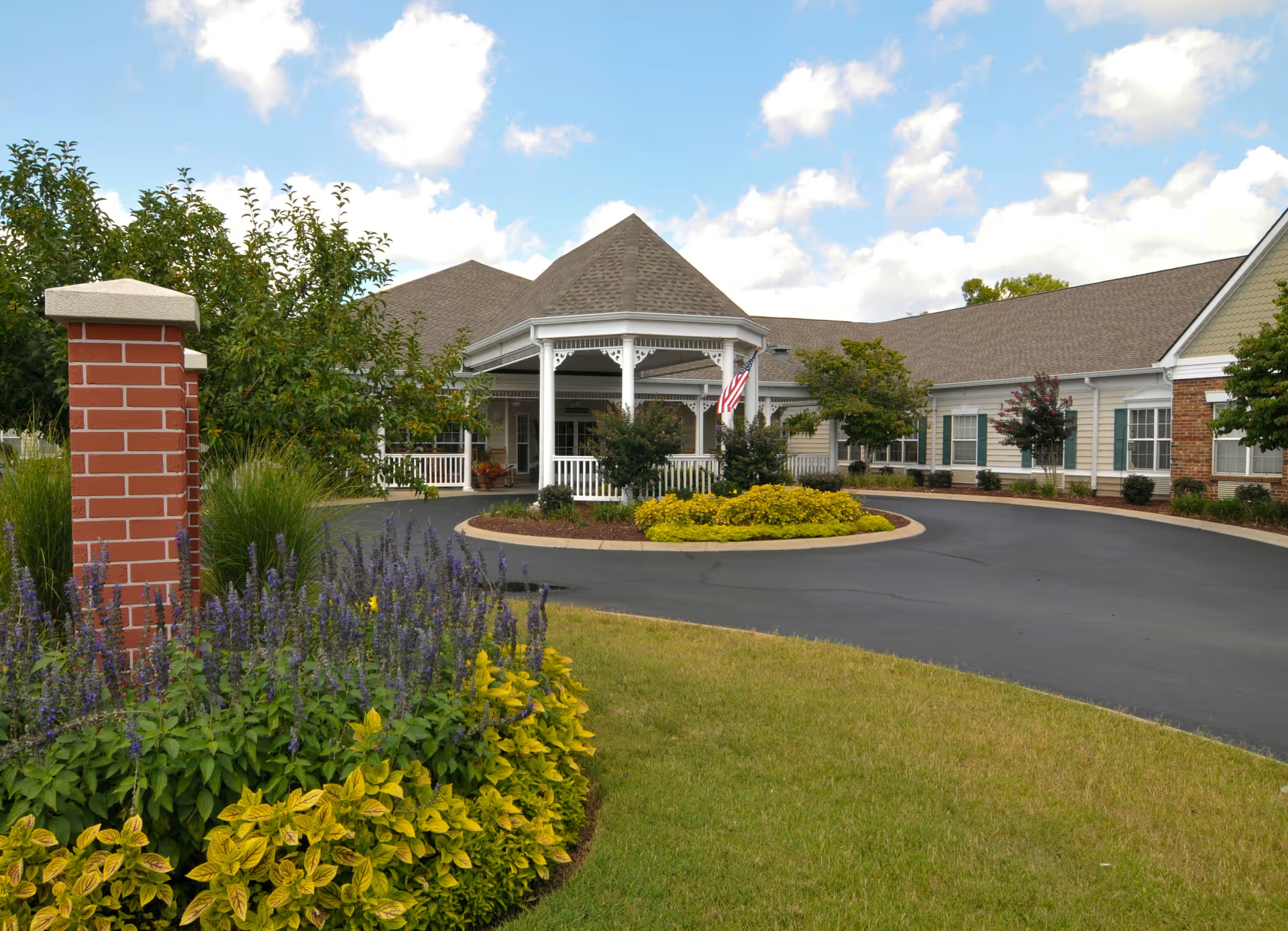
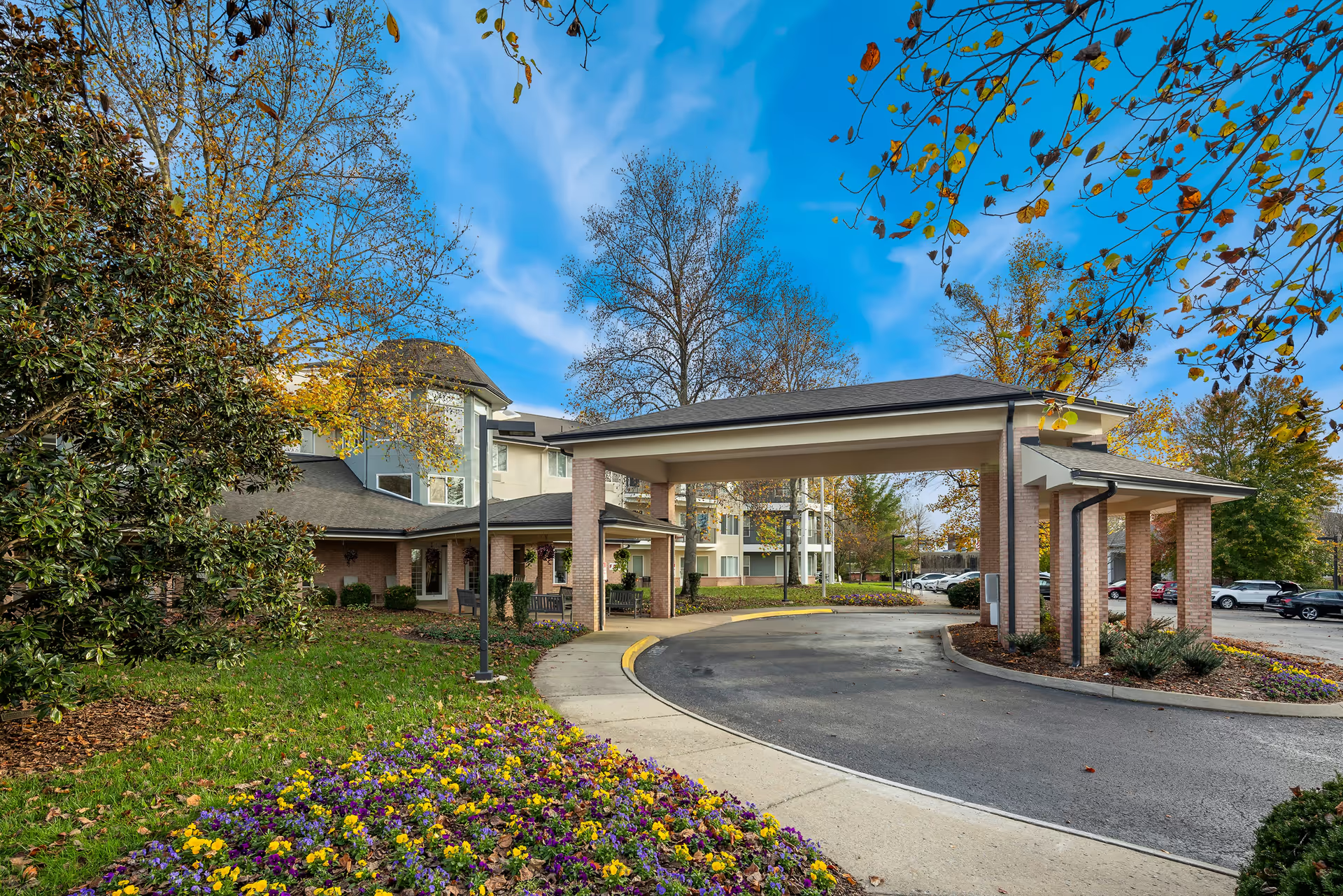
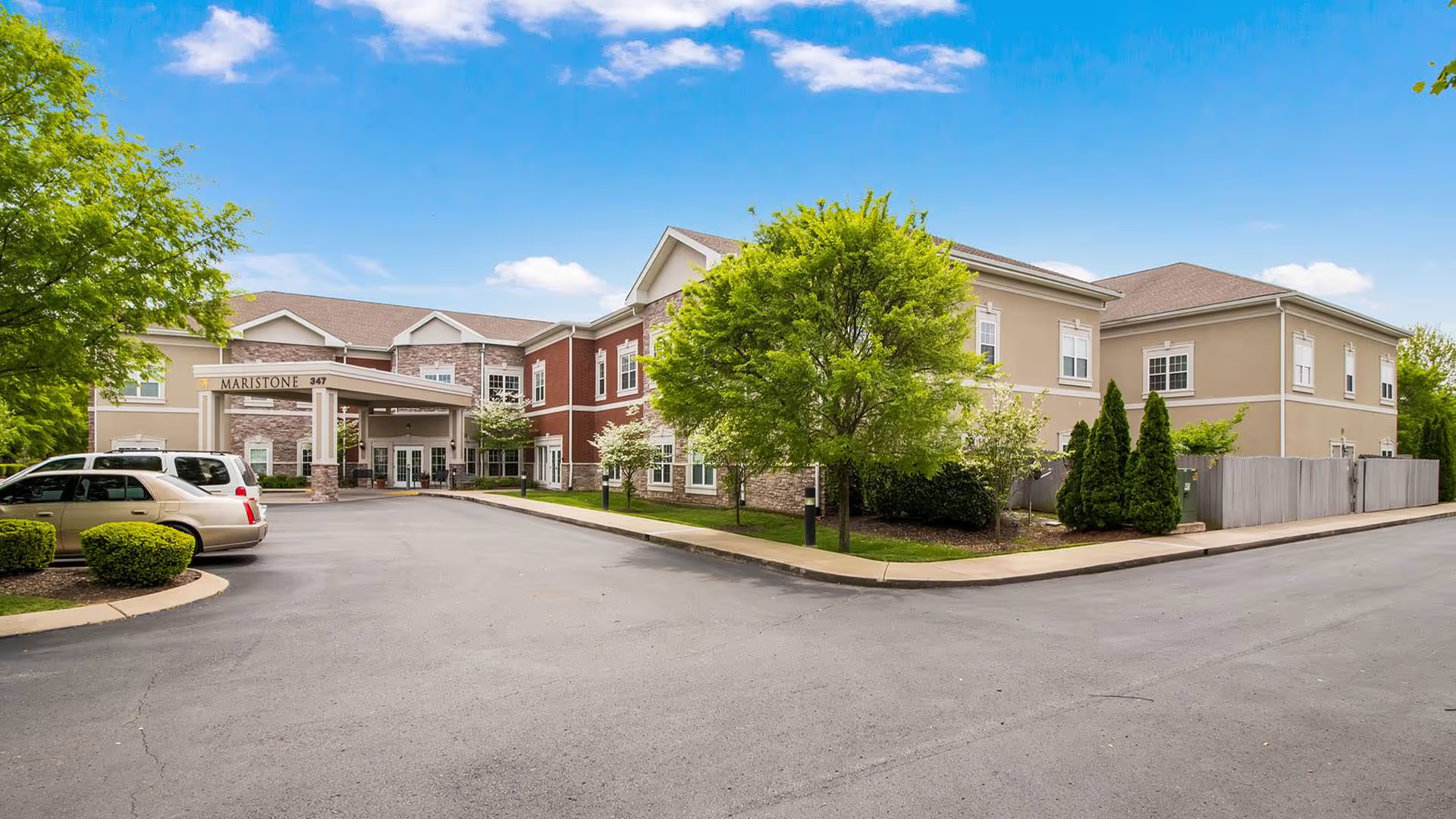
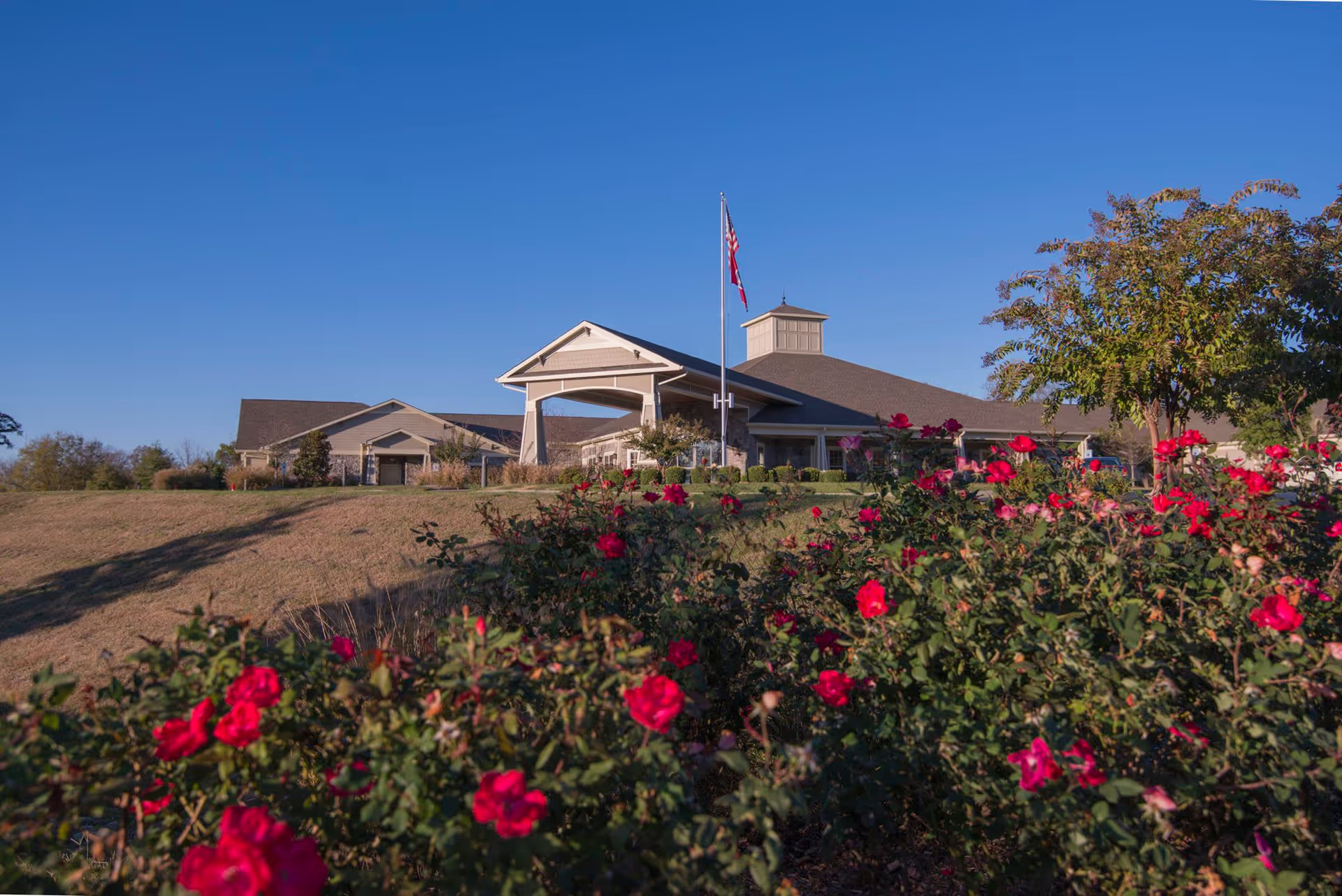
Overall impression: The Lantern at Morning Pointe is frequently described as a new, bright, one-story memory-care campus with thoughtfully sized apartments, wide hallways, and several outdoor courtyards that support mobility and pet-friendly living. Many families compliment the facility's aesthetics and maintenance, noting an inviting dining room, library/quiet areas, and on-site conveniences such as a barbershop and organized outings. The environment is often characterized as home-like and small-scale, which several reviewers said contributed to residents' social engagement and comfort.
Care and staff: A substantial portion of feedback praises compassionate, hands-on caregiving and strong dementia-care expertise. Reviewers consistently mention attentive staff, affectionate interactions, and availability of rehabilitation services (including PT/OT) that produced observable mobility improvements for some residents. At the same time, there are recurrent concerns about staffing stability and inconsistent staff training: reviewers reported turnover, variability in caregiver competency, and occasions when busy shifts led to delays in attending to residents. There are also specific operational concerns regarding medication administration and oversight that families flagged as a serious quality-of-care issue.
Dining and activities: Dining is generally viewed positively — meals are described as tasty and residents were observed to enjoy three daily meals. The activity program receives favorable comments for social and recreational options, volunteer involvement, and community outings such as scenic drives and farmers market trips. Several families requested more cognitive-focused programming, indicating a desire for expanded memory-stimulation and structured cognitive activities alongside the existing recreational offerings.
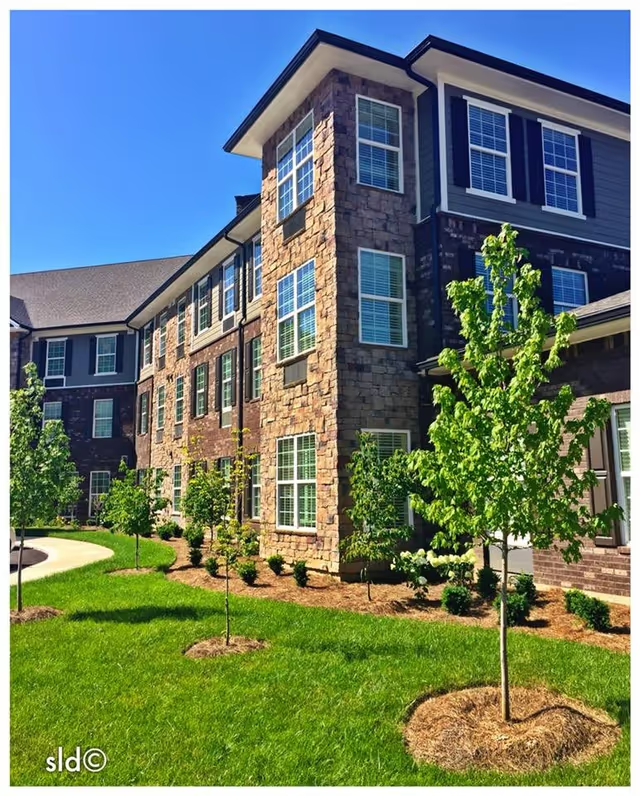
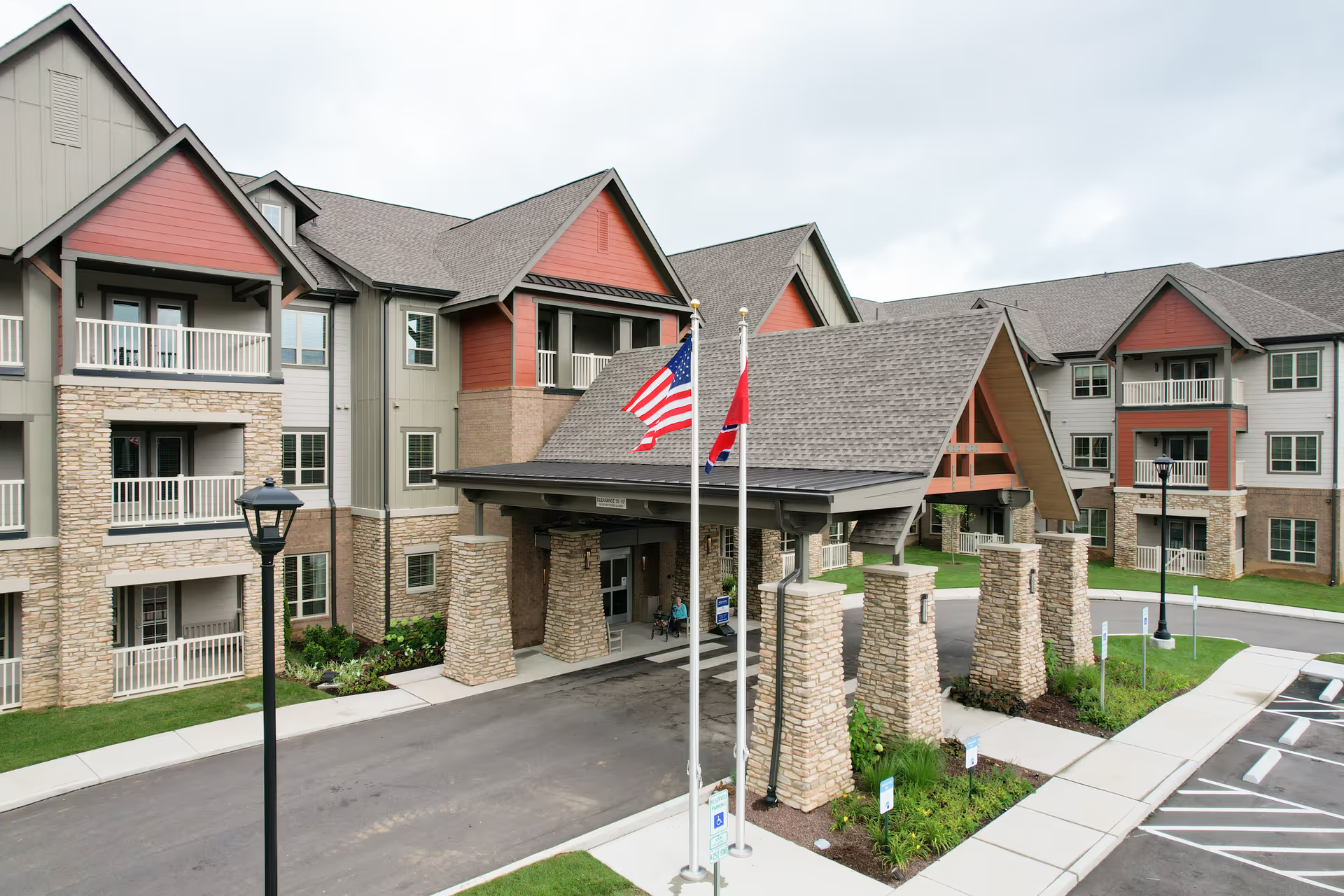
Facilities and amenities: The facility's physical plant receives strong marks: new construction, bright interiors, high ceilings, and accessible layouts that aid mobility. Apartments are noted as spacious with large closets and bathrooms, and the single-level design is convenient for residents with limited mobility. Outdoor courtyards and pet-friendly policies are highlighted as meaningful quality-of-life features. Families also appreciated adjunct services like on-site grooming and organized church/music programs.
Management and notable patterns: Management and leadership receive mixed feedback. Many accounts praise proactive leadership, good communication, and a family-like culture led by engaged executive staff. Conversely, there are recurring operational weaknesses: housekeeping and laundry processes are described as inconsistent, some families experienced billing or fee-administration problems, and a subset of reports described lapses in accountability and follow-up when issues arose. A small number of serious concerns were raised — including medication-management failures, sanitation concerns in resident rooms, and questions following a resident's death — which families identified as requiring formal review and corrective action.
Bottom line: Prospective residents and families can expect a modern, well-appointed memory-care setting with a strong emphasis on compassionate caregiving, rehabilitation services, and social programming. Those considering the community should weigh these strengths against reported operational inconsistencies — particularly around medication oversight, staffing stability, housekeeping, and billing — and discuss specific quality-control measures with management during touring and contracting. Asking about staff turnover rates, medication-administration protocols, activity schedules (especially cognitive programming), and written grievance/accountability processes will help families assess fit and risk.